We are proud to announce that Oceanic Society has awarded 21 grants to sea turtle conservation projects in Argentina, Australia, Cabo Verde, Costa Rica, Ecuador, Ghana, Kenya, Liberia, Madagascar, Maldives, Mexico, Philippines, Somalia, Trinidad, and the USA. The grants were made as part of our State of the World’s Sea Turtles (SWOT) Program, a global effort to support and strengthen local sea turtle conservation.
Since 2006, the SWOT Program’s small grants have helped field-based partners worldwide to accomplish important sea turtle research and conservation goals. To date, 201 grants have been awarded to 153 applicants in more than 58 countries and territories. The grants awarded in 2025 were made possible through generous support from private donors, Seiko Prospex, and the AZA-SAFE program, as described below.
For the sixth consecutive year, SWOT partnered with the Association of Zoos and Aquariums (AZA) and its Sea Turtle SAFE (Saving Animals from Extinction) Program to make 10 additional grants for projects related to the conservation of two of the top global priorities for sea turtle conservation—eastern Pacific leatherbacks and Kemp’s ridley turtles. Those grantees are marked with a (*) on the list below.
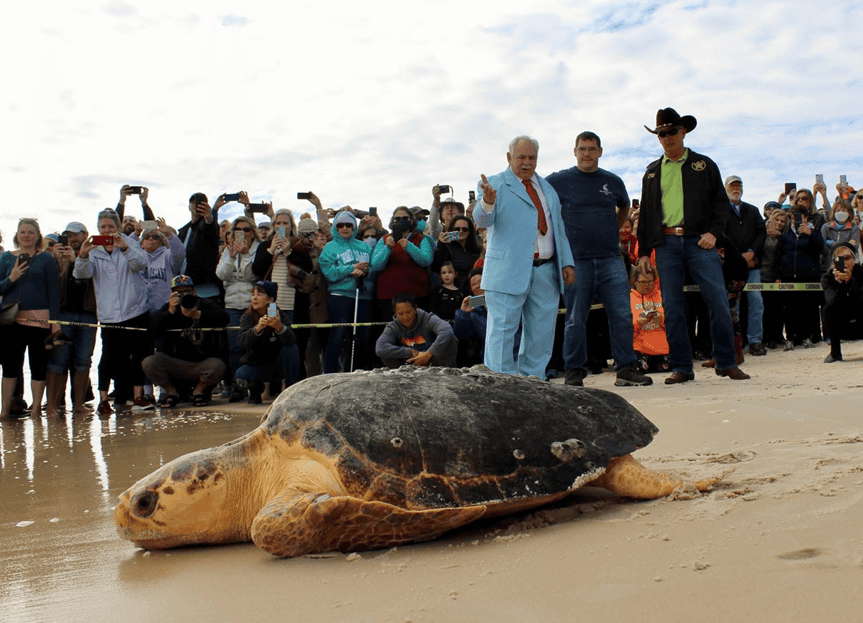
© Gulf Specimen Marine Lab releases a rescued loggerhead turtle in Florida, USA.
2025 Sea Turtle Conservation Grant Recipients
Atoll Marine Conservation (Maldives) will expand its Sea Turtle Heroes program to deliver school-based education that reduces illegal take and pet-keeping while fostering long-term conservation attitudes and community stewardship across the Maldives.
Bahari Hai Conservation (Kenya) will strengthen conservation efforts with the Roka fishing community through patrol training, improved turtle handling and data collection, monitoring patrols, and sharing results with fishers to support long-term stewardship.
CURMA – Community Unification for Responsible Management of Aquatic Resources (Philippines) will build upon their community-based protection and monitoring in La Union, strengthening local capacity to address threats in critical nesting, foraging, and breeding habitats and supporting long-term sea turtle stewardship.
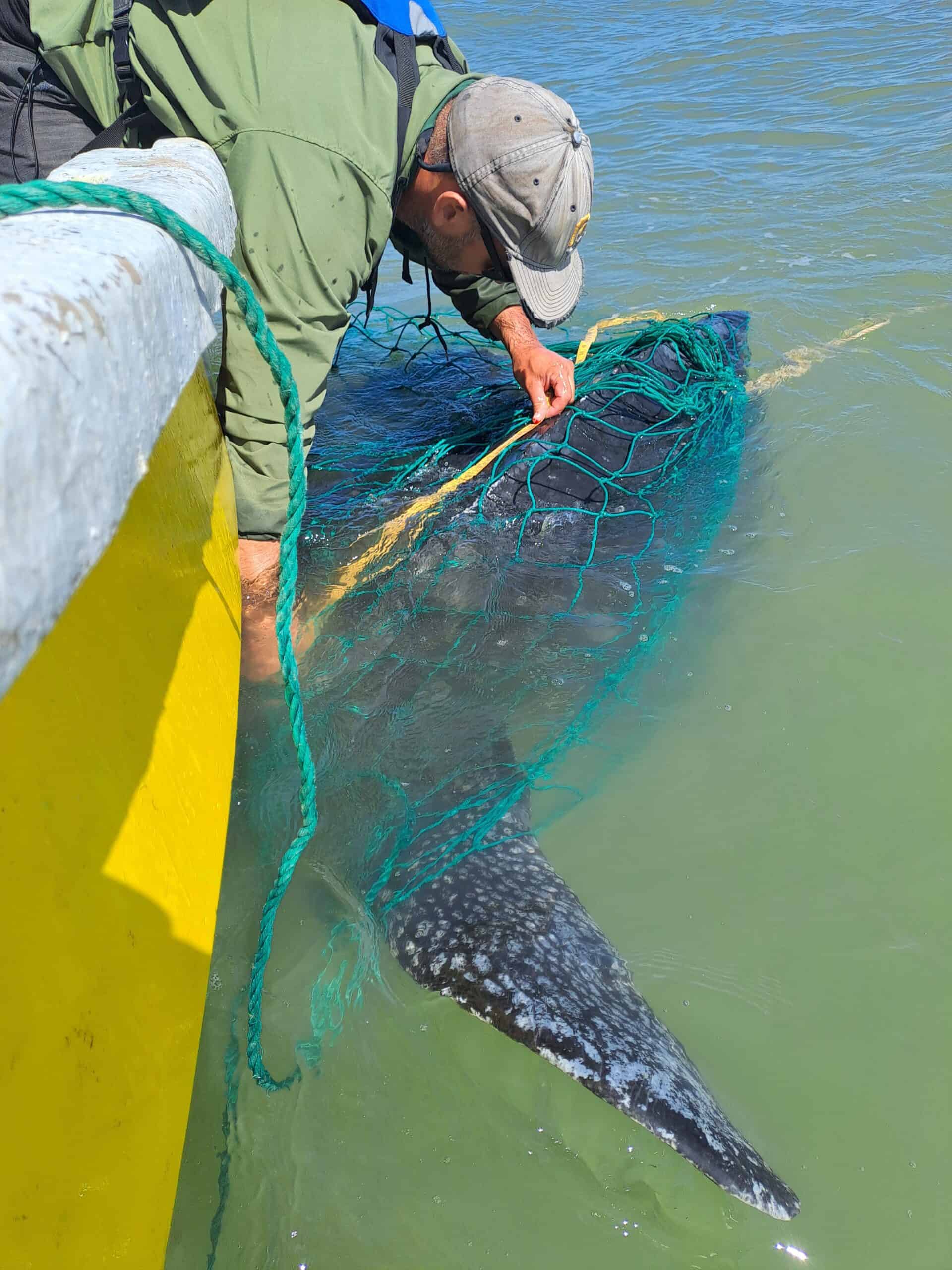
Researchers measure a male leatherback sea turtle © Centro de Estudio AquaMarina
Centro de Estudios AquaMarina – Asociación Civil (Argentina) will study adult male leatherback distribution and habitat use in the South Atlantic through data collection and satellite-tracking in northern Argentina, addressing major knowledge gaps in male turtle ecology.
Ghana Instinct (Ghana) will increase ongoing conservation efforts at Cape Three Points through enhanced beach patrols, reduced poaching, and improved hatchery capacity to protect olive ridley, green, and leatherback turtles.
Institut Halieutique et des Sciences Marines, University of Toliara (Madagascar) researchers will identify which sea turtle species are captured in small-scale fisheries in southwest Madagascar, improving understanding of species-specific risk and feeding ecology to guide locally adapted conservation strategies.
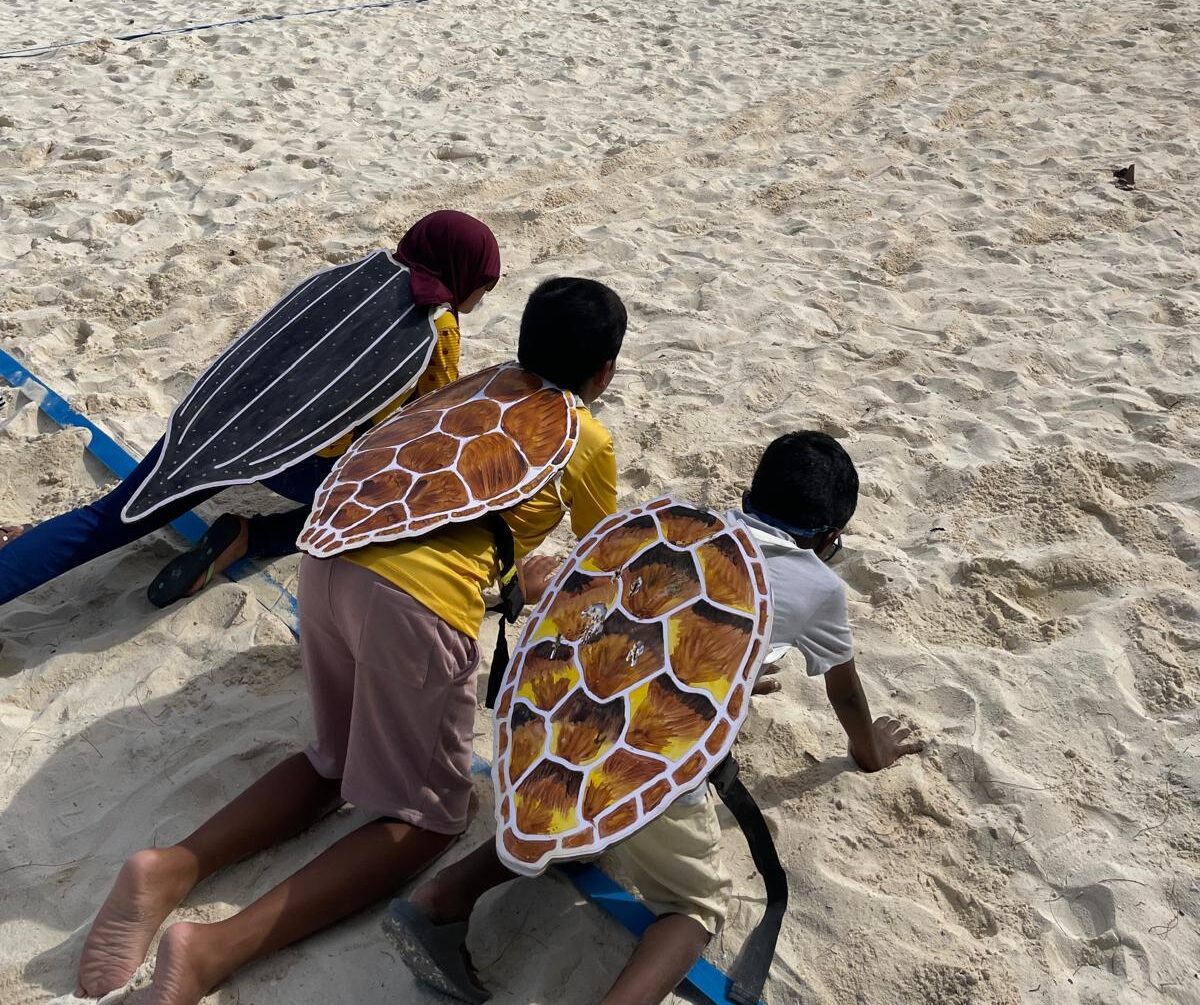
© Atoll Marine Conservation
Murdoch University (Australia), led by Carmela de Benito Abelló, will amplify culturally grounded green turtle monitoring in Yawuru Saltwater Country by creating hands-on opportunities for Yawuru leadership, knowledge-sharing, and stewardship alongside Western scientific approaches.
Society for Marine Species Conservation (Liberia) will reduce poaching, bycatch, and pollution threats by strengthening nesting beach protection, fostering community stewardship, and supporting sustainable livelihoods that reduce pressure on sea turtle populations in River Cess County.
Somali Integrated Fisheries and Forestry Organization (Somalia) will develop sea turtle conservation along Somalia’s coastline through the establishment of monitoring programs, community engagement, and integration of Somalia into global conservation efforts.
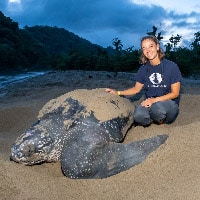
Teal Guetschow (Trinidad) will work with local fishers to evaluate LED net lights as a bycatch-reduction tool in artisanal gillnet fisheries in Trinidad and Tobago to help address high levels of leatherback bycatch near important leatherback nesting beaches.
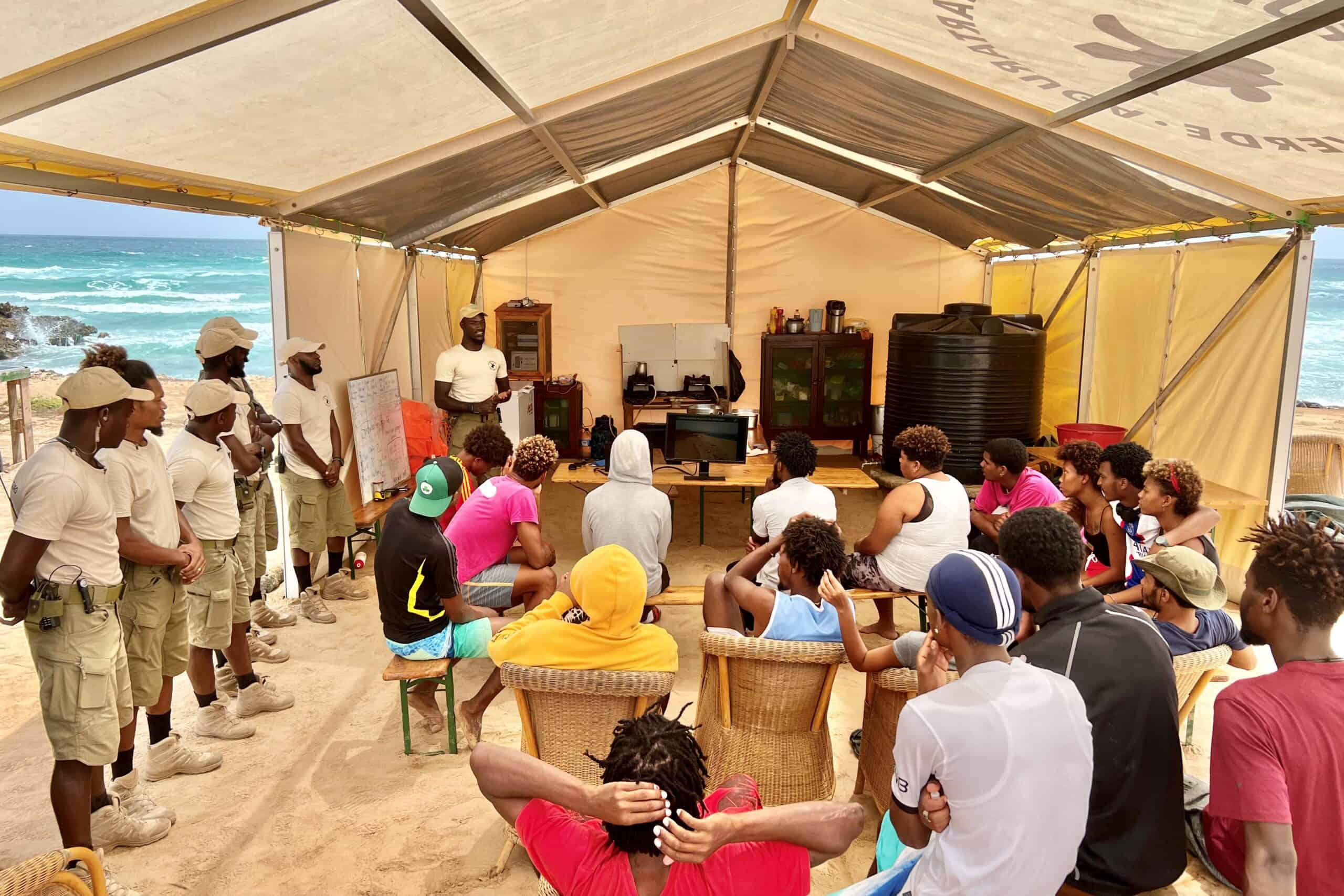
© Turtle Foundation holds a workshop on sea turtles in Boa Vista, Cabo Verde.
Turtle Foundation (Cabo Verde) will, through enhanced field capacity, protection dogs, and tools such as drones, strengthen nest protection and enforcement on Boa Vista Island, home to most of Cabo Verde’s loggerhead nesting.
*Brenda Sarahi Ramos Rivera (Mexico) will protect Kemp’s ridley nesting beaches within the Piedra de Tlacoyunque Protected Natural Area through monitoring patrols, threat reduction, and organized beach cleanups.
*Proyecto Tortuga Negra (Mexico) will continue to protect nesting turtles and eggs while supporting successful hatchling emergence and release at Mexiquillo, a major eastern Pacific leatherback nesting beach.
*Corporación Yemanyá Agua y Conservación (Ecuador) will expand outreach to artisanal fishing communities in Esmeraldas and Manabí to improve conservation awareness and promote behaviors that reduce impacts to eastern Pacific leatherbacks affected by fishing activities.
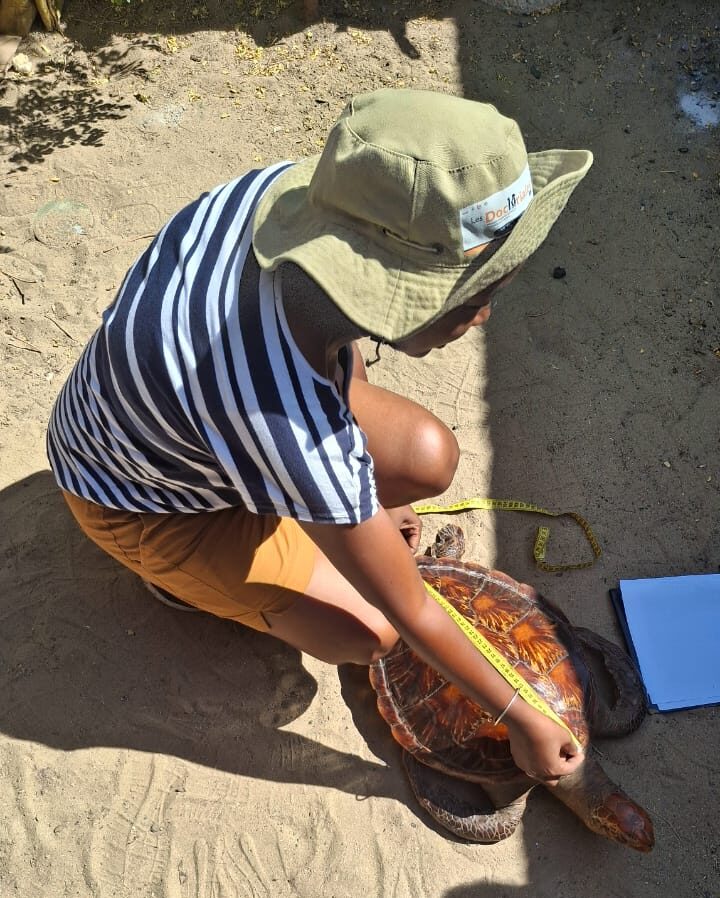
A researcher from Institut Halieutique et des Sciences Marines, University of Toliara measures a green turtle.
*Campamento Tortuguero Los Quelonios (Mexico) will address rising temperature threats at Playa Ventura, and strengthen hatchery-based management to sustain reproductive success, building on two decades of next protection.
*Fundación Universidad Veracruzana (Mexico) will reduce artificial light pollution affecting Kemp’s ridleys at El Laurel by working with communities to identify, mitigate, and manage problematic lighting while improving nest protection and monitoring.
*Gulf Specimen Marine Laboratory, Inc. (USA) will continue its rescue and rehabilitation of stranded sea turtles, including cold-stunned Kemp’s ridleys, strengthening response and medical care capacity in western Florida.
*Irlanda Esmeralda Gallardo Alanis, through George Mason University (Mexico), will expand long-term biological monitoring of Kemp’s ridley and hawksbill turtles to strengthen conservation attention and data collection for these species and their habitats in Tamaulipas, Mexico, and southern Texas, USA.
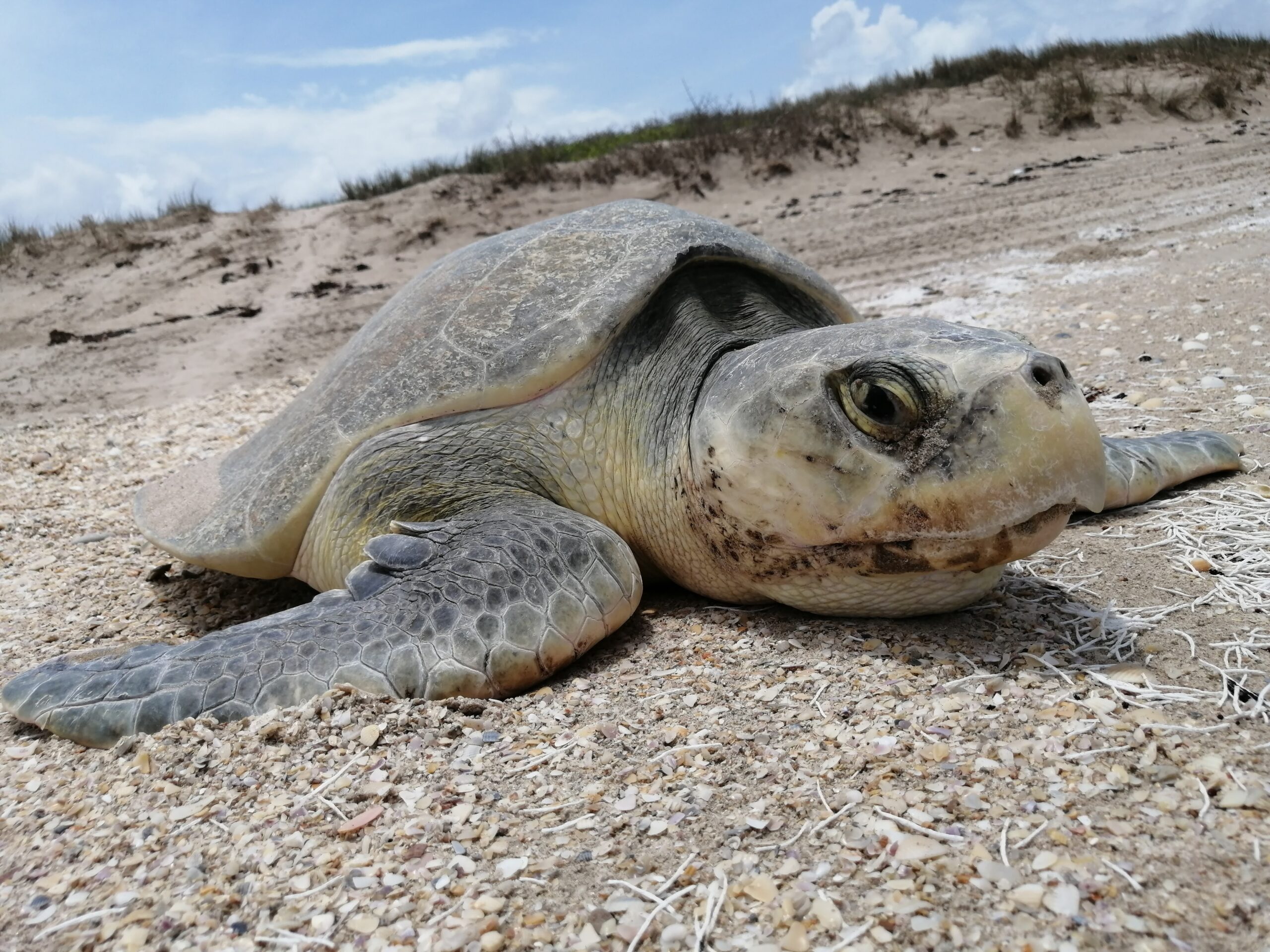
A Kemp’s ridley emerges to nest in Mexico © Irlanda Esmeralda Gallardo Alanis
*Mildred Alpizar Quezada, through Instituto Politécnico Nacional (Mexico), will protect nests and improve hatch success by addressing egg take and trade networks at three leatherback index beaches: Barra de la Cruz-Playa Grande and Cahuitan, Oaxaca, and Tierra Colorada, Guerrero.
*Verdiazul (Costa Rica) will continue nest protection and hatchery management at Playa Junquillal, supporting reproductive success at this important eastern Pacific leatherback nesting beach.
*Warriors of the Rainbow (Mexico) will continue their nightly patrols, nest relocation, hatchery management, beach cleanups, and volunteer engagement, thereby supporting the protection of eastern Pacific leatherbacks in Guerrero, Mexico.
These grants support real, measurable conservation work on the ground, protecting nesting beaches, reducing bycatch, improving community stewardship, and expanding scientific knowledge of sea turtles around the world.
We’re grateful to our partners and supporters who make this work possible, and we look forward to sharing the impact of these projects as findings develop.
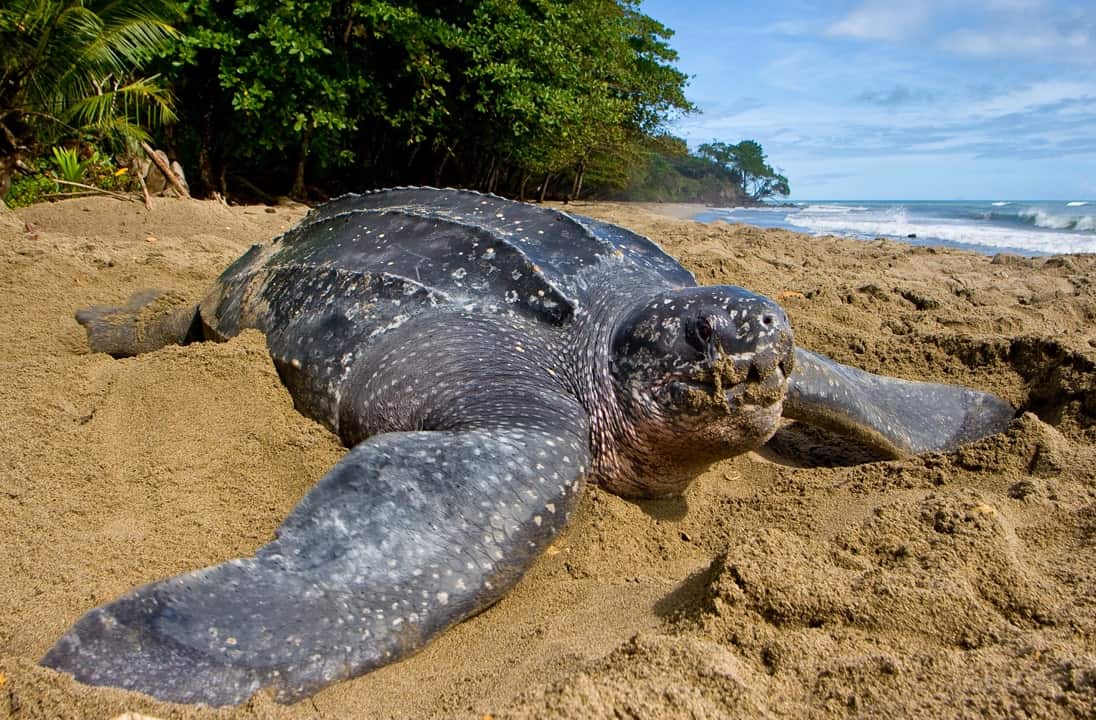
Strengthening Global Sea Turtle Conservation
Learn more about SWOT (State of the World’s Sea Turtles) and how it supports global sea turtle conservation through data, mapping, research, and grants