Sea turtles have navigated Earth’s oceans for more than 100 million years, yet today they face significant threats from human activity. Though conservation efforts often focus on protecting nesting beaches, reducing bycatch, or restoring habitats, new research highlights an equally critical, and often overlooked, piece of the puzzle: people.
A recently published peer-reviewed study in the journal People and Nature sheds light on the complex cultural, religious, and sociodemographic factors influencing illegal sea turtle use practices in Indonesia, one of the world’s most important yet threatened sea turtle habitats.
Surveying Sea Turtle Use Across Sumatra
Despite Indonesian national laws that strictly protect sea turtles and prohibit their harvest and trade, illegal take and use continue to occur across parts of the archipelago. These practices are often deeply rooted in local traditions, belief systems, and economic realities, making enforcement alone an insufficient solution.
Led by researchers from the Czech University of Life Sciences Prague, Universitas Syiah Kuala, Liberec Zoo, and WWF, the research draws on survey data to examine how factors such as age, occupation, religious beliefs, and cultural norms influence human interactions with sea turtles.
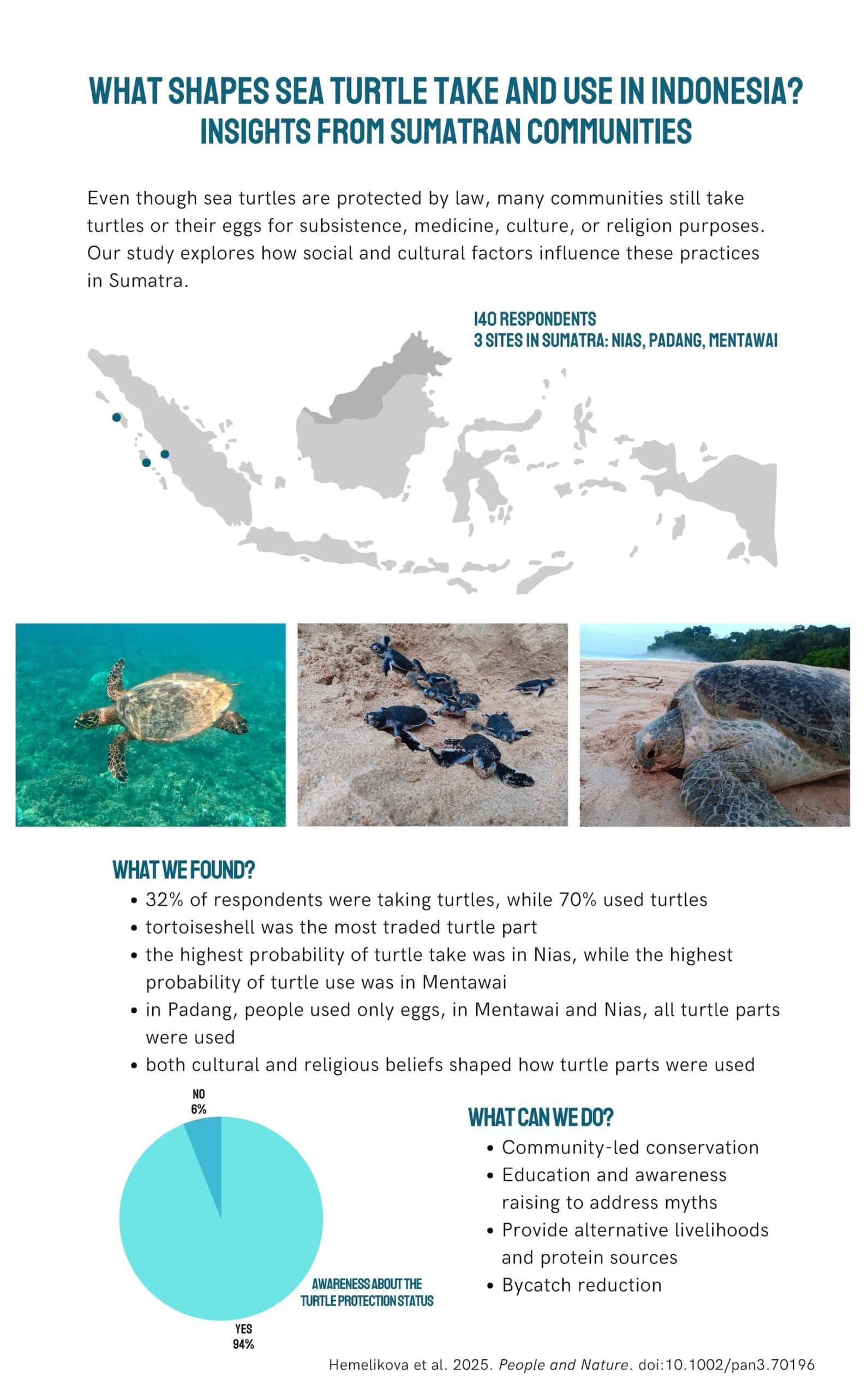
The research team interviewed 140 people across three sites in Sumatra, including Padang, Mentawai, and Nias. Participants were asked about their education, livelihoods, and belief systems, as well as whether and how they partake in turtle use and consumption.
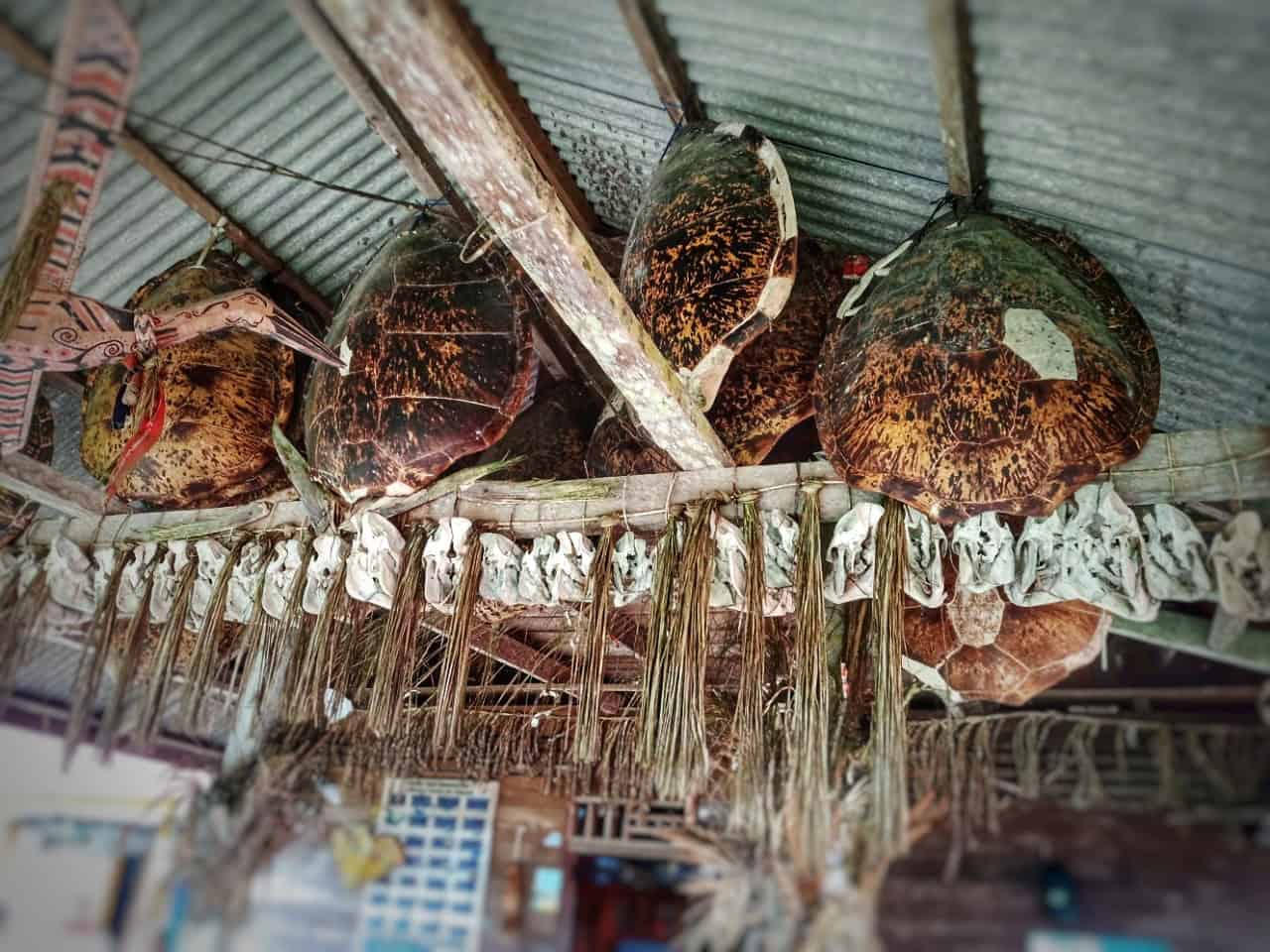
Sea turtle carapaces and skulls displayed as traditional decoration on a tribal house. Photo by Adela Hemelikova.
The survey explored whether people harvested entire turtles or eggs, which turtle products were used, including eggs, meat, and by-products, or shell, and the purposes behind their use, ranging from food and medicine to cultural and religious practices. The goal was to understand how personal background, local beliefs, and traditions influence sea turtle exploitation, and why these practices continue despite legal protections.
This research was supported in part by a grant from Oceanic Society’s State of the World’s Sea Turtles (SWOT) program, reflecting our commitment to supporting efforts that advance effective, community-based sea turtle conservation.
With support from a 2020 SWOT grant, researchers from the Czech University of Life Sciences Prague and Universitas Syiah Kuala investigated the status of the domestic tortoiseshell trade across locations in Sumatra and surrounding islands.

Tortoiseshell bracelets displayed for sale in a souvenir shop in Nias, Indonesia. Photo by Adela Hemelikova.
Key Research Findings
- Sea turtle take and use remain common, though practices and motivations vary significantly by location.
- In Padang, respondents reported using only sea turtle eggs, primarily for perceived medicinal purposes.
- In Mentawai and Nias, communities reported using all parts of the turtle, with cultural traditions and religious beliefs shaping how different turtle products were used.
- Across all survey sites, the most commonly traded product was tortoiseshell, which is derived exclusively from the critically endangered hawksbill turtle, highlighting an ongoing and serious conservation threat.
- Although 94% of participants were aware that sea turtles are legally protected, many still held persistent misconceptions.
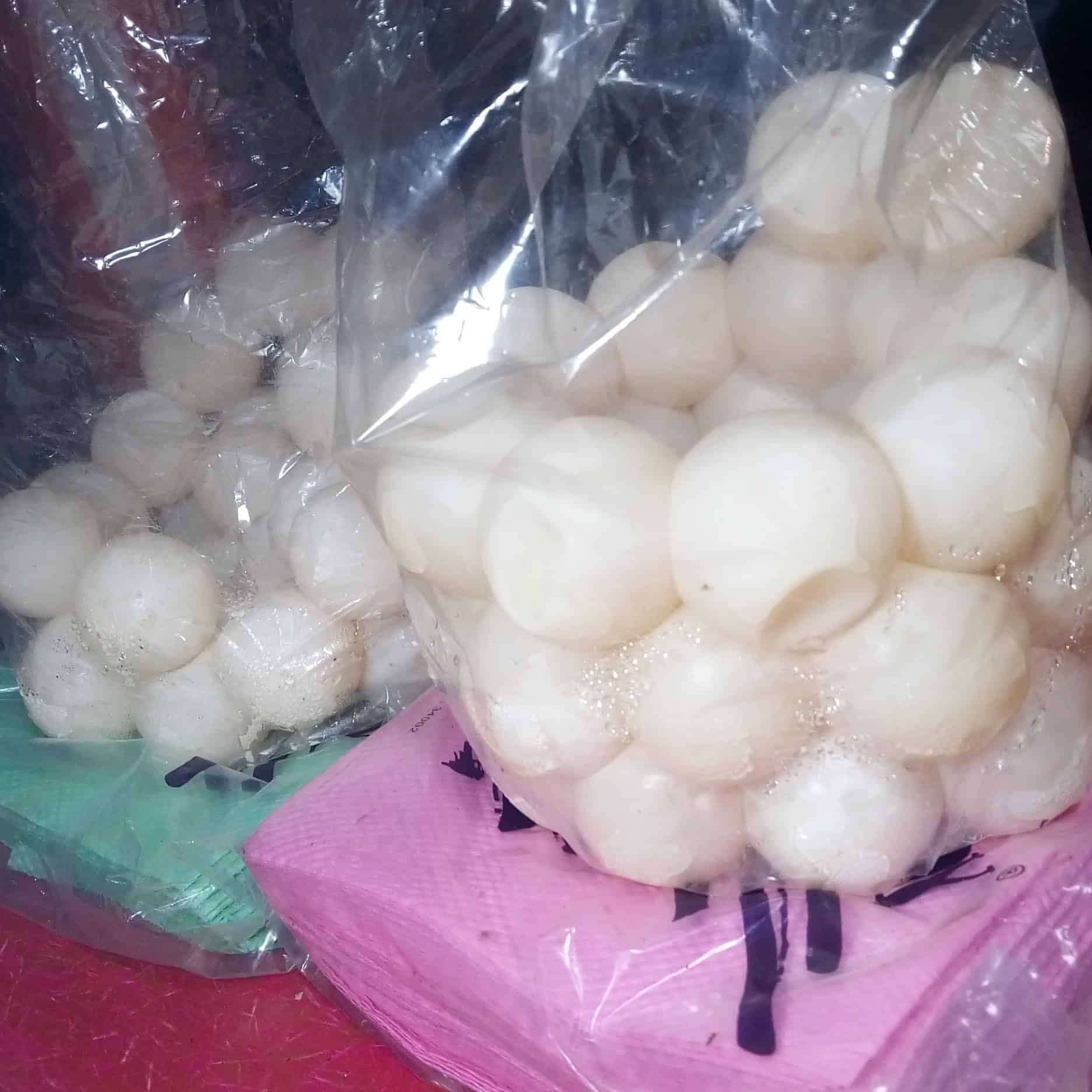
Turtle eggs are sold in markets in some regions as a traditional food source and medicinal purposes. Photo by Adela Hemelikova.
One widespread belief was that sea turtles prey on fish and reduce local fish stocks, an idea not supported by science. These misunderstandings may help explain why turtle exploitation continues even in areas where awareness of legal protection is high.
Designing Conservation Strategies That Reflect Local Realities
The findings reinforce a key message that applies across conservation work worldwide. Protecting sea turtles requires more than awareness or enforcement alone. Conservation efforts are most effective when they are community-based, culturally informed, and developed in collaboration with Indigenous and local communities, respecting traditions while addressing conservation goals.
“Protecting turtles is not just about enforcing laws, it’s about understanding the people, cultures, and beliefs involved,” says lead author Adela Hemelíková from the Czech University of Life Sciences Prague and Liberec Zoo. “By understanding the social drivers behind sea turtle use, conservation efforts can be designed to be more effective, inclusive, and sustainable over the long term.”
Based on the survey results, the researchers recommend a combination of approaches, including:
- Stronger monitoring at sea and improved bycatch mitigation
- Alternative livelihoods, such as involving fishers in turtle conservation and ecotourism
- Increased access to protein alternatives
- Identifying substitutes for turtle use in cultural, religious, and medicinal contexts
- Targeted education campaigns addressing myths, turtles’ ecological importance, and the health risks associated with consuming turtle products
This research highlights that lasting conservation success depends on understanding people as much as protecting species. By integrating local knowledge and cultural context, we can ensure sea turtles thrive while supporting the communities that share their habitats.