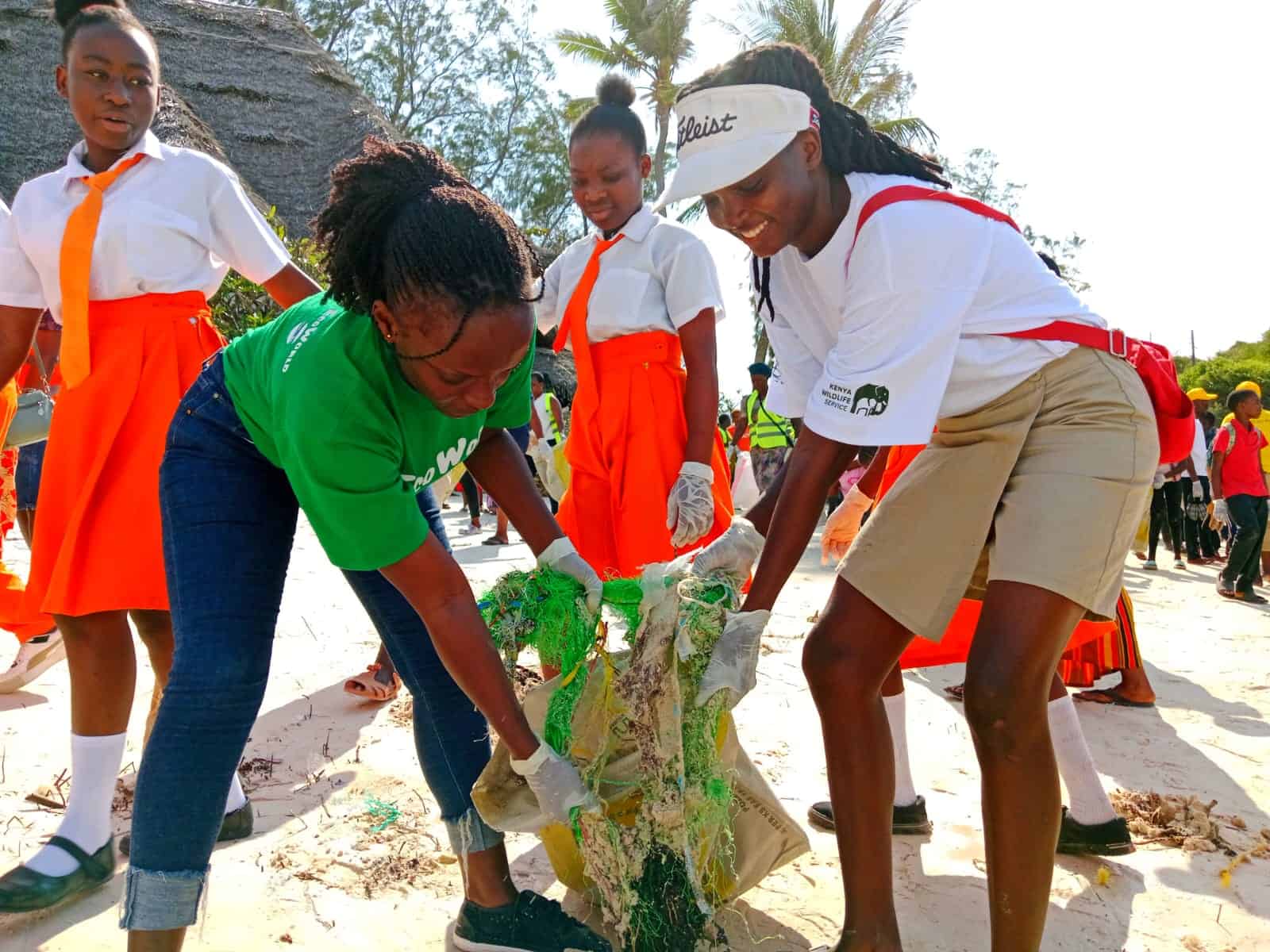
Take Action in Your Community
Plastic pollution continues to harm our oceans and waterways every day, and action can’t wait. By hosting a cleanup at your local beach, riverbank, lake shore, or waterfront, you can make a real difference where you are.
Access free tools, guides, and support from Oceanic Society to organize an effective cleanup in your local community.
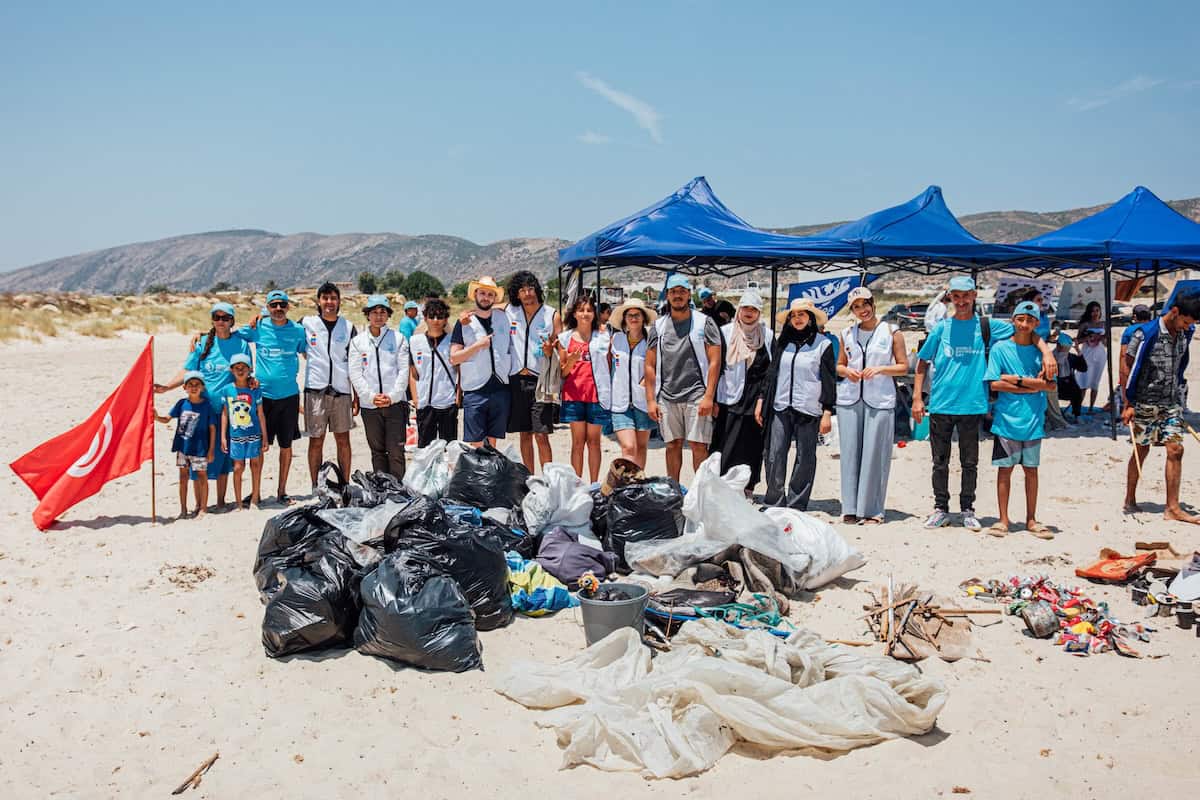
Participate in the 2026 Global Ocean Cleanup on June 13-14, 2026, and join millions of people worldwide taking action against ocean plastic pollution. Whether you join an existing event near you or organize your own, your efforts contribute to a powerful global movement.
Essential Resources for Hosting Your Local Cleanup
Access practical tools and guides designed to help individuals, community groups, and organizations host effective and impactful coastal cleanups.
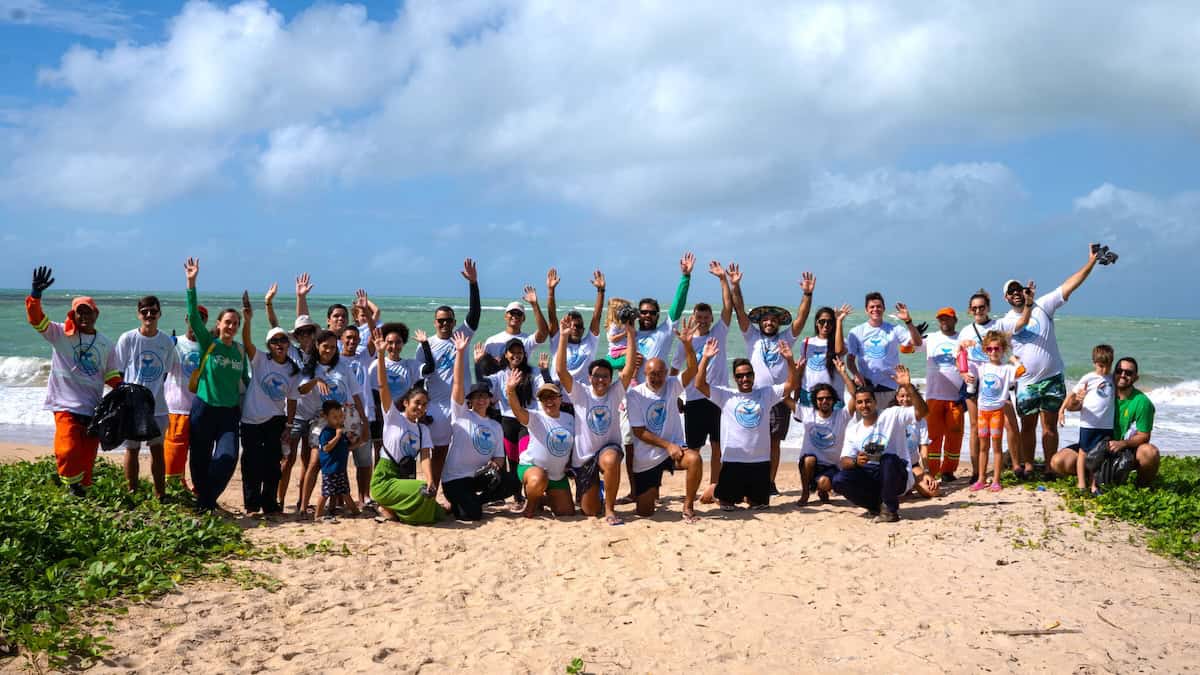
Host Your Own Local Beach Cleanup [Complete Guide]
Step-by-step advice for site selection, volunteer recruitment, safety measures, supply lists, debris sorting, and post-event reporting.
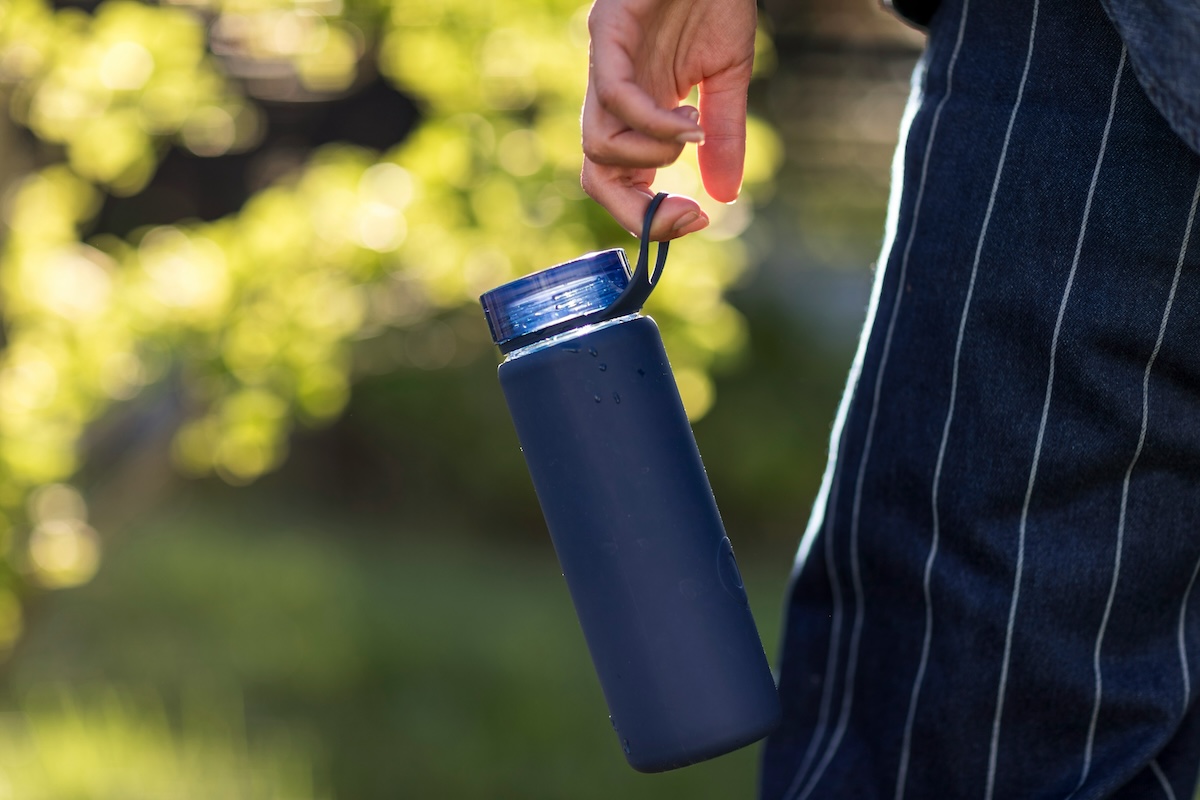
Take the 7-Day Pledge Against Plastic
A simple daily action plan to reduce personal plastic use and build momentum. Ideal preparation for leading or participating in a community cleanup event.
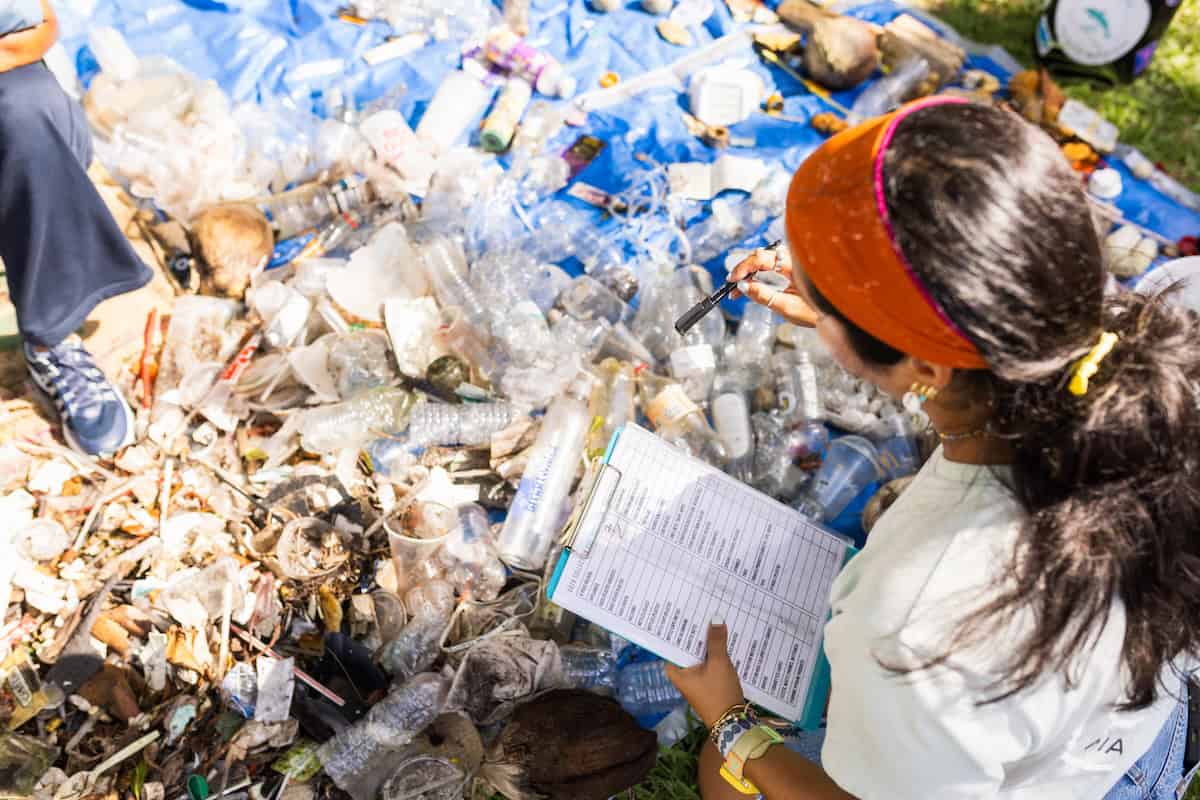
Marine Debris Data Collection Form [Free Download]
Measure the impact of your event, tracking volunteer participation, types and quantities of trash collected, identifiable brands, and overall summaries.

7 Ways to Reduce Ocean Plastic Pollution Today
Practical tips to help reduce ocean plastic by eliminating single-use plastics, recycling correctly, and supporting ocean conservation efforts
“It’s incredible to see people all over the world coming together for a single cause … protecting our oceans. Knowing that people are giving up their weekend to clean up trash is deeply inspiring. It reinforces why we do what we do and reminds us that we’re not alone in this fight.”
— Jason Flynn, Scuba Junkie / Marine Research Foundation, Malaysia
“We can do 500 cleanups like this, but the plastic is going to continue to come in… if we can change our mindset about reusables and eliminate these products completely from our lifestyles, that’s the first step and the biggest step we can take in order to have real change.”
— Danni Washington, Big Blue & You
“Our motto is that your street is your home. Just like cleaning your house, you must clean your street, your school, and your beach.”
— TunSea volunteer, Tunisia
Why Lead a Community Cleanup?
Community-led cleanups are one of the most direct, empowering ways to safeguard ocean wildlife and habitats. They foster local stewardship, deliver measurable environmental benefits, and build connections among community members.
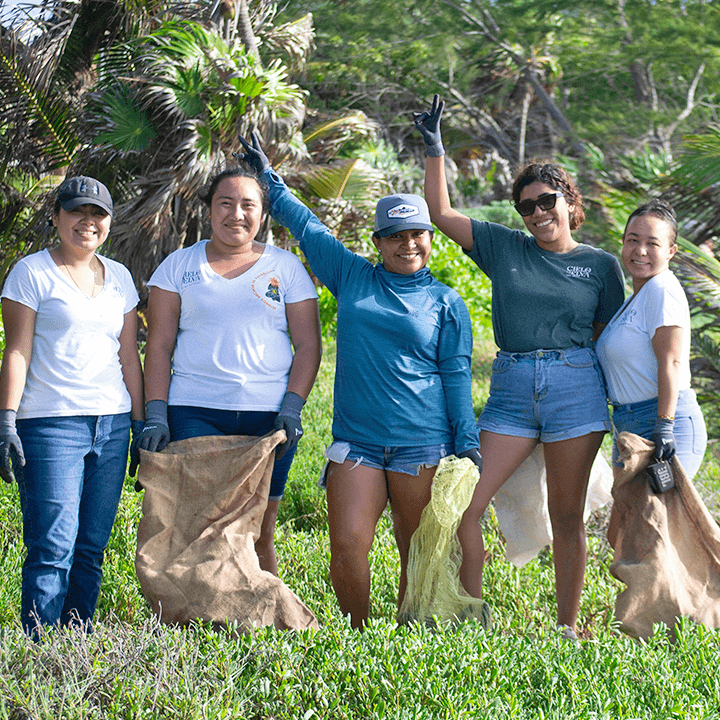
Build Community & Awareness
Bring together individuals, families, schools, and organizations. Cleanups educate participants on pollution sources and inspire long-term behavior change.
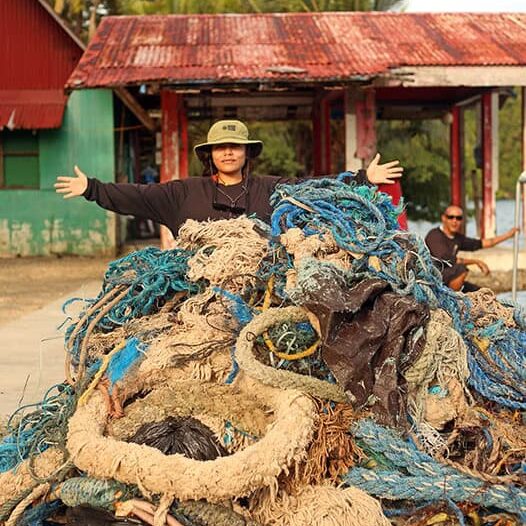
Generate Tangible Impact
Remove plastic and other waste from the environment. Track and report data that contributes to global scientific understanding and policy advocacy.
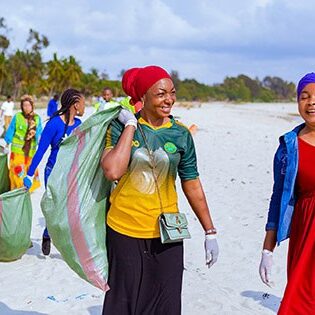
Support Local Economies
Healthy waterways sustain fishing, tourism, recreation, and coastal businesses. Your cleanup directly protects the resources that support jobs and community well-being.
Turning the Tide on Ocean Plastic Pollution
Oceanic Society works to combat the global plastic pollution crisis by engaging communities worldwide in measurable behavior change, leading campaigns like the Global Ocean Cleanup, and partnering with travelers and tourism operators to reduce single-use plastics and fund removal efforts that protect marine wildlife and coastal ecosystems.