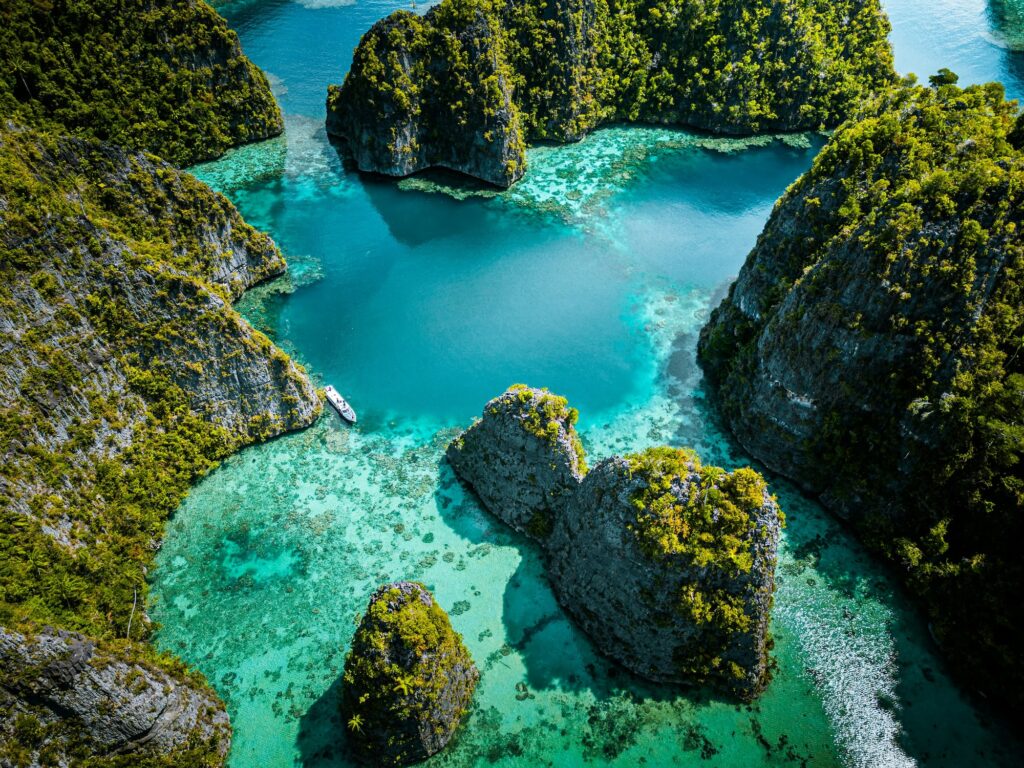
This is the first in our Expedition Impact Spotlight series, showcasing the conservation outcomes our expeditions create through partnerships with local organizations and communities.
Since 1969, Oceanic Society has been connecting people with extraordinary ocean wildlife, ecosystems, and communities—not just to experience them, but to help protect them. We strive to ensure that every trip we lead benefits the places we visit while inspiring our travelers to engage more deeply with ocean conservation. In this article, we explore some of the ways that our Indonesia expeditions benefit local ecosystems and communities, and shine a spotlight on a few of the incredible organizations and champions that we are proud to support.
Indonesia: Exceptional Biodiversity, Critical Conservation
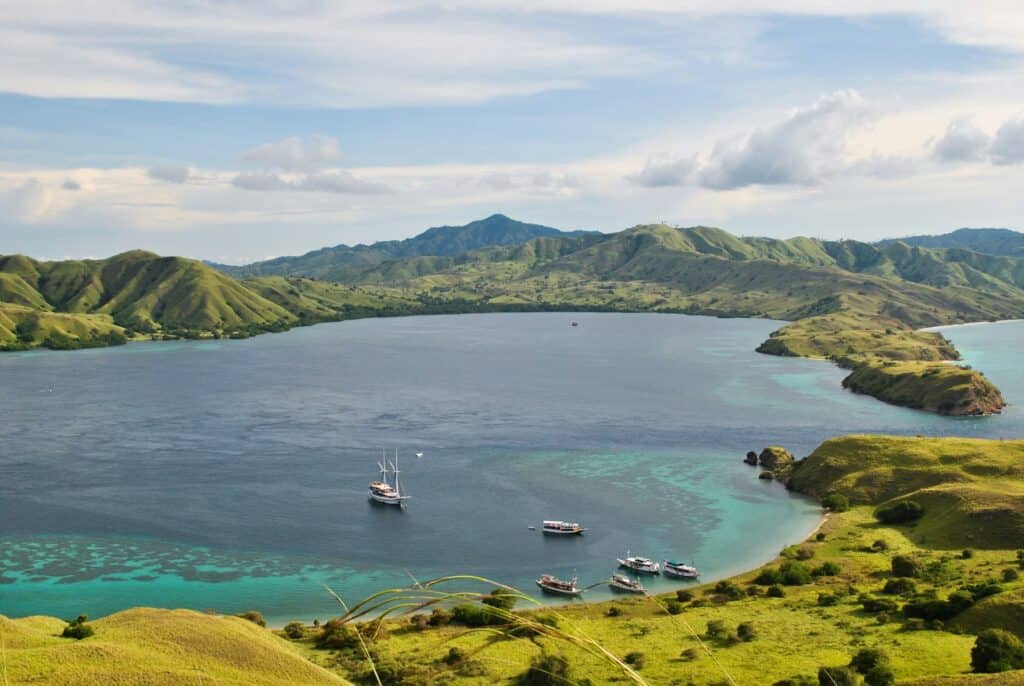
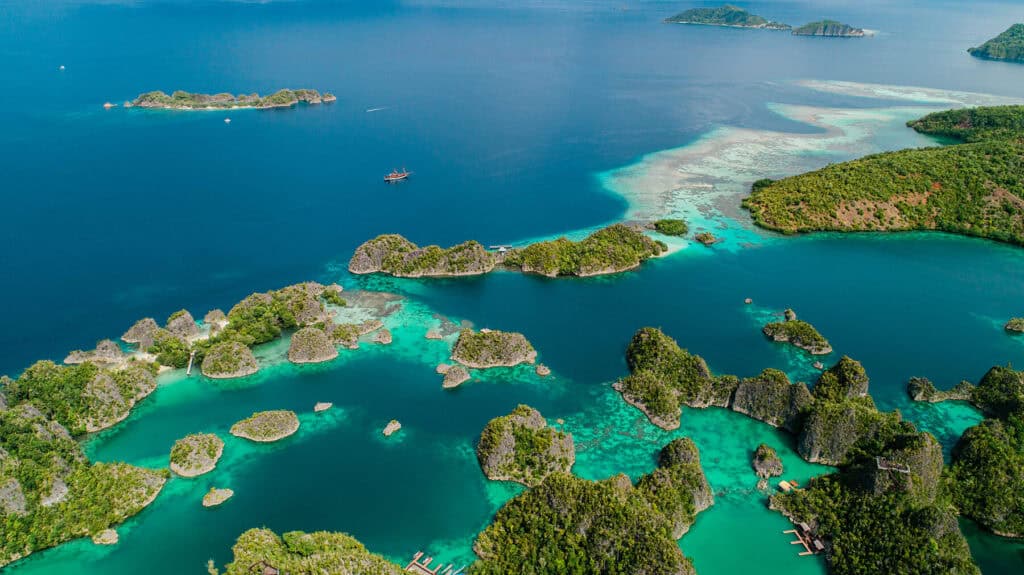
Indonesia sits at the heart of the Coral Triangle, the planet’s most biodiverse marine region spanning six countries. From Raja Ampat’s legendary reefs to the Banda Sea’s productive deep waters and Alor’s remote islands, Indonesia’s waters harbor over 75% of the world’s coral species, over 3,000 species of fish, and six of seven sea turtle species. Marine tourism can provide an important source of income and employment in Coral Triangle countries. Working with our partners, Oceanic Society expeditions in the coral triangle serve to directly connect our clients to meaningful (and much-needed) conservation actions.
Over 85% of the Coral Triangle is oceanic and deep-sea habitats (deeper than 200m), creating upwelling zones that attract sperm whales, blue whales, and many other cetaceans. This exceptional biodiversity, combined with significant conservation challenges, makes Indonesia both a bucket-list travel destination and a critical priority for conservation—exactly the kind of unique destination Oceanic Society seeks out.
Working with Local Partners & Naturalists
In every destination we visit, we strive to collaborate with organizations, businesses, and champions that are spearheading impactful conservation on the ground. In Indonesia, we have partnered with several organizations over the years, but three of these partnerships stand out as the longest-lasting and most impactful: Planet Deep, Savu South, and Damai.
Planet Deep
For over a decade, Oceanic Society has partnered with Planet Deep, a marine research and conservation organization co-founded by ecologists Benjamin Kahn and Johannes Hennicke, as a key conservation partner on our Indonesian expeditions. With more than 20 years of experience studying cetaceans throughout Indonesia, Timor Leste, Papua New Guinea, and the Solomon Islands, Planet Deep conducts research that protects whales and dolphins across the Coral Triangle. Conducting studies in these remote areas requires significant resources, particularly access to vessels, which our partnership provides. This collaboration allows Planet Deep to study critical marine habitats—migratory corridors, seamounts, submarine canyons, and upwelling zones—while travelers gain a firsthand view of cutting-edge marine research and see how it directly informs marine protected area planning and conservation policy in the regions we visit.
Savu South Alor
Since 2022, Oceanic Society has partnered with Savu South, a sustainable resort in the remote Alor Archipelago. Operated by Johannes and Liliane Hennicke and co-owned by Benjamin Kahn, Savu South serves as our home base in Alor and demonstrates an exemplary commitment to sustainable resort operations. The resort runs entirely on solar power, produces its own drinking water from deep wells, and grows organic produce using permaculture. The staff of over 30 local Alorians receive competitive wages, professional development, and English instruction. Sustainability is embedded throughout, from reclaimed wood construction to biodegradable guest toiletries.

Savu South in Alor: an eco-resort at the water’s edge, blending sustainable design with stunning marine surroundings © Savu South
Damai Liveaboards
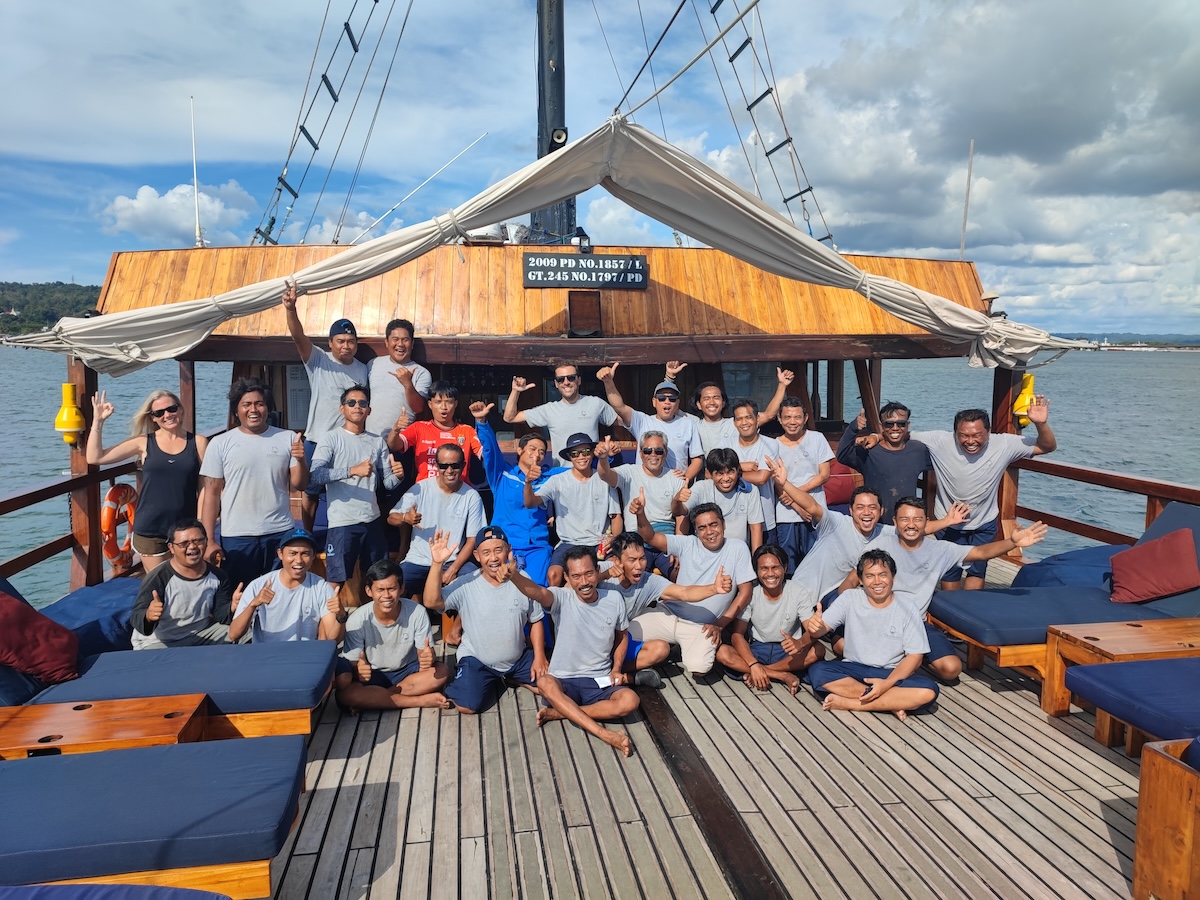
The Damai liveaboard crew smiles for a group photo as they sail through the stunning waters of Raja Ampat on an Oceanic Society expedition.
Since 2015, Damai has been our trusted liveaboard partner for expeditions throughout Indonesia. Their traditionally built vessels, crafted by master boat builders in South Sulawesi, serve as the platform that makes Planet Deep’s research in remote areas possible, while also providing an exceptional travel experience for our guests. Through our partnership, Damai supports Oceanic Society’s Expedition Impact Program, helping sustain their operations and enabling the conservation and research initiatives conducted aboard their vessels throughout the region.
Local Naturalists
Our expeditions are guided by experienced local naturalists who offer a deep understanding of marine life, community, and conservation challenges. Dalton Ambat, our long-time Indonesian partner with whom we have worked for over a decade, exemplifies this role. Dalton leads guests through vibrant reefs, interprets wildlife behavior in real time, and connects travelers with community-led conservation initiatives. Our naturalists serve as essential bridges between travelers, wildlife, and the communities working to protect them, ensuring meaningful experiences and lasting conservation impact in every destination we visit.
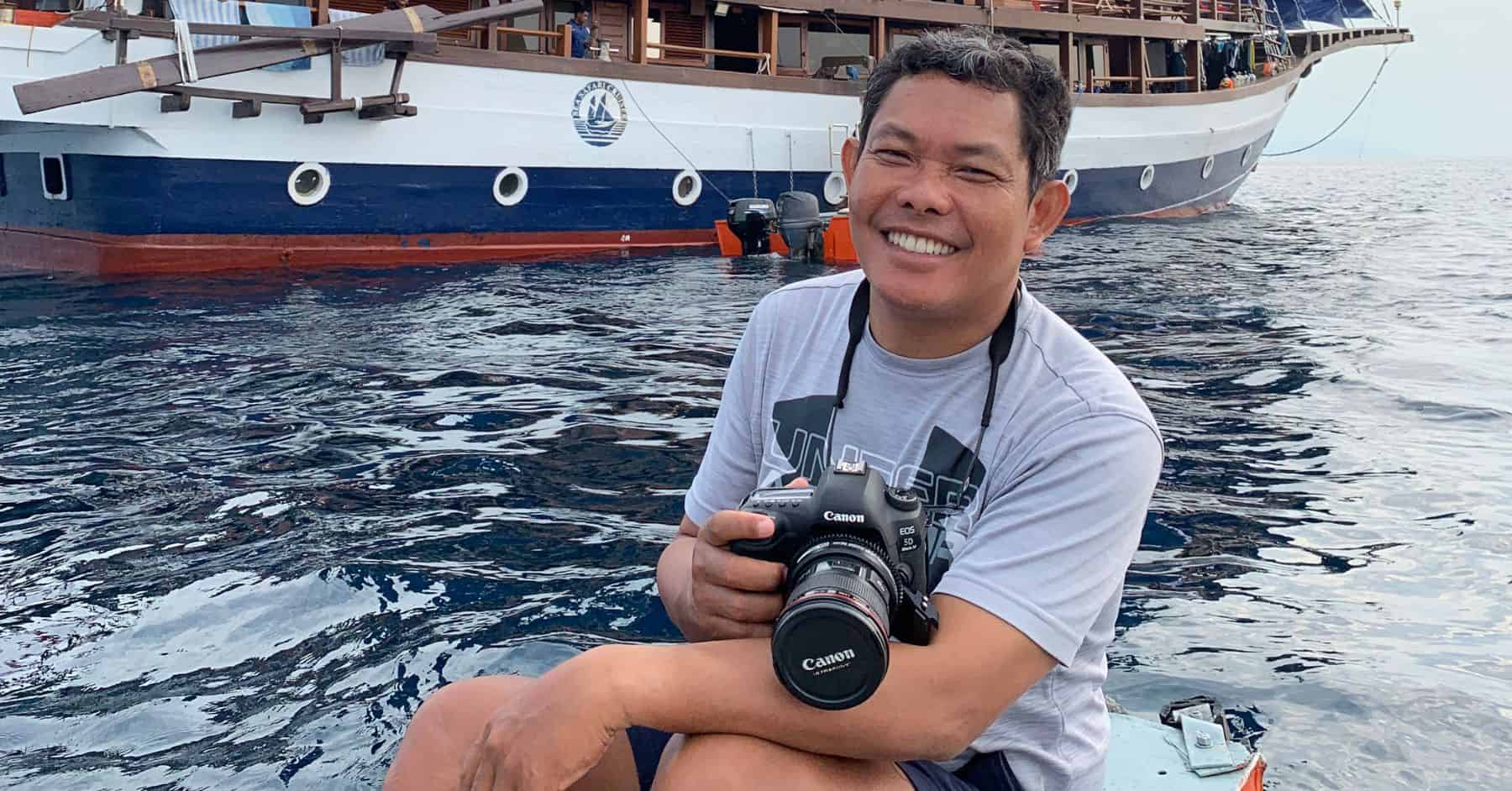
Naturalist Dalton Ambat pauses for a portrait on a dinghy beside a classic pinisi schooner, his Canon camera at the ready to document vibrant reefs and wildlife. © Pei Lun Lee
Our Conservation Travel Model in Action
Our expeditions in Indonesia exemplify Oceanic Society’s integrated approach to conservation through responsible travel:
Connecting People to Nature
Our expeditions immerse travelers in bucket-list Coral Triangle ocean environments—snorkeling vibrant reef systems, observing whales in close proximity, exploring dramatic underwater walls, and encountering an abundance of marine life from reef fish to pelagic species. These meaningful experiences provide a direct connection with the species, ecosystems, and communities that benefit most from conservation efforts. Our expert naturalists assure an educational and unforgettable travel experience.
“Seeing healthy and vibrant living coral reefs teeming with life and fish made me hopeful for the rest of the planet’s oceans. Being with great people (the guides, the guests, the crew) who appreciated and valued what we were seeing and experiencing made me feel better about the world and its future.” – Raja Ampat Expedition Traveler
Funding Ocean Conservation in Indonesia
For every booking made with Oceanic Society, we contribute to our Expeditions Impact Program, supporting ocean conservation across three pillars:
- Plastic Pollution—we fund the removal of 200 lbs of plastic from the ocean for every booking.
- Coral Restoration (coming in 2026!)—we fund coral restoration efforts led by local organizations in key geographies.
- Conservation Grants—we provide impactful grants to support conservation and community development in the places we visit.
Recent Conservation Grants in Indonesia
- Thresher Shark Research: In 2022, we supported an acoustic monitoring program for pelagic thresher sharks in collaboration with Thresher Shark Indonesia. Alor is one of the few places where these globally endangered sharks regularly visit shallow waters, but local fishing has caused an 80% population decline over the past decade. The tagging provides critical data about habitat use and behavior—enabling local authorities to develop protective policies and improve Indonesia’s national shark management strategy.

Oceanic Society travelers pose with local community members and their thresher shark weavings in Alor. Conservationists are working with local residents to establish tourist-oriented businesses that provide livelihood alternatives to fishing.
- Whale Corridor Mapping: In 2023, we supported Planet Deep to conduct deep-water whale surveys in the Solomon Islands’ narrow, deep passages—critical migratory corridors for cetaceans moving through the eastern Coral Triangle. Using directional hydrophones and dedicated observation time aboard expedition vessels, researchers documented whale hotspots and their overlap with shipping lanes and proposed development projects. The grant also funded hands-on training, boosting local skills and capacity for whale management, survey methods, and marine spatial planning in one of the least-studied regions of the Coral Triangle and South Pacific.
- Plastic Pollution Reduction & Community Development: In 2025, we expanded Savu South’s reusable ice cube initiative for local fishermen (see Plastic Pollution Offsets above). Fishermen traditionally purchase ice in single-use plastic bags that are discarded directly into the ocean, generating significant plastic waste in the region. Since August 2024, Savu South has been providing fishermen with free ice cubes made in reusable silicone molds using renewable energy. Each of the 40 cubes (2.5 kg) provided twice weekly replaces 2.5 plastic sleeves—successfully diverting over 10,000 bags since launch. The program has also built community relationships that led to voluntary protection of the Savu South house reef, creating a de facto marine reserve.
Supporting Ocean-Friendly Economies
Beyond the funds we provide through our Expeditions Impact Program, Oceanic Society expeditions in Indonesia support the development of a local economy that values ocean conservation in a variety of ways:
- Conservation management & applied research: A portion of our trip fees support Planet Deep’s work to study cetaceans, collect data that informs the establishment, management, and expansion of marine protected areas, and develop and implement responsible tourism practices. A major recent accomplishment of Planet Deep: formalizing codes of conduct and best practices for responsible cetacean-tourism interactions in the Alor Islands Marine Park. After leading regional workshops with government officials, nonprofits, and industry stakeholders, many operators are now voluntarily adopting these standards, with Planet Deep pursuing official government adoption in Alor and introducing the framework in neighboring Timor-Leste.
- Marine protected areas: Marine park fees paid by our travelers directly support the ongoing management of protected areas like Pantar Strait Marine Park in Alor, Komodo National Park, and Raja Ampat Protected Area.
- Local communities & economies: By bringing our travelers to Savu South, we support their continued sustainable operations and employment of local staff in Alor. In Raja Ampat, we have supported local communities that conserve birds-of-paradise and supplied school children with needed school supplies, building materials, and sports equipment. In the Solomon Islands, our expeditions have provided Water tanks, school supplies, and sports equipment to remote island communities. Throughout our expedition destinations across Indonesia and nearby regions—from Alor to Raja Ampat to the Banda Sea and Solomon Islands—our trips create economic opportunities for local guides, boat operators, and community partners while reinforcing the value of marine conservation.
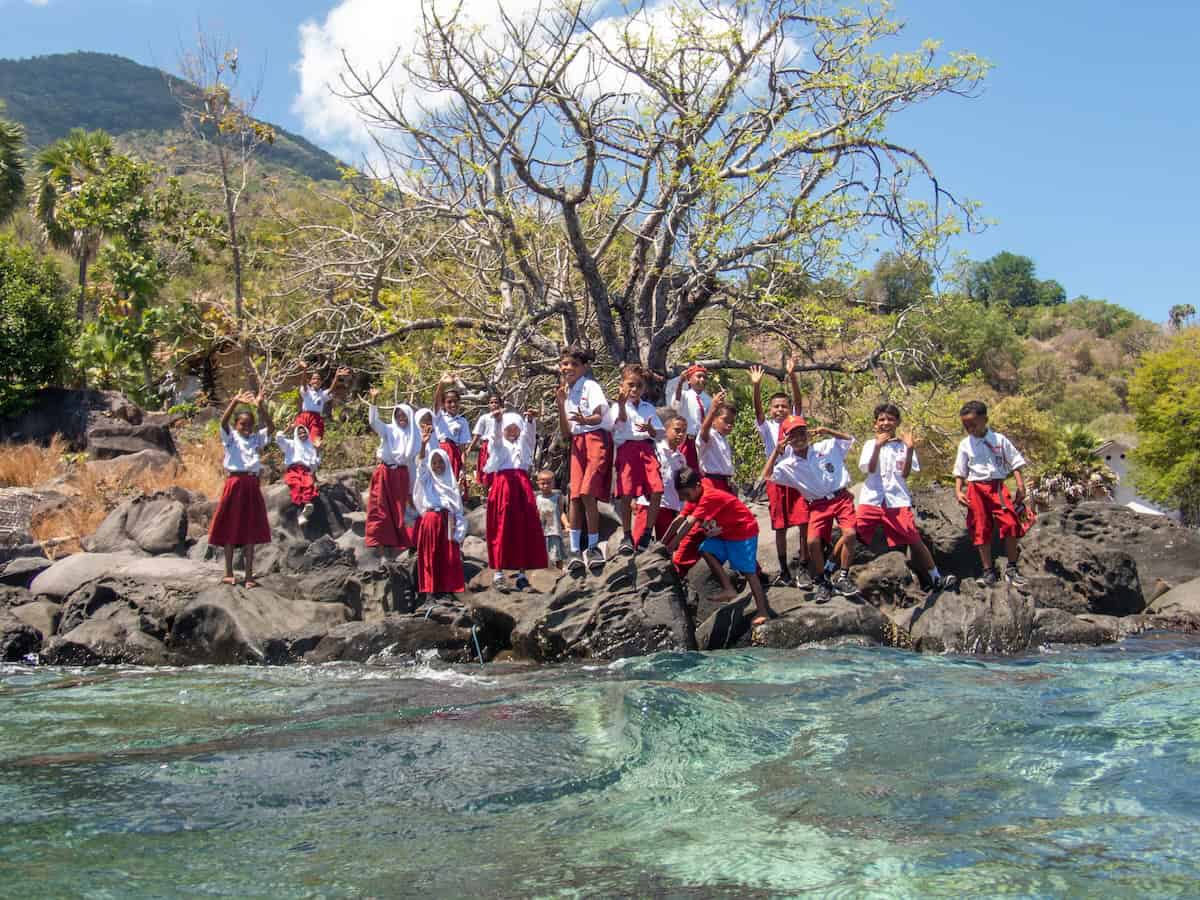
Alor’s future ocean guardians greet our snorkelers with smiles and waves along the water’s edge. ©Lindsay Mosher
Engaging Travelers as Conservationists
Our September 2025 Alor expedition marked a milestone: travelers joined local Trash Hero volunteers for a drainage cleanup at Tanjung Matap on International Coastal Cleanup Day. They helped remove accumulated ocean-bound plastic before the rainy season and worked alongside community members, witnessing the challenges of local waste management without formal infrastructure, and observing the contribution of their expedition and support firsthand.
Travelers on our Indonesian expeditions also:
- Contribute to long-term monitoring efforts by collecting cetacean sighting and resource use data, and documenting plastic pollution that overlaps with cetacean habitats.
- Learn about local conservation efforts and marine protected area design.
- Connect with local fishermen, artisanal Ikat weavers, and local nonprofits and volunteers.
- Experience sustainable operations firsthand—from solar power to organic farming.
Our expeditions and partnerships in Indonesia demonstrate what’s possible when passionate travelers connect with strong local leaders on the frontlines of ocean conservation. It’s what Oceanic Society has pioneered for over 50 years—connecting people deeply with nature while funding the science and community initiatives that protect the places we visit.
Explore Indonesia and Support Conservation
Discover Indonesia’s vibrant coral reefs and legendary islands while supporting ocean conservation through thoughtfully designed liveaboard and resort-based expeditions.