Skip to content
Oceanic Society
  • About
    • Our Team
    • Oceanic Society Magazine
    • Our History
    • Contact
  • Our Work
    • Sea Turtle Conservation
    • Access to Nature
    • Expedition Impact
    • Global Ocean Cleanup
    • Behavior Change
    • Learn & Take Action
  • Take A Trip
    • Browse Trips
    • Snorkeling Trips
    • Wildlife Trips
    • Family Trips
    • Volunteer Trips
    • Custom & Private Trips
    • About Our Trips
  • Whale Watching
    • Farallon Islands Whale Watching
    • Private Charters
  • Adopt
    • Adopt a Dolphin
    • Adopt a Whale
    • Adopt a Sea Turtle
    • Adopt an Albatross
  • Donate
    • Ways to Give
    • Become a Member of Oceanic Society
    • Donate Crypto
    • Shop
  • About
  • Magazine
  • Contact
Oceanic Society
  • About
    • Our Team
    • Oceanic Society Magazine
    • Our History
    • Contact
  • Our Work
    • Sea Turtle Conservation
    • Access to Nature
    • Expedition Impact
    • Global Ocean Cleanup
    • Behavior Change
    • Learn & Take Action
  • Take A Trip
    • Browse Trips
    • Snorkeling Trips
    • Wildlife Trips
    • Family Trips
    • Volunteer Trips
    • Custom & Private Trips
    • About Our Trips
  • Whale Watching
    • Farallon Islands Whale Watching
    • Private Charters
  • Adopt
    • Adopt a Dolphin
    • Adopt a Whale
    • Adopt a Sea Turtle
    • Adopt an Albatross
  • Donate
    • Ways to Give
    • Become a Member of Oceanic Society
    • Donate Crypto
    • Shop

Update from Panama: Just Keep Swimming

Home / Blog / Update from Panama: Just Keep Swimming

May 20, 2014 • News Announcements

Share This


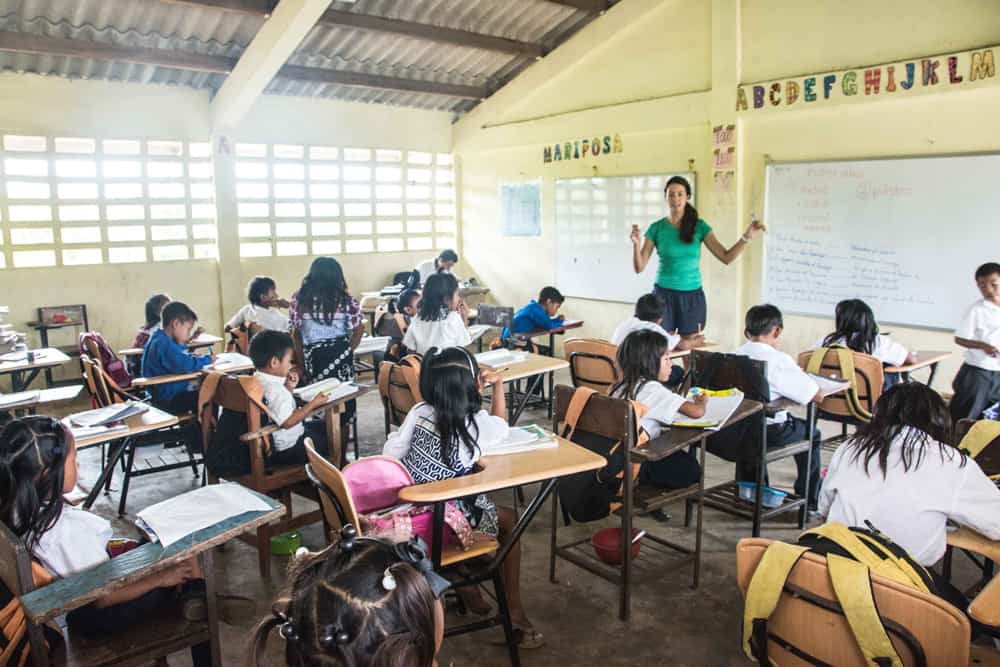
Amanda Gibson teaches students about biodegradability in Armila. © Morrison Mast

Things are really rolling in my work with Armila’s public schools. I have begun teaching environmental science labs for each of grades 3-9, and helping out with English classes as well. So far, we’ve talked about ecosystems, food chains, and population pressure, with a little help from an evening screening of “Finding Nemo” during our discussion on marine ecosystems. Jokes about the dentist’s office didn’t quite translate, but everyone laughed when Marlin got pushed or smacked or chased by sharks (apparently slapstick humor is universal). People of all ages filled the town square to watch.

In the classroom this week, we are working on the concept of decomposition, the first step towards talking about trash management. For many community members, the story of trash ends when it is brought to the ocean, ‘great recycler,’ which they say turns everything to sand.

To tell the story of trash in a hands-on way, our experiment involves identifying different types of materials—organic, plastic, metal—and putting an example of each in a bottle of saltwater (our ‘ocean’). As the weeks go by, we are tracking the changes in each material.

“A hypothesis is an educated guess; what we think will happen. What do you think will happen to our materials?” I asked my fourth grade class.
“The flower will turn brown.”

“And the plastic?”

“It’s not going to change.”

So far, we’ve seen a penny oxidize, a flower decompose, and a plastic wrapper stay exactly the same. About fifty percent of my fifth grade students were surprised to see that a thin plastic wrapper didn’t change color. And the fact that plastic, a universal material, cannot readily re-enter our natural system is a surprising thing.

The environmental education goes both ways, however. Nothing has been as educational as seeing the plastic bags and bottles that held the lentils, rice, dried fruit, cookies, sunscreen, medicine, and other things I consume slowly accumulate. Without a magical trash bin, these products stay and stare at me from the corner of my kitchen. And even though I’ll be using this plastic to make the cement floor of an eco-cabin, the reality of non-recyclable items has set in. I’ll definitely make big changes to my lifestyle when I get back. For now, Armila is teaching me lessons about my own plastic addiction.
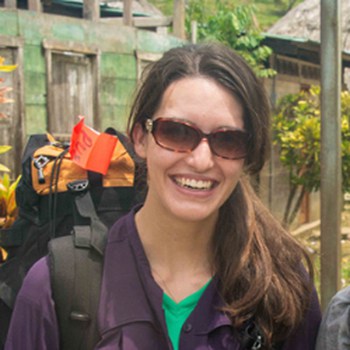
Amanda Gibson

Amanda Gibson was an Oceanic Society fellow living and working in the Guna Indian community of Panama in 2013-2014.

Join our community.

Latest Posts

Rebuilding Coral Reefs in Indonesia with the Coral Triangle Center

Read More about Rebuilding Coral Reefs in Indonesia with the Coral Triangle Center

A Heart Anchored in the Turquoise Waters of Palau

Read More about A Heart Anchored in the Turquoise Waters of Palau

The Long Road of Green Sea Turtle Recovery

Read More about The Long Road of Green Sea Turtle Recovery

From the Field: Guiding Safaris and Protecting Kenya’s Wildlife and Coasts

Read More about From the Field: Guiding Safaris and Protecting Kenya’s Wildlife and Coasts

Check Out Our Amazing Trips

See All Trips

Wakatobi & Komodo Liveaboard: Snorkeling Indonesia’s National Parks

See Trip →

Baja: Sea of Cortez Snorkeling Liveaboard

See Trip →

Snorkel the Coral Triangle: Sulawesi, Halmahera & Raja Ampat

See Trip →
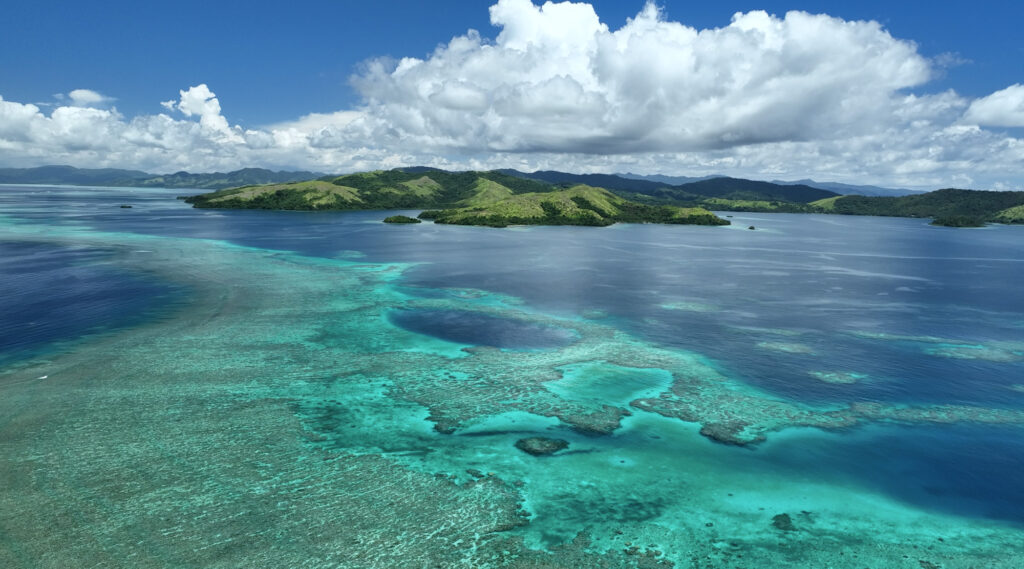
Aerial view of Rainbow Reef clear waters and mountains in Fiji

Fiji’s Rainbow Reef: Snorkeling & Conservation Expedition

See Trip →

Antarctica Expedition Cruise: The Spirit of Antarctica

See Trip →

Join our community.

Adventure awaits.

Request a Catalog
Become a Member

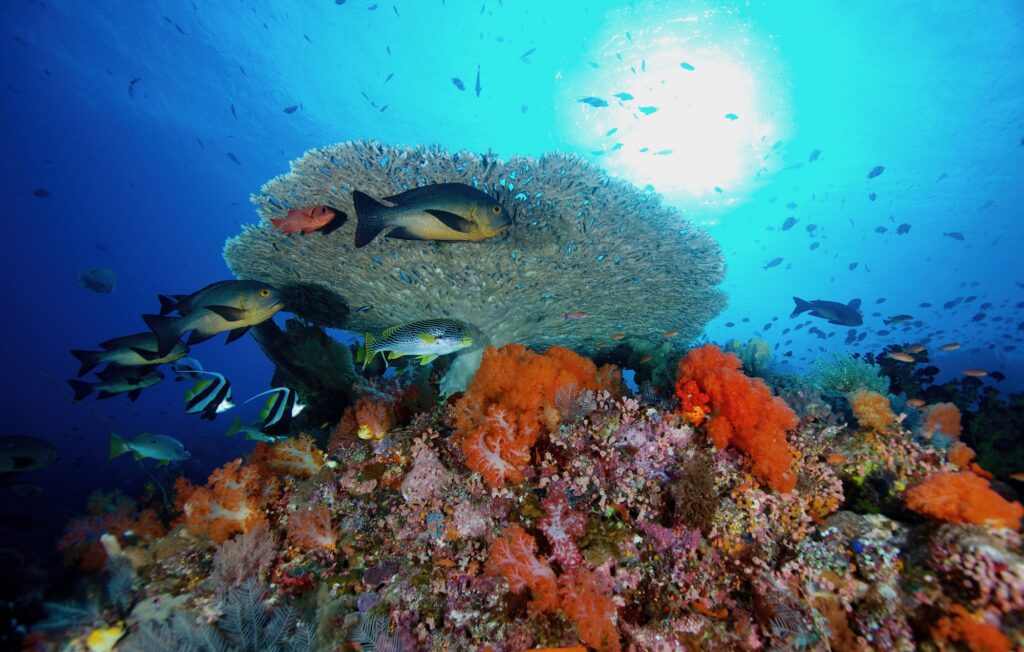
© François Baelen / Coral Reef Image Bank

Contact

Oceanic Society
P.O. Box 844
Ross, CA 94957

Whale Watching
1-415-256-9604

Expeditions & General Inquiries
1-800-326-7491

Office Hours

CA Office

Mon-Fri: 8AM–3PM
(PDT/PST)

DC Office

Mon-Fri: 9AM–5PM
(EDT/EST)

Navigate

  • Our Work
  • Take A Trip
  • Whale Watching
  • Adopt
  • Donate
  • Shop
  • About
  • Oceanic Society Magazine
  • Contact

Legal

  • Terms of Use
  • Privacy Policy
  • Accessibility Statement
  • Sitemap
footer-logo

© 2026 Oceanic Society. The Oceanic Society is a registered organization. Our Federal Tax ID is 94-3105570.

Website by Yoko Co

Scroll To Top
By continuing to browse the site you are agreeing to our use of cookies and similar tracking technologies described in our privacy policy.