
We’re strengthening local sea turtle conservation, globally.
Sea turtles have survived on Earth for more than 100 million years, yet today their future is at stake. Five of the seven sea turtle species are still threatened with extinction due to human impacts, and the work to protect them is far from over.
The good news is that global conservation efforts are making a real difference, and many populations that were once in serious decline are now recovering. Oceanic Society leads the only global sea turtle conservation program of its kind, working to make sure that progress continues.
The Threats Sea Turtles Face
Sea turtles are resilient, but they face real and ongoing threats. All caused by people, all solvable.
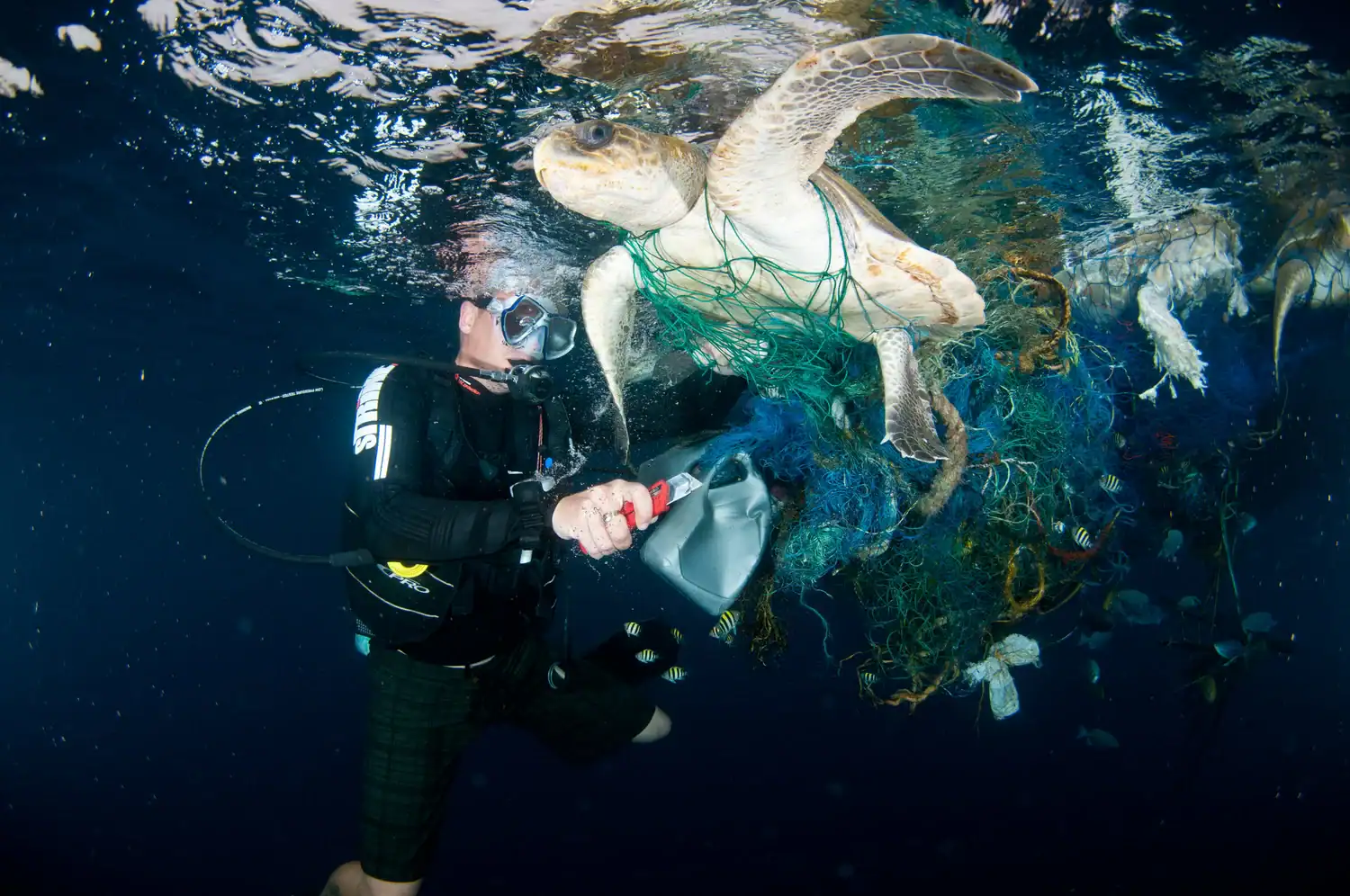
- Fisheries bycatch: Accidental capture in fishing gear is considered the greatest single threat to sea turtle populations worldwide. Millions of sea turtles have been unintentionally caught since 1990. Watch our short film about sea turtle bycatch.
- Plastic pollution and ocean contaminants: Plastic debris, oil spills, and chemical runoff all impact sea turtles. Scientists estimate that more than half of all sea turtles have eaten plastic. Learn more about sea turtles and plastic pollution.
- Coastal development: Development near sea turtle nesting and breeding areas and associated light pollution, boat traffic, and physical disturbance, can disrupt mating, nesting, and hatching in ways that add up over time.
- Direct take: Sea turtles and their eggs are still harvested both legally and illegally in many parts of the world for food, trade, and tortoiseshell.
- Climate change: Warming temperatures, rising seas and more frequent storms erode and inundate nesting habitat and alter natural sex ratios, which are determined by nest incubation temperature.
Our Sea Turtle Conservation Programs
The State of the World’s Sea Turtles (SWOT) Program
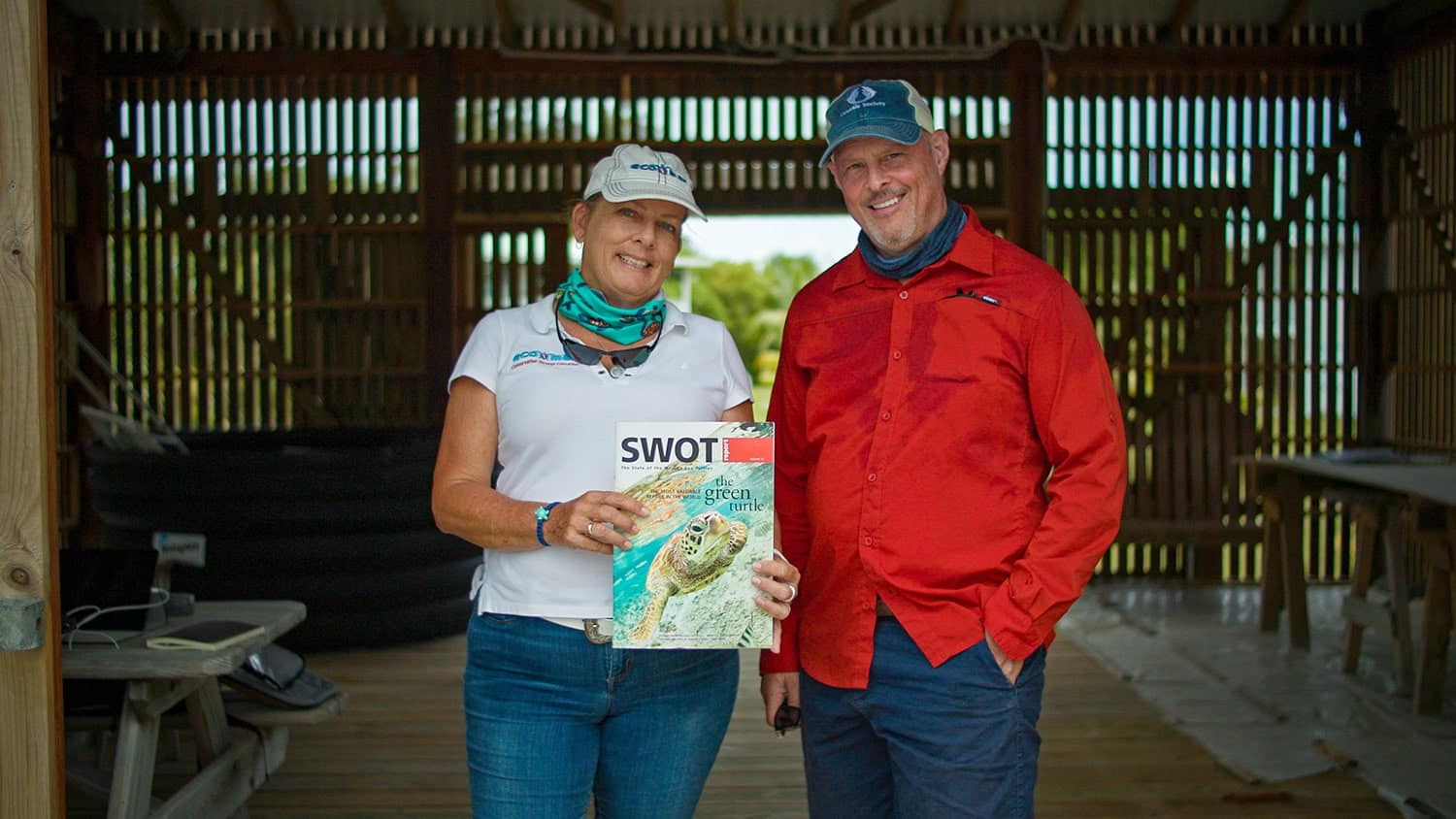
For more than two decades, Oceanic Society's State of the World's Sea Turtles (SWOT) Program has been one of the world's most influential sea turtle conservation initiatives.
SWOT brings together a global network of researchers and conservationists to compile and share the most comprehensive global sea turtle data, informing conservation decisions from the local nesting beaches to international policy.
This work powers the open-access SWOT database, and the annual SWOT Report, an award-winning global publication that supports education, advocacy, and conservation efforts worldwide.
By connecting science, people, and storytelling, SWOT helps turn knowledge into measurable conservation impact.
Explore the latest report, maps, and global data at www.seaturtlestatus.org.
Sea Turtle Conservation Grants
Through our sea turtle conservation grants, Oceanic Society funds frontline conservation projects in high-priority areas worldwide, supporting efforts to protect nesting beaches, reduce fisheries bycatch, fill key data gaps, and strengthen community-based conservation.
Since 2006, we have awarded more than 200 grants to 150+ partners in nearly 60 countries and territories, supporting conservation efforts that target the most threatened sea turtle populations on Earth.
By investing directly in local partners, we help turn global priorities into lasting on-the-ground impact. Explore our past grant recipients or learn how to apply at https://www.seaturtlestatus.org/grants.
Behavior Change for Sea Turtle Conservation
All the threats that endanger sea turtles are the result of human behavior. Changing the way people behave is essential to effective long-term conservation, and yet this area of conservation is often overlooked.
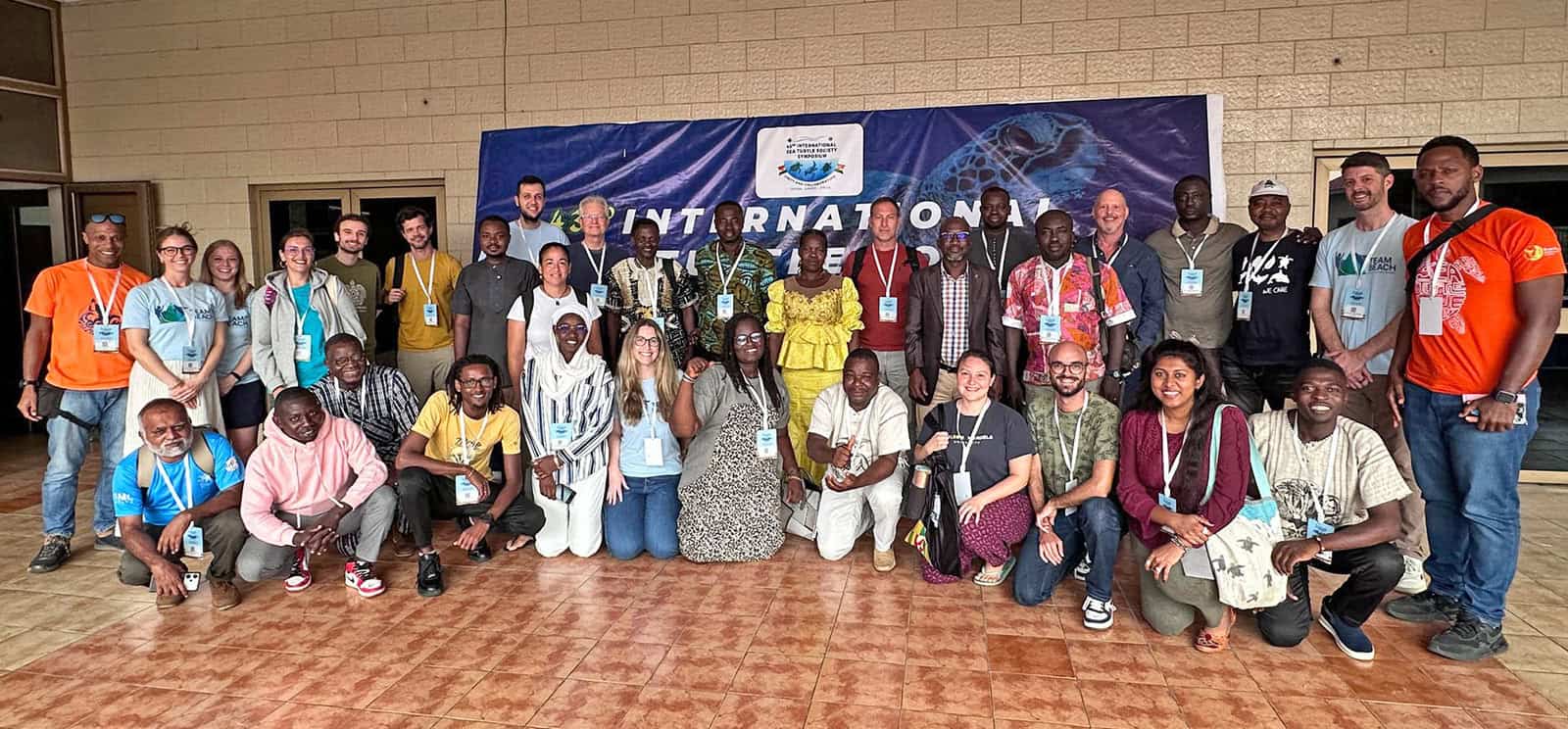
Team BEACH (BE A CHangemaker) equips conservationists with the knowledge and tools they need to be more effective at engaging people in sea turtle conservation. In partnership with Human Nature Group, we lead hands-on training workshops and foster global collaborations that help conservationists learn to design more effective strategies to reduce threats like plastic pollution, harmful fishing practices, and habitat disturbance.
By focusing on what actually drives human decision-making, not simply 'raising awareness,' Team BEACH helps create more durable and impactful conservation outcomes. Learn more about Team BEACH.

Saving Sea Turtles Is Saving the Oceans
The same issues that threaten sea turtles, like unsustainable fishing, plastic pollution, habitat loss, and climate change, are the same issues that threaten the health of the entire ocean. Investing in sea turtles is, in effect, investing in the ocean as a whole.
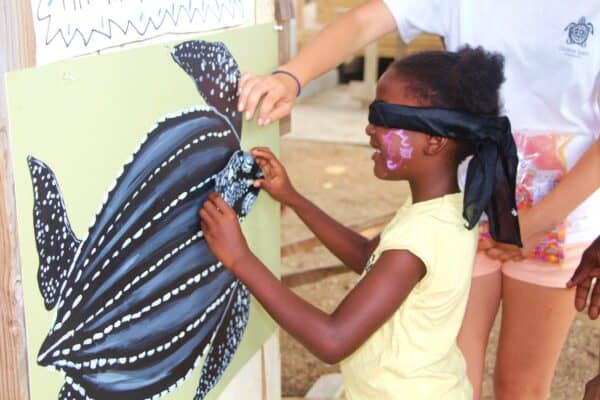
Sea turtles are not only powerful indicators of ocean health, but they are also charismatic and culturally important icons that engage people in conservation in ways that few other species can.
Adopt A Sea Turtle
A sea turtle adoption from Oceanic Society makes a meaningful gift for someone you love, or for yourself! Your adoption directly supports our global sea turtle conservation programs, helping fund the conservation efforts that need it most.
Support Sea Turtle Conservation Worldwide
With your donation to Oceanic Society's sea turtle programs, you help provide tools, resources, and support to our network of thousands of sea turtle conservationists worldwide.