Every year, our oceans absorb something they were never meant to hold: millions of tons of plastic. It collects in mangroves, smothers coral reefs, entangles sea turtles, and washes ashore on some of the most biodiverse coastlines on the planet. Cleaning it up takes more than willpower. It takes organized, community-rooted action, trusted local relationships, and the kind of expertise that only comes from years of showing up.
That’s the foundation of the Global Ocean Cleanup.
About the Global Ocean Cleanup
Now in its fifth year, the Global Ocean Cleanup is Oceanic Society’s annual campaign to fight ocean plastic pollution through coordinated, community-based action around the world. Held in partnership with SEE Turtles and Sea Turtle Week, the campaign combines beach and coastal cleanups with art, storytelling, and science-based behavior change to tackle the plastic pollution crisis at its source: our communities.
Since the campaign launched in 2022, we’ve led, funded, or facilitated 169 cleanups covering 140 miles of ocean and coastline. More than 7,725 volunteers have removed 133 tons of waste from habitats worldwide, and our storytelling has reached an estimated 22.5 million people with science-backed messaging about plastic pollution. Each year, the campaign grows: in reach, in partners, and in impact.
The 2026 Global Ocean Cleanup takes place on June 13–14, 2026, made possible through the generous support of exclusive presenting sponsor Planet Oat Oatmilk.

How Partners Are Selected
The Global Ocean Cleanup is a grant-funded program. Each year, Oceanic Society opens applications to organizations around the world, inviting them to apply for funding to support a coastal or ocean cleanup event. Applicants are evaluated on a competitive basis. We look for groups working in ecologically significant and heavily impacted habitats, with strong ties to their local communities and a thoughtful plan for engaging volunteers, handling collected materials responsibly, and creating lasting behavior change beyond the cleanup day itself.
Selected partners receive grant funding to execute their cleanup events, along with the opportunity to participate in our annual Marine Debris Art Competition, where collected waste is transformed into original artwork and judged by a panel of artists and conservationists, with the chance to earn additional funding for their organization.
This year, we’re proud to announce 14 funded partner organizations across 14 countries on 5 continents. Each one represents a community that rose to the challenge, not just to clean a beach, but to protect the ecosystems, wildlife, and livelihoods that depend on a healthy ocean.
The 2026 Global Ocean Cleanup Partners
Limpiemos Yucatán Fundación GMA
Yucatan Peninsula, Mexico
Since 2019, Limpiemos Yucatan Fundacion GMA has built one of Mexico’s most effective grassroots environmental networks, removing over 113 tons of waste with 20,000 volunteers along the Yucatan Peninsula’s stunning coast. For the 2026 Global Ocean Cleanup, the organization will focus on a critical biodiversity corridor stretching from Celestún to El Cuyo — coastal mangroves and beaches across the communities of Chicxulub, Telchac, and San Crisanto that support nesting sea turtles and flamingo habitat. What makes their model especially powerful is their “Marea Circular” program, which exchanges collected waste for essential groceries, creating a direct economic incentive for community participation and turning a single cleanup day into an ongoing cycle of stewardship.
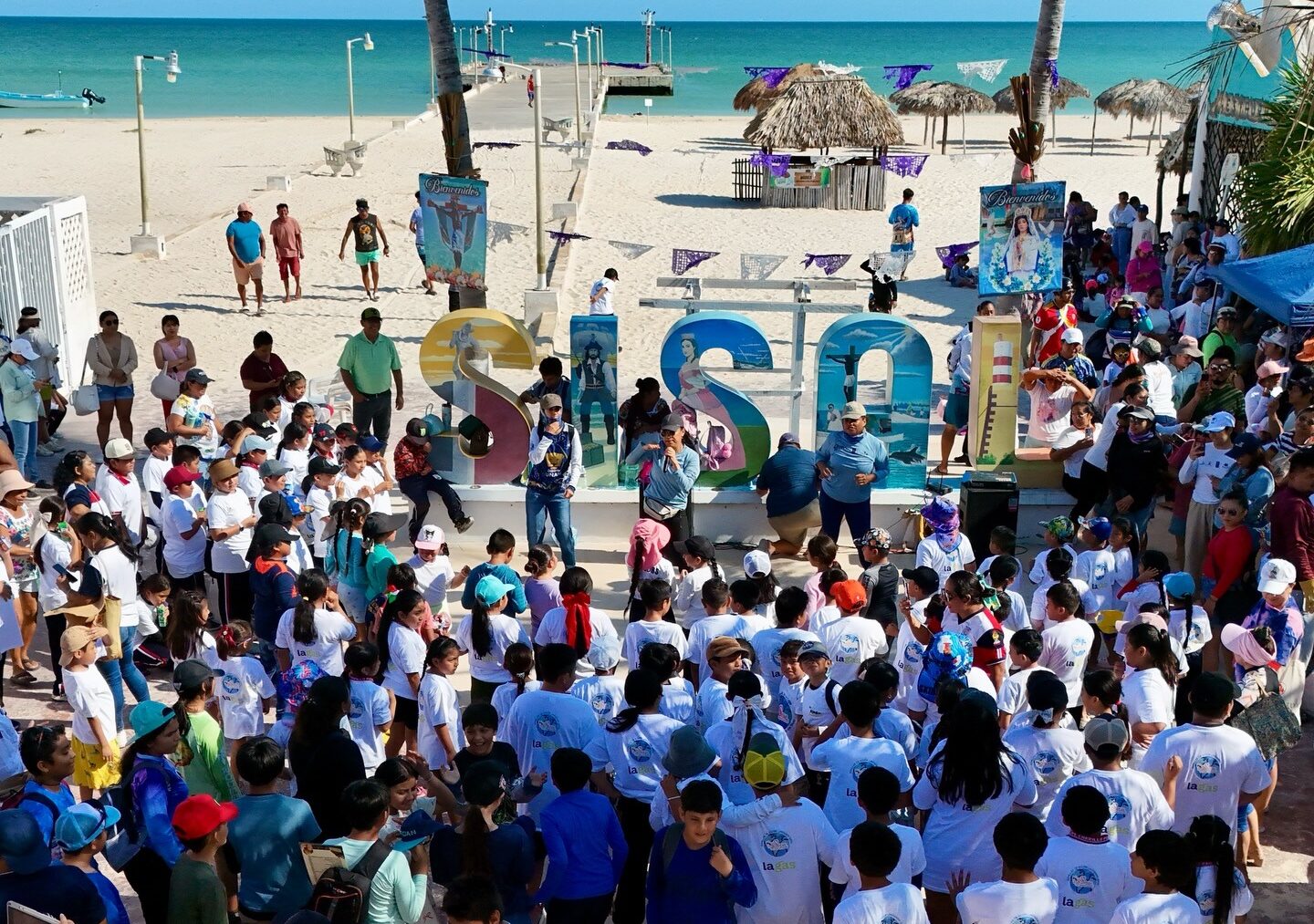
© Limpiemos Yucatán Fundación GMA
Olive Ridley Project Pakistan
Hawke’s Bay Beach, Pakistan
Olive Ridley Project Pakistan works at one of the most important — and most threatened — sea turtle nesting sites in the country: Hawke’s Bay Beach near Karachi, a protected habitat for green sea turtles where litter from picnickers and poor waste infrastructure directly endangers nesting females and hatchlings. The organization has conducted regular sea turtle population surveys here since 2023 and removed over 7,000 kg of ghost nets from surrounding waters. For the 2026 cleanup, the team will clear an estimated 400–500 kg of debris from a 5 km stretch of beach, with collected materials upcycled into dog leashes, horse lead ropes, and bracelets — generating supplemental income for women in local fishing villages and giving discarded fishing gear a purposeful second life.

ARCAS Guatemala
Chiquimulilla, Santa Rosa, Guatemala
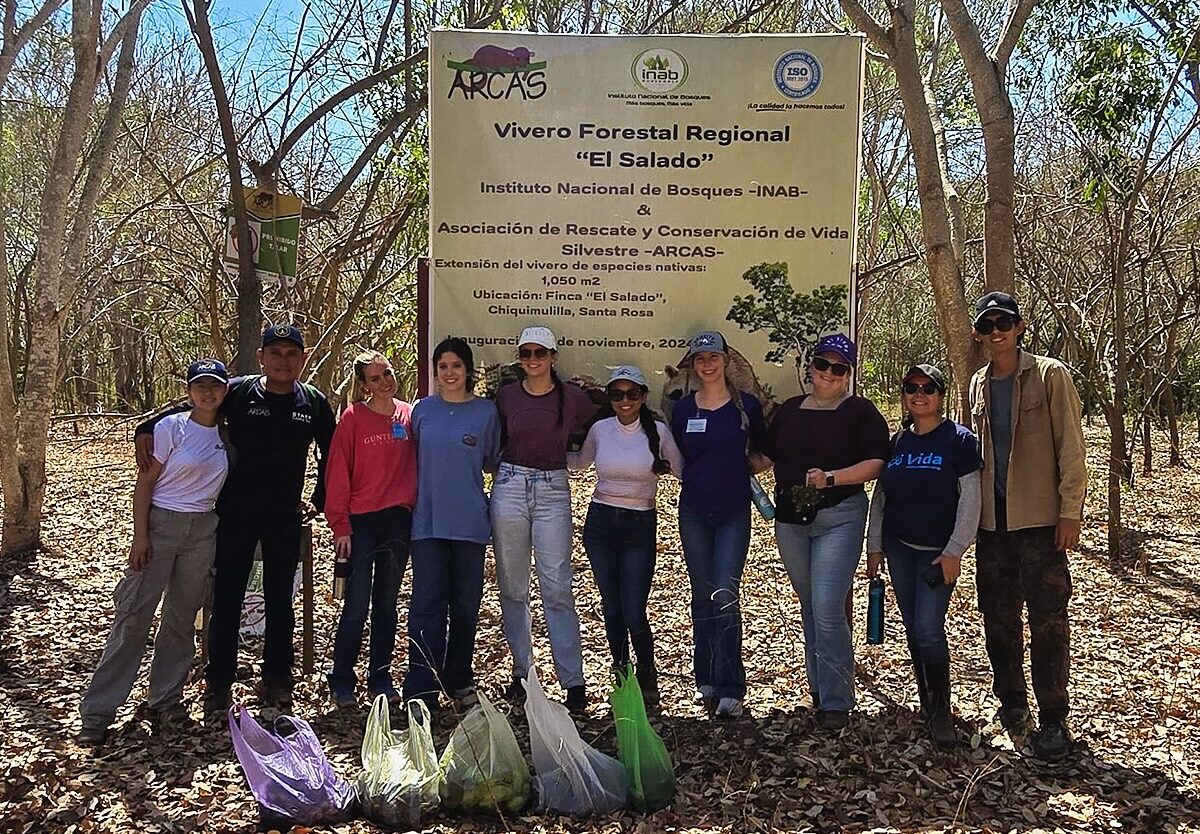
ARCAS is one of Guatemala’s most respected conservation organizations, working within the Hawaii Multiple Use Area on the Pacific coast — a rich landscape of mangroves, estuaries, and key nesting beaches for olive ridley and leatherback sea turtles. They face a convergence of serious threats: plastic pollution, ghost nets, mangrove degradation, and illegal egg harvesting. For 2026, ARCAS will clean a 3-mile stretch of beaches in Chiquimulilla while weaving the cleanup into their Parlama Beach Soccer Championship through an Eco-Scoring system — awarding teams points for cleanup participation and connecting ocean conservation to the community sport that local youth already love. Recyclables will go to local partners, and the remaining materials will be transformed into a community art sculpture.
© ARCAS Guatemala
Projeto Mar Sem Lixo
Cabo Frio, Rio de Janeiro, Brazil
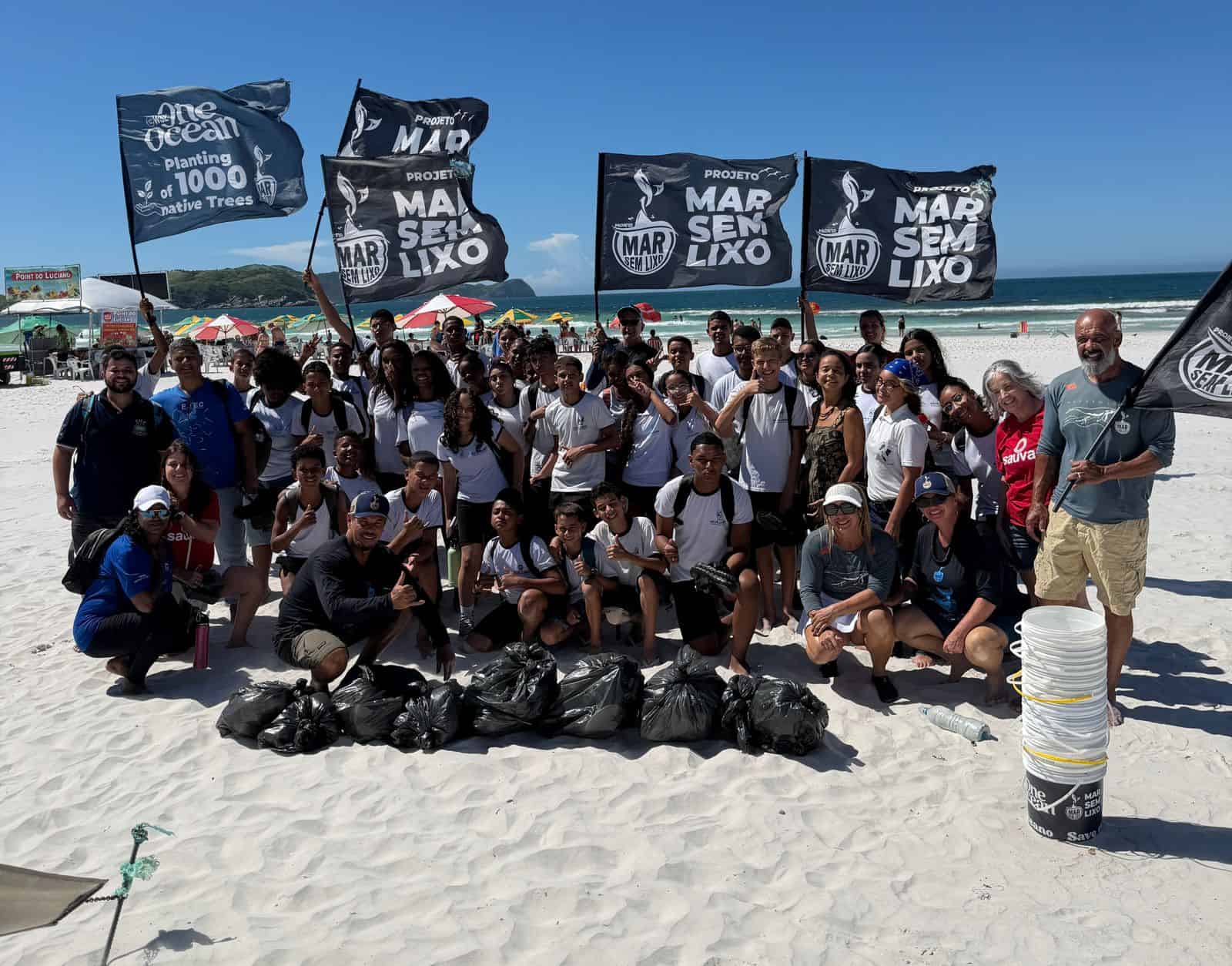
Active since 2010, Projeto Mar Sem Lixo (“Project Sea Without Trash”) has spent more than a decade protecting Rio de Janeiro’s coastal ecosystems through deep community engagement and circular economy partnerships. For the 2026 Global Ocean Cleanup, the organization will target the mangrove forest of São João Island in Cabo Frio — a vital marine nursery and carbon sink threatened by plastic debris, sewage, and informal occupation. Schools, universities, fishermen, divers, and local businesses will all take part, with sorted waste directed to partner recycling cooperatives that generate income for waste pickers. Notably, Projeto Mar Sem Lixo plans to translate cleanup data into formal policy recommendations for local authorities — turning a single day of action into a long-term tool for systemic change.
© Projeto Mar Sem Lixo
SEASبحار
Al Quseir and Ras Gharib, Red Sea, Egypt
Operating along Egypt’s Red Sea coast, SEASبحار works where mangroves and reef-associated habitats support extraordinary marine biodiversity under mounting pressure from plastic, fishing waste, oil pollution, and coastal development. Through their Bahar Observatory program, SEAS has engaged youth, women, and schools in climate change monitoring and environmental education since 2024, building a strong community science foundation in the region. For the 2026 cleanup, the team will cover 2–3 miles of coastline in the North and South Red Sea Governorate, targeting approximately 1.5 tons of mixed waste, with organic materials composted, recyclables directed to workshops, and non-recyclables safely disposed of at authorized facilities.
Blue Carbon
Boca Chica and Bayahibe, Dominican Republic
Blue Carbon is a community-driven conservation initiative with over 20 active partnerships and more than 6,000 pounds of coastal waste removed from protected areas across the Dominican Republic. For the 2026 Global Ocean Cleanup, the organization will clean 1.5–2 miles of coastline spanning Boca Chica Beach and the adjacent mangroves of Parque Nacional Cotubanamá in Bayahibe — ecosystems that nurture marine life, support sea turtle habitat, and store blue carbon. Collected plastics and metals will be recycled through their partnership with Puntos R, while reusable materials are set aside for a marine debris art installation. Blue Carbon plans to use the data gathered from this cleanup as the foundation for a long-term mangrove restoration initiative rooted in nature-based solutions.

Chelonia
Dorado, Puerto Rico
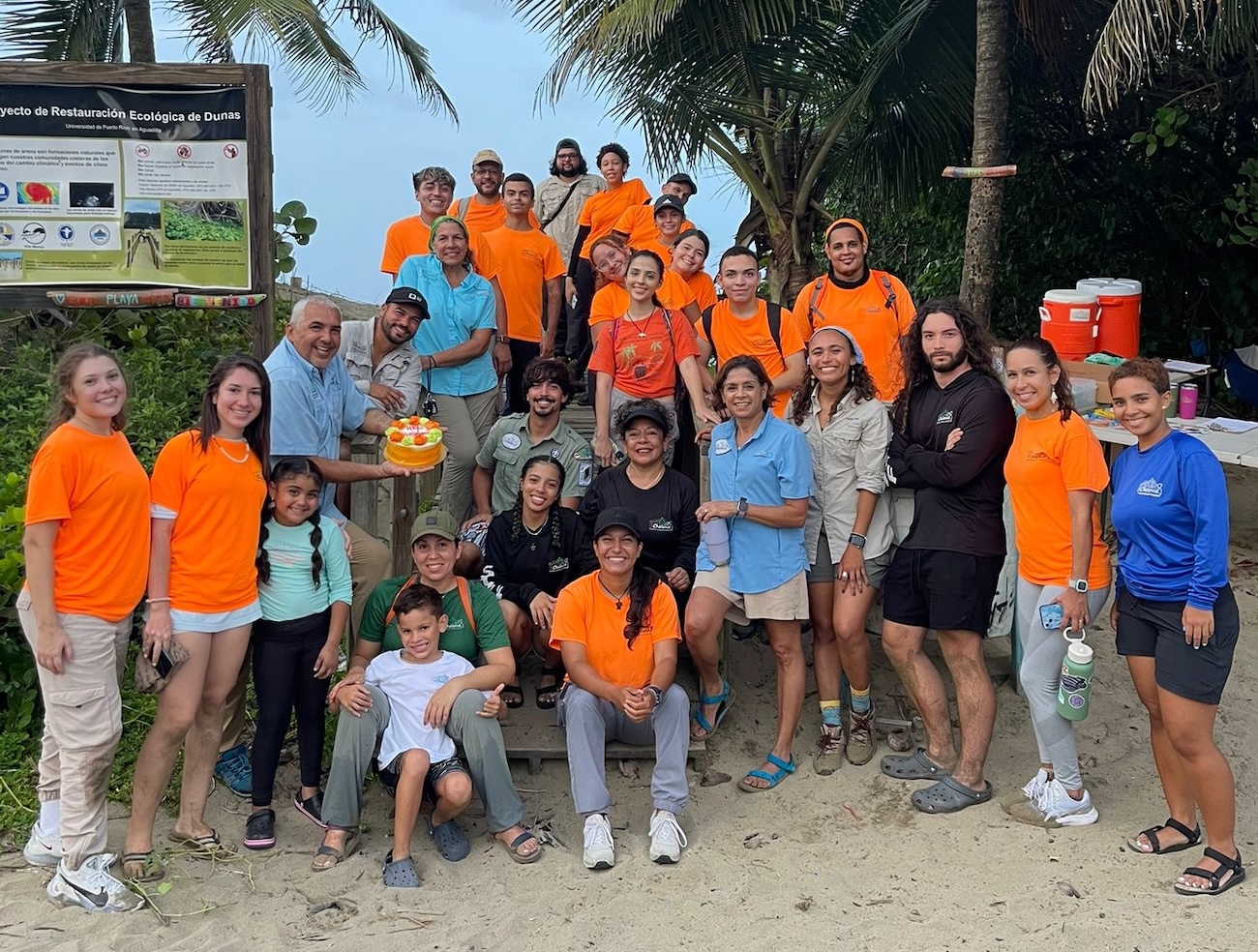
As Puerto Rico’s longest-standing sea turtle conservation organization, Chelonia brings decades of field research and science-based advocacy to one of the island’s most ecologically significant shorelines. The organization returns in 2026 to Playa Grande El Paraíso Nature Reserve in Dorado, one of the top three leatherback turtle nesting beaches in Puerto Rico and the leading nesting site in the island’s northern region, constantly impacted by debris from the nearby La Plata River. Chelonia will engage high school and university students through community service hours tied to graduation requirements, and notably, presents cleanup data directly to the Puerto Rico Department of Natural and Environmental Resources and at regional sea turtle conservation forums — ensuring field work translates into informed policy.
© Chelonia
Fundação Tartaruga
Parque Natural do Norte, Boa Vista, Cabo Verde
Fundação Tartaruga is a Cape Verdean NGO with deep roots in sea turtle research on Boa Vista island — one of the most important loggerhead sea turtle nesting sites in the world, receiving approximately 16,000 loggerheads annually during nesting season. For the 2026 cleanup, the organization will clear 1 km of beach within Parque Natural do Norte, collecting an estimated 1.5–2 tonnes of debris in a cleanup timed strategically ahead of the nesting season to maximize habitat protection. Leveraging their on-site ranger camp infrastructure, Fundação Tartaruga will coordinate community volunteers, local drivers, and residents to ensure all collected waste is fully processed in partnership with the local town council on the same day.
Keep Bermuda Beautiful
St. George’s, Hamilton, and Somerset, Bermuda
Bermuda sits within the North Atlantic Gyre, where ocean currents funnel marine debris from across the Atlantic onto its shores — making it not only a cleanup priority, but one of the world’s most valuable data collection sites for global plastic pollution research. Keep Bermuda Beautiful is the organization that has taken on this challenge year after year: in 2025 alone, they hosted 74 cleanups with 777 volunteers, removing nearly 15,000 pounds of marine debris while contributing data to Ocean Conservancy research. For 2026, the team will clean 5 miles of coastal sites across three locations, with waste sorted on-site and transported for processing and data tracking. Bermuda’s status as the northernmost location on Earth with both mangroves and coral reefs makes every cleanup here ecologically extraordinary.
Sustainable Ocean Alliance Tanzania (SOA Tanzania)
Mlingotini Island, Tanzania
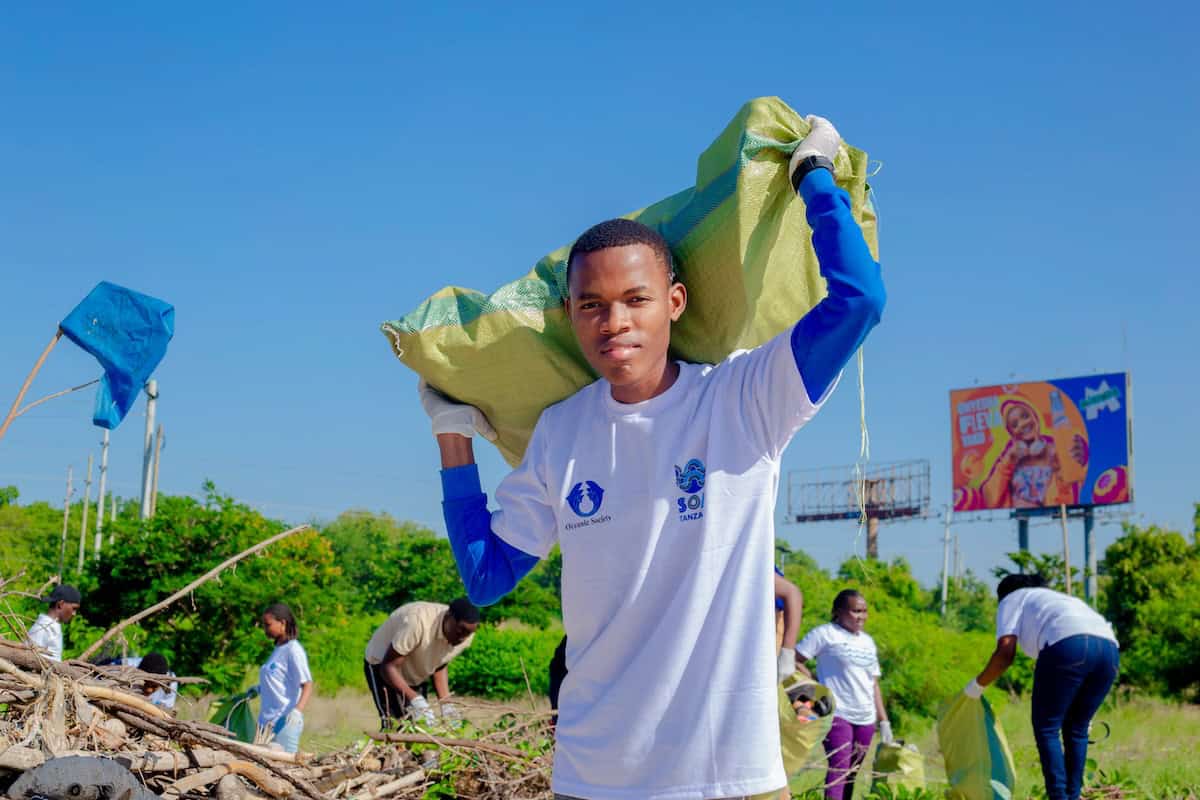
SOA Tanzania works at the intersection of cleanup action and lasting behavior change along Tanzania’s coastline. Returning to Mlingotini Island — a 374-meter stretch of mangroves, seagrass meadows, and coral reefs that supports local fisheries and sea turtle habitat — the team builds directly on a 2025 cleanup that collected 768 kg of waste. This year’s campaign goes further with a structured follow-up plan: sharing waste data with local authorities, running workshops in schools and villages, and establishing a Plastic-Free Coastal Group to sustain cleanup habits long after the event ends. With a goal of reaching 200,000 people with ocean conservation awareness through the campaign, SOA Tanzania demonstrates what it means to transform a cleanup into a movement.
© SOA Tanzania
E.R.D. Afrique
Lomé, Togo
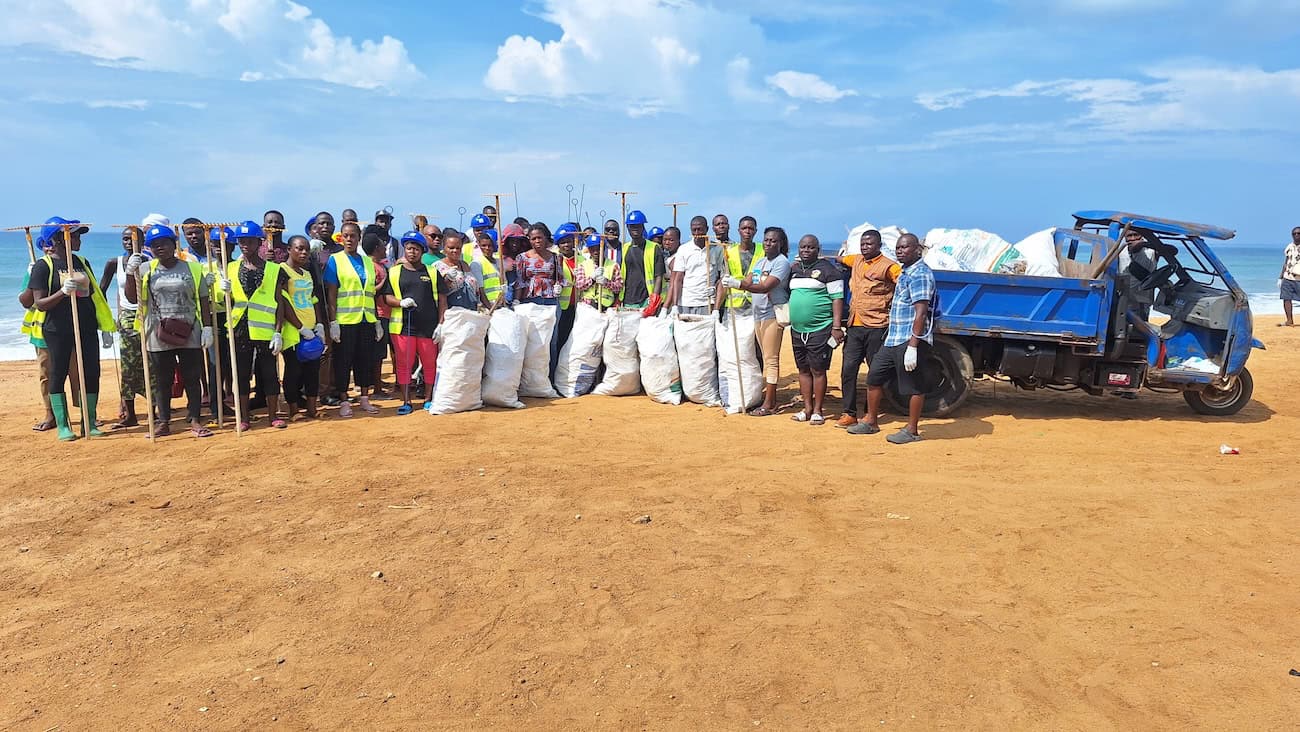
E.R.D. Afrique operates along one of West Africa’s most ecologically rich and threatened coastlines — the 11 km beach of Lomé, where an estuary connecting the Bè Lagoon to the sea creates habitat for four sea turtle species (olive ridley, green, leatherback, and loggerhead), alongside mangroves, fish, crustaceans, and birds. In 2022 alone, the organization removed 45 tons of waste across 45 cleanup operations — a scale of sustained impact that speaks to both the size of the challenge and the depth of their community mobilization. For 2026, E.R.D. AFRIQUE will bring together fishermen, vegetable farmers, fish processors, bar and restaurant owners, and local authorities, pairing the cleanup with mini-workshops, sorting demonstrations, and the creation of recycled waste art.
© ERD Afrique
No Trash Triangle
Bunaken Island, North Sulawesi, Indonesia
Bunaken Island is a UNESCO-recognized marine park in North Sulawesi, Indonesia, globally renowned for its biodiversity and the towering coral walls that drop into extraordinarily clear waters. But ocean currents transport an estimated 1,200 tons of waste from the nearby city of Manado onto its beaches every year, degrading sea turtle nesting habitat and causing ingestion and entanglement for marine wildlife. No Trash Triangle’s most recent cleanup in March 2026 alone collected 6.9 tons of waste from a single 0.6-mile stretch of beach. All collected materials are transported by boat to their Ocean Plastic Sorting Station in Manado, where recyclables are prepared for baling and shipment and non-recyclables are sent to co-processing facilities — ensuring nothing goes to landfill.
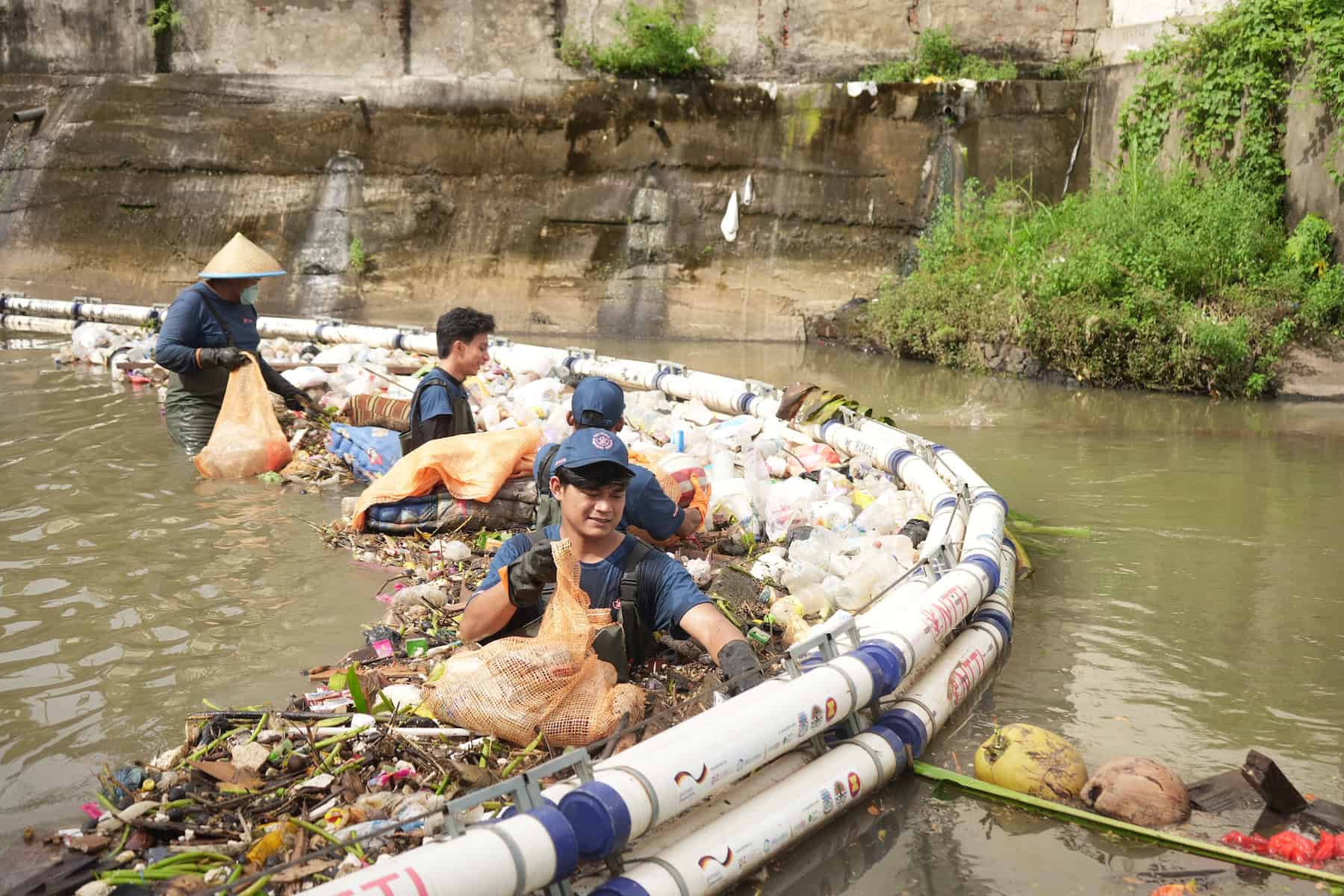
© No Trash Triangle
Wildlife and Human Resources Organisation (WHRO)
Ningo, Greater Accra Region, Ghana
WHRO works along one of Ghana’s most important sea turtle nesting coastlines: Ningo-Prampram Beach in the Greater Accra Region, a documented foraging ground for sea turtles from across the Gulf of Guinea, including populations from Bioko, São Tomé and Príncipe, and the Bijagós Archipelago. The organization has formalized a pipeline from cleanup to recycling income through an MoU with a leading plastic recycling company, creating a direct economic opportunity for community members — primarily women — who can sell collected recyclables at a designated collection site. With an average of over 6,100 pounds collected per event in 2025 and regular participation from the Environmental Protection Agency and national institutions, WHRO’s model shows how conservation and community economic development can genuinely reinforce one another.
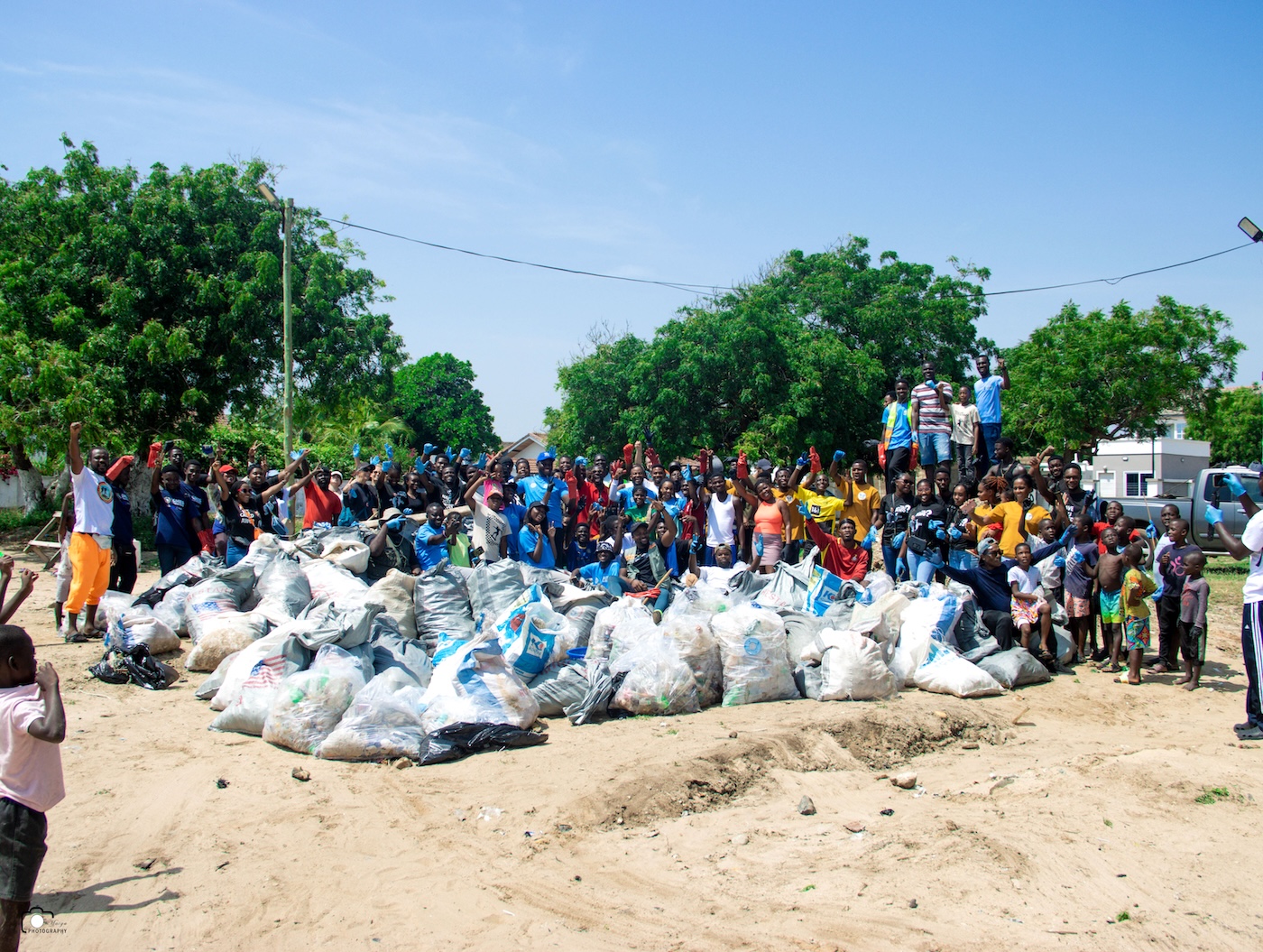
© Wildlife and Human Resources Organisation (WHRO)
Aquarium of the Pacific
Long Beach, California, United States
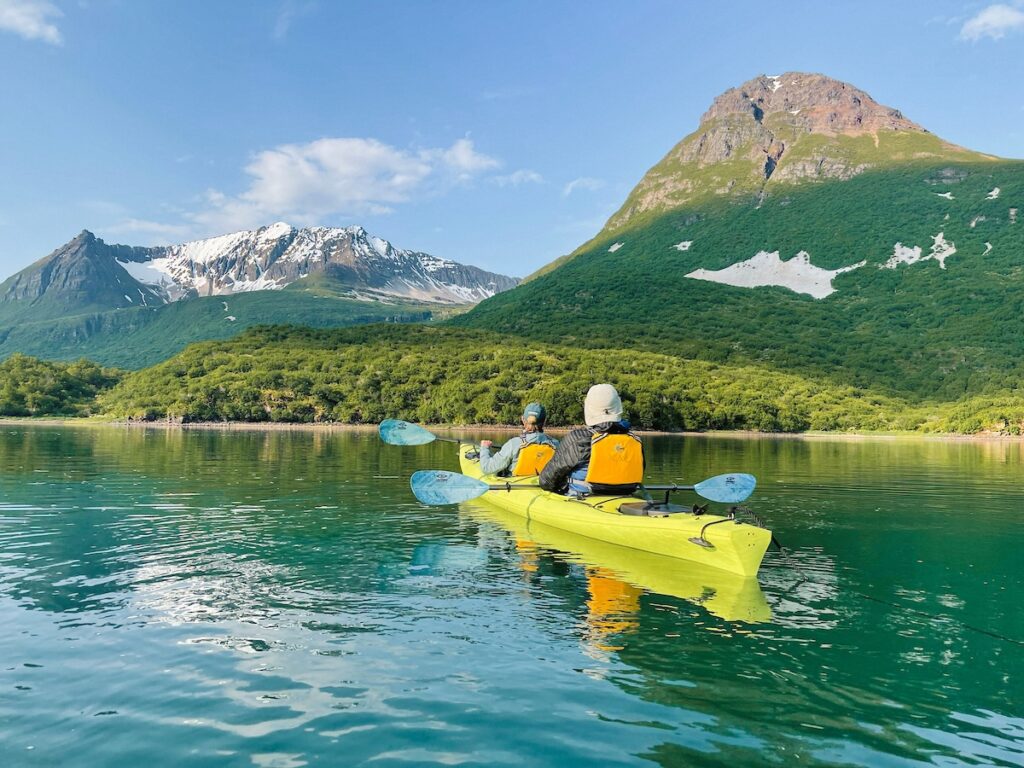
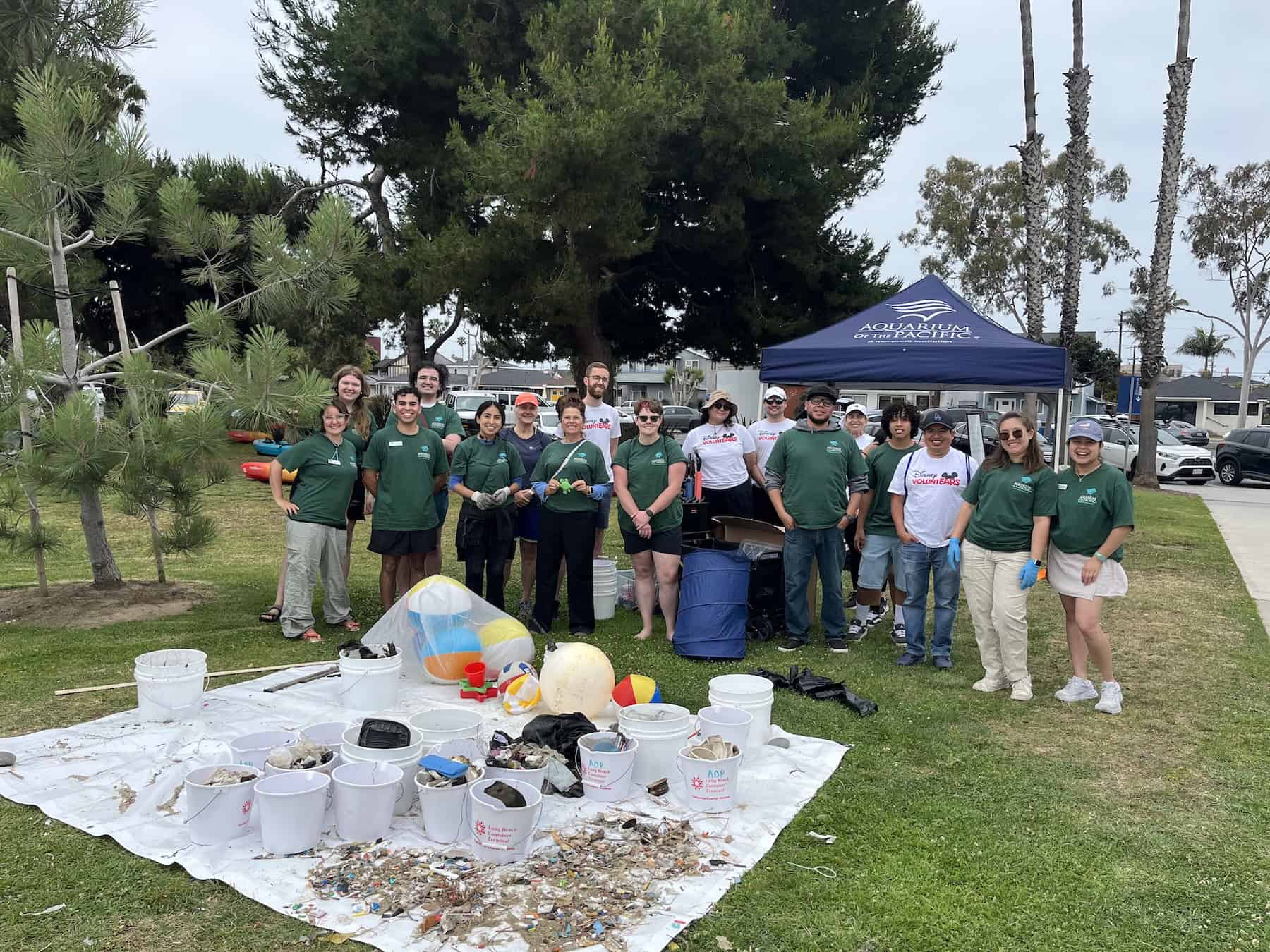
Dedicated to connecting people to and conserving nature, the Aquarium of the Pacific has spent more than two decades as one of Southern California’s most committed sea turtle advocates. One of only two facilities in the region with the capacity to rehabilitate sea turtles, the Aquarium rescues, treats, and releases endangered green sea turtles found in local waters, while community science volunteers monitor populations through the Southern California Sea Turtle Monitoring Program. For the 2026 Global Ocean Cleanup, the team will take to the water by kayak with 25 volunteers to clear debris from a local bay near the San Gabriel River, the northernmost known habitat for Pacific green sea turtles, targeting the entangled fishing line and plastic waste that has repeatedly put nesting females and foraging turtles at risk.
Join the 2026 Global Ocean Cleanup
The 14 organizations above represent something bigger than any single cleanup: they represent the belief that communities closest to the ocean are its most powerful protectors. Their work, and the data they collect, the people they engage, and the habitats they defend, contribute to a growing global picture of what it takes to turn the tide on plastic pollution.
The 2026 Global Ocean Cleanup takes place June 13–14, 2026. You don’t need to be on a beach to take part. Lead a cleanup in your community, take our 7-Day Fight Plastic Waste Challenge, or support the organizations doing this vital work year-round.
The Global Ocean Cleanup is organized by Oceanic Society in partnership with SEE Turtles and Sea Turtle Week, with generous support from presenting sponsor Planet Oat Oatmilk.