There’s a question we often hear from travelers considering their first liveaboard trip to Raja Ampat: “I’m in my 60s (or 70s, or beyond), is Raja Ampat really a trip I can still do?”
Short Answer: Raja Ampat is absolutely within reach for many older travelers in good health. But the fuller answer, the one that actually helps you make a confident, informed decision, is more nuanced than that.
This guide is written for you: the experienced traveler who isn’t looking for false reassurance, but for honest, practical information.
Forget Age, Ask These Questions Instead
The question isn’t really “Am I too old?” Age alone tells us very little. A 74-year-old who swims regularly, walks without difficulty, and has no significant cardiovascular issues may be far better suited to a liveaboard expedition than a sedentary 50-year-old. The more useful questions are:
- How is my cardiovascular health?
- Am I reasonably mobile and comfortable in water?
- Can I manage long-haul travel without significant strain?
- Do I have conditions that might be complicated by remote access to medical care?
- Should I have my spouse, family, or friend join me for company and assistance?
These are the questions worth sitting with, and the ones we’ll walk through here.
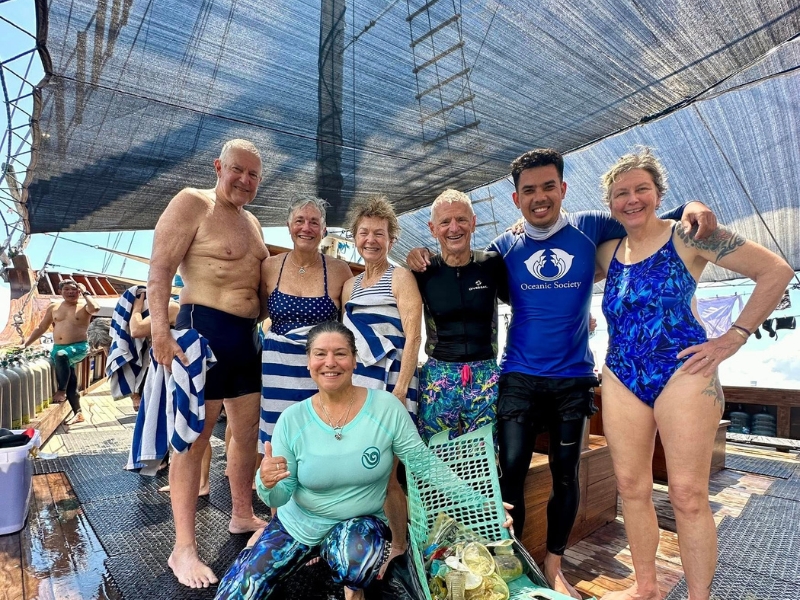
How to Make the Long Haul Flight Journey to Raja Ampat Work
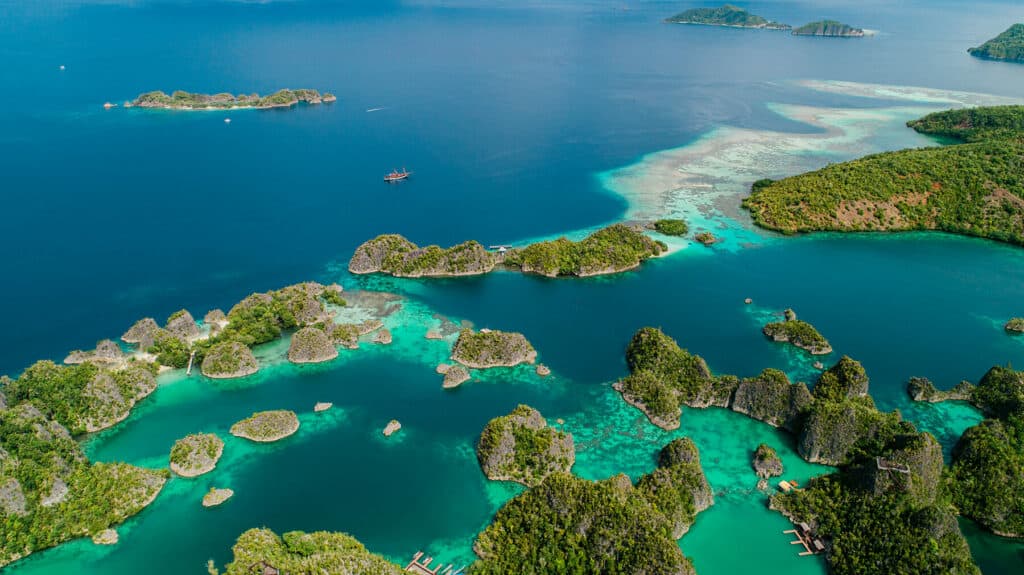
Located in West Papua, Indonesia, Raja Ampat is one of the most remote destinations on the planet. Getting there from the United States typically involves:
- A long-haul multi-leg flight (roughly 17-25 hours) from a major U.S. hub (Los Angeles, San Francisco, Chicago, Dallas, Washington DC, New York) to Jakarta or Bali, often with a stop, or two, in the Middle East, Japan, Taipei, Hong Kong, or elsewhere.
- An overnight in Jakarta or Bali, followed by a connecting flight to Sorong, the gateway city to Raja Ampat, typically another 4–5 hours
- A short boat transfer from Sorong to your liveaboard — 30 minutes
Total Travel Time: In total, 30–40+ hours of travel from the United States to Raja Ampat is realistic when you factor in layovers and transit time.
What this means for you: Long-haul flights are genuinely tiring for everyone, but they carry specific considerations for older travelers:
- Jet lag and time zones: Indonesia is approximately 12–14 hours ahead of U.S. Central Time. Most travelers need 2–3 days to adjust. Building buffer days into your itinerary may be wise.
- Swelling and discomfort: Feet and ankles commonly swell on long flights. Loose, comfortable clothing, compression socks, and light movement every 1–2 hours help considerably.
- Deep vein thrombosis (DVT): Prolonged sitting increases clotting risk. Compression socks, regular movement, staying well-hydrated, and, in some cases, low-dose aspirin (discuss with your doctor) are standard precautions. Aisle seats make this easier.
Practical Tip: Many experienced travelers break the journey with a 1–2 night stopover in Bali or Taipei. This turns a grueling marathon into two manageable legs and lets your body arrive in Raja Ampat genuinely rested.
Our travel team can help you arrange extra days at land-based resorts in Raja Ampat or Sulawei so you can relax before or after the liveaboard adventure.
What a Liveaboard in Raja Ampat Is Really Like
It’s worth noting that Raja Ampat can be experienced from land-based resorts, and for some travelers, that’s the right choice. But liveaboards are widely considered the superior way to explore the region.
Waking up anchored at a remote site, moving through waters that day-trippers simply can’t reach, and being fully immersed in the environment from sunrise to sunset, that’s what a liveaboard offers that a daily commute from shore cannot.
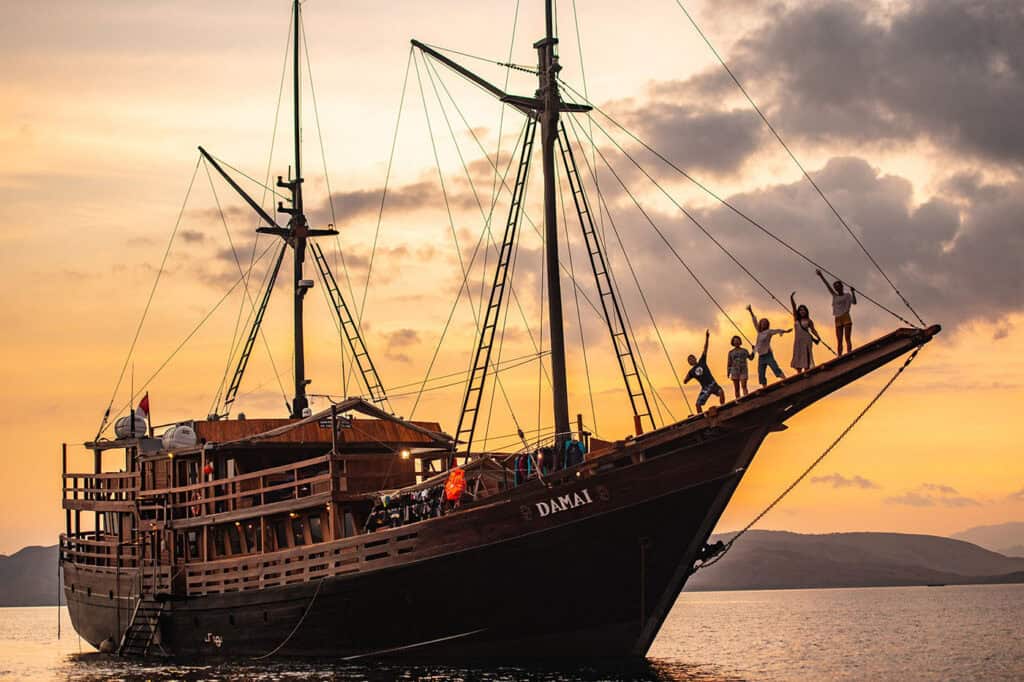
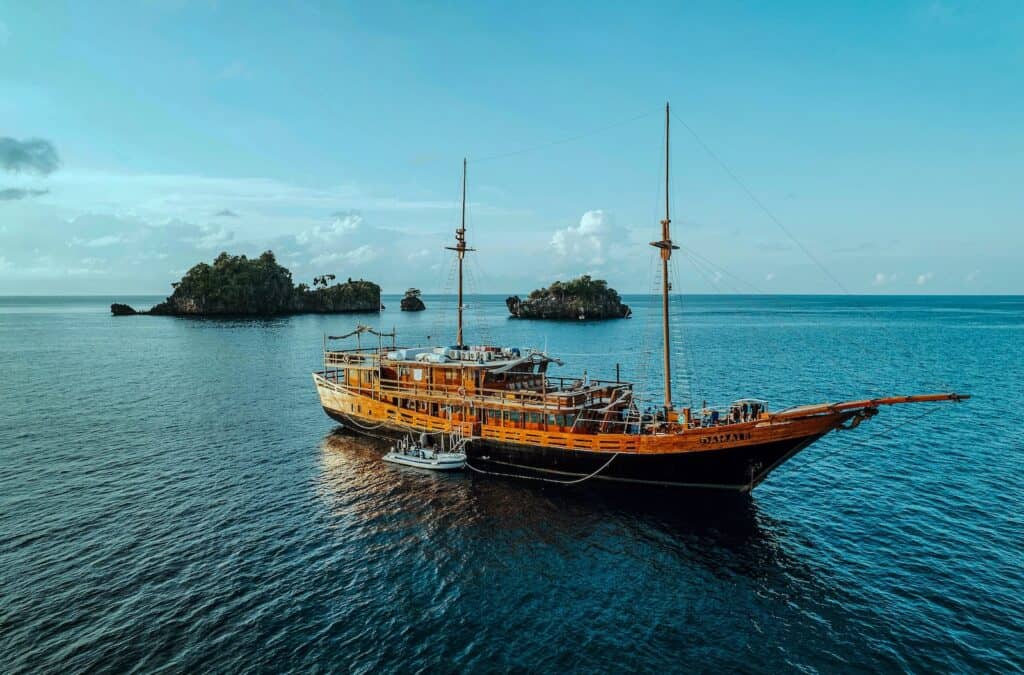
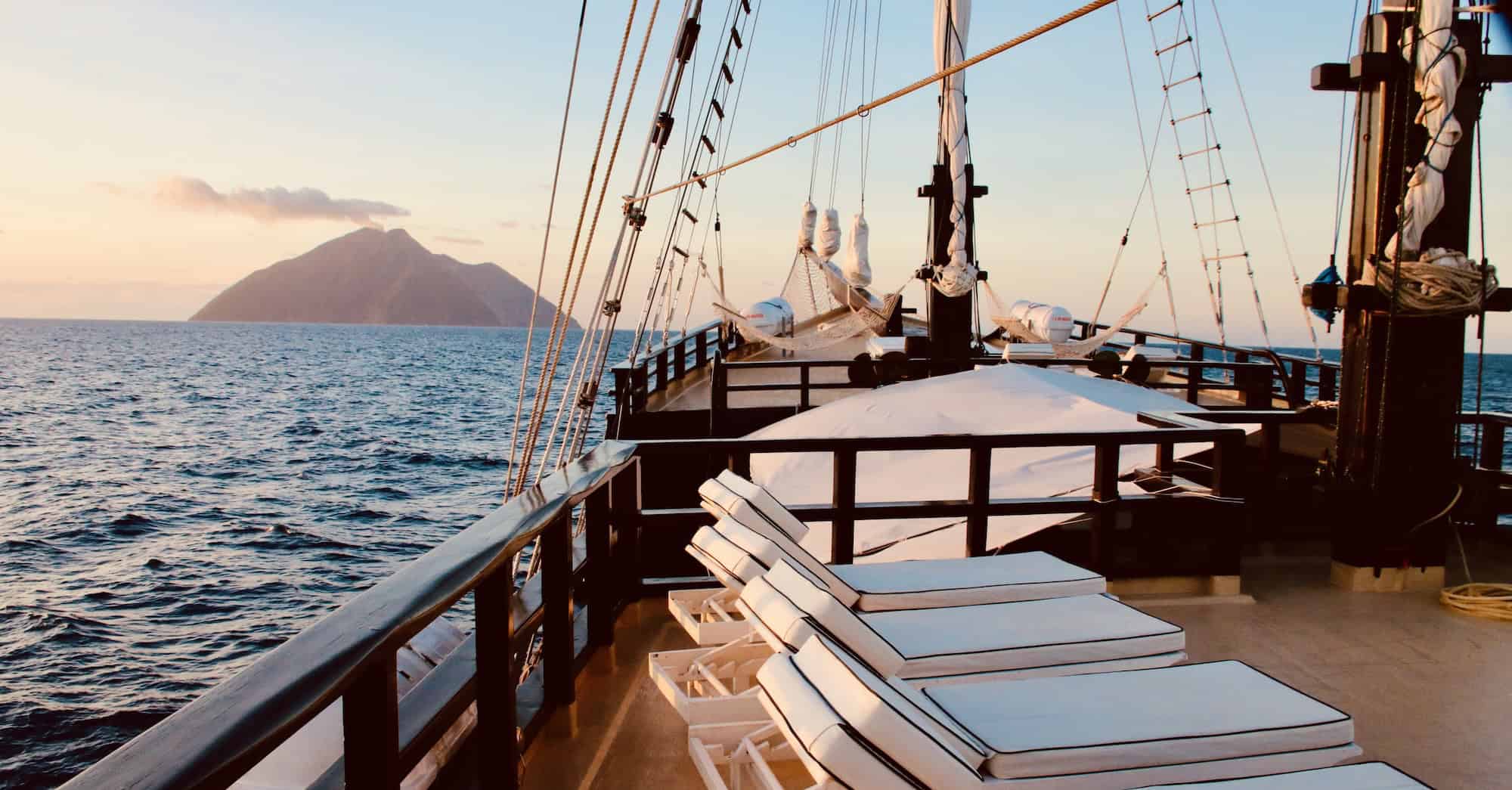
A liveaboard dive or snorkel vessel is your home, your restaurant, your transport, and your base of operations for the duration of the trip typically 7–14 nights). Understanding what daily life looks like helps you assess fit honestly.
The Vessel Itself
Liveaboards vary considerably in size, comfort, and stability. Vessels designed for the Raja Ampat area typically range from 20 to 40 meters in length. Larger vessels offer more stability in open water and more spacious cabins; smaller vessels provide a more intimate experience but can feel the swell more.
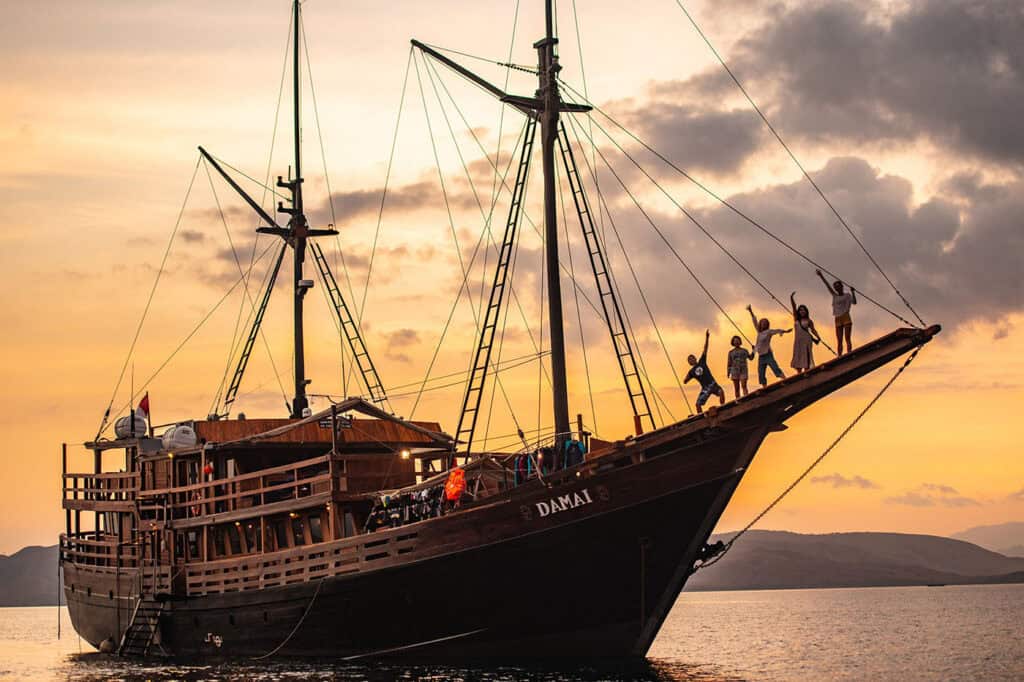
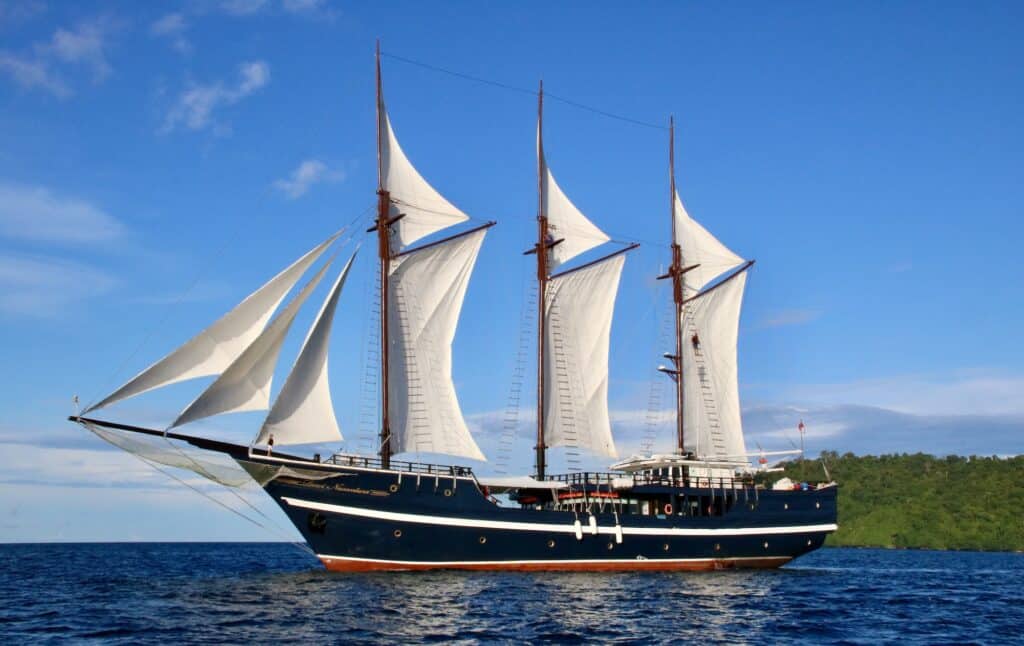
Questions to ask your liveaboard operator specifically:
- How many steps are between decks?
- Are there handrails throughout?
- How is the entry and exit point to the water configured?
- Is the vessel air-conditioned throughout?
- Is there a doctor or medic aboard?
Daily Rhythm
A typical day on a liveaboard expedition follows a pattern something like this:
- Early morning: optional birding from the zodiac
- Breakfast on board
- Morning snorkeling session
- Lunch on board and relax
- Afternoon snorkeling session
- Sunset hour: Quiet time, sundowners, socializing
- Dinner

The pace is genuinely relaxed. You are never obligated to enter the water every session. Many guests on any given trip will sit one out to read, nap, or simply watch the extraordinary birdlife from the deck. There is no social pressure to “keep up.”
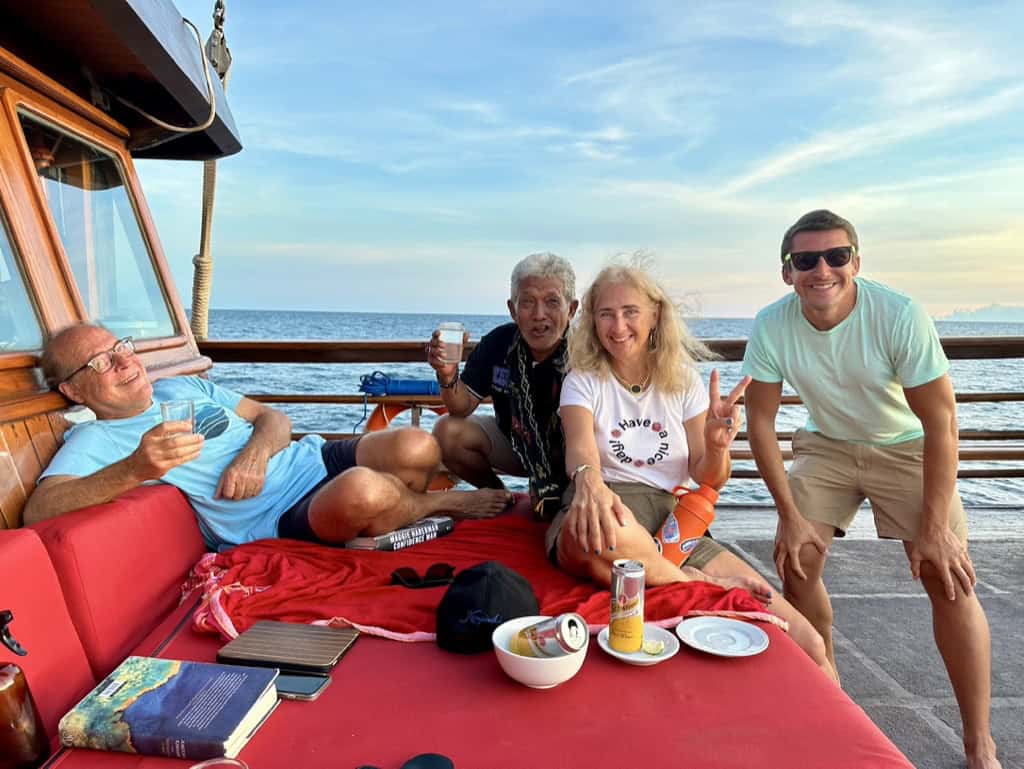
“I would snorkel in the AM and a couple times in the afternoon, but normally the sun was too much for me in the afternoon. I was ok to relax and stay onboard while others went out for a second snorkel.” – Gretchen G.
Sea Conditions
Raja Ampat’s protected bays and island-sheltered passages are generally calm, which is one reason it’s considered approachable compared to open-ocean liveaboard destinations.
That said, transit between dive sites occasionally involves open water passages where swells can be felt. Motion sickness is worth planning for. Non-drowsy medications like Meclizine (Bonine) or scopolamine patches are widely used and effective for most people, but do consult your physician about which suits you.
Swimming and Snorkeling: Do I Need to Be a Strong Swimmer?
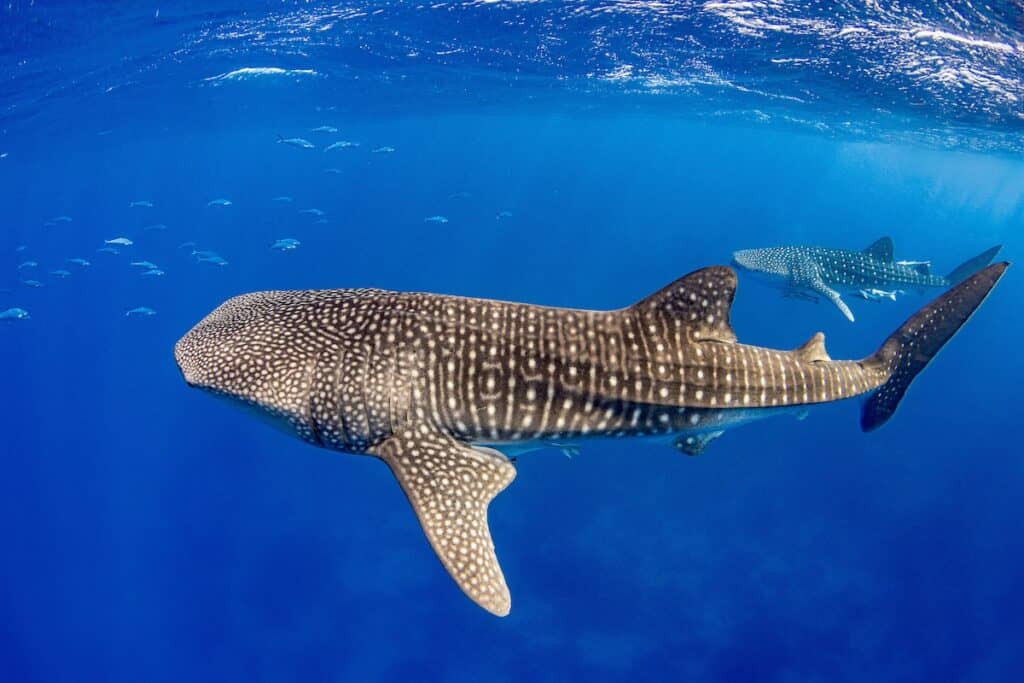
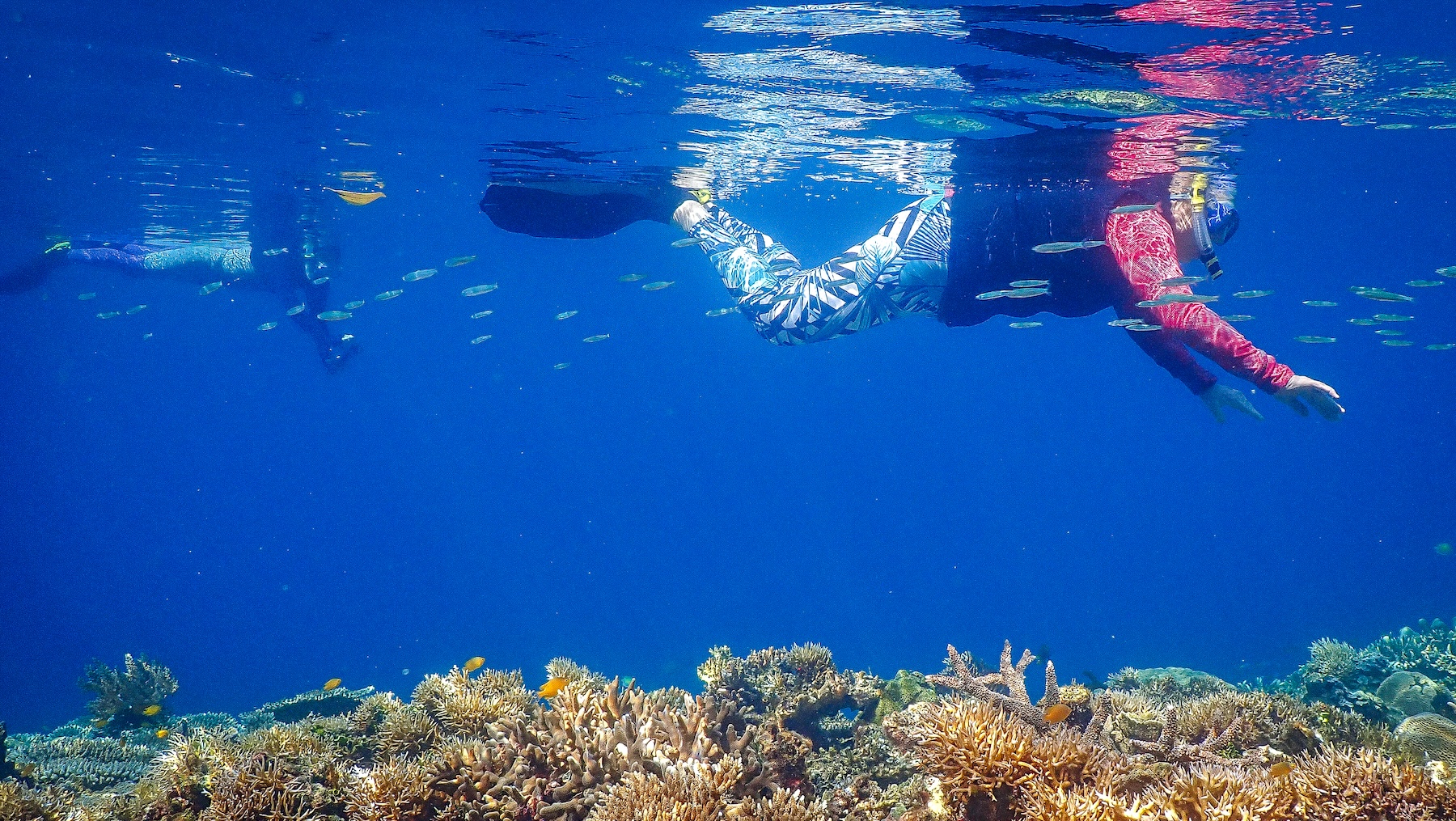
Raja Ampat’s snorkeling is among the finest on Earth, with shallow coral gardens abundant with fish, manta rays, wobbegong sharks resting on the seafloor, the electric colors of pygmy seahorses, and nudibranchs. Much of this splendor is accessible just a few meters below the surface.
You do not need to be an athlete. You do need to be comfortable in open water, able to float and breathe through a snorkel without anxiety, and capable of managing yourself if conditions change modestly.
Key considerations:
- Currents: Some Raja Ampat sites have strong currents that make snorkeling genuinely challenging. Good operators identify current conditions before each session and offer alternatives for guests who prefer calmer water. Always speak up if you feel out of your depth, both literally or figuratively.
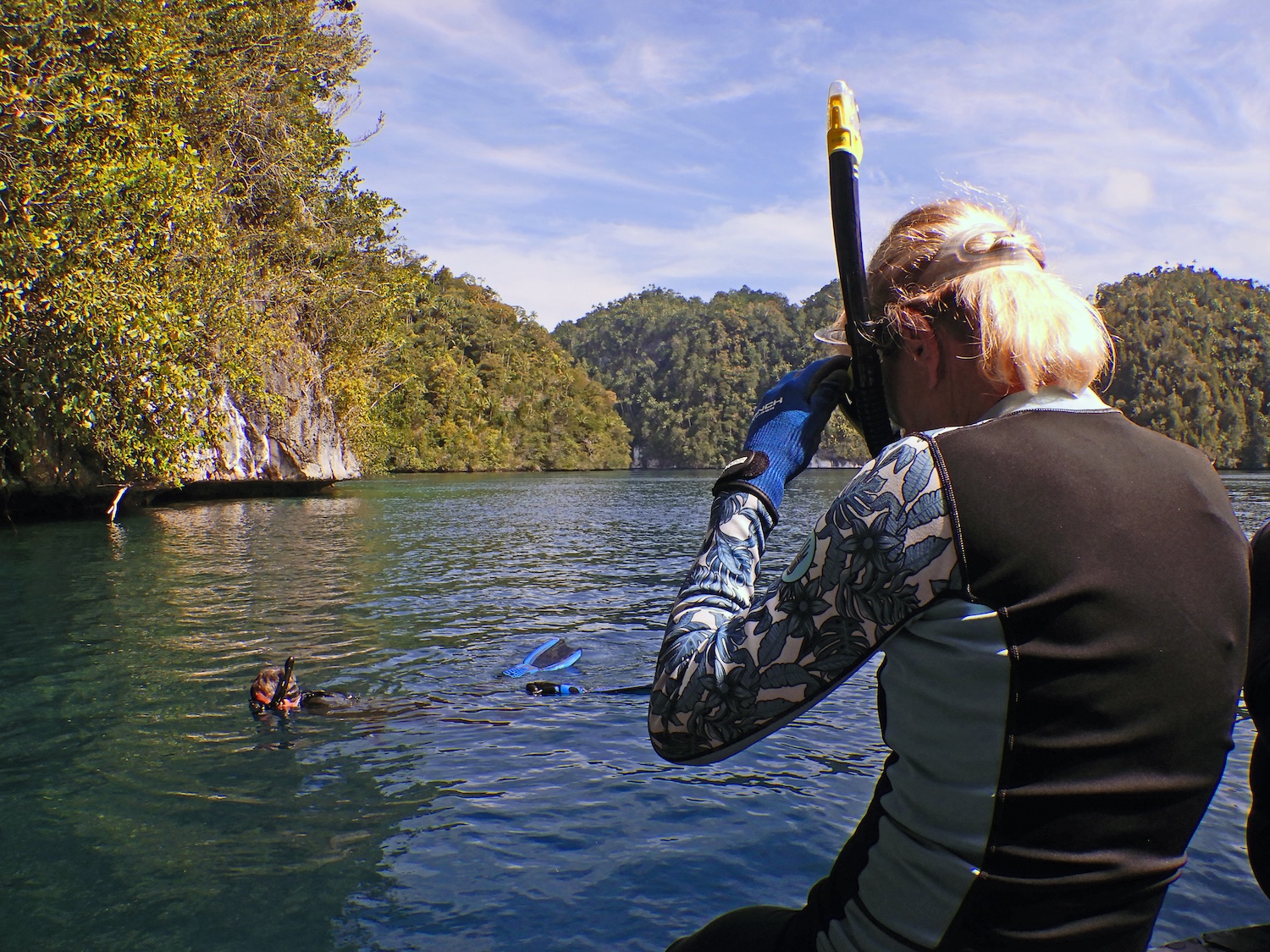
- Entry and exit points: Most sites involve snorkeling directly from the tender (calm, easy). You will need to be comfortable climbing up a short 3-4 step ladder to exit the water. Ask what each day’s sites look like.
- Buoyancy aids: There is absolutely no shame in using a swim vest, pool noodle, or any flotation aid. Many experienced snorkelers use them to conserve energy and stay relaxed in the water. A proper wetsuit will provide you with some buoyancy. Good operators carry them aboard as standard equipment.
- Fins and mask fit: Equipment fit matters more than people realize. Ill-fitting fins cause foot cramps; a poorly sealed mask causes constant frustration. Arrive with your own mask if possible, or request to test the equipment before your first session. Check out our snorkeling gear guide for more information.
If you don’t snorkel: Some guests join liveaboards purely for the above-water experience — the birdwatching, the photography, the villages, the sunsets. Raja Ampat’s scenery above the waterline is extraordinary in its own right. This is less common, but not unheard of, and worth discussing with your operator.
Getting In and Out of the Tender (Dinghy) Boat
This is one of the most important practical questions to think about honestly, and one that doesn’t get asked nearly enough.
Almost all Raja Ampat liveaboards use small inflatable tenders (Zodiacs or similar) to transport guests from the main vessel to dive and snorkel sites, shore, etc. The transfer process typically looks like this:
- Boarding the tender from the liveaboard: You step down from a dive deck or swim platform into the dinghy. This usually involves 8-10 stairs, often assisted by a crew member on each side.
- Disembarking from the tender into the water: At snorkel sites, you typically roll or step off the side of the tender backward or sideways into the water from a seated position. Ladders are also available to help you step into the water.
- Re-boarding the tender from the water: This will require some physical strength. You approach the ladder, hand your fins to the crew, and use your free hands to pull and climb up the 3-4-step ladder, typically with assistance from a crew member pulling from above. Core strength, arm strength, and some knee flexibility matter here.
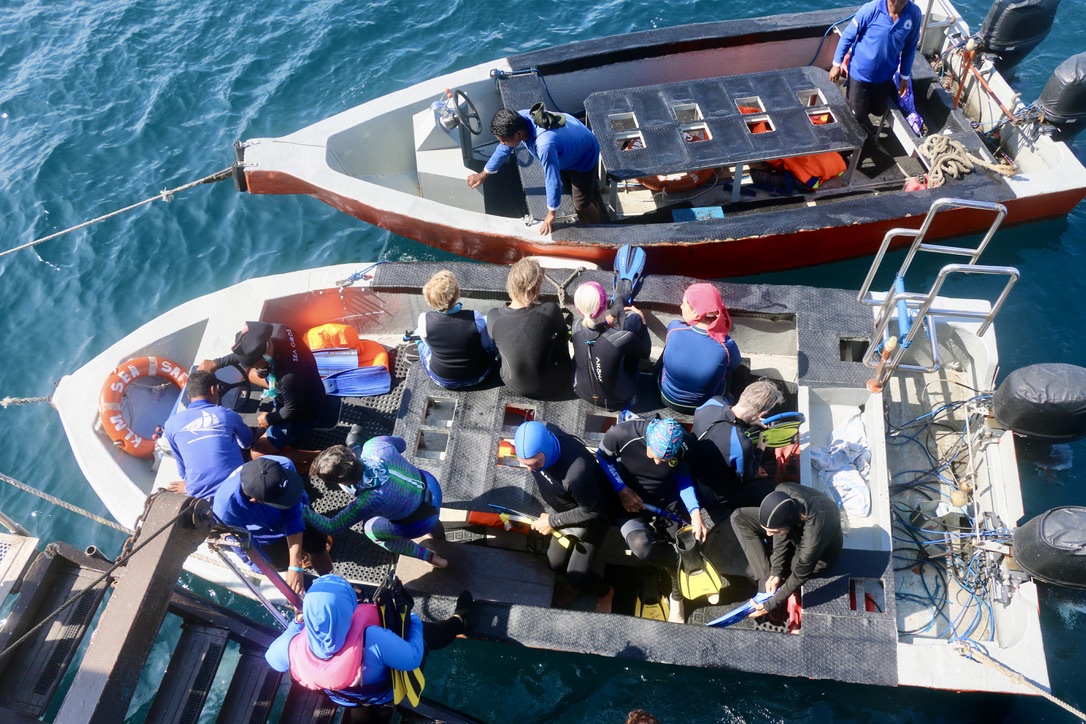
Honest Assessment: The re-boarding step is where some guests encounter difficulty. If you have significant shoulder injuries, very limited upper body strength, difficulty walking up stairs, or knee replacements with restricted flexion, this deserves a direct conversation with your operator before booking.
A good crew makes an enormous difference. Experienced liveaboard staff develop real skills at assisting guests safely, but of course, physical capability matters too.
What helps: If you swim and exercise regularly, you likely have the functional fitness needed. If you’re uncertain, consider working on upper body and core strength in the months before your trip. Even modest preparation pays dividends.
What to ask your operator: Many liveaboards have boarding ladders with wide steps and sturdy handles. Ask specifically what the boarding setup looks like before you commit.
Medical Considerations and Remote Access
Raja Ampat is remote. Sorong has basic hospital facilities; more serious medical emergencies may require evacuation to Makassar, Bali, or Singapore. Medical evacuation insurance is not optional; it is essential.
Non-Negotiable: Do not travel to Raja Ampat without comprehensive travel insurance that includes medical evacuation coverage.
Conditions worth discussing with your doctor before booking:
- Cardiovascular conditions: Heart disease, uncontrolled hypertension, or recent cardiac events. Snorkeling is moderate exercise; exertion plus heat can stress the cardiovascular system. Get a clearance conversation with your cardiologist.
- Respiratory conditions: Significant COPD or asthma can make snorkeling uncomfortable in humid tropical conditions. Bring all medications and discuss management with your physician.
- Diabetes: Blood sugar management in heat, with varied meal schedules, requires planning. Bring more supplies than you think you need.
- Joint replacements or mobility limitations: As discussed above, relevant to boarding procedures.
- Medications: Some common medications (certain antibiotics, diuretics, blood thinners) interact with heat, sun exposure, or physical exertion in ways worth understanding. Review your medication list with your doctor in the context of tropical travel.
What the best operators provide: Reputable liveaboards carry oxygen aboard (essential for snorkeling incidents), a well-stocked first aid kit, and staff trained in first response. Ask directly what their emergency protocols are.
What Makes Someone a Good Candidate for a Raja Ampat Liveaboard?
After years of leading expeditions, here’s what we observe: the guests who thrive on liveaboard trips to Raja Ampat share a few traits regardless of age.
Travelers are:
- Comfortable and relaxed in the ocean: not necessarily strong swimmers, but not anxious ones
- Flexible about the day’s plan: willing to sit one out, try a different site, rest when tired
- Physically active in their regular lives: walking, swimming, gardening, yoga; nothing extreme, just consistent movement
- In good cardiovascular health, cleared by their physician for moderate physical activity
- Experienced travelers who handle logistics calmly and find unfamiliar environments stimulating rather than stressful
Travelers have:
- Comprehensive travel and medical evacuation insurance
- Realistic expectations (this is not a resort; it is an expedition)
- A sense of humor about the moments that don’t go to plan
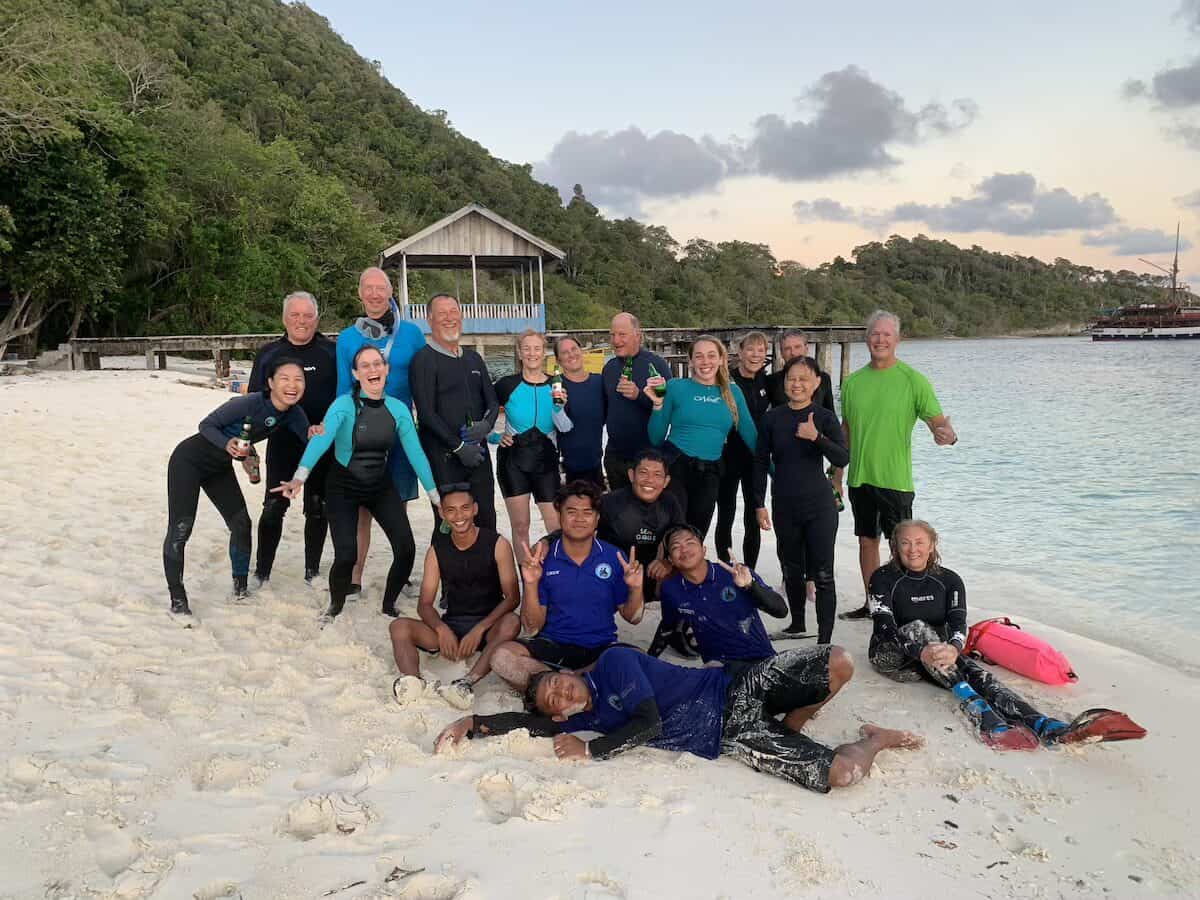
The travelers who tell us their Raja Ampat trip was the most profound experience of their lives are not clustered in any particular age bracket. We have watched 75+ year-olds glide through crystal water over fields of coral that looked like they’d been painted. We have watched them sit on the bow at dusk with a cold Bintang and tears in their eyes at the sheer improbability of being there.
The ocean doesn’t ask for your age. It asks for your presence, your attention, and your respect. If you can offer those things and if you’ve done the honest preparation work, then Raja Ampat has something for you that very few places on this earth can match.
Before You Book A Raja Ampat Expedition (A Checklist)
- Complete the self-assessment questions below (and be honest)
- Schedule a pre-travel consultation with your physician; share your itinerary and activity plans
- Obtain comprehensive travel insurance with medical evacuation coverage
- Ask your operator directly about vessel boarding setup and crew assistance protocols
- Consider a stopover to break up the long-haul journey
- Pack compression socks and discuss DVT prevention with your doctor if applicable
- Bring your own snorkel gear for the best fit
- Pack all prescription medications in carry-on luggage, with an extra supply
- Ask your operator about motion sickness management and onboard medical equipment
- Consider a fitness preparation routine in the 2–3 months before travel, focusing on upper body, core, and cardiovascular endurance
Are You Ready for Raja Ampat? A Self-Assessment
This isn’t a medical evaluation; your doctor handles that. But it will give you a realistic sense of where you stand before you pick up the phone.
Mobility & Strength
- Can you climb a standard ladder (like a pool ladder) unassisted?
- Can you step down a 1-2 ft (30–60cm) drop with someone steadying your arm?
- Can you push yourself up from a seated position on the floor without significant difficulty?
In the Water
- Are you comfortable floating in open water without panicking?
- Can you swim 50 meters at your own pace without stopping?
- Have you snorkeled before, or are you comfortable breathing through a tube?
Stamina & General Health
- Can you walk for 30–45 minutes at a moderate pace without significant fatigue?
- Do you manage heat reasonably well?
- Is your cardiovascular health cleared for moderate physical activity by your doctor?
Travel Readiness
- Have you taken a long-haul international flight before?
- Can you manage your own luggage through an airport (or travel with someone who can help)?
- Are you comfortable in situations where plans change and logistics are improvised?
View All Raja Ampat Liveaboards
Journey through the heart of the Coral Triangle aboard expertly guided liveaboard expeditions in Raja Ampat.
The Best Next Step: A Conversation
If you have further or more specific questions about whether a Raja Ampat liveaboard expedition is right for you, we’re happy to have a candid, unhurried conversation.
We’ve had this conversation many times, with travelers in their 60s, 70s, and beyond, each with their own health history, comfort level, and version of the dream. We’re not here to talk you into anything.
Ultimately, your comfort level and your doctor’s input have the final word on what’s right for your body. But we can help you ask the right questions and decide if this is the right expedition for you.
Not sure which Raja Ampat liveaboard trip is right for you? From choosing the right liveaboard to planning a custom departure, our travel experts make it easy. We’ve been leading trips here for over 20 years, and we’ll help you plan every detail so you can travel with confidence.