From Abundance to Near Collapse in the Caribbean
According to 17th-century pirate lore, crews lost in the Caribbean Sea could navigate toward land by listening for the sounds of green sea turtles surfacing for air or colliding with the hulls of their ships.
“Certain it is that many times the ships, having lost their altitude through the darkness of the weather, have steered their course only by the noise of the tortoises swimming that way, and have arrived at these isles,” pirate and historian Alexander Exquelemin wrote in 1678.
Early explorers were astounded by the abundance of green sea turtles they encountered. Some researchers estimate that up to 91 million adult green turtles may have lived in the Caribbean Sea alone prior to Columbus’s arrival, though the exact figure is impossible to know.
Green sea turtles can grow up to four feet long and weigh up to 700 pounds. These giant reptiles were an important food source for many indigenous cultures across the Caribbean, and served as a convenient source of food for explorers during their long voyages. But these herbivores are also a “keystone species” due to their role in maintaining the health of seagrass meadows and coral reefs, both of which help regulate water temperatures and are crucial habitats for a wide web of biodiversity.
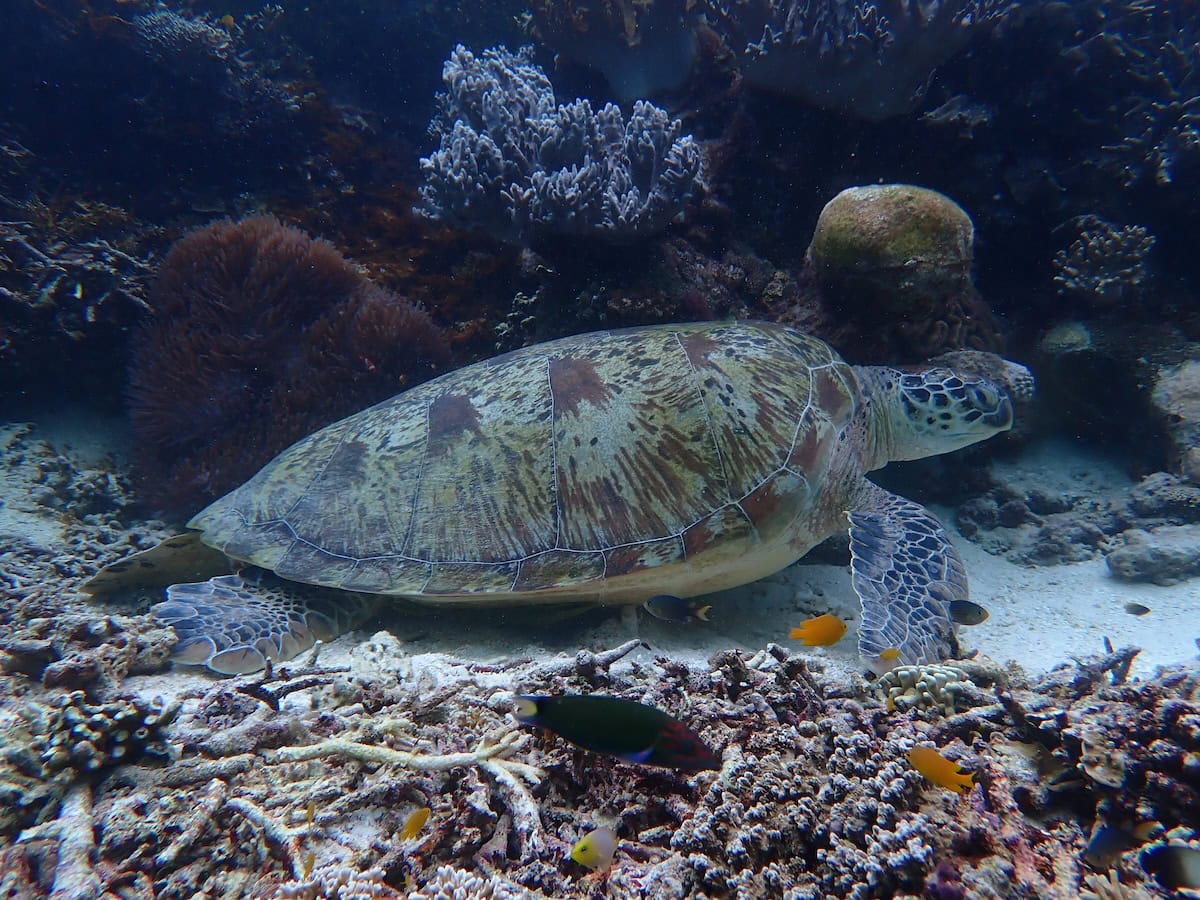
Green sea turtles are gentle grazers but also powerful ecological stewards—tending seagrass meadows and supporting coral reef systems that buffer temperature shifts and sustain an intricate network of ocean life. Photo by Alex Kattan
In the 16th and 17th centuries, explorers like Exquelemin witnessed a thriving marine environment where acres of seagrass stretched beneath turquoise waters, intermixed with vibrant coral reefs.
But as the age of European imperialism hit its zenith in the 18th and 19th centuries, the vast population of green sea turtles in the Caribbean became the fuel for a lucrative turtling industry driven by demand for turtle soup, which had become a delicacy throughout Europe.
Populations plummeted throughout the 20th century, driven by intensive harvest of turtles and their eggs, accidental capture in fishing gear, and other threats. By the mid-20th century, Caribbean green sea turtle populations had declined by an estimated 97 percent and were threatened with extinction. As populations reached crisis levels, governments began to recognize that intervention was necessary to prevent the species’ complete collapse.
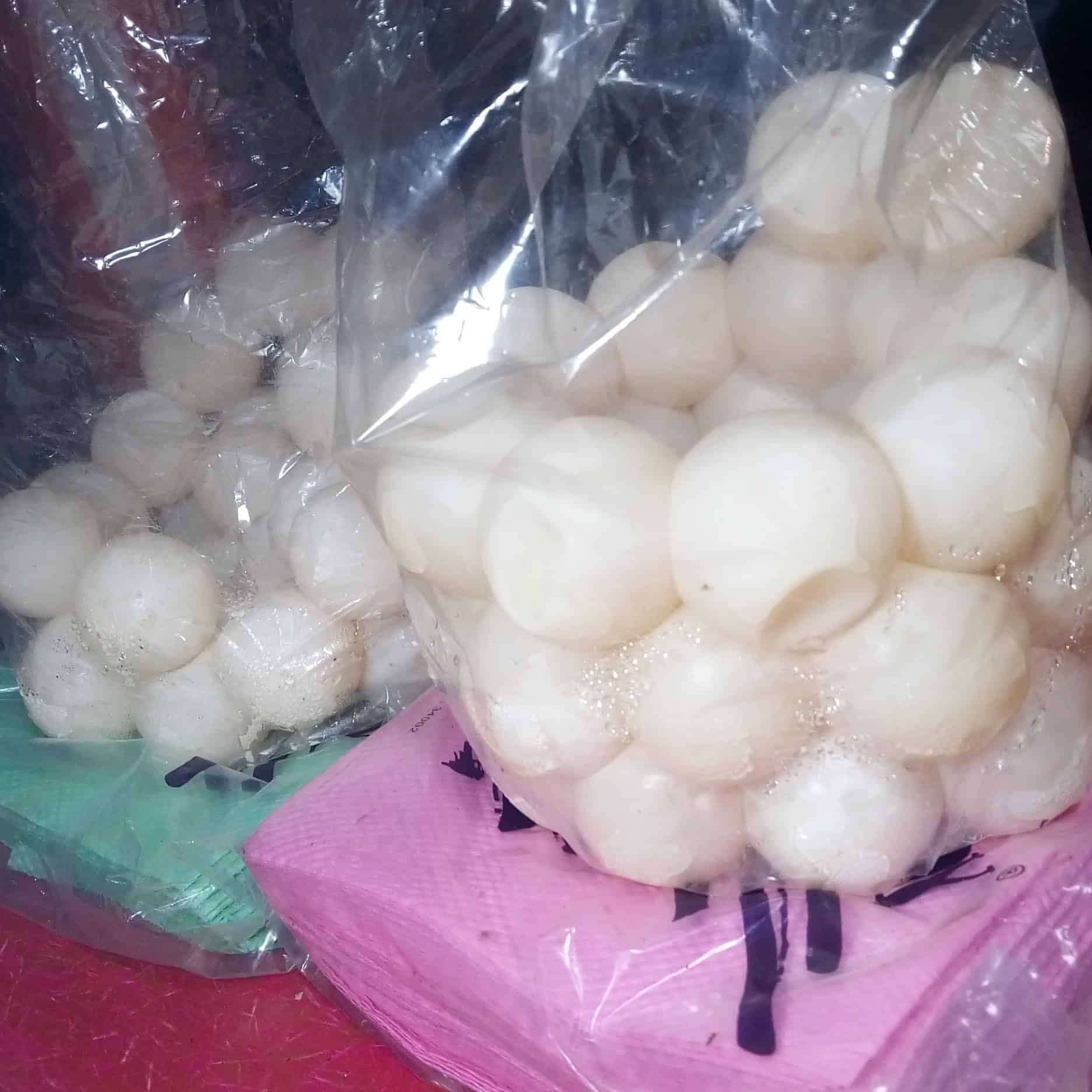
Turtle eggs are sold in markets in some regions as a traditional food source and medicinal purposes. Photo by Adela Hemelikova /Lusi Rahmayani
In 1973, the United States passed the Endangered Species Act, and green sea turtles were subsequently listed as endangered in 1978. Many other countries in the region followed suit with their own domestic laws, and the species was listed as globally “Endangered” by the IUCN in 1982.
But legal protections alone did not halt consumption.
“The animals were protected by the law in most cases, but the laws were not necessarily enforced,” says Roderic Mast, co-CEO and president of Oceanic Society and co-chair of the Marine Turtle Specialist Group of the International Union for the Conservation of Nature (IUCN).
In the 1980s, Roderic was researching sea turtle conservation along the Guajira Peninsula near Colombia’s border with Venezuela when he heard of a notorious green sea turtle slaughterhouse.
“Everybody knew that it was illegal,” says Roderic, who describes how the slaughterhouse owner, Doña Fefa, wore a necklace of tags she had taken from the flippers of harvested green turtles tagged by researchers in Costa Rica and elsewhere. “They had been captured offshore with large mesh nets put out specifically to catch passing sea turtles.”
Human consumption, in particular, has long been a key driver of the decline of green sea turtles, whose meat is highly valued by many cultures around the world, explains Roderic.
A Crisis That Demanded a Global Response
The plight of green sea turtles in the Caribbean is illustrative of similar patterns that have unfolded around the world. Commercial harvesting decimated populations in Southeast Asia and the East Indian Ocean throughout the colonial era. In Western Australia, for example, industrial-scale operations exported green sea turtle products until as late as 1973. Similar threats pushed populations to the brink throughout the Pacific, Atlantic, and Indian Oceans.
In 1975, the Convention on International Trade in Endangered Species of Wild Fauna and Flora (CITES), an international treaty organization with 184 members, listed sea turtles under Appendix I, effectively prohibiting most forms of international trade in sea turtles and related products. That, in addition to many countries issuing their own domestic bans on commercial harvesting, helped prevent the green sea turtle from becoming extinct.
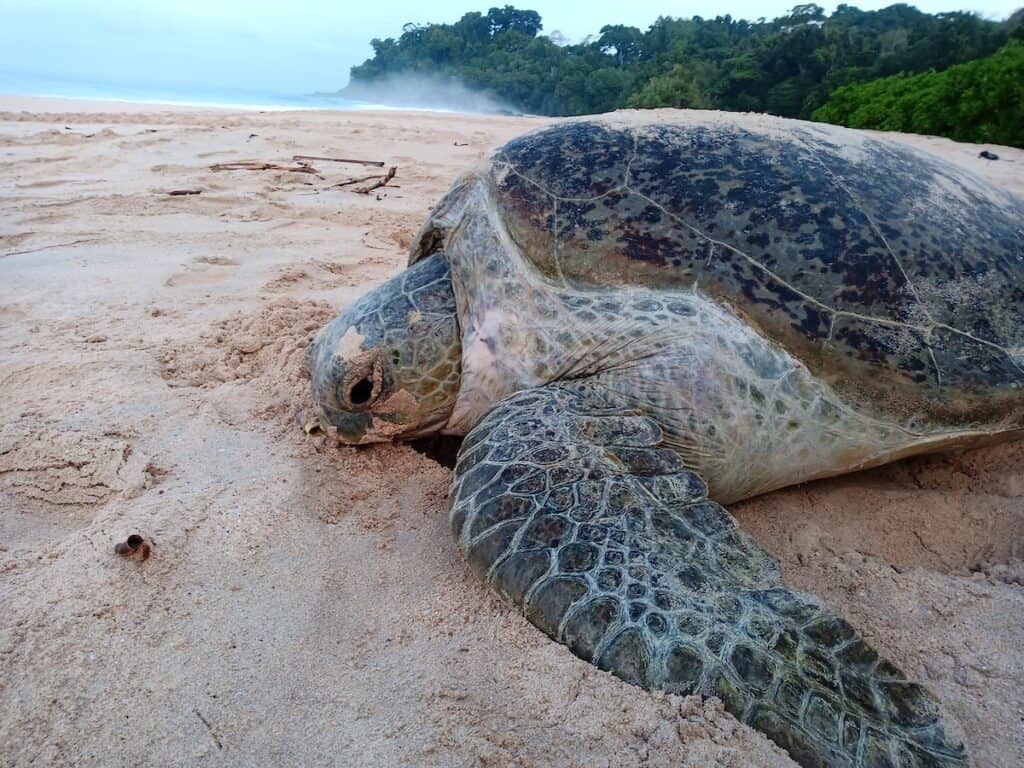
Both legal and illicit harvesting have continued over the decades, but it is a fraction of what it was at its industrial peak. Beyond the legal protections, many nonprofits have worked side by side with local communities to promote the long-term value of living sea turtles – for example, through tourism – rather than the short-term value of exploiting them for profit.
While green sea turtle consumption has declined dramatically, other significant threats have also emerged, such as plastic pollution, climate change, bycatch in fishing gear, and habitat loss, which continue to threaten green sea turtles.
Even amid these ongoing challenges, decades of conservation work were beginning to show results.
Then, in 2025, in an era of global biodiversity decline, it was a welcome milestone when the IUCN announced that green sea turtles had been lifted from endangered status for the first time, after more than four decades.
For conservationists who have been working to shift economies to value living sea turtles, advocate for legal protections, and coordinate global data collection, this was validation for the work they began decades ago. One clear example of this work can be seen along Brazil’s northern coast, where decades of local action have helped green sea turtles return to the beaches where they were once nearly lost.
Recovery on the Ground in Brazil
In the mid 20th century, after sea turtle populations in the Atlantic were decimated, the Brazilian government had no official record that any sea turtles nested on its shores. But whispers among local fishermen and tourists across the northern coast suggested otherwise.
In 1978, Neca Azevedo Marcovaldi was an oceanography student at the Federal University of Rio Grande do Norte when she and a group of like-minded classmates decided to venture to the coast of northern Brazil to see whether they could officially prove that sea turtles, including green sea turtles, still nested in their country.
“We could not accept that these prehistoric animals—true ambassadors of the oceans—were at risk of extinction with no initiatives in place to protect them, and so little known about their existence in our own country,” says Neca
The bright-eyed group of students patrolled the beach, walking village to village, interviewing fishermen for a year without actually seeing a sea turtle, though they did see tracks across the sand that they believed were left by nesting females.
“I never lost my faith during the process,” she says.
Then, one day, a local fisherman brought them a basket on the back of his donkey carrying an adult female olive ridley sea turtle – the first time they had seen a turtle. In the following year, they documented active nesting populations of five species of sea turtles, including green sea turtles on a secluded island off the coast.
But these small sea turtle populations were clearly vulnerable to extinction. On one particularly alarming night, the students witnessed a fisherman kill eleven sea turtles to harvest their meat and eggs. They learned that fishermen frequently and accidentally captured green sea turtles in their gear, incidents known as “bycatch,” and that locals who found nesting females often killed them for their meat and eggs.
“We were able to prove: yes, we do have sea turtles in Brazil. They nest from September to April. They are threatened by the direct use of the females and the eggs, and if we don’t do anything, they will be extinct,” says Neca.
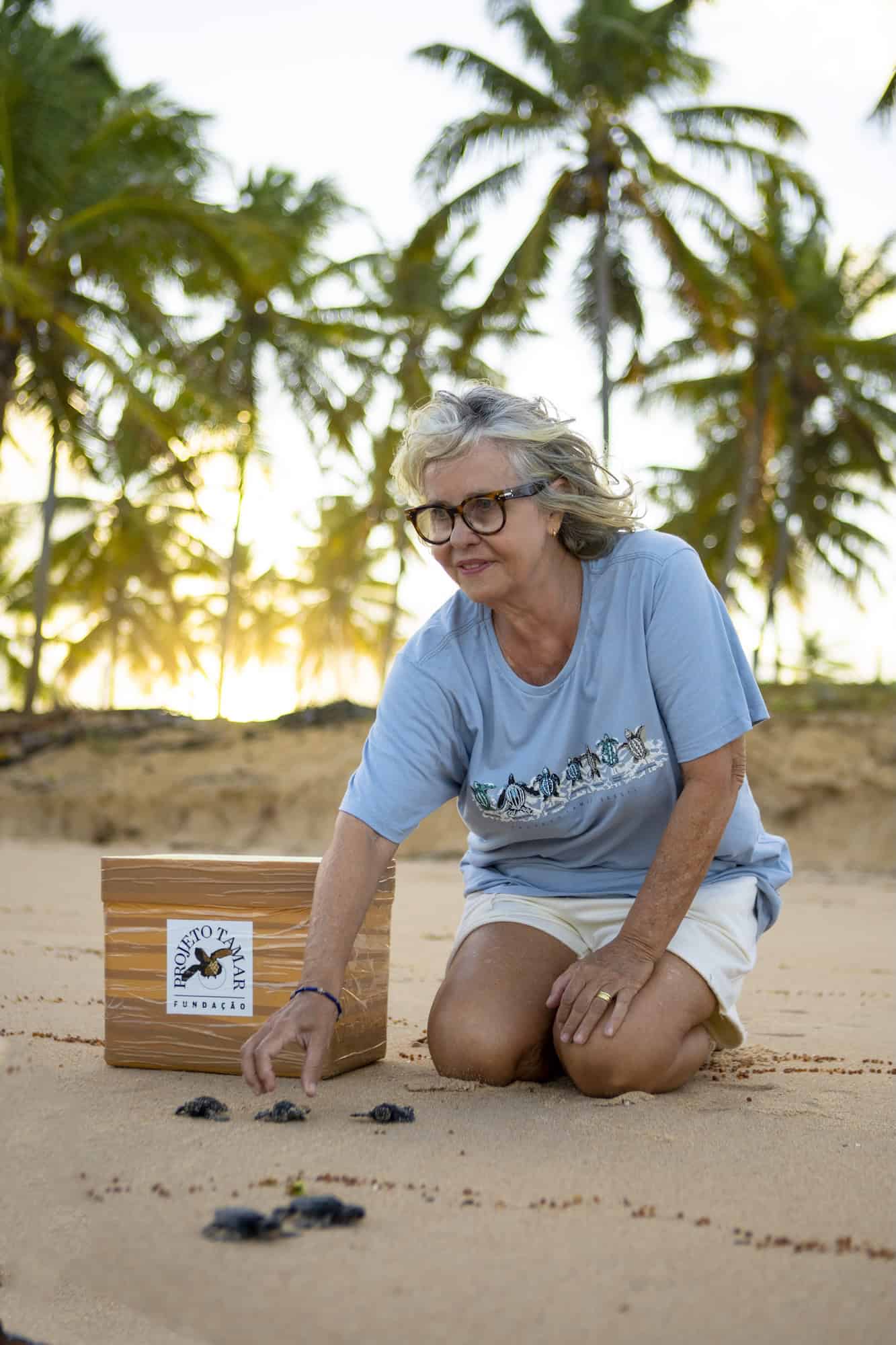
Neca Azevedo Marcovaldi, who leads Brazil’s National Sea Turtle Conservation Program—known as TAMAR—kneels on a Brazilian beach with newly hatched sea turtles. © Projecto TAMARThe experience inspired Neca and her colleagues to found Projeto Tamar, a sea turtle conservation nonprofit that today has been operating for over 40 years and is considered a model for sea turtle conservation programs around the world.
But when their team initially attempted to stop the poaching, their efforts were met with resistance. Many of the locals simply did not believe that extinction was even possible.
“‘How can man extinguish something that God put on the planet?’” Neca recalls being asked.
“We realized that we couldn’t arrive in these places where the culture was completely different from what we knew,” she adds, “You cannot just tell the old fishermen who used to eat eggs and turtles that from now on it is forbidden.”
To build up trust in the communities, Neca and her team moved to the fishing towns. The fishermen, they realized, knew the behavior of the sea turtles best, so they thought of a practical measure: pay the fishermen to monitor and protect nesting sites rather than exploit them for profit, thereby initiating a shift in the local economy to value the well-being of sea turtles.
“I think the biggest thing about sea turtle conservation in Brazil, and Tamar, is the connection of the local people – the fishermen – not only in a conceptual model, but in a practical way of life that benefits people who are proud of having their jobs by protecting sea turtles,” says Neca.
Forty years after their first beach patrol, Tamar has reshaped the communities where they work. Today, the nonprofit employs over 1,800 people and protects an estimated 40,000 individual nests for five sea turtle species, including green sea turtles, across 1,100 kilometers of coastline. Their advocacy efforts with policymakers have resulted in legal protections for turtles in Brazil, including designations for crucial habitats and improved fish hooks mandated for use by commercial fisheries to reduce bycatch mortality. Watch our short film about sea turtle bycatch and sustainable seafood choices →
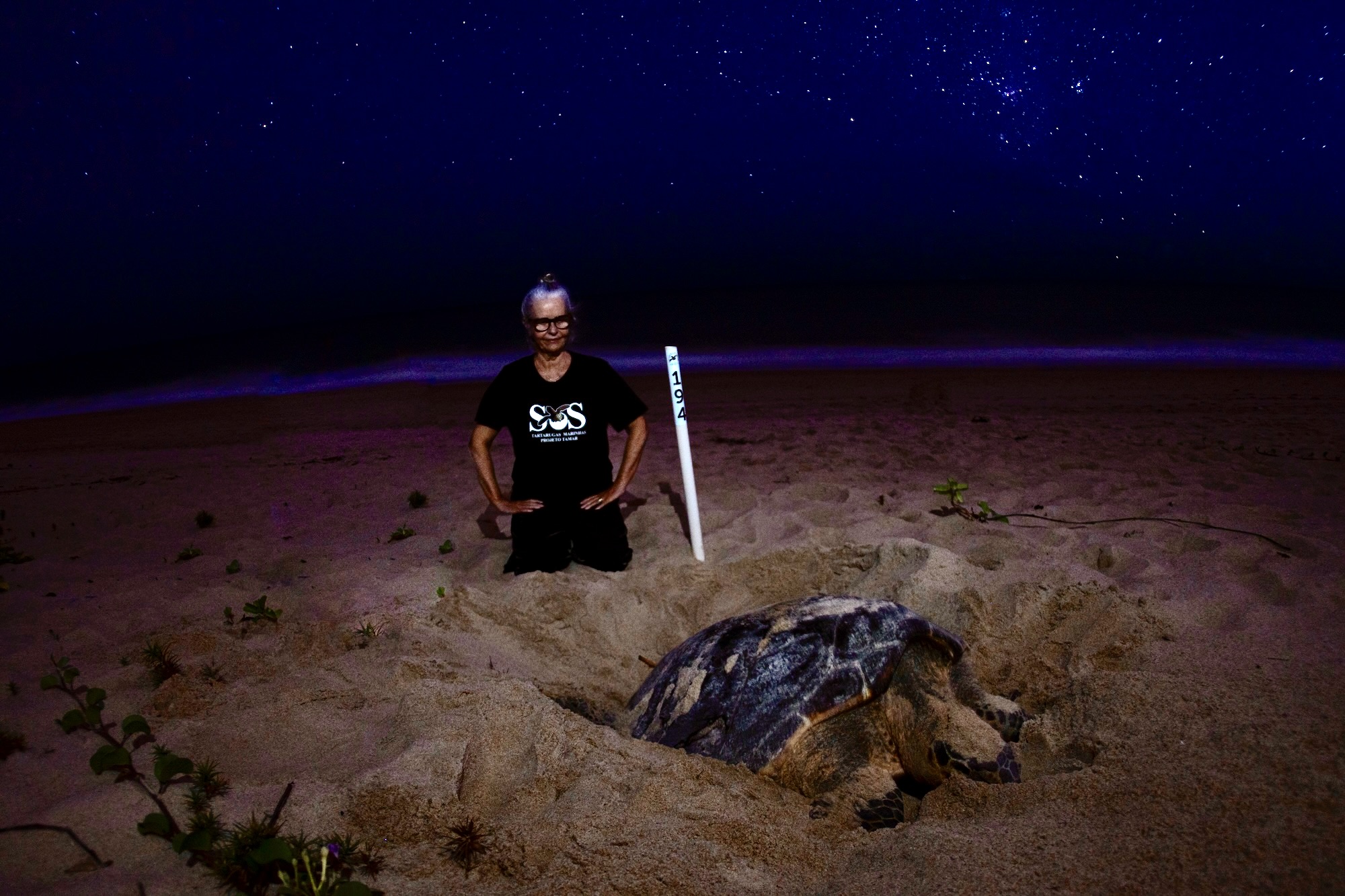
Under the night sky, Neca Marcovaldi kneels at a sea turtle nesting site. Projecto TAMAR protects an estimated 40,000 nests annually along 1,100 kilometers of Brazil’s coastline, supporting five sea turtle species, including green sea turtles. © Projecto TAMAR
Tamar’s conservation efforts are largely funded through revenue that is earned via ecotourism programs that immerse travelers in flourishing sea turtle habitats, as well as the sale of sea turtle-themed merchandise, such as clothing, that is designed and produced by local communities.
At the heart of Tamar’s success has been careful data collection on nesting sites and sea turtle behavior—a practice that was especially crucial forty years ago, when limited resources demanded strategic conservation efforts.
“We knew that we couldn’t cover 8,000 kilometers [the total coastline of Brazil] of protection without any resources,” says Neca. So they concentrated their efforts on three or four critical nesting areas they had discovered with their beach monitoring.
Over the years, they developed a deeper understanding of sea turtle behavior and the international scale of the conservation problem at hand.
For example, they learned that the meadows of seagrass offshore Fernando de Noronha, an archipelago off the northeastern coast of Brazil, are a vital foraging ground for green sea turtles from all over the region, and that entanglement in Brazilian fishing gear was driving declines in turtle populations nesting in faraway places like Costa Rica.
These discoveries highlighted how important international collaboration is to achieve the recovery of highly migratory species like green sea turtles.
Green sea turtles traverse vast stretches of ocean throughout their lives—some traveling up to 4,000 kilometers between feeding grounds and the beaches where they nest–and their nesting beaches span the coastlines of at least 80 countries across six continents. This global range has long made it challenging for conservationists to piece together a clear and comprehensive understanding of their overall conservation status.
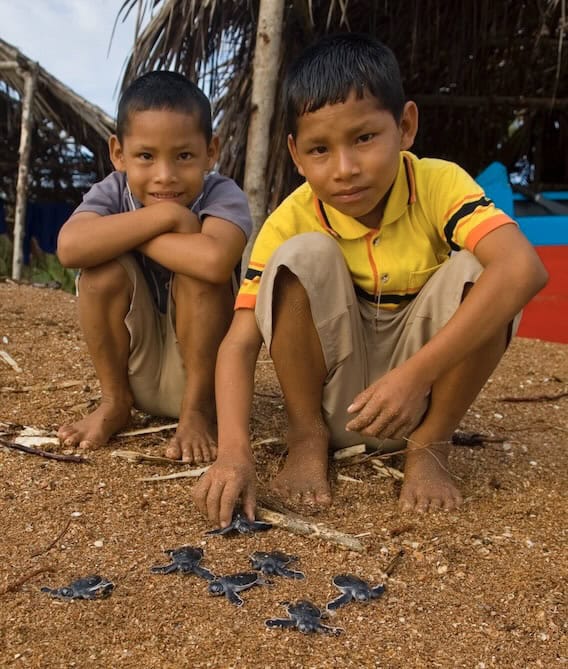
Two local Guyanan children crouch beside green sea turtle hatchlings © Roderic Mast
Drawing on the most comprehensive data available at the time, the IUCN re-listed the species as “Endangered” in 2003. The result appeared to confirm concerns that, despite the progress made by frontline organizations like Projeto TAMAR in stabilizing certain nesting populations in Brazil, green sea turtles worldwide were still facing significant threats.
But behind the scenes, a group of conservationists had launched an ambitious plan to collect and coordinate sea turtle data from all corners of the world for the first time, with the hopes that such collaboration would lead to a true global perspective on recovery efforts.
Taking a Global View on Sea Turtle Conservation
In the early 2000s, Roderic was building a sea turtle program at Conservation International together with his colleague, Brian Hutchinson, program officer at the IUCN Marine Turtle Specialist Group and, today, his co-CEO at Oceanic Society. To make the program effective at preventing sea turtle extinctions, they wanted to know where they should be focusing their work.
So they began asking seemingly simple questions about sea turtles’ status, like: Where do sea turtles nest and migrate? How many sea turtles are there? How are their populations doing in different places? Which species are most at risk, and where? And, who are the people working to save them, and where are they working?
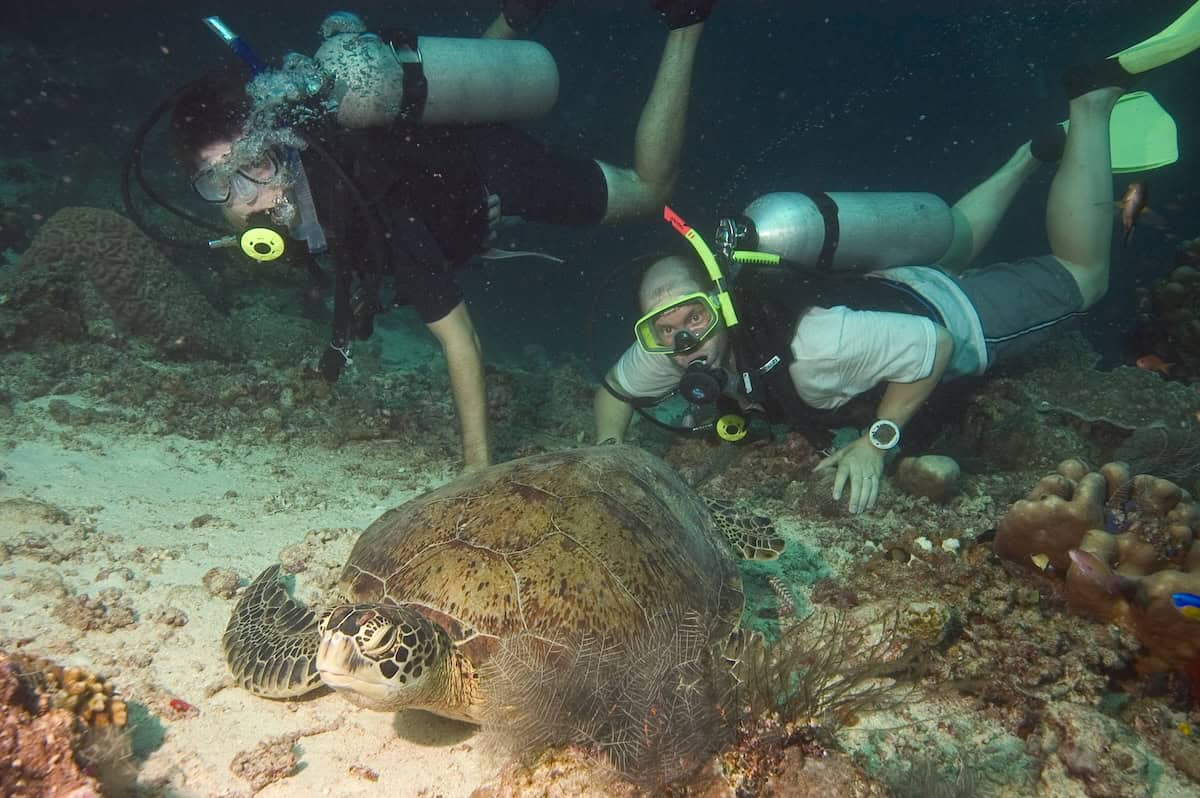
Roderic Mast and Brian Hutchinson scuba diving in 2005 during the early days of what would become the State of the World’s Sea Turtle (SWOT) program. At the time, they were building a global sea turtle initiative to map populations, track migration, and identify conservation priorities—efforts that today continue through SWOT’s free database and annual reports.
What they quickly realized was that those questions were largely unanswered. While some places, like Brazil, had decades of research showing clear evidence of recovery, no one had put together all of the pieces globally. And because sea turtles, especially greens, are so widespread—with nesting sites ranging from urban Mediterranean coastlines to remote and uninhabited islands in the South Pacific—huge gaps remained in global knowledge about their status. This led them to begin amassing as much information as was available on all seven species of sea turtles globally.
“In some cases, Brian was pulling data from books written in the 70s or earlier,” says Roderic,
The realization that there was a huge gap in the global understanding of sea turtles inspired Roderic and Brian to launch an ambitious project to build a vast partnership network of nonprofits, researchers, and other frontline groups with expertise in sea turtles, and to synthesize their data into a single, publicly-accessible database.
The initiative, which since 2012 has been a project of Oceanic Society, became known as the State of the World’s Sea Turtle (SWOT) program, and is centered around a comprehensive and free online database and an annually published report that shares the latest research and conservation news, synthesizes data into maps, and serves as a free tool for education, outreach, and conservation planning.
Today, SWOT is fueled by a global network with thousands of participating individuals and projects across six continents. But building this coalition took years of outreach, promotion, and building trust.
Roderic and Brian knew that green sea turtles would be one of the most difficult species to compile global data about due to their wide nesting range and large number of nesting sites. Instead, they chose to begin with leatherback sea turtles, then year-by-year they added a species or two to the database and built a network of research partners willing to share data collected from remote coastlines around the world.
“We had a list of every country in the world with a coastline, within the [leatherback’s] nesting range,” explains Brian, “We would go country by country in search of people working there, and bit by bit this grew into a global database.”
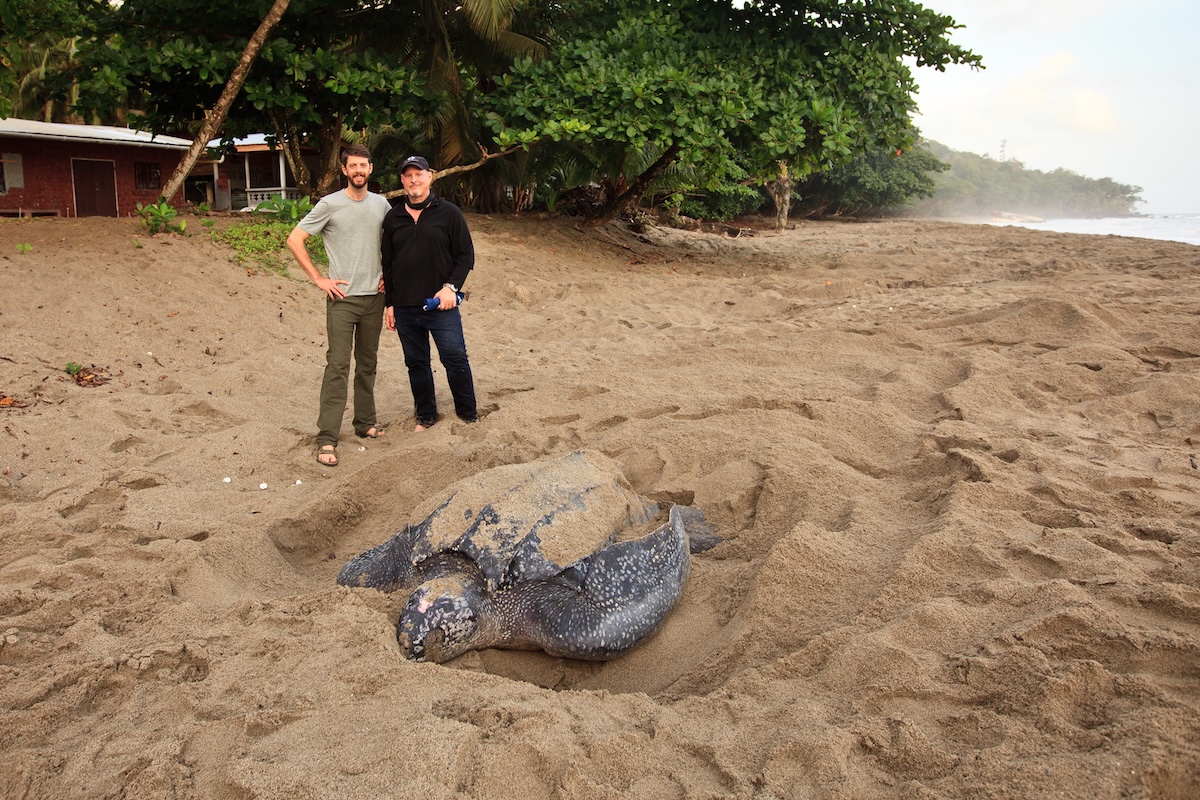
Rod and Brian on the beach in Trinidad in 2019 with a nesting leatherback sea turtle—one of the first species they focused on when launching the State of the World’s Sea Turtles (SWOT) program. What began as an effort to close critical data gaps has grown into a global network uniting thousands of partners across six continents to share research, map nesting populations, and strengthen sea turtle conservation worldwide.
Many of the conservationists with whom they sought to collaborate worked in ultra-remote settings without easy means of communication. In the mid-2000s, getting in touch sometimes required faxing documents and writing letters, with many weeks spanning between messages. But the efforts slowly paid off, and they published the first SWOT Report in 2006, containing the first comprehensive global map of leatherback nesting ever produced.
The first edition of the “Global Leatherback Nesting Map” had some major gaps, remarks Roderic, but it was trailblazing and served as a proof of concept for many within the sea turtle community. Encouraged by its potential, they continued to publish the SWOT Report annually. Each year, more collaborators from around the world saw the value and submitted their data, and they slowly expanded the database to include all seven species of sea turtles, publishing the first comprehensive maps of sea turtle distribution for every species along the way.
“There were a lot more projects than we anticipated,” says Brian. “Turtle people and projects of all sizes were just coming out of the woodwork.”
Data gathered by small beach monitoring groups in remote corners of the world have often been overlooked by mainstream researchers, in large part because their data rarely gets formally published, and there are few other mechanisms through which to share it. But it was exactly these kinds of partners that transformed SWOT into the most comprehensive sea turtle database in the world, because SWOT created a centralized forum through which everyone could share and publish their data, no matter how small.

Researchers from the Anambas Foundation monitor a nesting green turtle in Indonesia’s Anambas Islands. SWOT Report, vol 19 includes sea turtle data from throughout Southeast Asia. © Anambas Foundation
Today, data compiled in SWOT supports research and conservation efforts ranging from community education programs in remote villages to international advocacy by global nonprofits like the World Wildlife Fund, which is currently leveraging SWOT’s data on sea turtle migration paths to advocate for policy protections in places they are most vulnerable. SWOT also provides grants to conservation groups working in crucial sea turtle habitats that may otherwise not have funding
“Taking a global view has allowed us to see those areas of the planet where conservation efforts are limited, or where there’s an issue that needs to be studied,” says Roderic. This process has also helped scientists more accurately assess the conservation status of species at a high level.
Good News for the Green Turtle
What began as scattered reports from places like Brazil, Australia, Japan, and the U.S. eventually coalesced into a clear global pattern. Green sea turtles were recovering far more than previously expected in 2003, confirming the beliefs of many frontline conservationists.
SWOT’s long-term dataset became an important reference in the broader body of evidence used by IUCN when it reclassified green sea turtles from “endangered” to “least concern” in 2025.
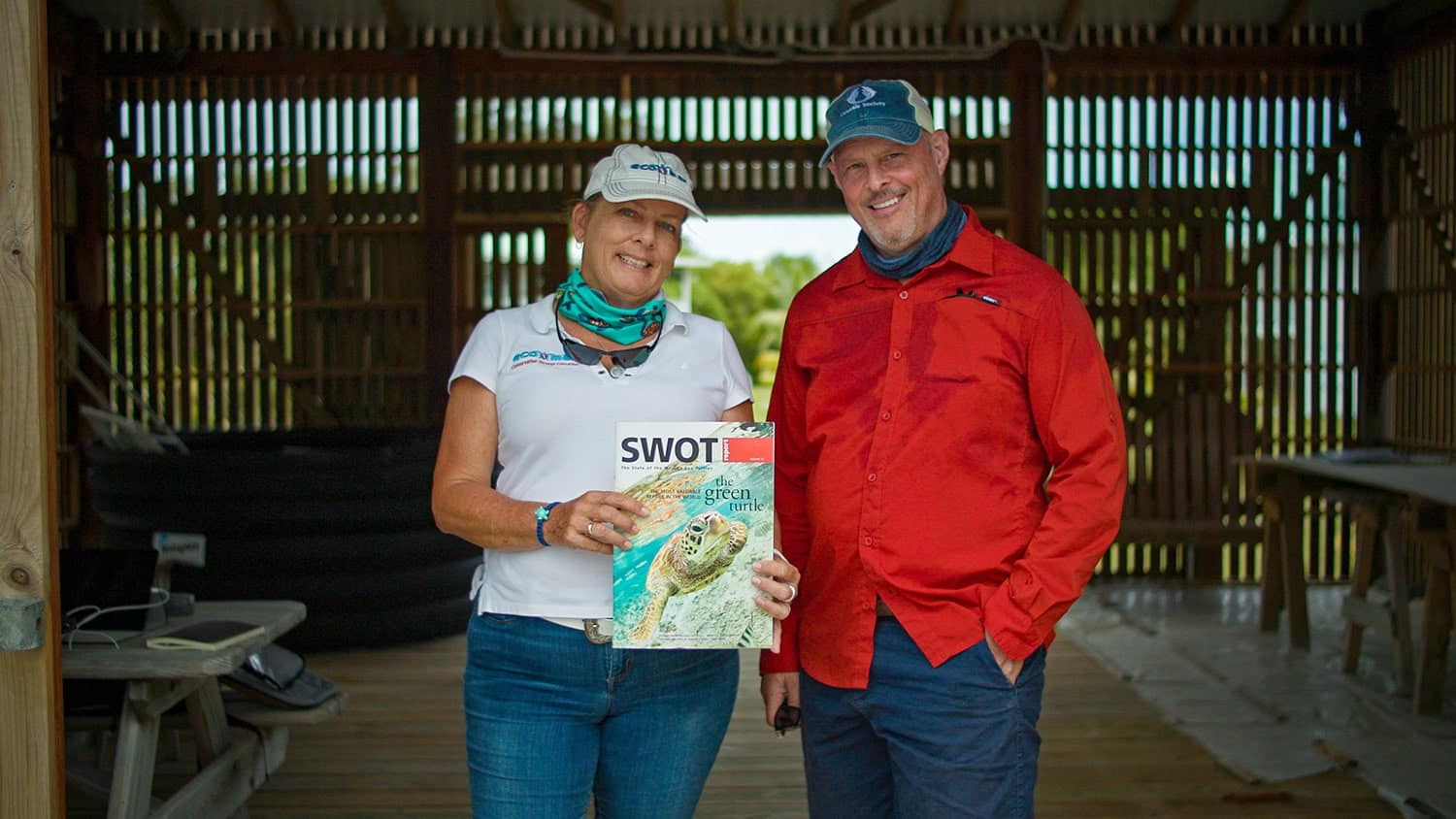
ECOMAR founder Linda Searle and Oceanic Society CEO Roderic Mast pose with a copy of the State of the World’s Sea Turtles (SWOT) Report. ECOMAR will use content from the SWOT program as part of a new educational display that was supported by Oceanic Society.
One of the key roles it played was in helping researchers subdivide green sea turtles (and other sea turtle species) into distinct subpopulations, which IUCN also assessed for the first time.“There was no way we could really, honestly assess the status of these animals until we were able to break them down into their individual subpopulations,” says Roderic. The new subpopulation assessments provide a more nuanced picture than the global listing of “least concern,” indicating where green sea turtles are thriving – like in Brazil, where the subpopulation is “least concern” – and where they are still struggling, like the Central South Pacific, where they are “endangered.”
Evidence of green sea turtles’ improved status is easy to find in Brazil.
“When we started our work, there were kids who were 18 to 20 years old and had never seen a hatchling,” says Neca. Now, after years of protecting sea turtle nests, Neca shares the joy of watching children witness hatchlings make their first journey across the sand to the ocean. These moments help children understand exactly what it means to protect a sea turtle egg, says Neca.
But both Roderic and Brian warn that just because green sea turtles are no longer globally endangered according to the IUCN, the conservation work is not finished.
“Those of us in the conservation community want to make it pretty clear that this doesn’t mean that everything is fine now,” says Brian.
Conservation efforts like Tamar have been key for green sea turtle recovery, and Brian, Roderic, and many other conservationists consider green sea turtles to be “conservation dependent,” meaning if those efforts were to stop, the species could backslide once again.
“Having green turtles as no longer endangered – that’s great,” says Roderic, “But that doesn’t mean we can look away. We can’t take our eyes off the ball for a second.”
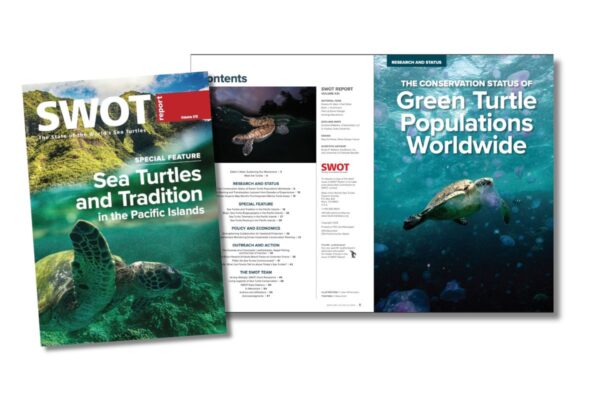
See the Latest: SWOT Report, vol. 21
The 21st issue of SWOT Report features maps and a special article on sea turtles and traditions in the Pacific Islands written by experts in the region. Other articles include updated statuses of green turtle populations, Costa Rica’s newest arribada beach, and more.