
Your Travel Advances Ocean Conservation
When you join an Oceanic Society expedition, your travel directly supports plastic pollution cleanup, local conservation projects, and coral reef restoration. These meaningful conservation initiatives are made possible through the Expedition Impact Program, funded by Oceanic Society and partners who share our mission for every booking made with us.


Travel That Protects Oceans and Communities
Since 1969, Oceanic Society has used travel as a powerful tool for conservation, supporting communities and conservation efforts across the destinations we explore. Each of our expeditions is designed to immerse travelers in the ocean’s beauty and advance our mission of building a healthier future for the sea and those who depend on it.
Through the Expedition Impact Program, every traveler contributes to meaningful and tangible conservation outcomes—reducing ocean plastic, funding critical conservation projects, and restoring reefs for future generations.
Funded by Oceanic Society, with additional support from mission-aligned operators and traveler donations, the program ensures your expedition has a lasting impact long after you return home.
Impact Stories
Explore stories from our Expedition Impact Program to learn more about how Oceanic Society travelers are supporting ocean conservation on the ground.
Plastic Pollution Offset
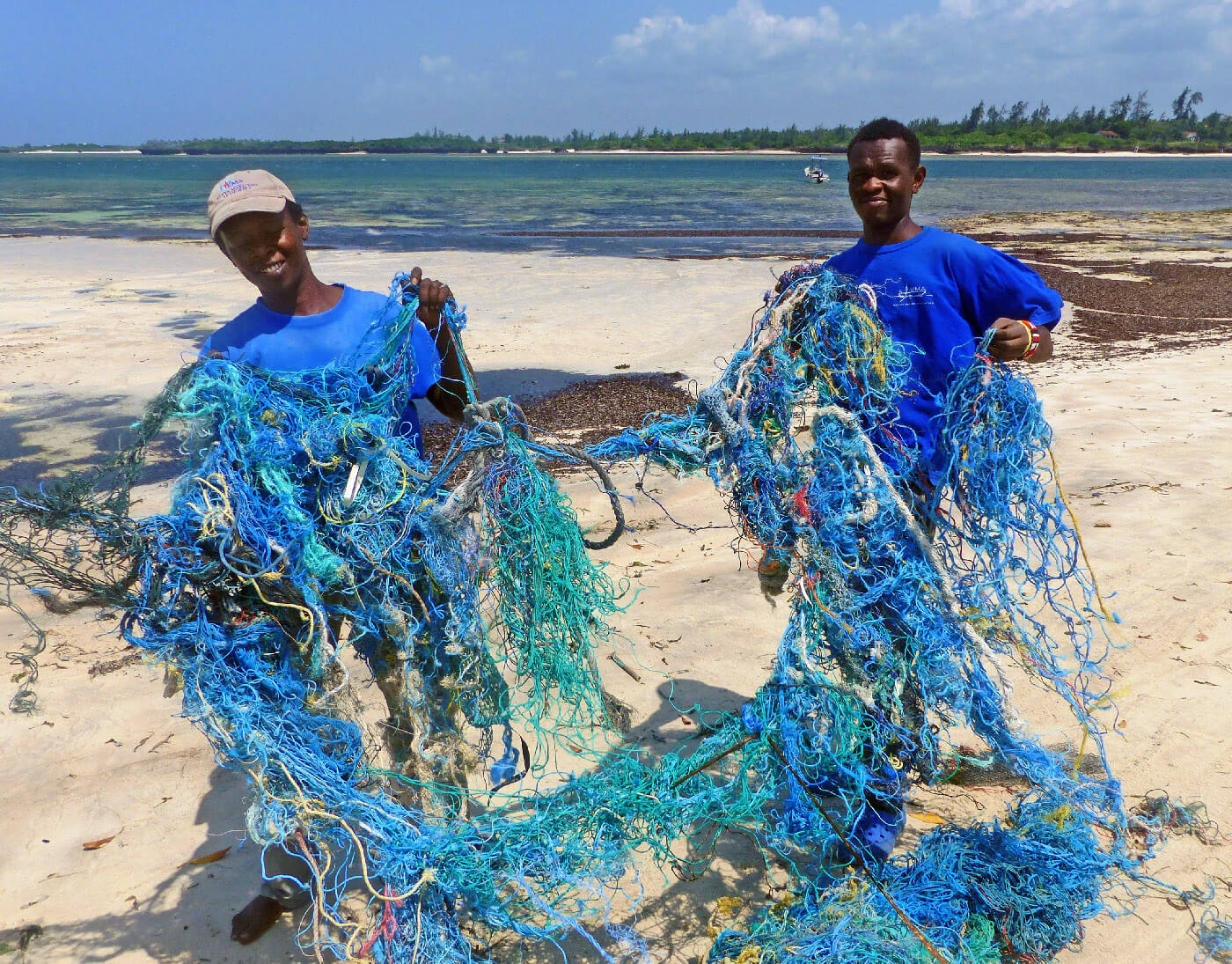
200 pounds of ocean trash removed for every traveler
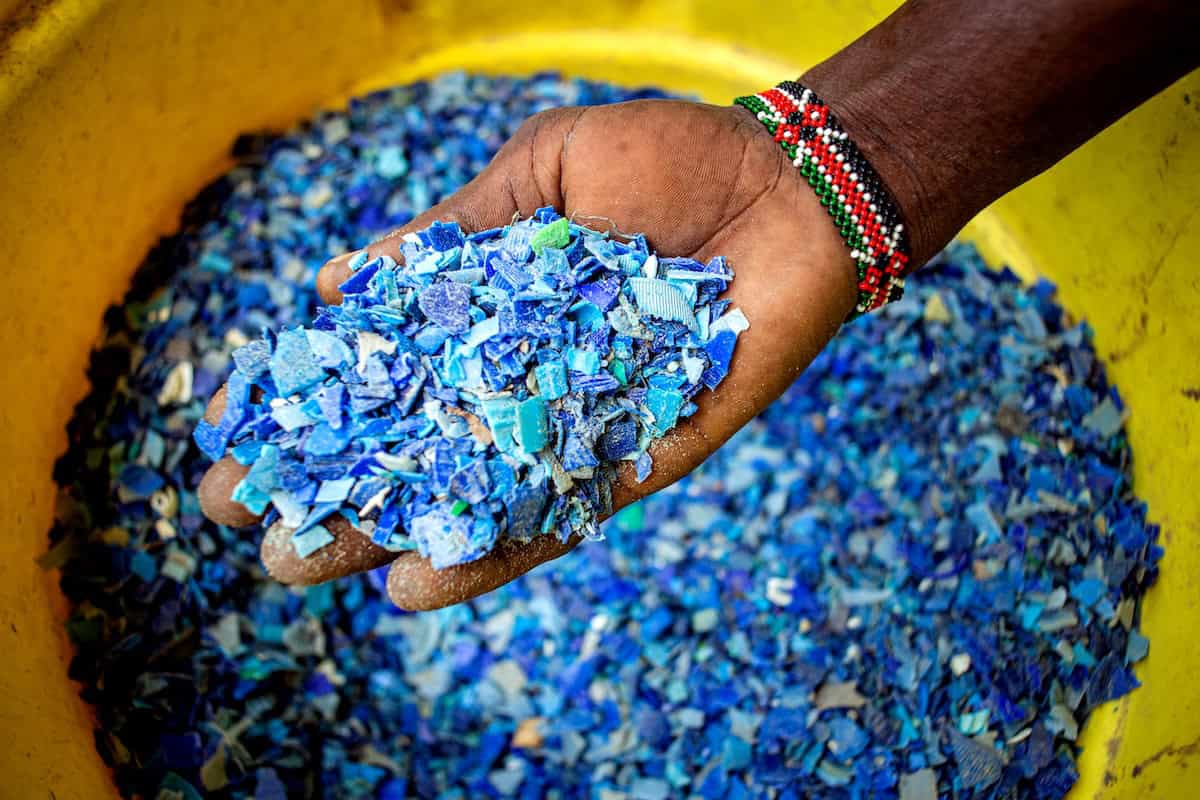
For every traveler, Oceanic Society funds four days of waste collection, providing salary support to local beach cleaners in Watamu, Kenya, and Alor, Indonesia, through our partners at Watamu Marine Association and Planet Deep. Each worker removes an average of 50 pounds of marine litter per day, clearing plastics, fishing gear, glass, and other litter from the coast. In Kenya, waste is processed by EcoWorld Recycling, a community-run social enterprise that turns “trash into cash” by recycling, upcycling, and safely disposing of materials—creating jobs and reinvesting in conservation.
NEW IN 2026
Coral Restoration
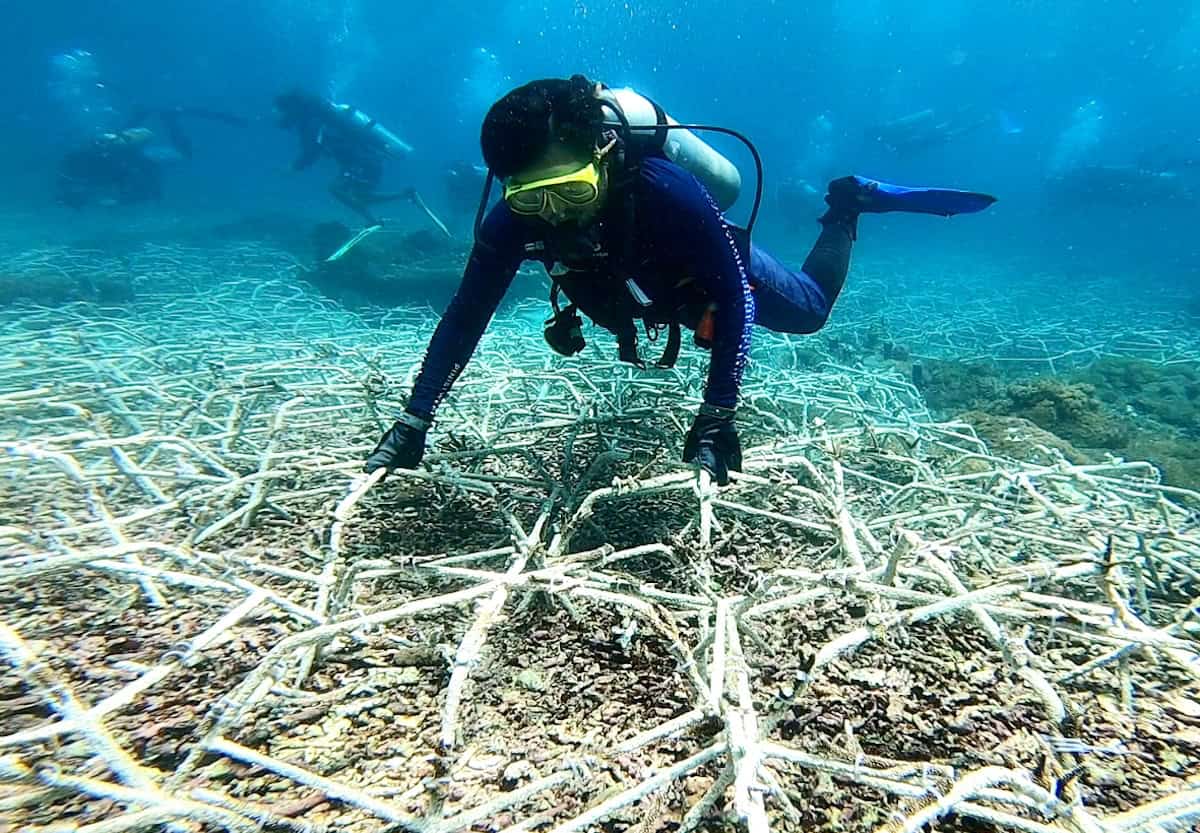
Three Corals Planted Per Traveler
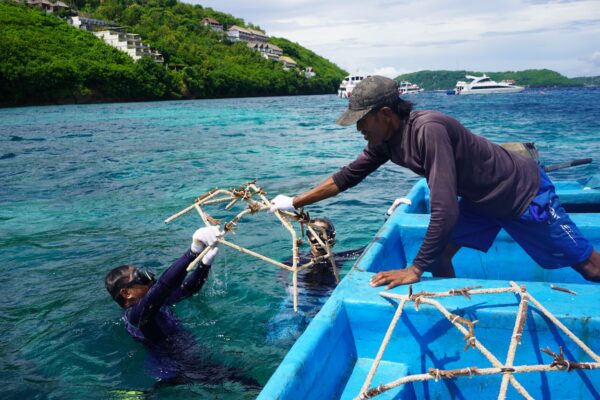
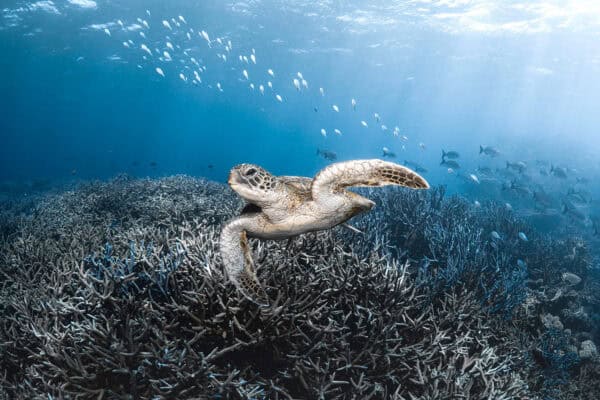
Coral reefs support a quarter of all marine life, yet they are disappearing at alarming rates. The Expedition Impact Fund invests in coral restoration initiatives that rebuild reef habitats and strengthen ecosystem resilience worldwide. In partnership with the Coral Triangle Center, every expedition passenger helps plant three climate-resistant corals in the Nusa Penida Marine Protected Area off Bali, Indonesia—a region Oceanic Society has traveled to for more than three decades.
Conservation Grants
Financial support that empowers local conservation groups
For every booking, we contribute to a conservation grants fund that provides critical support to local conservation partners in the regions we visit. Each year, we award grants to grassroots nonprofits addressing key challenges in marine conservation, including research and monitoring, community-led conservation efforts, and initiatives that create sustainable livelihoods tied to wildlife protection—helping communities earn income while safeguarding the species and habitats they depend on.
Grants range from $1,000–$10,000 per project, ensuring that conservation is locally driven, effective, and connected to real-world impact.

Program Impact To Date
Since the launch of our grants program in 2019 and plastic pollution efforts in 2022, the Expedition Impact Program has had a profound impact thanks to our travelers and supporters. In 2026, our impact expands to include coral restoration in partnership with the Coral Triangle Center—advancing a global movement for ocean conservation.
Plastic Pollution Offset
145 Tons
of trash removed from coastlines through our Plastic Pollution Offset Program
Local Conservation Grants
$25,000
awarded in small grants supporting community-based marine conservation efforts
Coral Restoration
New in 2026
In support of the Coral Triangle Center's goal to restore 6,000 m² of reef in Nusa Penida MPA
Exeditions that Support Ocean Conservation
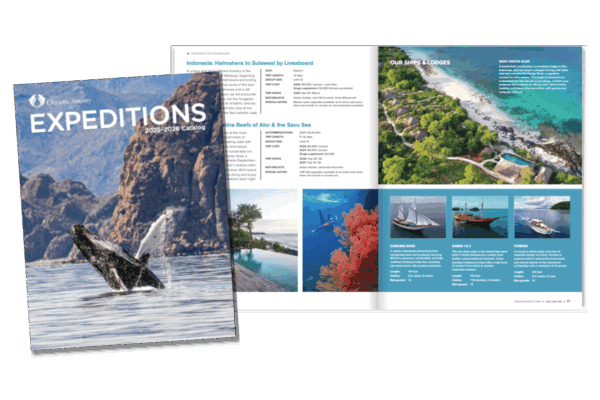
Download our free travel catalog and explore 40+ expeditions that support ocean conservation through nature and wildlife immersion.