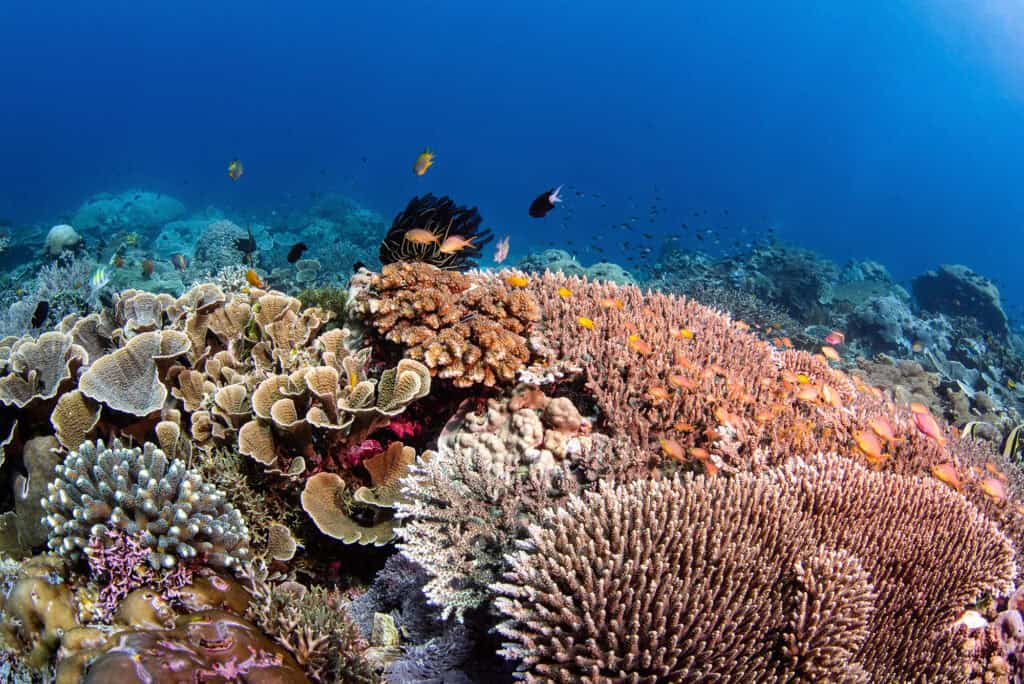
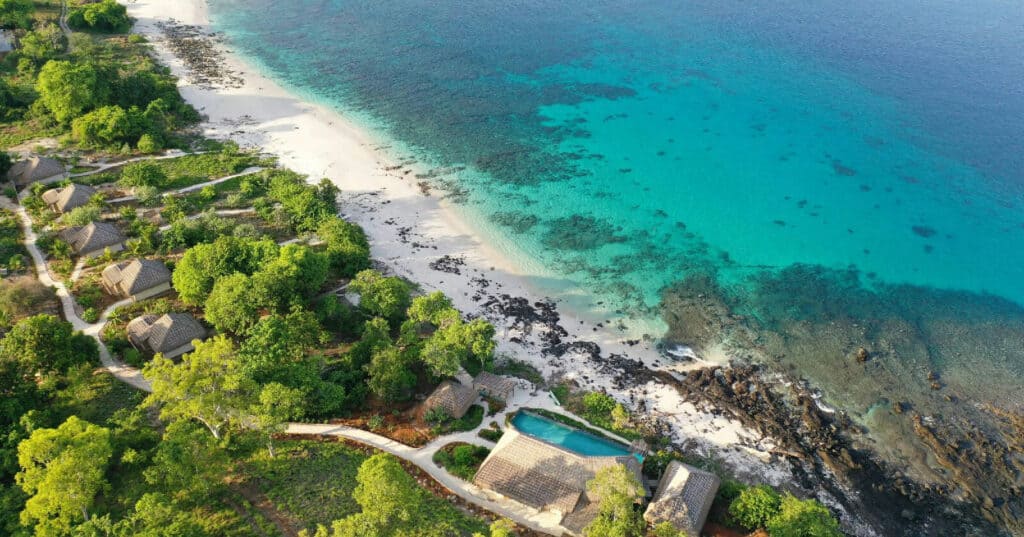
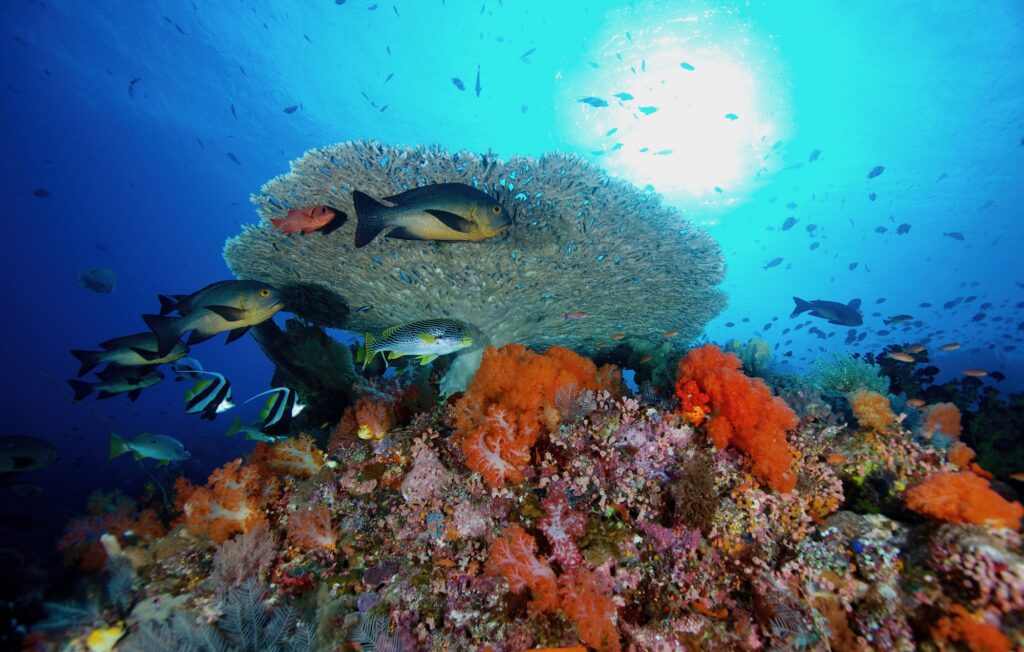
Coral reefs are some of the most vibrant and critical ecosystems on the planet. They’re home to more than a quarter of all marine life, are essential for ecological balance, and act as natural shields against coastline erosion. Beyond their environmental role, coral reefs sustain the livelihoods of hundreds of millions of people and generate billions of dollars for the global economy through fishing and tourism.
Today, as coral reefs face escalating threats from climate change, pollution, and other human activities, urgent action is needed to restore these vital ecosystems. Oceanic Society is proud to partner with the Coral Triangle Center (CTC) to help regenerate reefs within Indonesia’s Nusa Penida Marine Protected Area (MPA), a globally recognized marine Hope Spot near Bali.
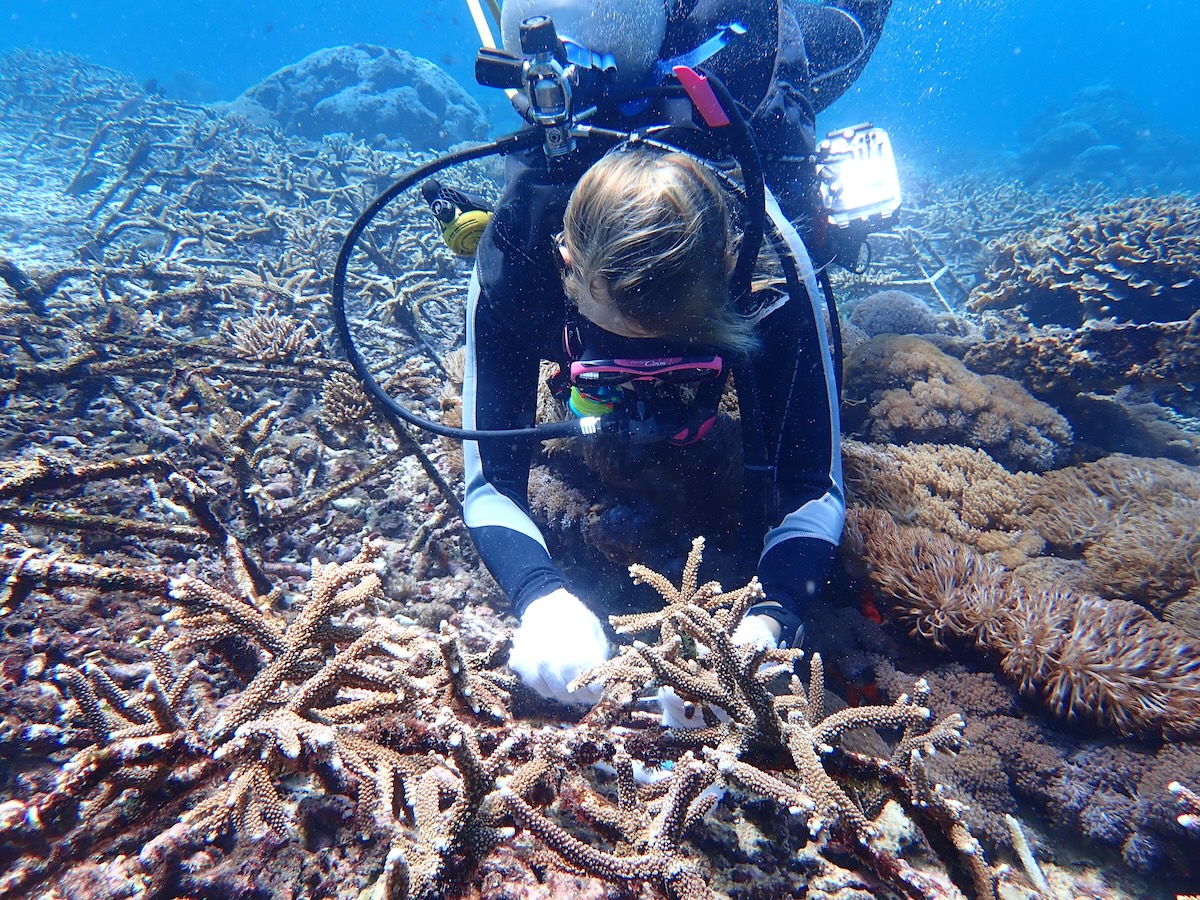
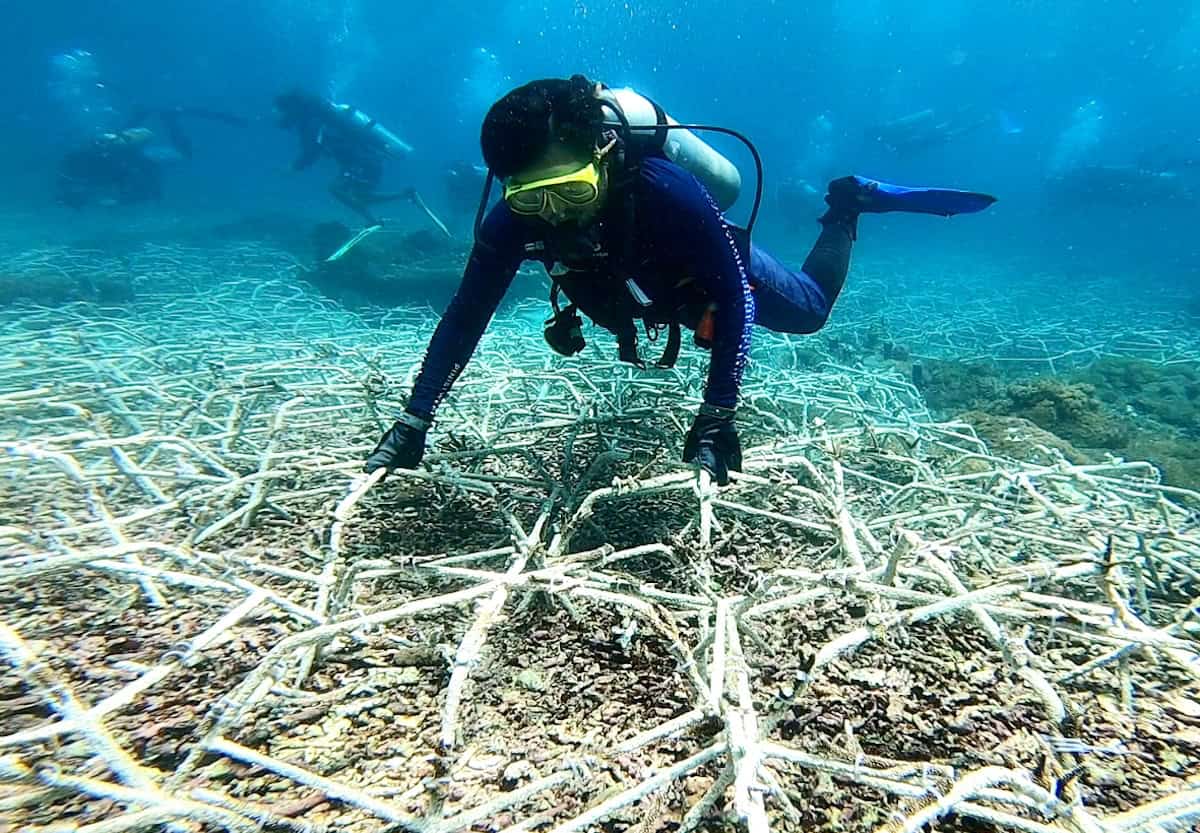
A trained diver conducts an assessment of coral growth progress on an established Reef Star structure during routine monitoring in coral reef restoration projects. ©Coral Triangle Center
Regenerative Travel in Action
Since 1969, Oceanic Society has viewed travel as a powerful tool for conservation and for deepening our connection to the natural world. Our founders understood that the most effective way to inspire care for the ocean was to connect people directly with marine environments through first‑hand experiences. Over decades, we have seen how travel, when done thoughtfully, can drive real conservation outcomes and support sustainable local communities. Today, with climate change and ecological decline, sustainable tourism, which focuses on simply doing no harm, is no longer enough. Travel must now leave every place stronger, richer, and more alive than when it was found.
Regenerative tourism goes beyond reducing harm or one-off offsets. It actively supports ecological restoration, invests in community wellbeing, and engages travelers as partners in conservation.
For Oceanic Society, these ideals are central to how we design and lead our expeditions, aiming to ensure that we leave our destinations better than we found them. We partner with local researchers and conservationists, support sustainable livelihoods, contribute park fees, and, through our Expedition Impact Program (EIP), fund global conservation initiatives for every booking.
In 2026, coral restoration became a core pillar of this program. For every traveler on a multi-day expedition, three climate-resistant coral fragments are planted in Nusa Penida. This means that each journey directly contributes to reef recovery while connecting travelers to the ecosystems they explore. Coral restoration is now a tangible way for travelers to participate in conservation, making every expedition an opportunity to support healthy oceans and resilient communities.
The Coral Triangle Center: A Leader in Reef Conservation
The Coral Triangle Center is a nonprofit organization dedicated to conserving marine biodiversity and promoting sustainable management of marine and coastal resources throughout the Coral Triangle. Though they are based in Bali, the foundation supports on-the-ground conservation efforts in Malaysia, the Philippines, Papua New Guinea, the Solomon Islands, and Timor-Leste.
Their work spans sustainable fisheries management, Marine Protected Area implementation, coral reef restoration, and community training programs that empower local stewards of the ocean. By helping communities and governments balance conservation with livelihoods, CTC creates real solutions that benefit both nature and people.
This deep expertise, strong relationships with local stakeholders, and decades‑long presence in the region were key reasons Oceanic Society chose CTC as a coral restoration partner.
Indonesia’s Nusa Penida Marine Protected Area
The coral restoration work supported by Oceanic Society takes place within the Nusa Penida Marine Protected Area, just southeast of Bali. This MPA covers over 20,000 hectares across the islands of Nusa Penida, Nusa Lembongan, and Nusa Ceningan, providing sanctuary for nearly 300 coral species, 500+ reef fish species, manta rays, turtles, and other marine life.
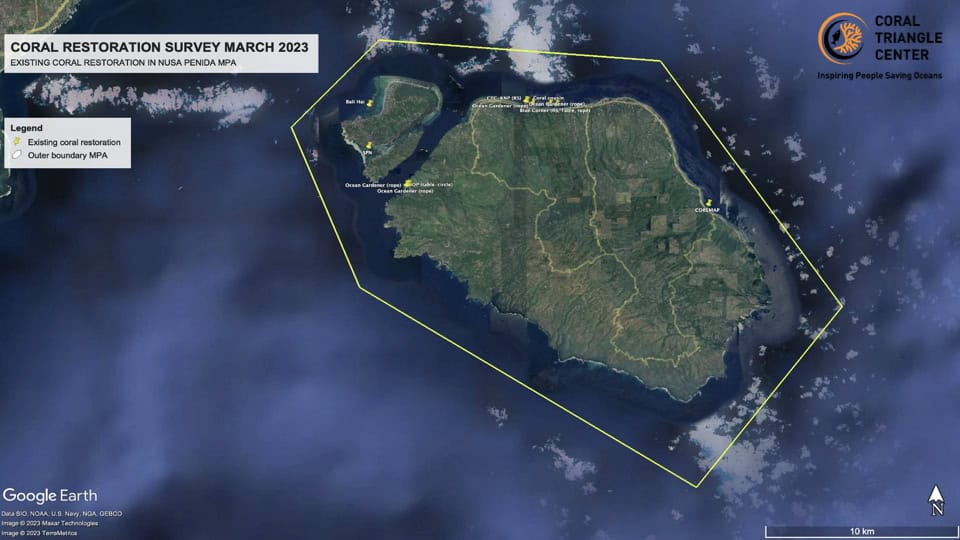
The Nusa Penida MPA, established in 2010, is located off the southeast coast of Bali, covering an area of 20,057 hectares, and surrounds a group of three islands: Nusa Penida, Nusa Lembongan and Nusa Ceningan. ©Coral Triangle Center
Since 2008, CTC has supported the development and management of the Nusa Penida MPA, working alongside government agencies and local communities to ensure its long‑term success.
Within this region, CTC restores degraded reefs impacted by unsustainable tourism practices or storm damage using the Mars Assisted Reef Restoration System (MARRS) and other environmentally appropriate methods, in collaboration with the government and local communities.
Restoring Coral Reefs With The MARRS Method
The Mars Assisted Reef Restoration System (MARRS) is a science‑based method designed to accelerate recovery on degraded reef sites. This method uses specially engineered structures called Reef Stars, which are durable, steel frameworks coated with resin and sand that mimic the complexity of natural reef formations.
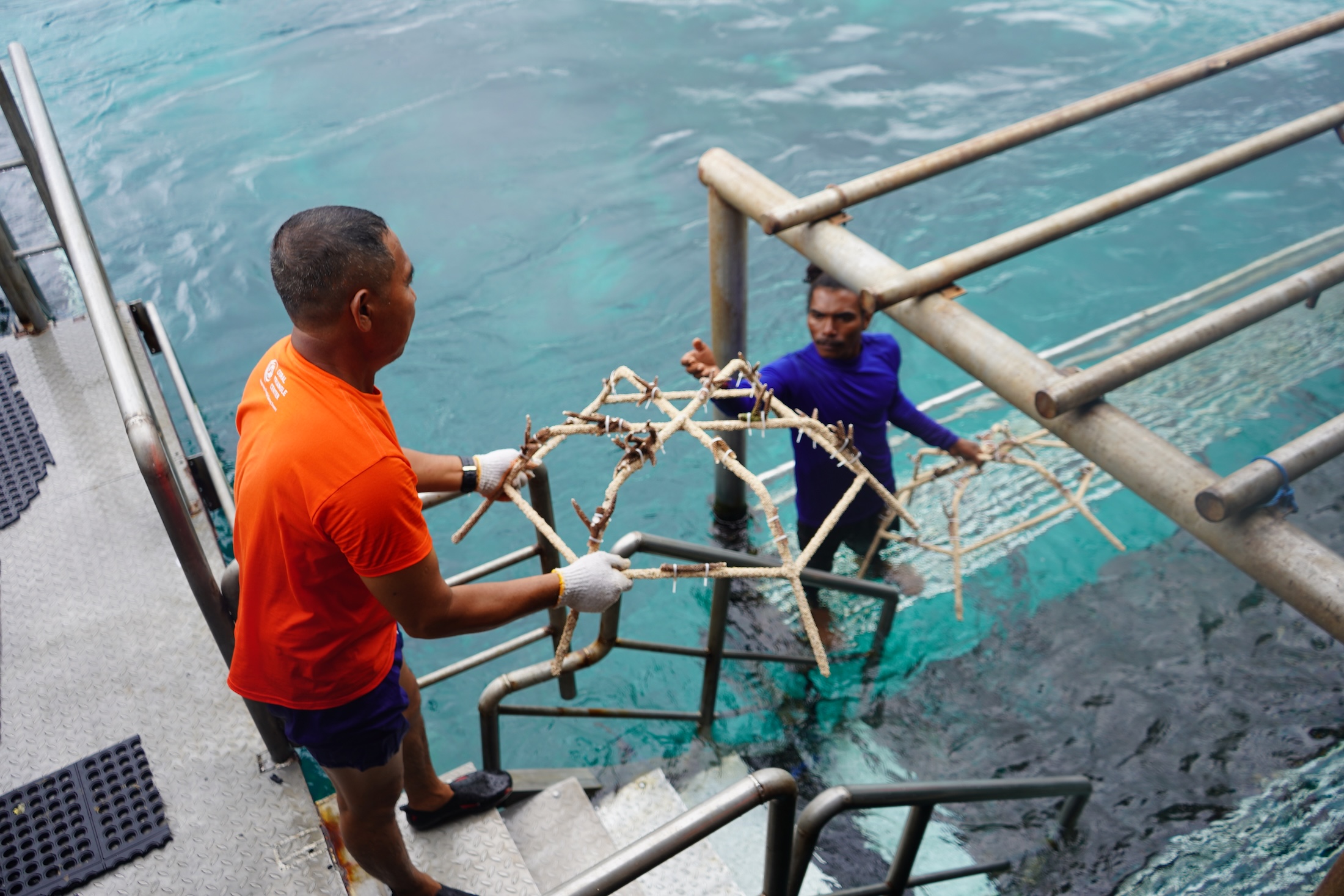
The installation of Reef Stars in Nusa Penida, Indonesia, forms a key component of ongoing coral reef restoration efforts within the Nusa Penida Marine Protected Area (MPA) ©Coral Triangle Center
How the MARRS method works in practice:
- Reef Stars are installed in areas where reef frameworks have been broken or eroded.
- Coral fragments, often from broken pieces that could not survive on their own, are attached to the structures.
- The combination of Reef Stars and coral fragments provides stability, encourages growth, and creates habitat for reef‑dependent organisms.
In collaboration with local government agencies, the area is surveyed annually to assess ecological health, track conservation outcomes, and inform adaptive management strategies. These surveys help ensure that efforts evolve with shifting environmental pressures.
Post-installation monitoring tracks coral survival, growth rates, and ecological recovery, with ongoing community involvement ensuring long-term sustainability. ©Marthen Welly, Coral Triangle Center
Coral Restoration Impact to Date
1,088 Reef Stars Installed
16,320 Coral Fragments Transplanted
652.4 m² of Destroyed Reef Restored
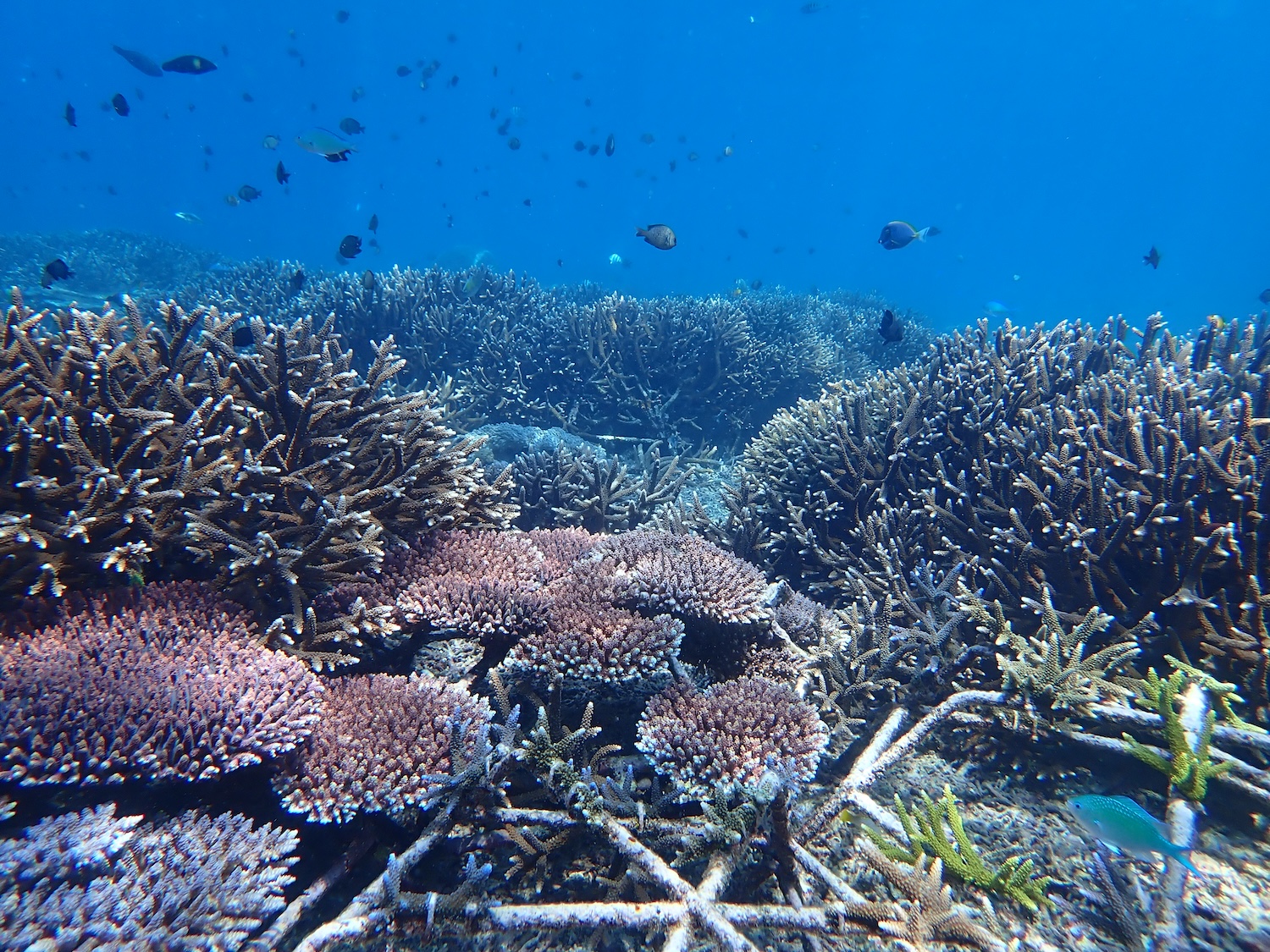
These metrics reflect CTC’s work within the Nusa Penida MPA as of December 2025. Each reef star and coral fragment planted contributes to rebuilding complex reef architecture, which supports life and enhances resilience.
A Living Laboratory for People and Nature
Nusa Penida isn’t just a protected space. It’s also a learning site where government officials, community groups, scientists, students, and NGOs can gain hands-on experience, and enable learning exchanges in the Coral Triangle and beyond. The knowledge shared here helps strengthen marine protection efforts across regions.
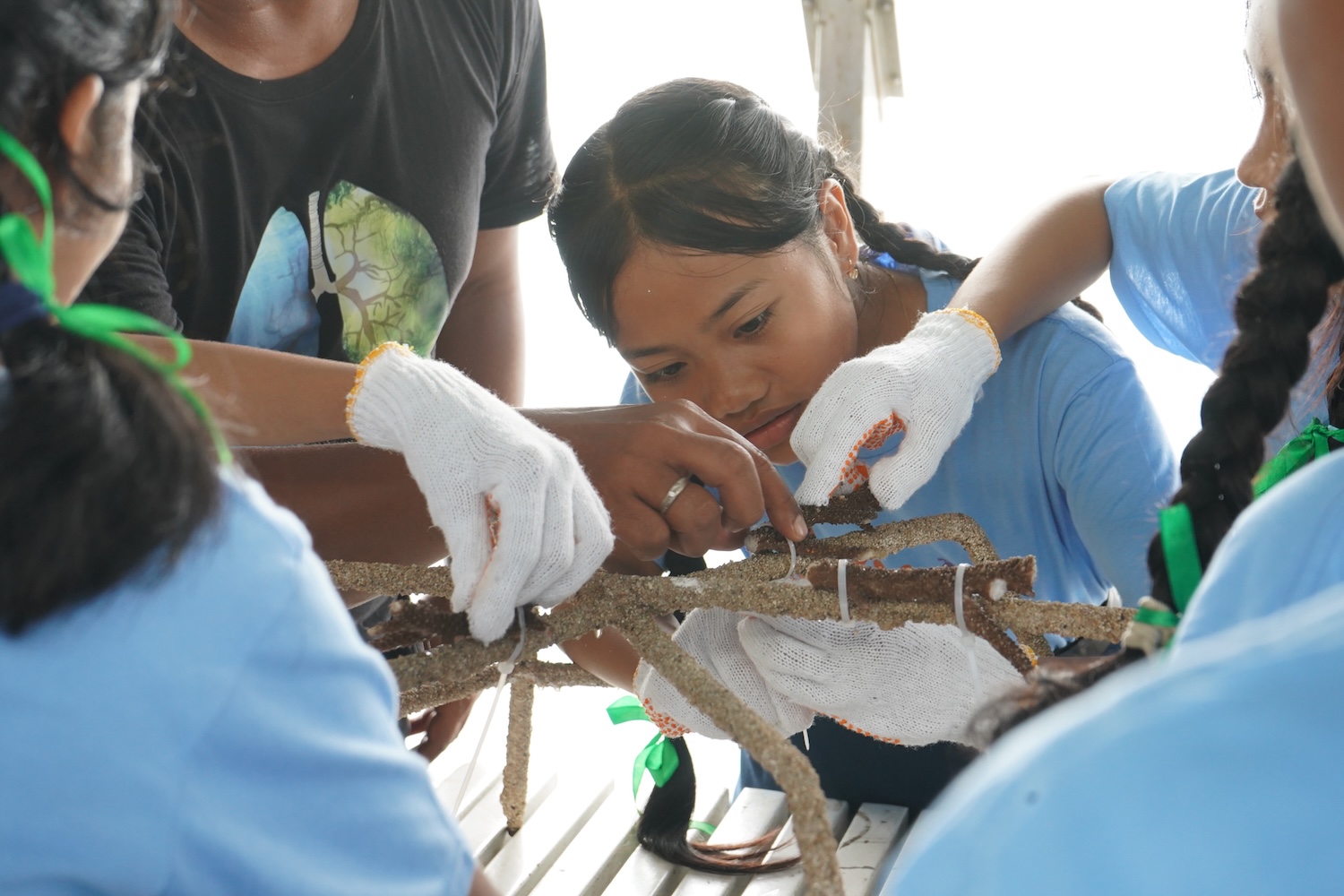
Local community participants and restoration team collaboratively assemble Reef Stars—durable, hexagonal steel frameworks coated with resin and sand that mimic the structural complexity of natural coral reef formations—for deployment in coral reef restoration efforts under the Mars Assisted Reef Restoration System (MARRS) ©Kayla Azzahra, Coral Triangle Center
Local communities also benefit directly from the protection of marine habitats. Tourism revenue provides economic opportunities, and CTC works closely with residents to build capacity in conservation. Programs include:
- Training in MPA management, empowering community members to monitor and protect their reefs
- Species identification workshops, increasing ecological knowledge, and stewardship
- Mangrove tour training and transplantation projects, which restore critical coastal habitats and provide eco-tourism income
These programs strengthen local stewardship, provide income through eco-tourism, and create sustainable livelihoods.
When local communities benefit directly from conservation, the positive cycle continues. Reefs are protected, communities thrive, and travelers witness the impact of their participation.
Looking Ahead: Coral Restoration 5-Year Plan
Over the next five years, CTC aims to restore 6,000 square meters of degraded coral reef habitat in Nusa Penida. With support from Oceanic Society expeditions, this goal is within reach. Every traveler contributes to this vision, helping rebuild coral reefs, support local communities, and shape a model for regenerative tourism.
By connecting people with nature, restoring vital ecosystems, and reframing what it means to travel responsibly, this partnership embodies Oceanic Society’s mission: to improve ocean health, deepen connections between people and nature, and inspire positive action in the travel industry.