If Raja Ampat is the crown jewel of the Coral Triangle, Sulawesi is the doorway to it. Shaped like a strange, orchid-petaled starfish and straddling the biogeographic line that Alfred Russel Wallace once used to divide Asian and Australian wildlife, Sulawesi is where marine biodiversity gets serious and terrestrial biodiversity gets weird, in the best possible ways. For travelers who want to snorkel beautiful sites, but also spot hornbills, tarsiers, and see volcanic peaks, there may be no better base in Indonesia.
In This Sulawesi Guide
Jump to any section below, or read straight through for the full guide.
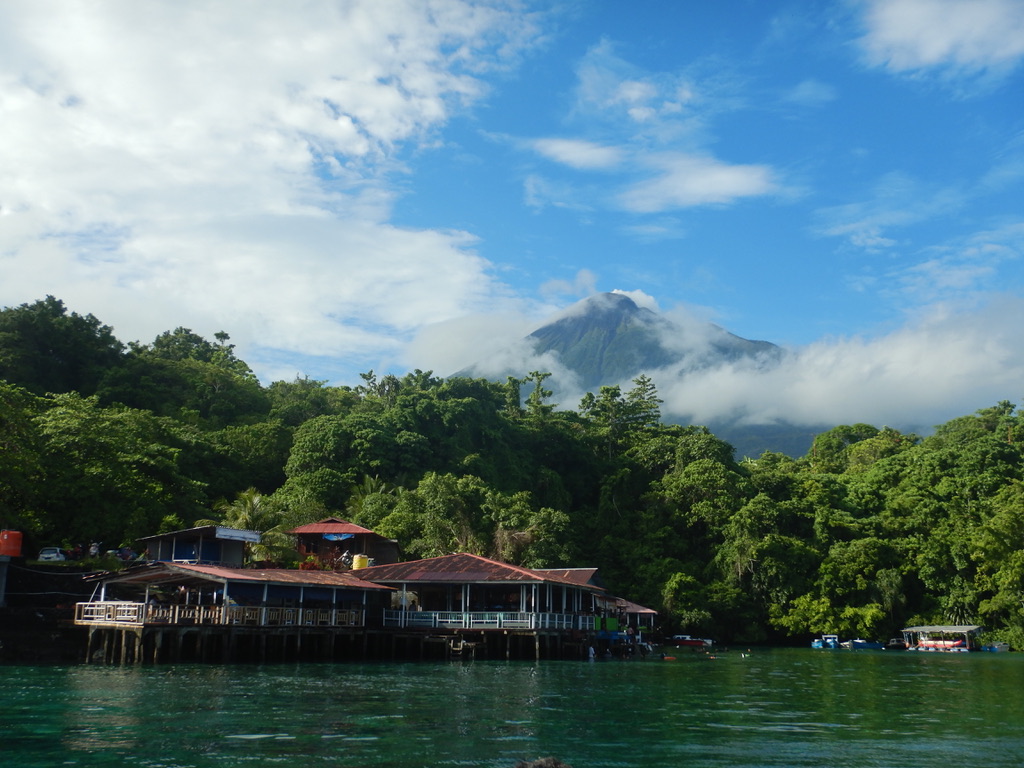
Photo by Pei Lun Lee
Where is Sulawesi?
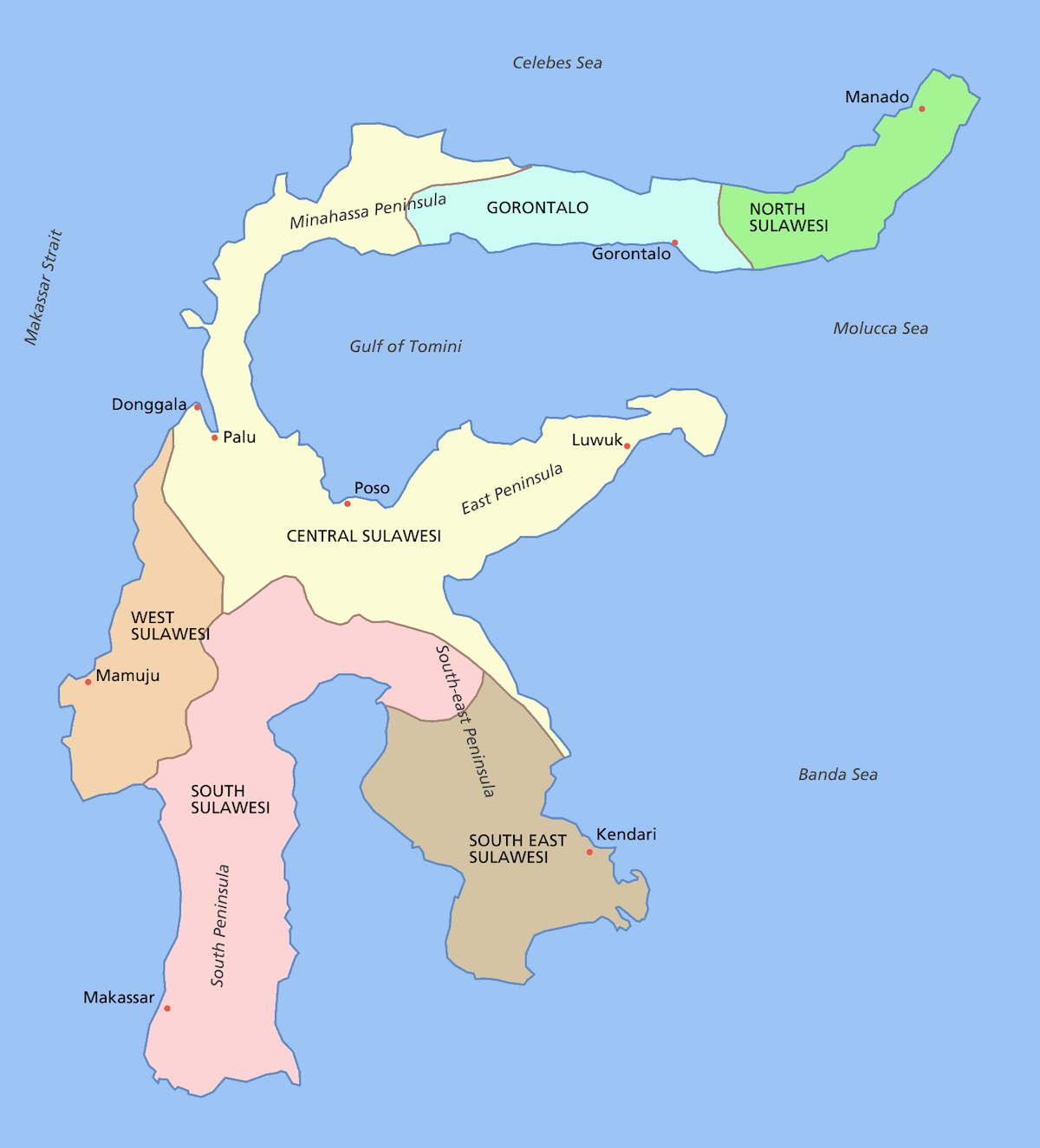
Sulawesi is the eleventh-largest island in the world, sitting just east of Borneo in central Indonesia. Its distinctive four-armed shape creates an enormous amount of coastline relative to its landmass, which means an outsized number of bays, straits, and reef systems packed into a relatively compact footprint.
The island’s regions each offer a different flavor of marine and terrestrial experience:
- North Sulawesi, anchored by the city of Manado, is the region most travelers associate with the island’s marine life. This is home to Bunaken Marine Park and the Bangka and Lembeh Straits, alongside the Tangkoko Nature Reserve on land.
- Gorontalo, in the province of the same name along Tomini Bay, is best known for seasonal whale shark encounters near Botubarani village, along with the lesser-known reefs of Olele Marine Park.
- West Sulawesi, centered on the provincial capital of Mamuju and home to the seafaring Mandar people, is the least developed of the island’s marine regions for tourism, but Karampuang Island just offshore offers clear water and healthy coral reefs for snorkeling and diving.
- Central Sulawesi includes the Togean Islands, a remote archipelago known for its jellyfish lakes and reef diversity.
- South Sulawesi, around Makassar, is the island’s cultural and shipbuilding hub, home to the Bugis boatbuilders who craft the traditional phinisi schooners still used across Indonesia’s liveaboard fleet today.
- Southeast Sulawesi connects to Wakatobi, another premier reef system further offshore.
Geographically and ecologically, Sulawesi is also the gateway between the western and eastern halves of the Coral Triangle, the global epicenter of marine biodiversity that encompasses Indonesia, Malaysia, the Philippines, Papua New Guinea, Timor-Leste, and the Solomon Islands. Sail east from North Sulawesi across the Molucca Sea, and you reach Halmahera, the “Spice Island,” and continuing further east across the Seram Sea brings you into Raja Ampat itself. This makes Sulawesi the natural starting or ending point for the kind of multi-region liveaboard route that lets travelers experience the full arc of the Coral Triangle in a single expedition, rather than treating Raja Ampat as an isolated bucket-list stop.
Top Snorkeling, Diving, and Wildlife Sites in Sulawesi
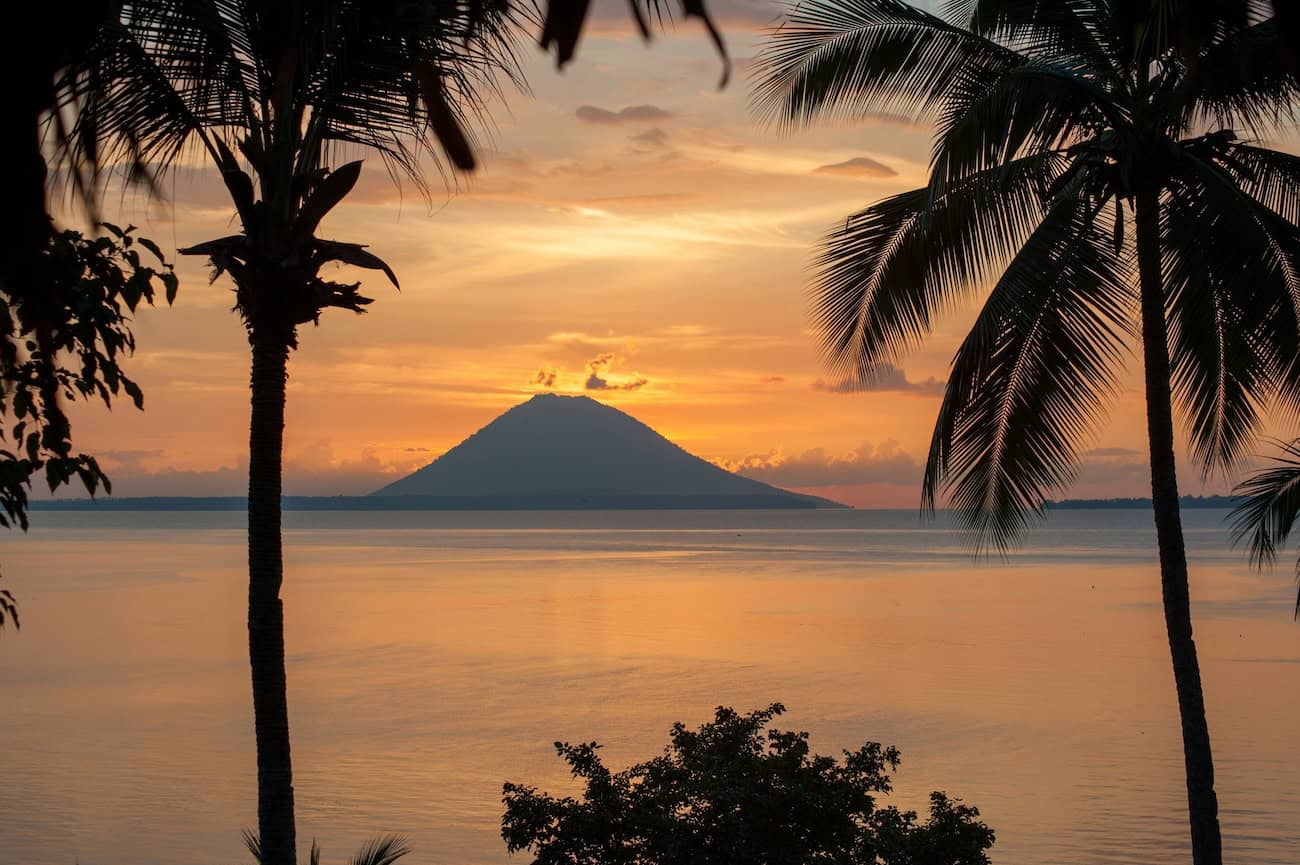
Sunset over Bunaken Marine Park, where volcanic islands and protected coral reefs create one of Indonesia’s premier marine ecosystems.
Bunaken Marine Park
Located just offshore from the main city of Manado, Bunaken Marine Park is one of the Coral Triangle’s most biodiverse marine protected areas, with more than 70% of all known Indo-Pacific reef fish species recorded within its waters.
Its reefs feature shallow coral gardens that drop dramatically into vertical walls, creating outstanding snorkeling over vibrant reef tops and world-class diving along the walls. Expect colorful schools of fusiliers, snappers, and butterflyfish, abundant anemonefish, frequent green and hawksbill sea turtles, and the chance to spot dolphins during boat transfers.
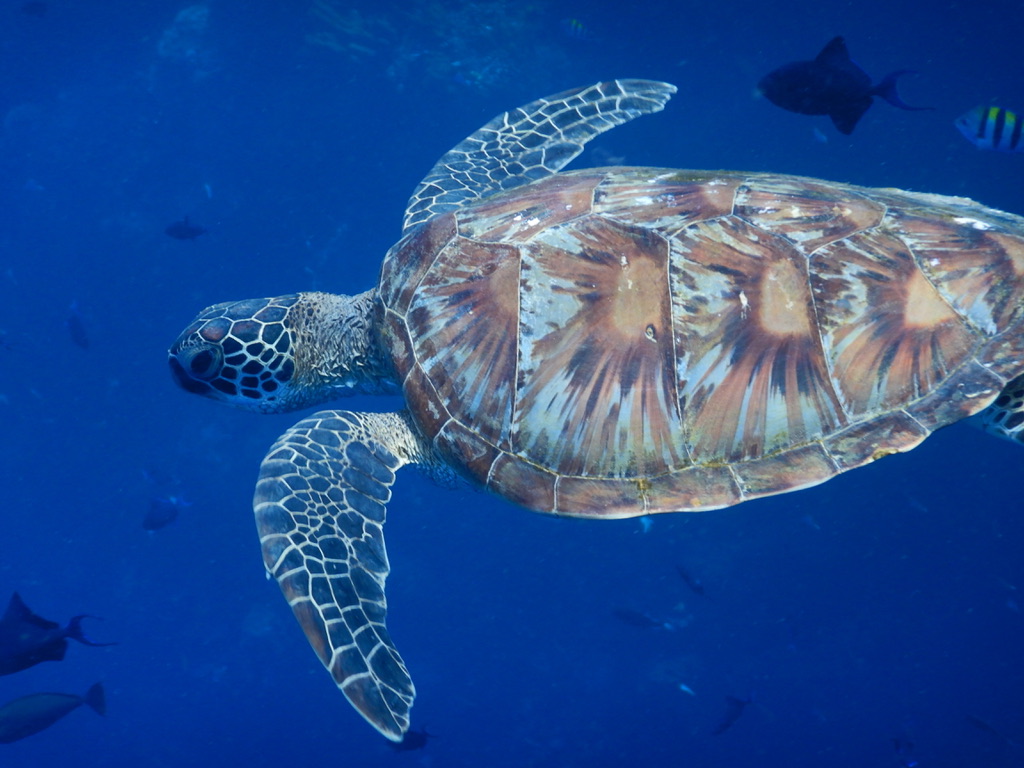
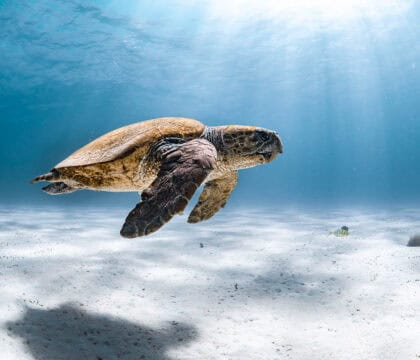
Snorkeling alongside sea turtles is a common highlight of expeditions through the rich waters of North Sulawesi. Photo by Pei Lee.
Lembeh Strait
Known as the muck-diving capital of the world, famous for harboring some of the ocean’s strangest creatures. Lembeh’s narrow channel between Lembeh Island and the Sulawesi mainland funnels strong, nutrient-rich currents through black volcanic sand flats, creating ideal conditions for a variety of macro life.
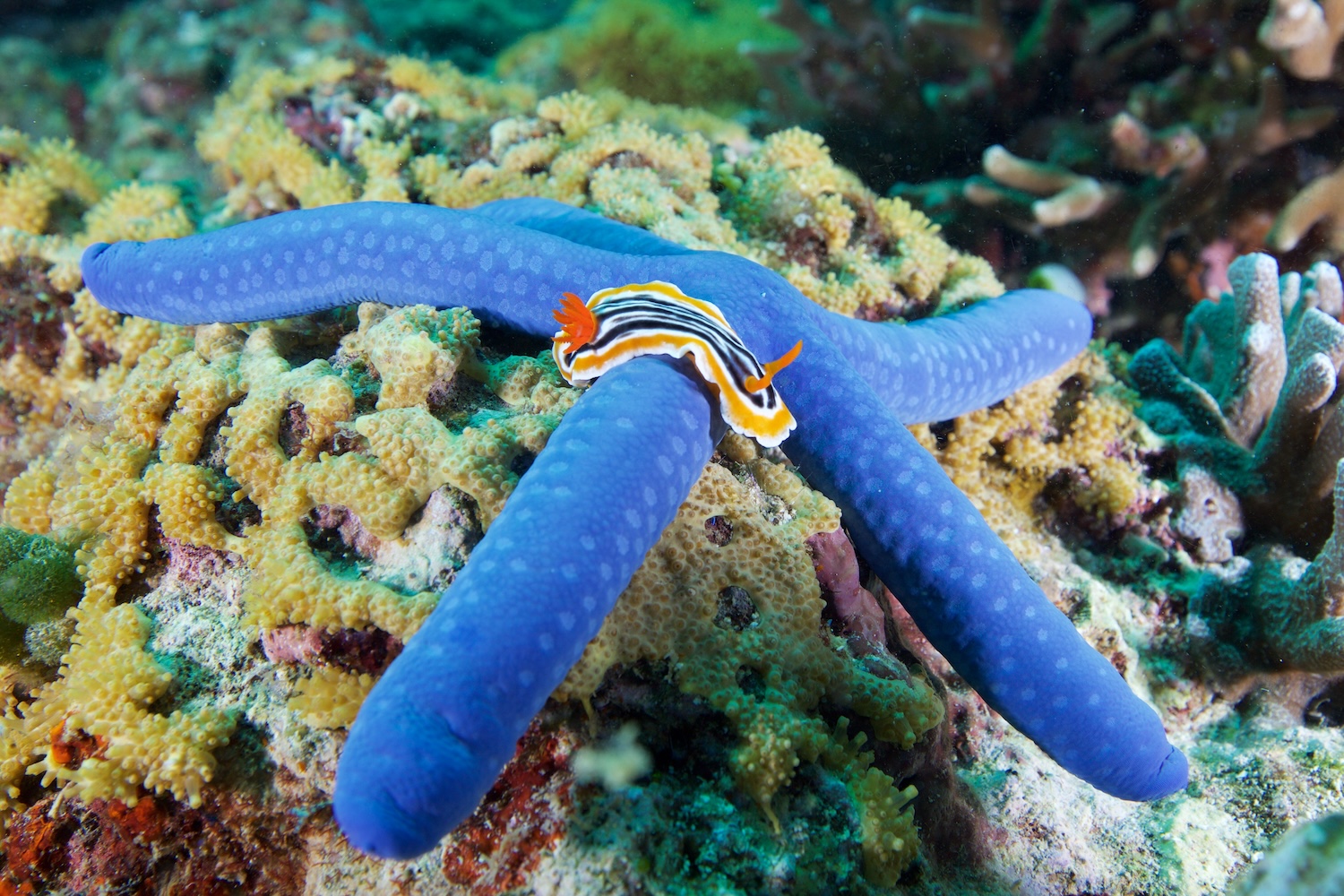
A nudibranch perches on a blue Linckia sea star (Linckia laevigata), showcasing the remarkable diversity of life found on Coral Triangle reefs. Credit: Gregory Piper / Ocean Image Bank
This is prime territory for mimic and wunderpus octopus, flamboyant cuttlefish, hairy frogfish, ornate ghost pipefish, and the endangered Banggai cardinalfish, alongside seahorses, harlequin shrimp, and countless nudibranch species. The strong currents also support healthy patch reefs tucked between the muck flats, with anchor coral, lettuce coral, and colorful tunicates.
Togean Islands
The remote Togean Islands are one of the few places on Earth where all four reef types, fringing, barrier, patch, and atoll, occur within a single archipelago. Their healthy reefs support an incredible diversity of marine life, including reef sharks, rays, barracuda, jackfish, frogfish, seahorses, nudibranchs, and frequent hawksbill and green sea turtles.
A highlight is Mariona Lake, home to a population of non-stinging jellyfish that evolved in isolation, making it one of the few places in the world where it’s possible to snorkel among thousands of them safely.

Bangka Island and Bangka Strait
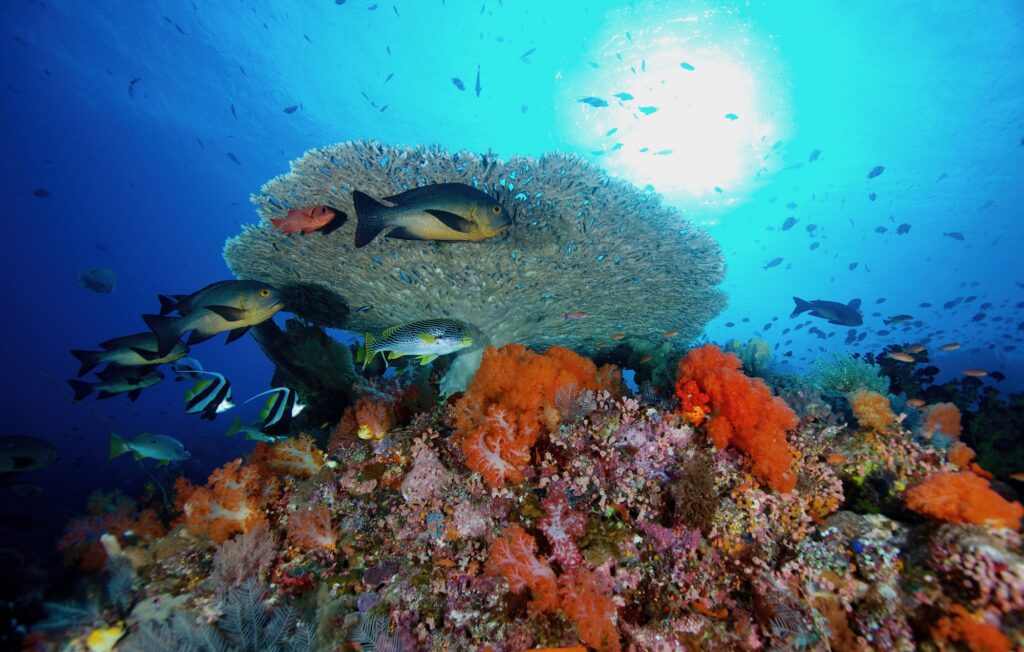
Bangka’s underwater terrain ranges from gently sloping reefs to seamounts and rock pinnacles that rise straight from the sandy bottom, all draped in some of the most vivid soft coral in the region. Expect huge table corals, swaying pink and lilac soft coral trees, and sizeable schools of red-toothed triggerfish and snapper moving through the current.
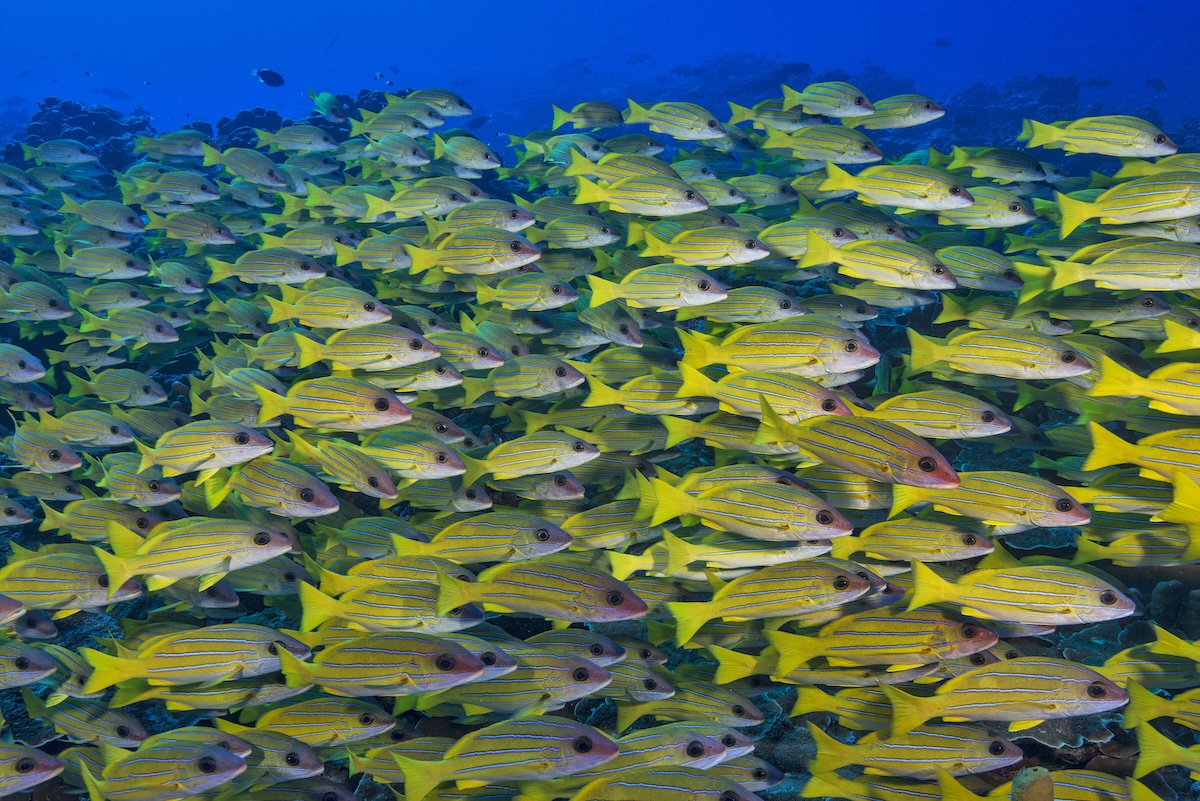
A school of bluestriped snapper gathers above a healthy coral reef. Photo by Jayne Jenkins / Ocean Image Bank
Bangka also rivals nearby Lembeh for small, unusual finds, with pygmy seahorses, ghost pipefish, mandarin fish, and the occasional blue-ringed octopus turning up alongside more frequent sightings of turtles, Napoleon wrasse, white-tip reef sharks, and even resting dugongs in the shallows. It’s a quieter, less-visited alternative to Bunaken, well suited to relaxed snorkeling as well as diving.
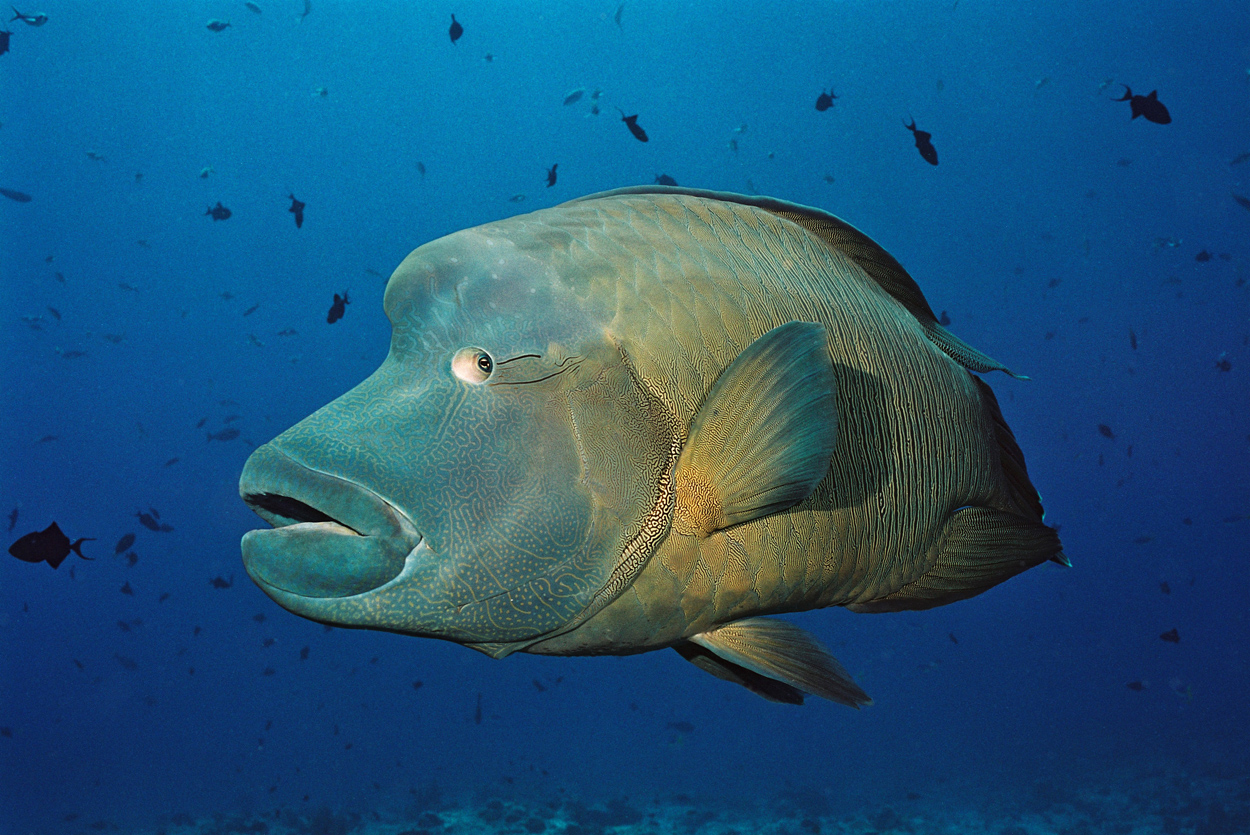
The humphead wrasse is one of the largest reef fish in the world and a highlight of snorkeling in Indonesia’s pristine reefs. Photo courtesy of Fish n’ Fins
Wakatobi
Formed from the islands of Wangi-Wangi, Kaledupa, Tomia, and Binongko far off Sulawesi’s southeastern tip, Wakatobi is remote and harder to reach, but consistently ranked among Indonesia’s best diving and snorkeling destinations.
Reef walls here carry a striking density of soft coral, including red and orange dendronephthya and gorgonian fans, alongside huge table corals and staghorn thickets. Fish life leans toward variety over sheer size: parrotfish, wrasses, anthias, butterflyfish, and triggerfish are constant company, along with sea turtles, blue-spotted rays, octopus, and a good range of nudibranchs.
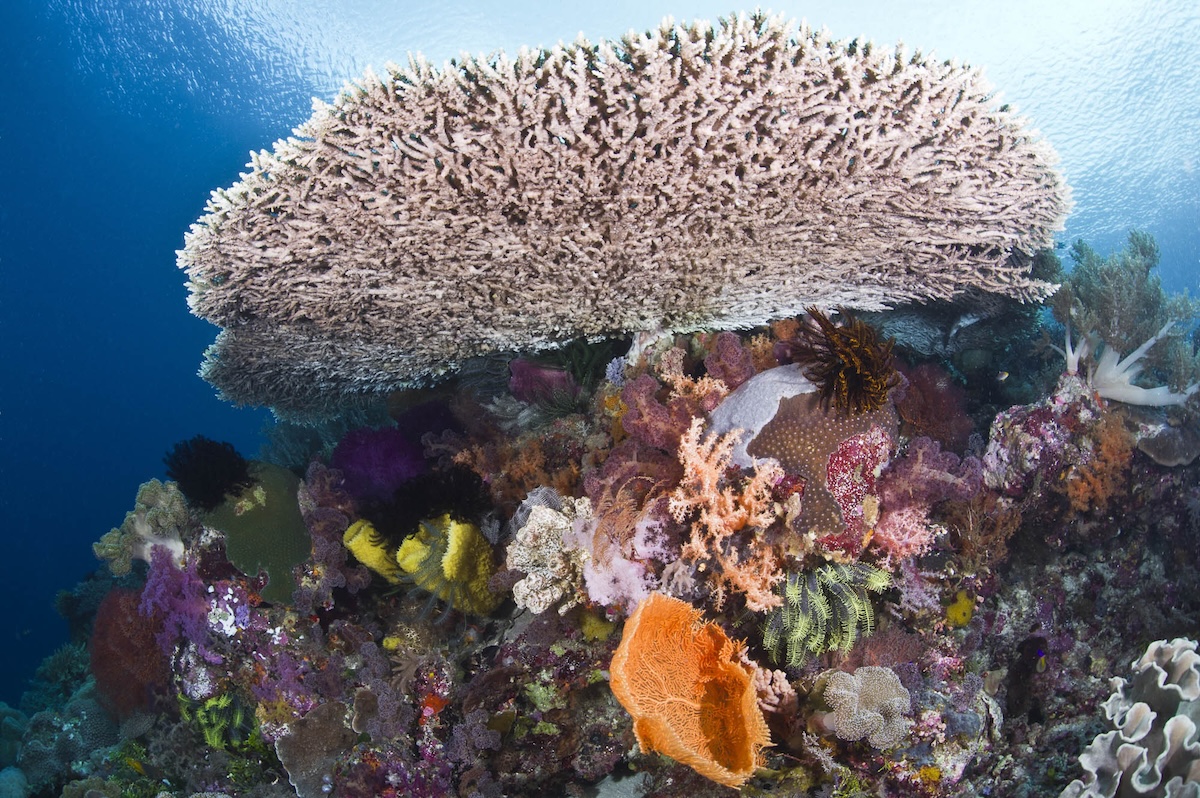
Crystal-clear waters reveal the colorful coral gardens that make Wakatobi a world-renowned snorkeling destination. Photo by: Warren Baverstock from Ocean Image Bank
Gorontalo
Along the shores of Tomini Bay, Gorontalo offers opportunities to encounter juvenile whale sharks near Botubarani Village, most commonly between November and April.
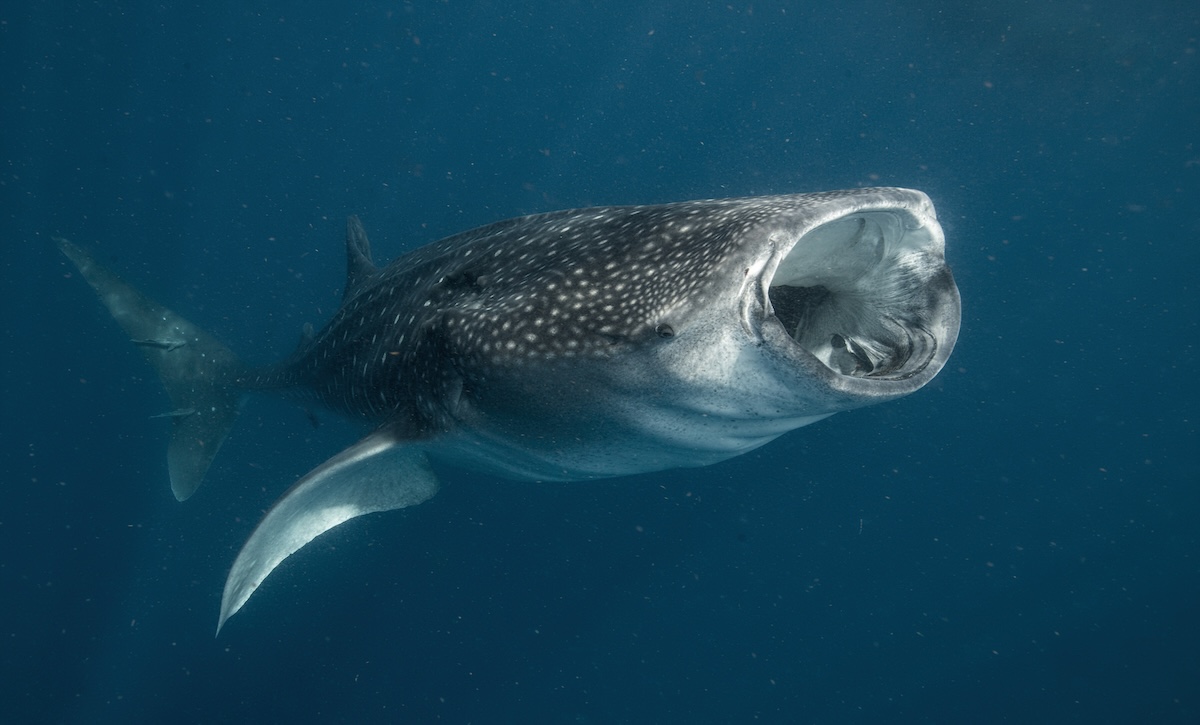
The waters off Botubarani Village in Gorontalo are well known for regular encounters with juvenile whale sharks. Credit: Amanda Cotton / Ocean Image Bank
The region’s long tradition of bagan fishing has created a unique connection between local communities and the whale sharks that frequent these waters. Today, that relationship has become the focus of ongoing monitoring and conservation efforts, helping researchers learn more about these gentle giants while supporting the livelihoods of local fishermen. The nearby reefs of Olele Marine Park provide another highlight, with colorful coral gardens and excellent snorkeling.
Tangkoko Nature Reserve
Sulawesi’s premier wildlife reserve and one of Indonesia’s oldest, protected since 1919.
Tangkoko Nature Reserve is a haven for endemics: home to over 100 mammal species, most found only on Sulawesi, and more than 300 recorded bird species, including around 47 endemics.
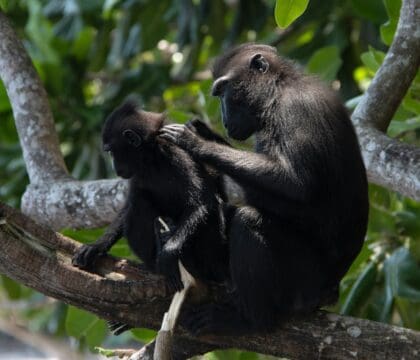
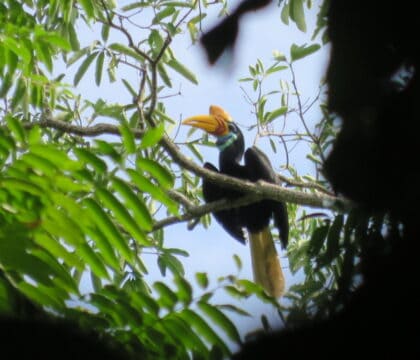
Signature sightings include the critically endangered crested black macaque, the spectral tarsier (the world’s smallest primate), the Sulawesi bear cuscus, the knobbed hornbill, and the endangered maleo. With that concentration of endemic birdlife, it’s a genuine bucket-list stop for birders, not just primate watchers, and it pairs naturally with a coastal snorkeling day for a full ecosystem experience.

“One of my favorite moments is watching a traveler spot a bird that is perfectly camouflaged in the forest and realizing they are looking at a species found nowhere else on Earth. That connection is what makes this region so special.”
— Dalton Ambat, Oceanic Society Naturalist
Best Time to Visit Sulawesi
The best time to visit Sulawesi for snorkeling, diving, and liveaboard expeditions is generally April through November, when seas are calmer, underwater visibility is often at its best, and weather conditions are more favorable for exploring remote islands and reefs.
Water temperatures in Sulawesi remain warm year-round, usually ranging from 82 to 86°F (28 to 30°C), making it comfortable to snorkel and dive with minimal exposure protection in most conditions.
For travelers combining Sulawesi with destinations such as Halmahera or Raja Ampat, seasonal timing is especially important. Sea conditions in the Molucca and Seram Seas can impact transit days between regions, which is why many travelers choose a guided liveaboard expedition that coordinates routes, timing, and logistics across Indonesia’s remote marine environments.
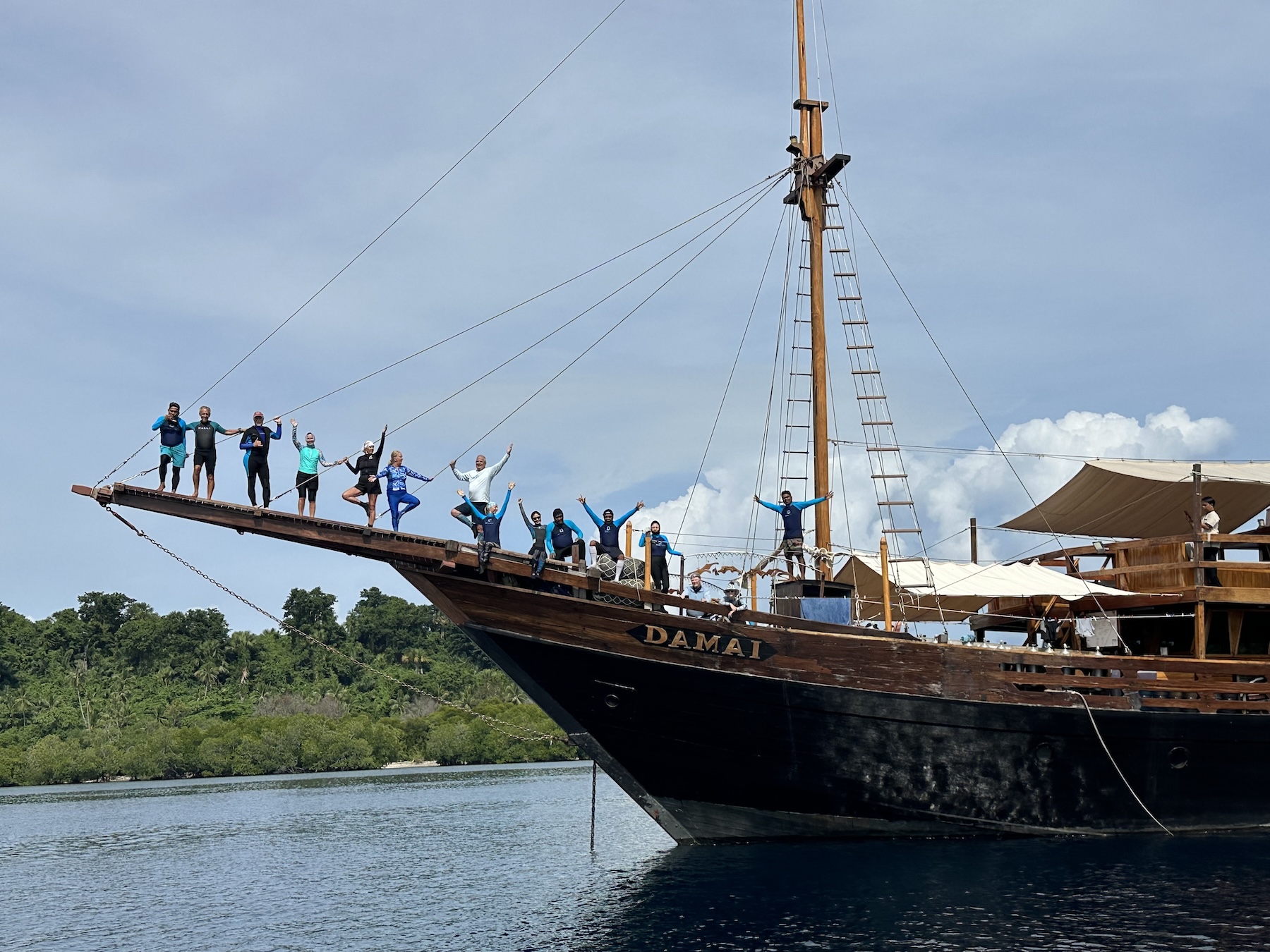
Life aboard the Damai offers a front-row seat to one of Indonesia’s most remote and biodiverse snorkeling expeditions, from Halmahera to North Sulawesi. Photo by Pei Lun Lee
The Best Way to Visit Sulawesi
Because Sulawesi’s best snorkeling sites are spread across islands, straits, and marine protected areas, traveling by liveaboard provides access to locations that are difficult to reach from a single resort base. Guests can explore remote reefs, snorkel during the most active times of day, and connect multiple regions without the logistics of separate flights and transfers.
A liveaboard expedition through Sulawesi offers:
- Access to remote reefs and islands far from crowded tourist areas
- More time in the water with multiple snorkeling opportunities each day
- Seamless multi-region routes connecting Sulawesi to Halmahera and Raja Ampat without the logistics of separate flights and hotel transfers
- Small group exploration led by experienced naturalists, and a slower, more immersive pace than land-based touring allows
- A boutique, luxury experience with a high level of onboard comfort, an expert crew, and meals and snorkeling gear included throughout the trip
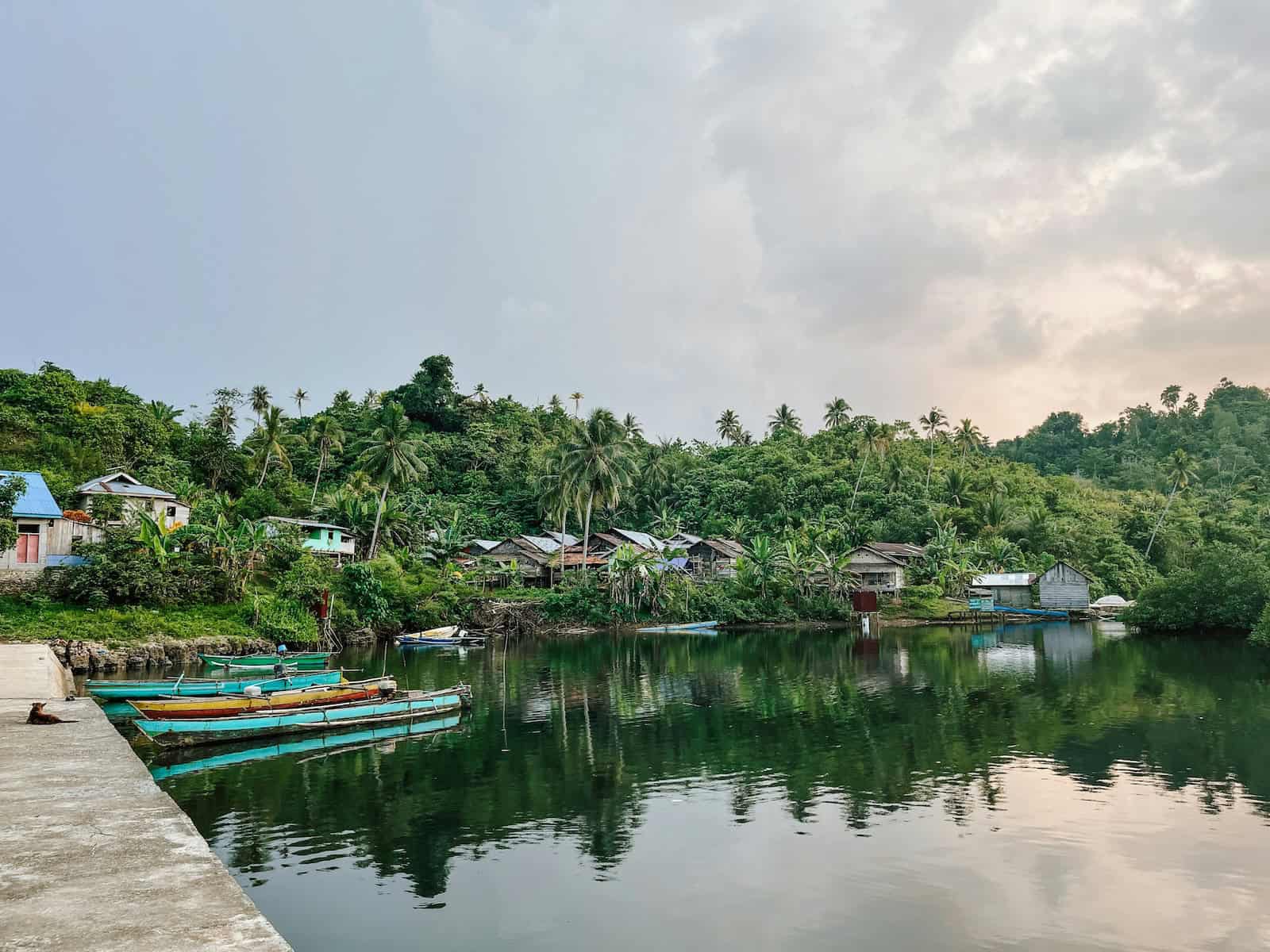
Discover the cultural side of North Sulawesi as you visit welcoming coastal communities during your expedition.
Sulawesi Liveaboard Snorkeling Trips
For travelers with Raja Ampat on their bucket list, Sulawesi offers an equally compelling journey through the heart of the Coral Triangle. A route that begins in North Sulawesi, crosses through Halmahera’s lightly visited reefs, and finishes in Raja Ampat’s Misool region reveals the incredible diversity of Indonesia’s marine ecosystems, from iconic reefs and marine parks to some of the most remote coral gardens in the region.
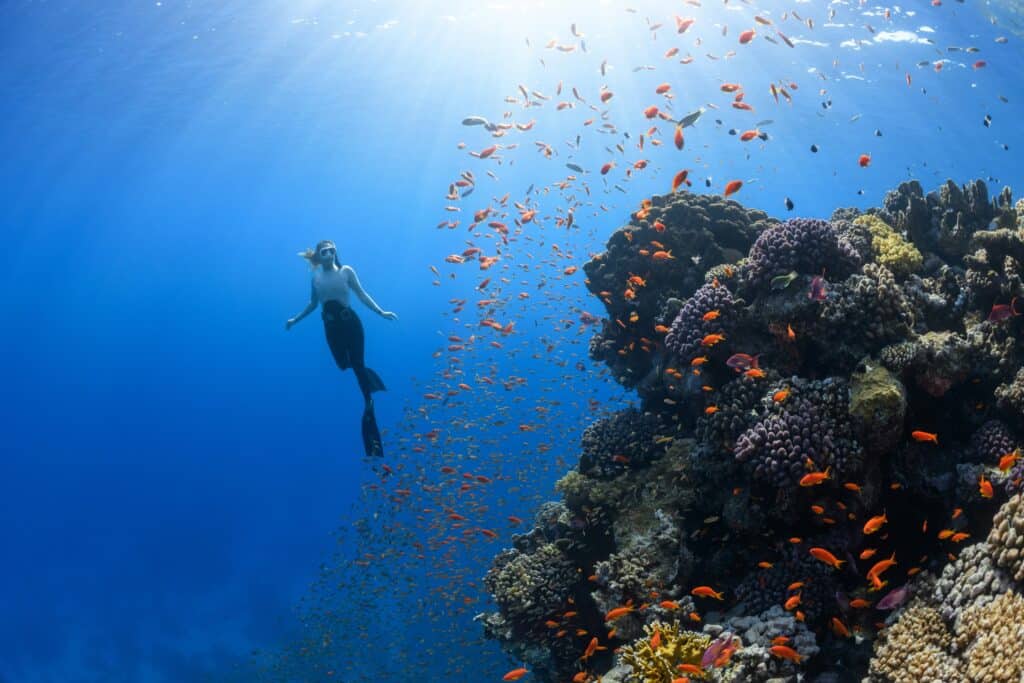
A 15-day journey beginning in North Sulawesi’s Bunaken Marine Park and Tangkoko Nature Reserve, sailing through Halmahera’s volcanic coastline, and finishing in the coral gardens of Raja Ampat’s Misool region. This is the complete Coral Triangle arc in a single expedition.
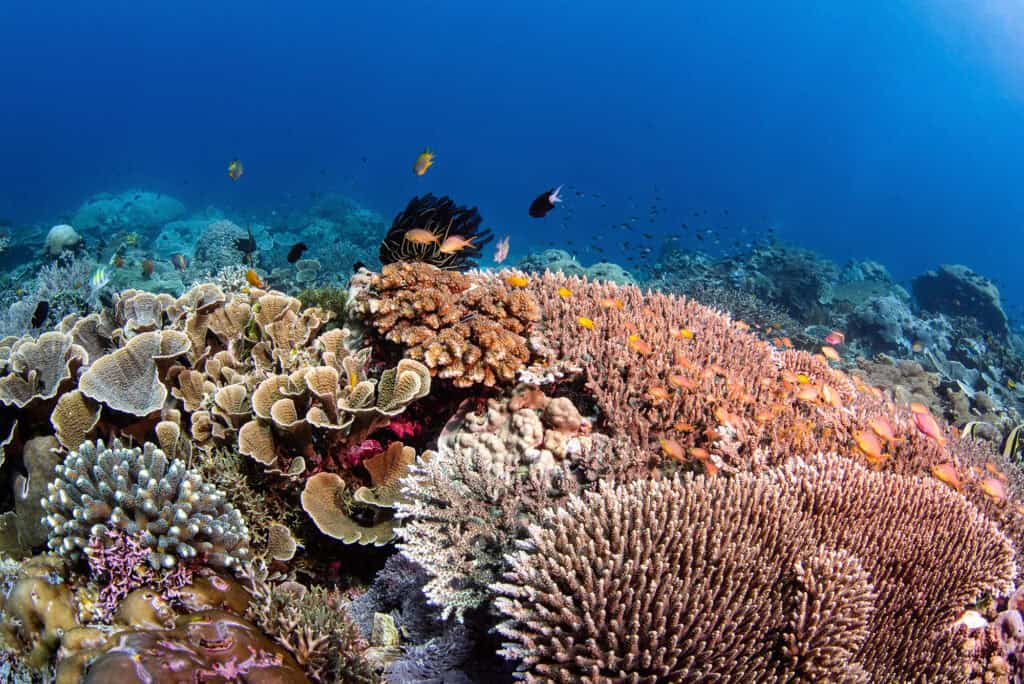
A 12-day itinerary through Wallacea’s lightly visited waters, starting at Halmahera’s pristine hard coral gardens adjacent to Raja Ampat, and continuing to North Sulawesi for Tangkoko’s endemic wildlife and Bunaken’s legendary reefs. Ideal for travelers seeking untouched reef sites few snorkelers have explored.
A 12-day journey exploring the remote waters of Wakatobi National Park in Southeast Sulawesi before continuing to the iconic reefs and islands of Komodo National Park. Snorkel some of the world’s most biodiverse coral ecosystems, discover thriving marine life in protected waters, and experience Indonesia’s remarkable conservation success stories aboard a small-group liveaboard adventure.