Lois Wienshienk lives in the desert of Arizona, but her heart lies in the turquoise waters of Palau, a small island nation in the western Pacific made up of approximately 340 islands, only nine of which are inhabited.
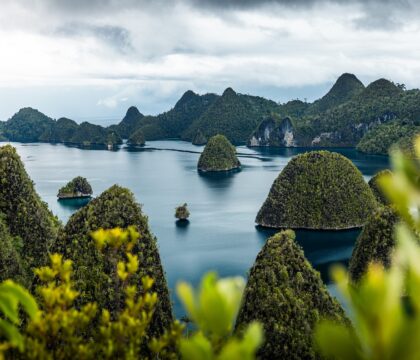
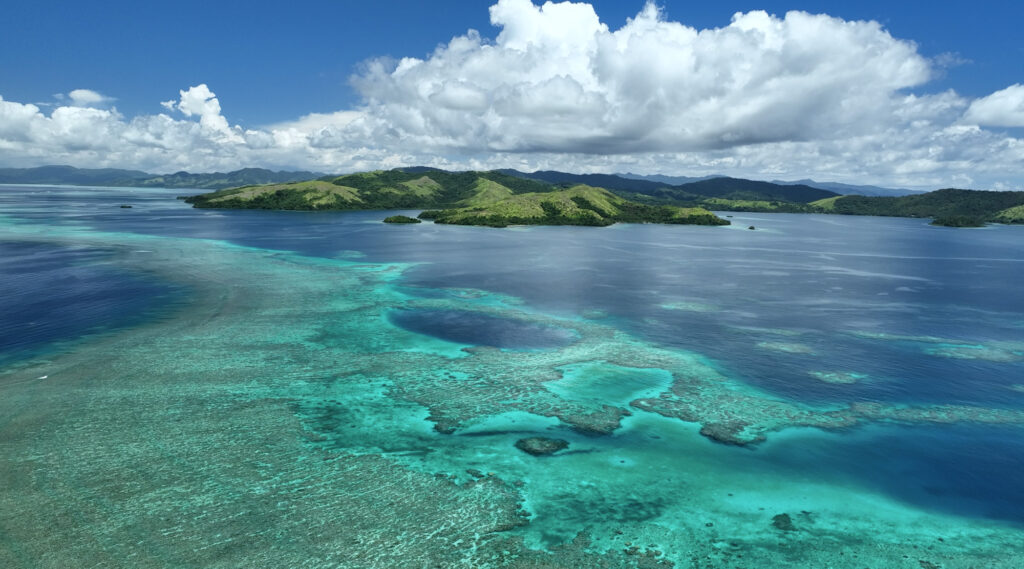
Even from afar, memories of Palau’s Rock Islands—a UNESCO World Heritage Site—can sweep her away: the spray of seawater off the skiff bow, limestone peaks rising above the clear waters, and the humble, inspiring people who make the islands feel like home.
“The water, the sky, the clean air… my daughter always says it’s just the smell of the flowers—it is just so beautiful,” she says.
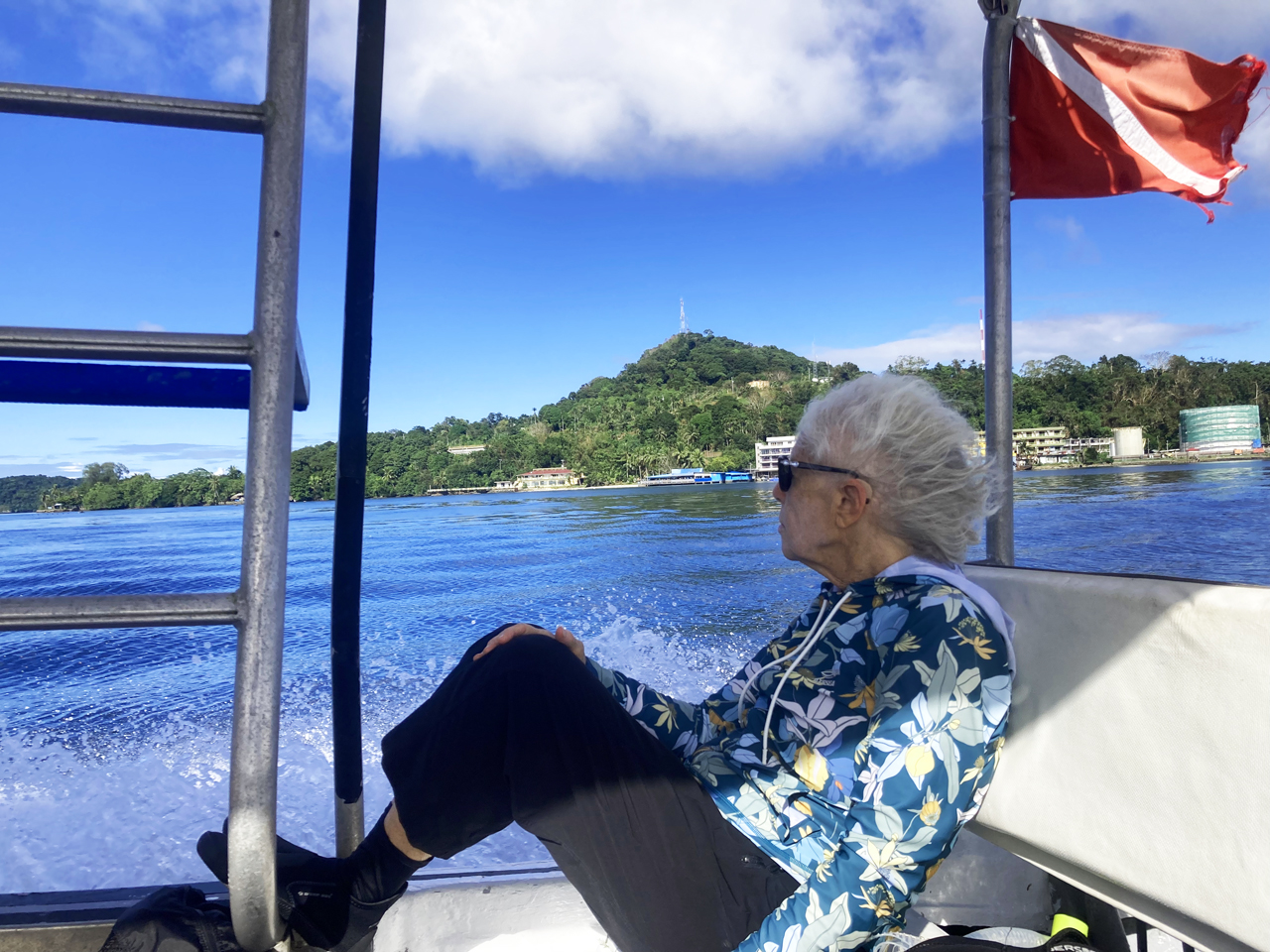
Lois first traveled to this remote archipelago in 1975 on a dive trip with her husband. At the time, they were living in the Marshall Islands, a group of islands in the central Pacific Ocean.
While stationed within this flourishing coral reef environment, they learned how to dive together and began exploring the region.
What started as a hobby soon became a shared passion. When a local diving club offered them the chance to snorkel in Palau, the young couple decided to roll the dice on a little-known, unspoiled destination. At the time, Palau was home to just 12,000 people, and visitors experienced the islands much as locals did—intimately and without the trappings of modern tourism.
Lois recalls the challenges that made the experience feel like a true adventure. Dive tanks were scarce, and with only one boat serving divers, they tied their equipment to the vessel with rope.
“We were young. We were adventurous. And we loved it,” she says.
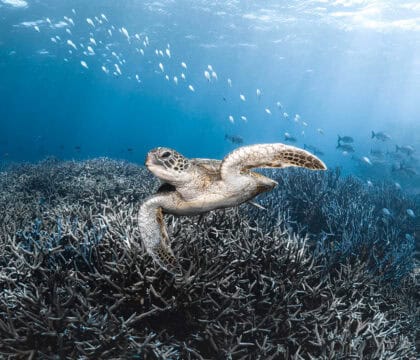
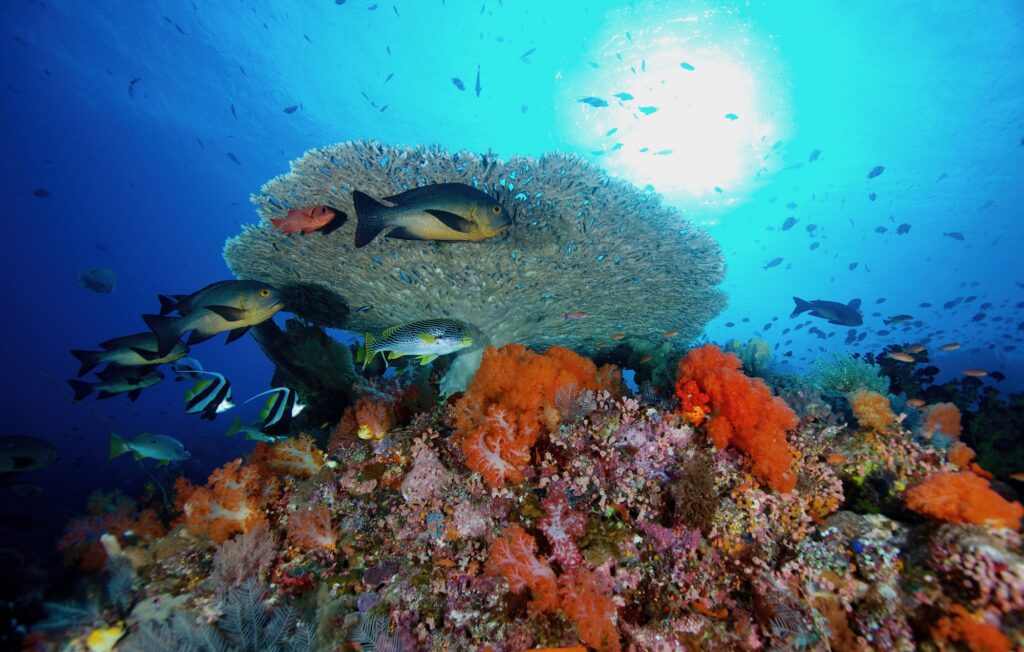
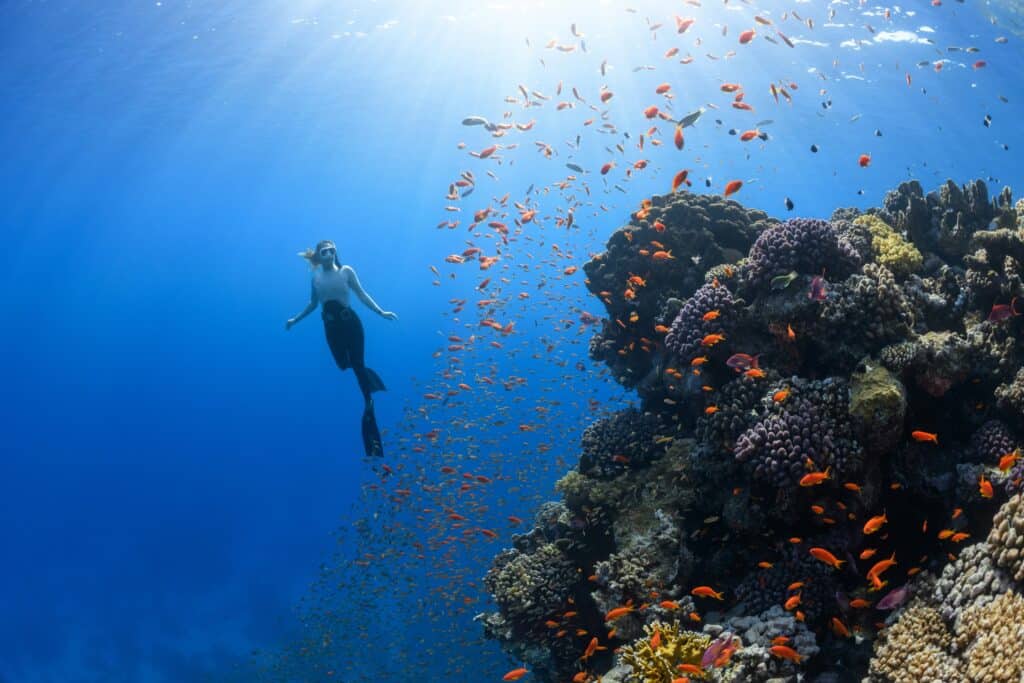
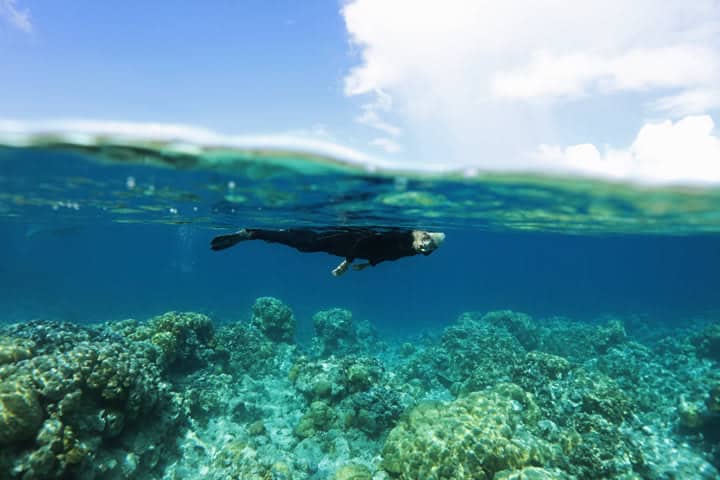
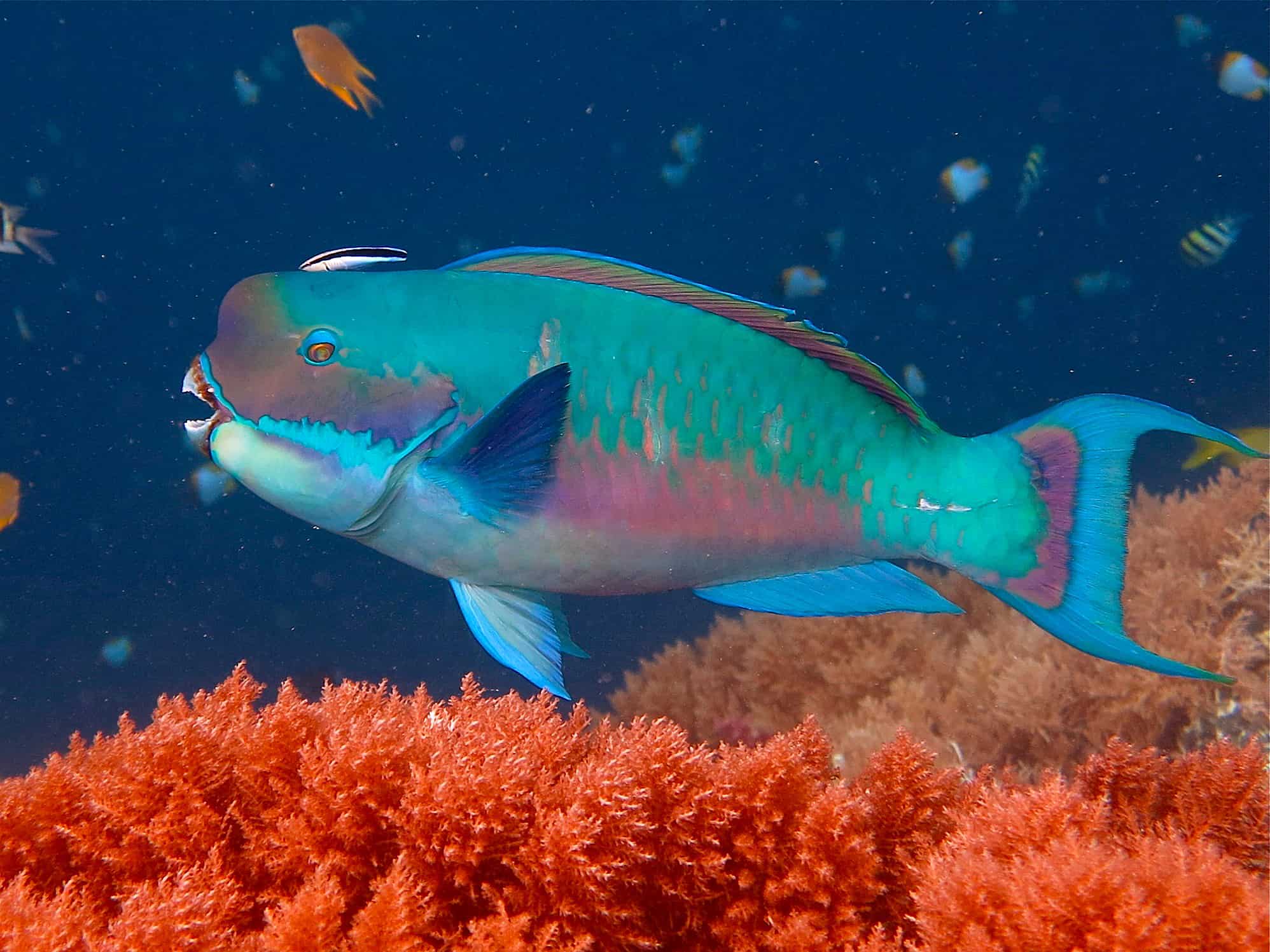
They were captivated by the islands’ beauty, with quiet, shaded lagoons, cliffs of limestone, ethereal jellyfish lakes, coral reef systems washed in crystalline waters, and stunning biodiversity. With over 1,500 fish and 385 hard coral species, Palau is an idyllic environment for snorkeling and diving.
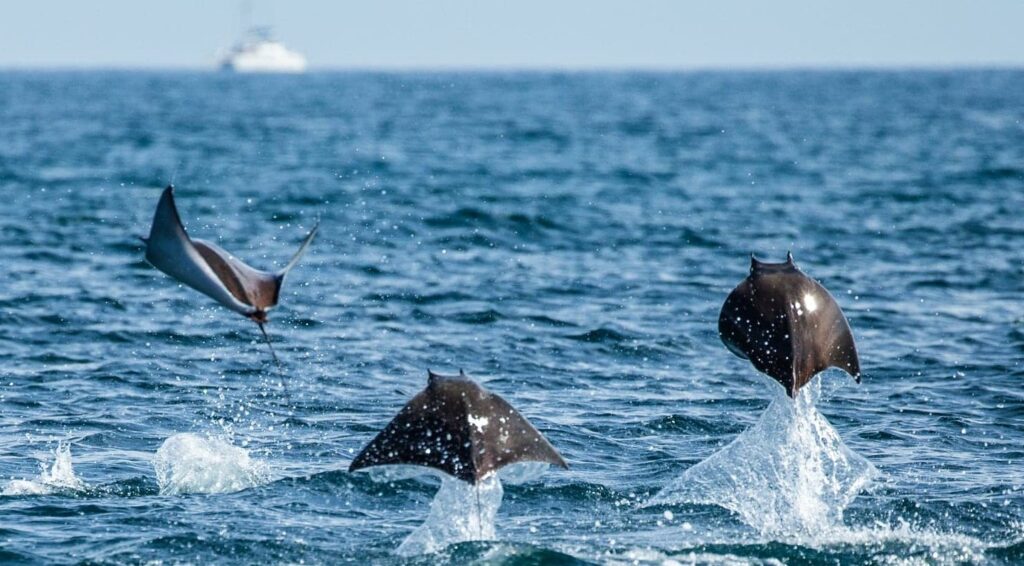
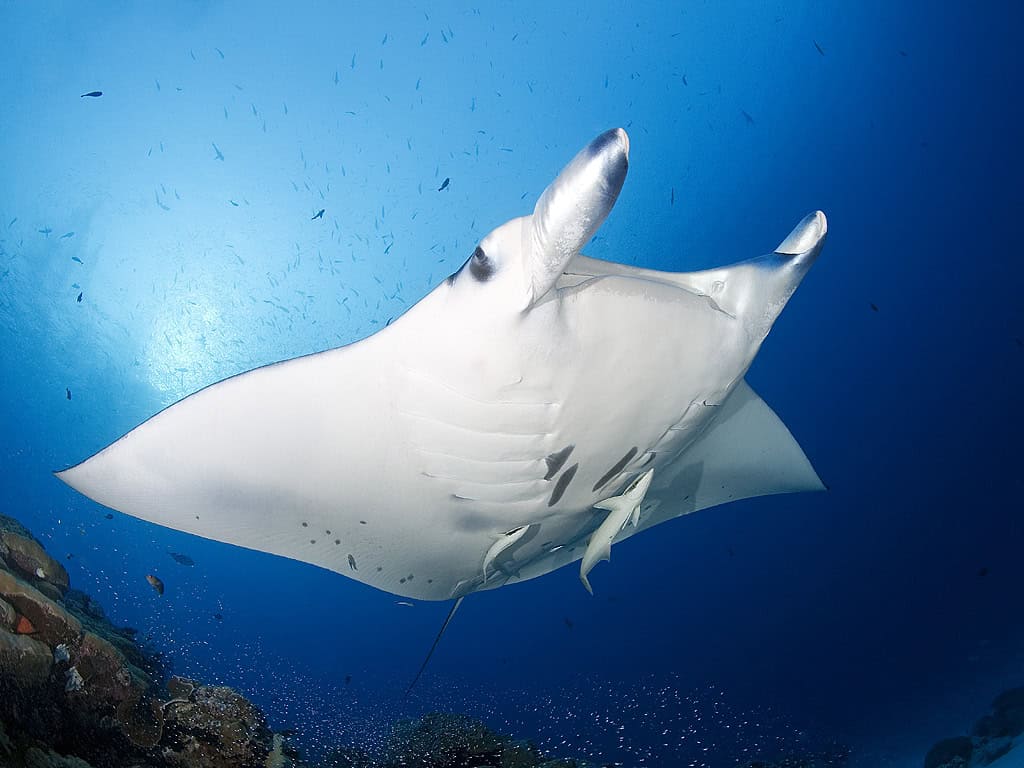
Lois still clearly remembers the abundant population of sharks, manta rays, and vibrant nudibranchs (essentially “sea slugs” which live on corals and can appear like little dragons).
Fifty years later, and she still vividly recalls her husband exploring the swaying soft coral reefs and coming upon a Spanish dancer, a type of nudibranch that twists and undulates in a way that looks like it is dancing to the movement of the ocean.
The stunning environment made a lasting impact on the couple. Even as they traveled throughout the Pacific, no place could match Palau.
“I remember even being there in 1975 and seeing the water—just so pristine—and thinking: ‘Well, all places in the Pacific should be like that,” she says.
But for Lois, this seemingly unparalleled beauty also showcased the potential of the ocean.
Though Palau held a special place in their hearts, life took unexpected turns. Lois’ husband became seriously ill, limiting his ability to travel for many years. The opportunity to return to Palau together never arose, and her husband sadly passed away. Beset with grief, Lois contemplated what the next era of her life would look like.
Amidst the uncertainty, the ocean remained a grounding force filled with special memories. But one place held particular meaning: “I just had to go back to Palau,” she says.
Nearly 50 years after that remarkable trip, Lois returned to Palau as part of an Oceanic Society expedition to the Rock Islands—this time with her daughter and son-in-law, who share her and her late husband’s love for the ocean. For Lois, Palau would always mean connecting with her beloved partner.
“It was his favorite place,” she says, “Going back there was very emotional for me.”
When she returned all these years later, Lois was stunned to find that Palau remained largely as it had decades ago. While many beautiful destinations across the Pacific have been transformed by development, crowds, and the pollution that comes with them, the coral reefs in Palau seemed to show remarkable resilience to climate change induced bleaching.
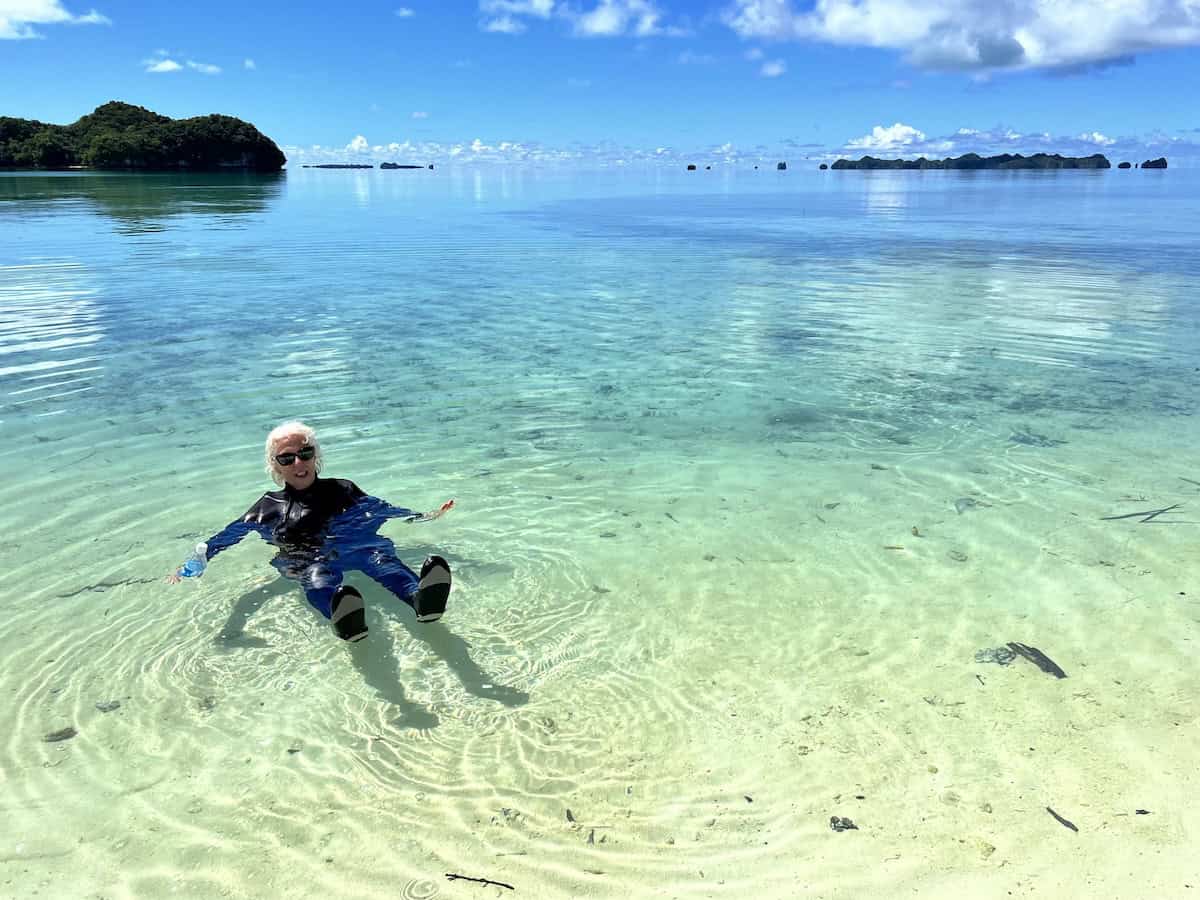
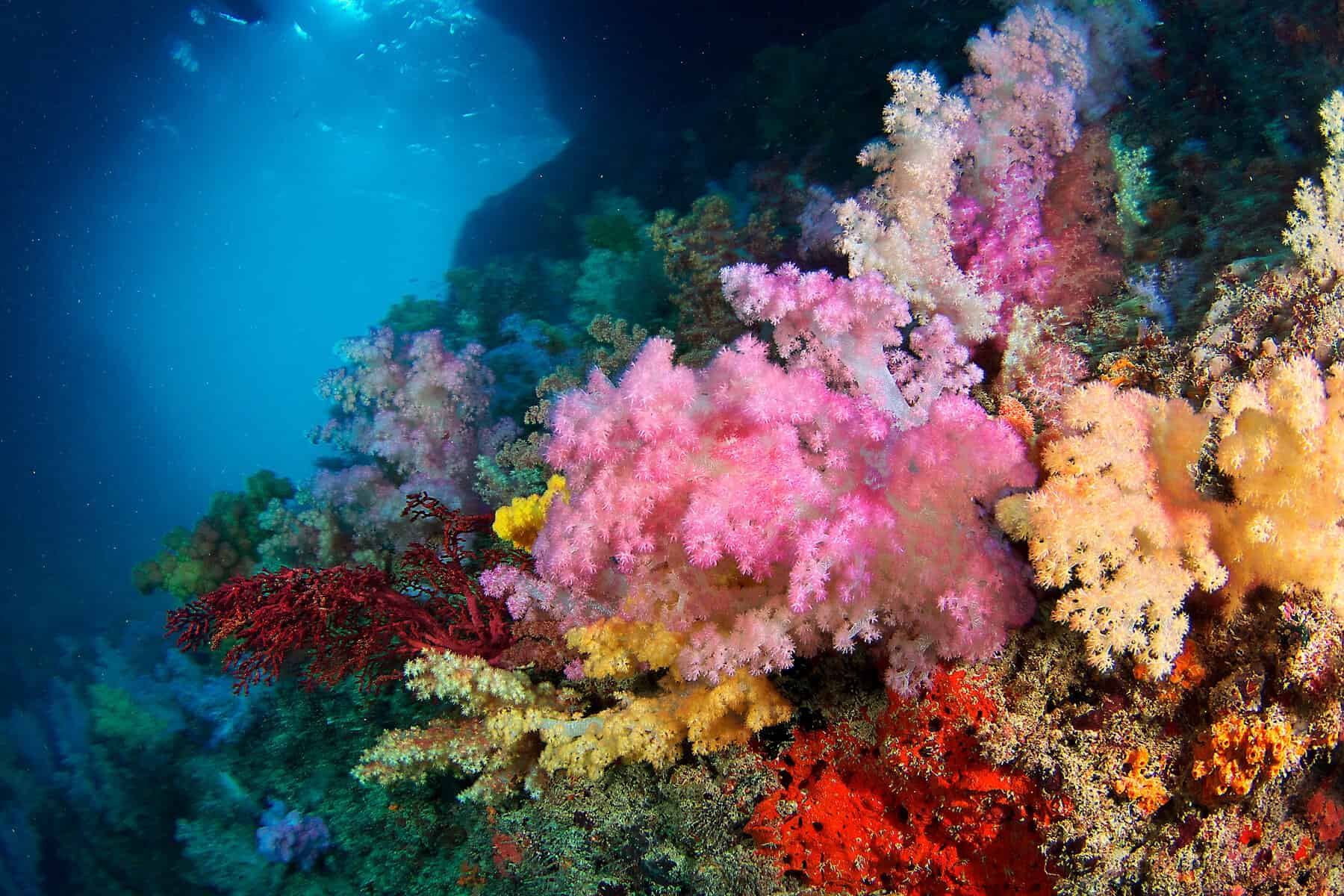
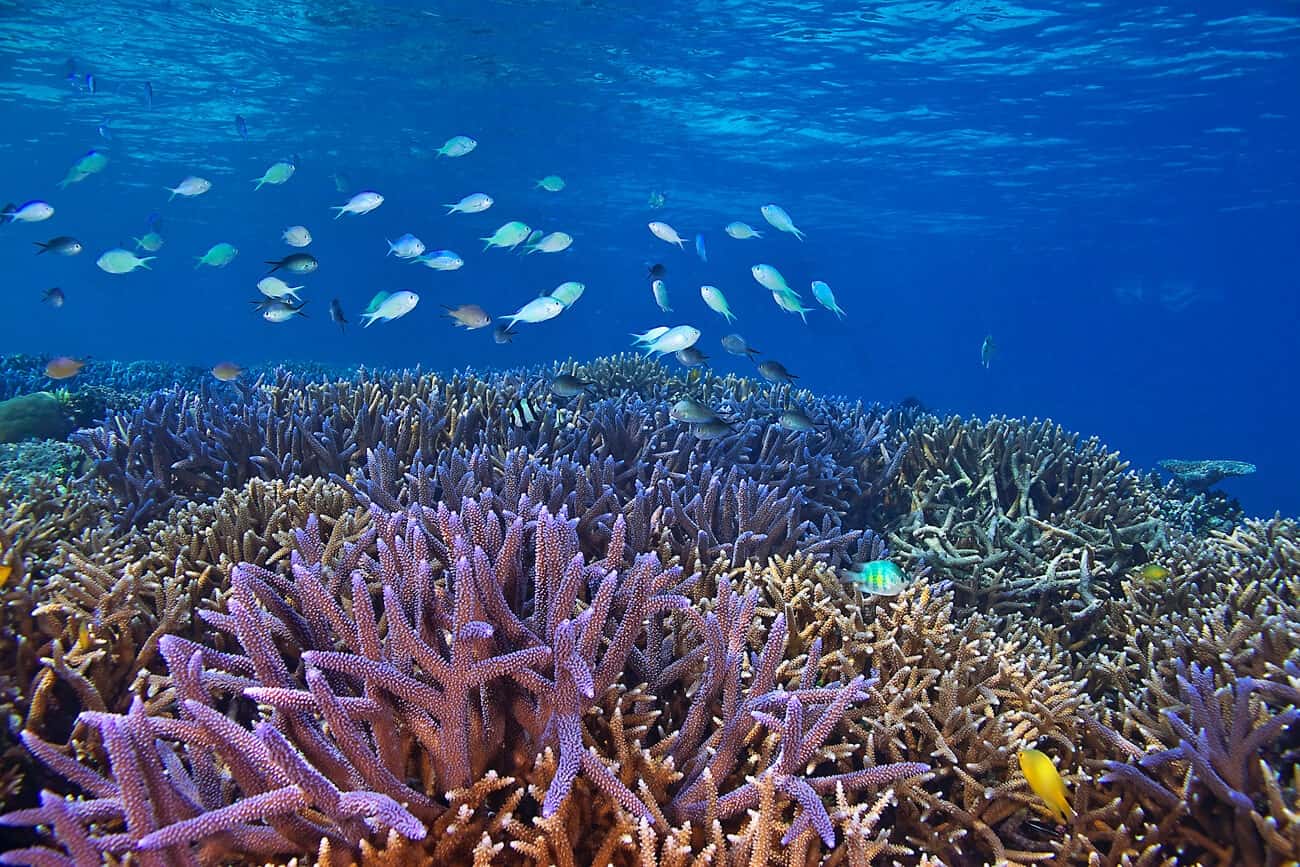
“In Palau, you’re not going to see those things,” says Lois, “It’s just pristine.”
Palau’s Blueprint for Ethical Ecotourism
Today, with a population of just 18,000 people, hundreds of uninhabited islands, and only 65,000 tourists visiting in 2025, Palau remains a bastion for wildlife and invites travelers to witness a country where respect for the land and sea is woven into everyday life.
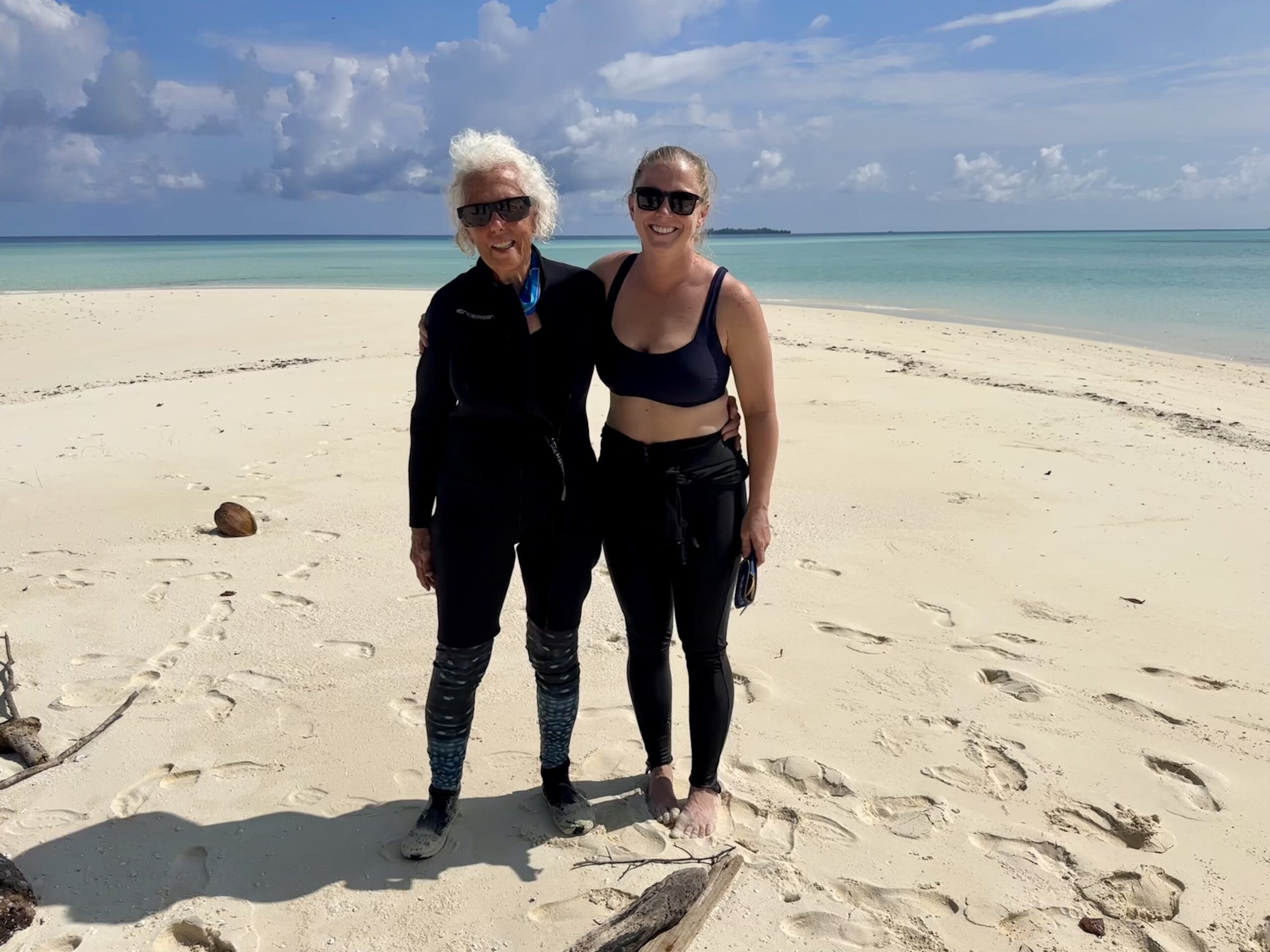
The remote corners of Micronesia and Polynesia are believed to be among the last corners of the planet to be inhabited by humans. When the famed Micronesian sailors navigated the Pacific and finally arrived in Palau, they had limited resources to sustain themselves. Living in harmony with nature became a core value of their society that continues to influence their culture today.
According to some traditions, the islands are formed atop the body of the goddess Chuab, whose hair is the seaweed below. All living creatures are descended from her essence, and thus, the island is a living ancestor who must be respected.
Today, these values are reflected in the policies of the government. For example, as the illicit shark-fin trade decimated shark populations around the world, Palau created the first shark sanctuary in 2001 and has since expanded strict marine protections to cover the entire country. Palau is now home to one of the healthiest shark populations in the world.
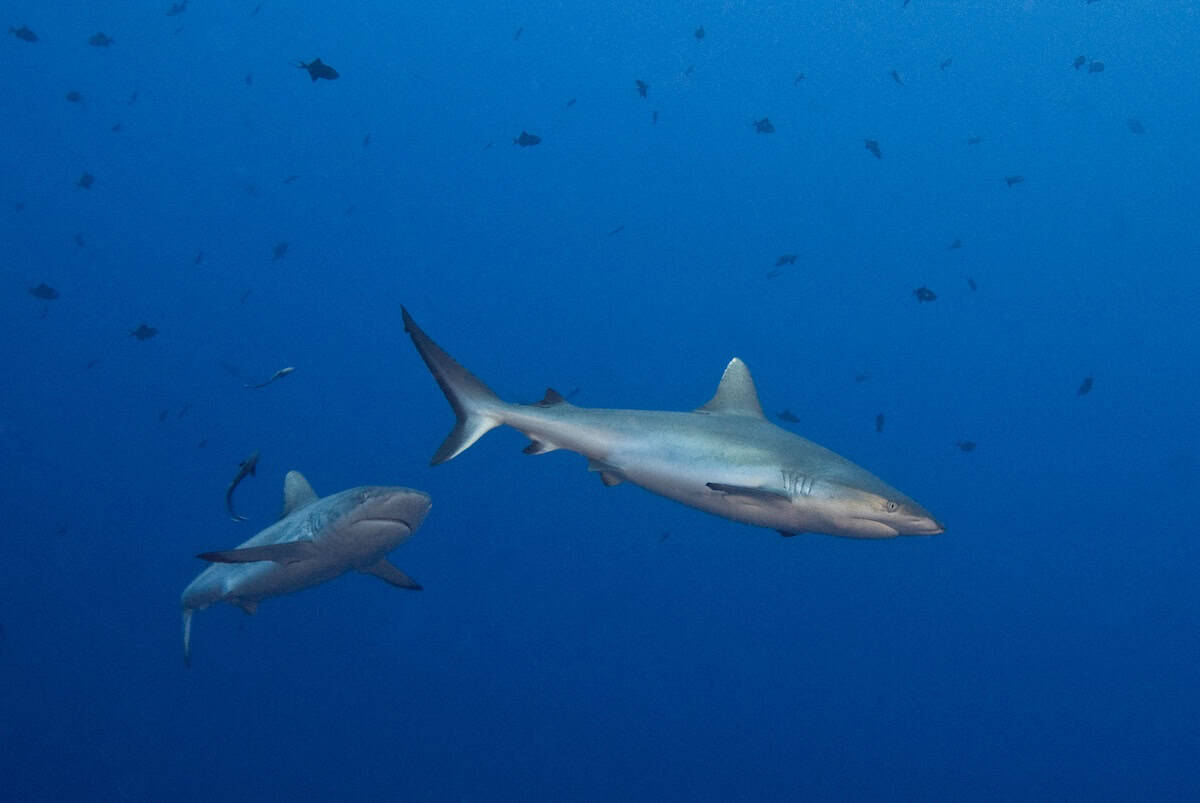
“I’m really petrified of [sharks],” she laughs, “I’ve gotten better though because there are so many in Palau.”
But these apex predators, who are typically shy and avoid humans, are a key reason why the coral reefs of Palau are so stunning. Reef sharks, like black tips, prey on medium-sized fish that feed on classic, tiny reef fish like clown and parrot fish. These smaller fish eat the algae on the corals, promoting their growth, and so sharks play a key role in balancing the marine food chain and promoting biodiversity.
A study in Palau showed that a single living reef shark is worth a staggering $1.9 million in tourism appeal over its lifetime compared with the value of just $108 for a dead shark. Now, the government has centered ecotourism as a core part of its economic model (which today contributes to nearly 40 percent of Palau’s economy).
“They’re just smart,” says Lois in regards to the Palauan government, “They realize this is where the money is going to come from to keep them all going.”
Tourism, when done ethically, has the power to transform economies to protect nature and shift the mindsets of travelers. But when not implemented with care, tourism can wreak havoc on sensitive ecosystems—something Lois witnessed while snorkeling and diving throughout the Pacific in overcrowded regions of Indonesia and Hawaii.
“I don’t think people realize what’s down there on these reefs and how important it is to save them,” she says.
To Lois, this stems from a cultural attitude among many travelers of looking at nature as something to exploit for entertainment rather than something to honor and appreciate. This is a key reason why she values the culture of Palau, which requires travelers to pledge as they arrive in Koror: “The only footprints I shall leave are those that will wash away.”
“They really care about the environment and do all they can to protect it,” she says. “These are people that we should emulate.”
Building Community through Travel
On her return in 2021, Lois and her fellow Oceanic Society travelers were stunned to discover that the president of Palau was sitting with them waiting to receive a COVID test.
“We learned a lot about the culture just seeing the President going to get his COVID test with us, not being treated any differently than anybody else,” she says.
His easy-going demeanor is reflective of Palau. With a population the size of a small town, many of its residents and key public figures are especially neighborly and welcoming.
Since her return in 2021, Lois has made visiting Palau an annual tradition—a ritual that deepens her connection each year to a land that holds such meaning. In just a few short years, she has returned six times, each trip strengthening her bond with the islands, the reefs, and the community she now considers family. Today, she is close with dive operators, hotel workers, and many others that she regularly bumps into.
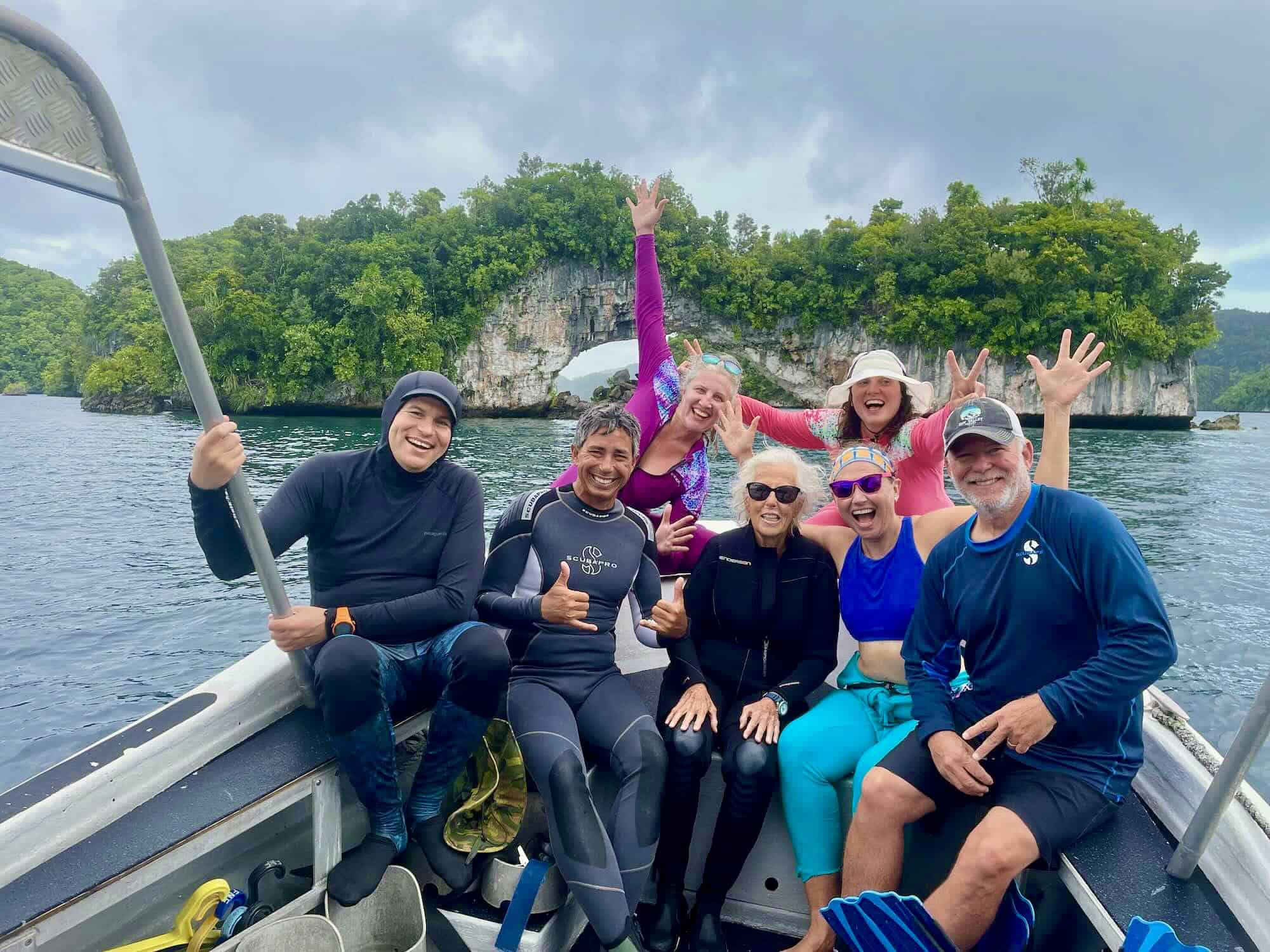
Community is also a core reason that Lois travels with Oceanic Society. “You can count on traveling with a group of people who are always interested in the environment,” she says.
“They’re just lovely people,” she continues. “It’s like putting on an old pair of shoes.”
One person Lois has formed a particularly close friendship with is Oceanic Society naturalist and marine biologist, Raymond Boland, who leads many Palau expeditions while based out of Hawaii. Each trip, the friendship deepens with shared memories in the water.
“She is always in the water the longest, and happy and comfortable the whole time,” Ray says of Lois. “She is inspiring to me and brings the best elements of ecotourism to life.”
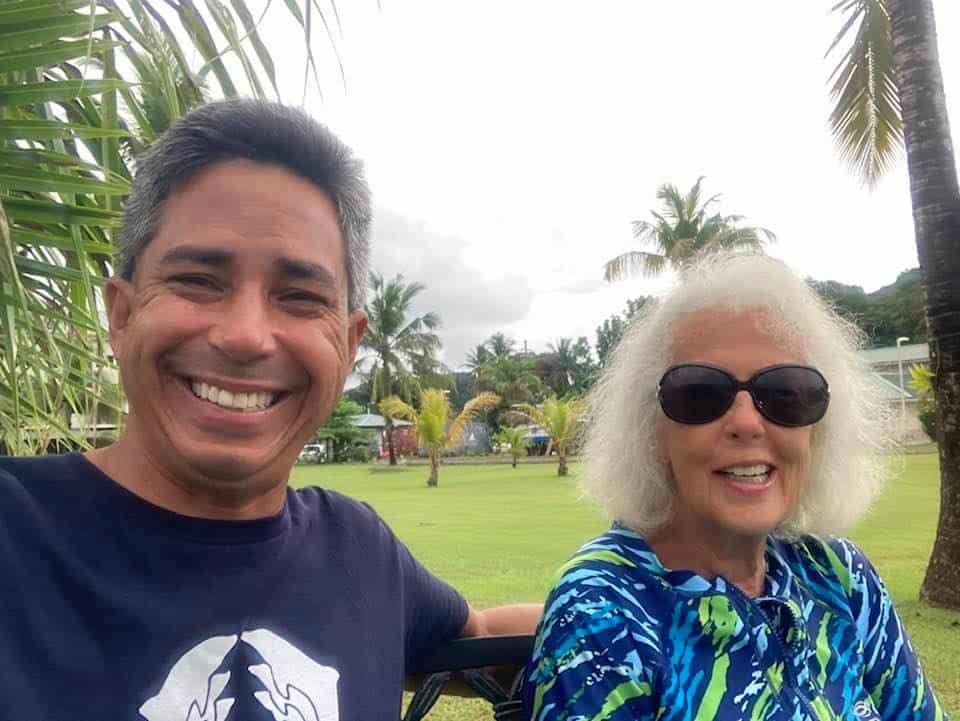
Today, as Lois awaits her next trip to Palau, she often daydreams while looking at photographs of vibrant corals and marine life that line her walls. Many of these photographs are Ray’s and her husband’s, and the images of sea snakes, nudibranchs, and flowing corals quickly carry her back to a place and community that is dear to her heart.
“I just love the people,” she says, “I feel when I get off the plane, I’m home.”