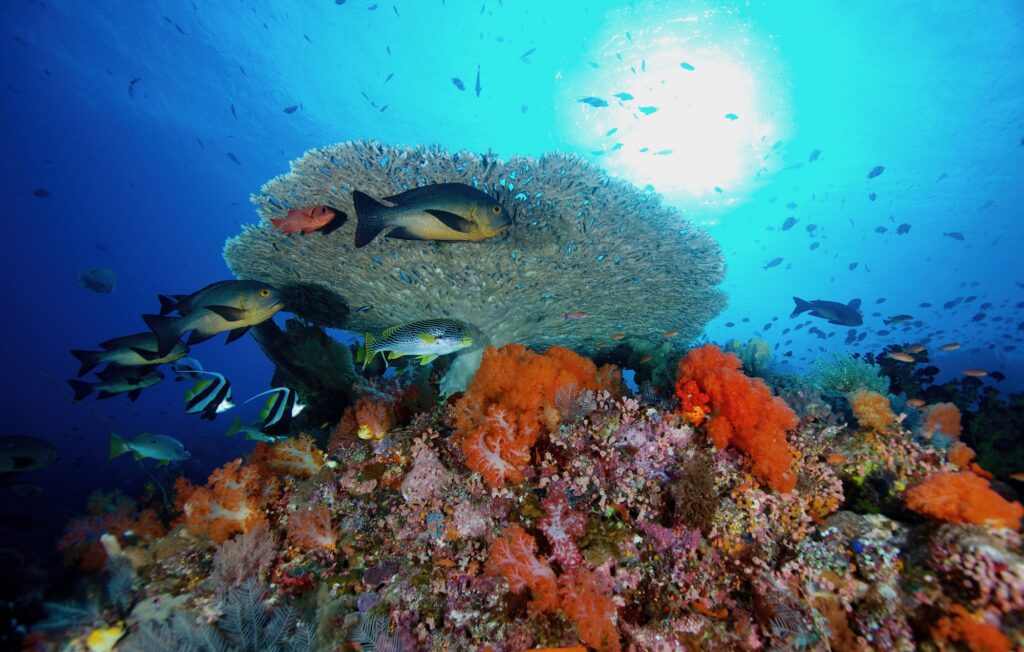
Beach cleanups are an effective and accessible way for people and communities to get involved in supporting healthier oceans. By removing waste from coasts and waterways, you can immediately help protect ocean habitats and threatened wildlife like sea turtles, marine mammals, and seabirds, while also bringing greater awareness to issues that impact the ocean. Whether you are organizing a small cleanup with friends or a larger community one, proper planning ensures the event runs smoothly, prioritizes safety, and maximizes impact.
This guide is intended to walk you through the essential steps to plan and host a beach cleanup, drawing on our own experiences organizing coastal cleanups worldwide, as well as established recommendations for site selection and logistics, volunteer coordination, safety protocols, waste management, and data reporting.
1. Choose Your Cleanup Location and Prepare
Begin by identifying a beach, coastal area, or waterway in need of attention that is also safe and accessible for volunteers. Depending on the location, you may need to contact the local parks authority or environmental agency to obtain any necessary permissions.
Visit the site in advance to identify potential trash hotspots and to assess logistics, including:
- Placement of a check-in station for volunteers;
- Designated areas for compiling and sorting collected waste;
- Specific areas volunteers will clean—for larger cleanups, you may want to create a map of different zones and assign small groups of volunteers to each zone.
Be sure to flag any potential hazards, such as rocky terrain, areas impacted by tides, poison ivy/poison oak, or other poisonous plants, or vehicle traffic. Schedule the event during daylight hours, ideally in the morning when temperatures are cooler and visibility is optimal. Consider tide schedules to ensure sufficient beach area is exposed.
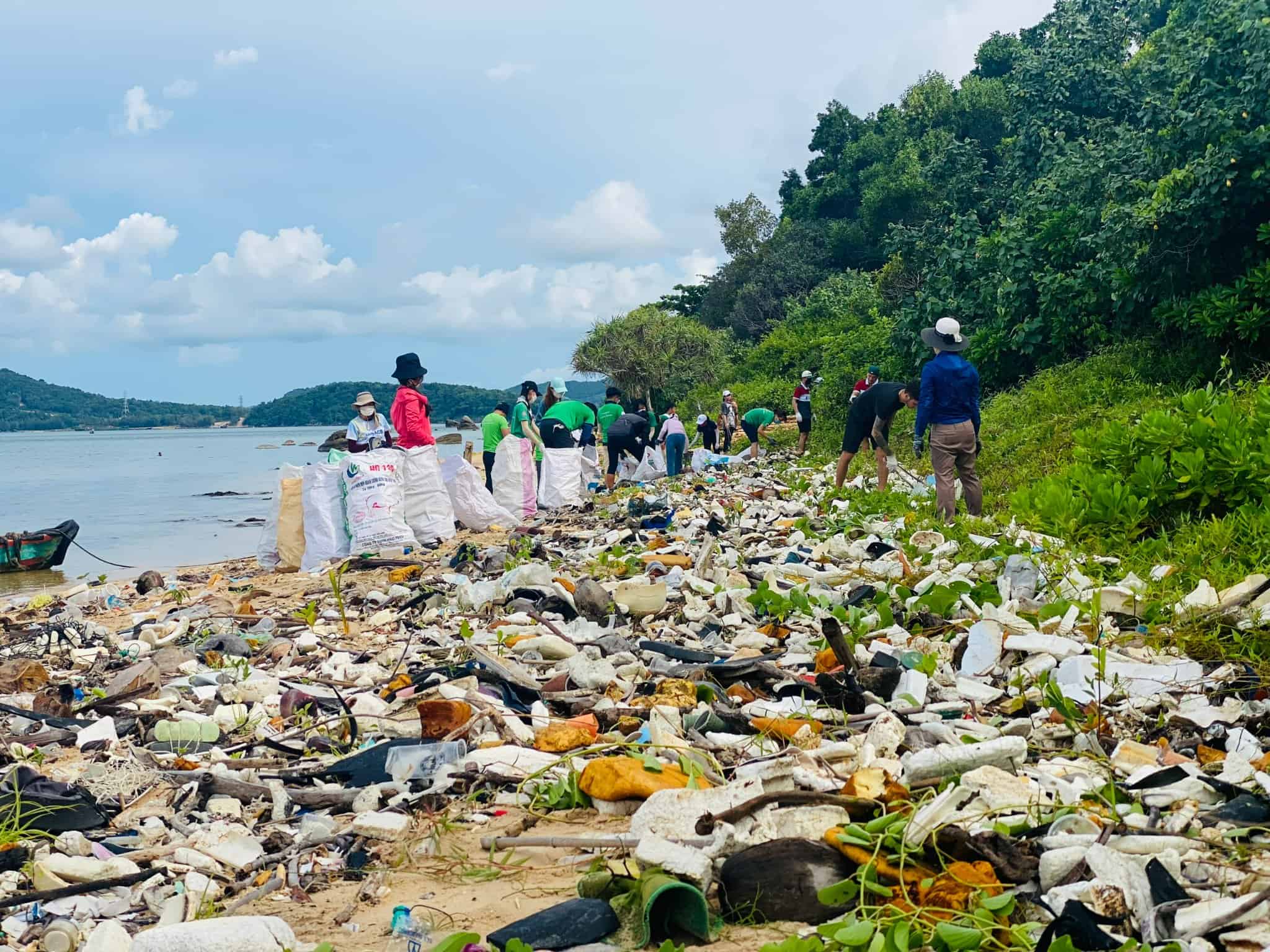
Clean and Green Phu Quoc protects Vietnam’s largest island through ongoing beach cleanups that remove tens of tons of plastic waste each year. © Phu Quoc Sach & Xanh / Phu Quoc: Clean and Green
2. Recruit and Coordinate Volunteers
Building a reliable and enthusiastic volunteer team is essential to the success of any beach cleanup. Start by reaching out to friends, family, colleagues, and neighbors who share an interest in environmental stewardship. To expand participation and enhance credibility, reach out to local organizations that have an interest in conservation, such as environmental nonprofits, wildlife protection groups, or community sustainability initiatives, as they may be interested in promoting or co-hosting the cleanup.
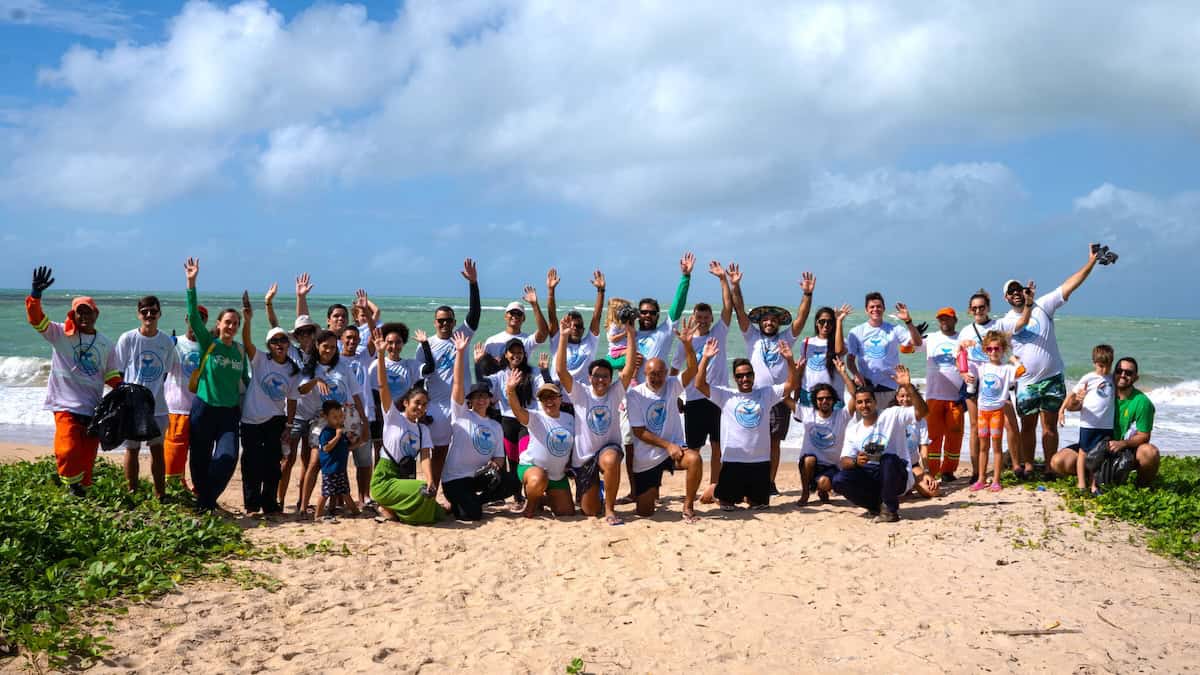
Participants with Instituto Biota de Conservação come together for a local beach cleanup as part of Oceanic Society Global Ocean Cleanup 2025—a collective effort to protect coastlines and restore marine ecosystems worldwide. © Instituto Biota de Conservação
You can also reach out to local business associations (e.g., chamber of commerce) for support, as well as to city or county environmental departments, parks and recreation offices, or civic organizations for collaboration. If there are local businesses with a strong community presence or a direct interest in the site you are cleaning (for example, a hotel adjacent to the cleanup site), you can also reach out to them for support or participation.
Assign clear volunteer and partner roles early on, such as a site coordinator for logistics, and send advance reminders to all participants with the date, time, location, safety guidelines, and recommended items to bring.
3. Strategically Promote Your Event
Set up a simple event page using a platform like Facebook Events or Eventbrite so people can easily register, receive updates (important in case of event changes), and know where to go. Then share the event page across your social media platforms with strong visuals and key details (date, time, and location).
Use hashtags like #BeachCleanup and #OceanConservation to help more people find your event. You can also build excitement with a few posts leading up to the day, such as an announcement, a few facts about ocean pollution, and a reminder as the date gets closer.
To reach even more people, print a few flyers and post them in local cafés, shops, and community boards near the cleanup site with a QR code leading to your registration page.
If you have an email list, send out a direct invite via email as well. Local organizations can also be great partners, and may be willing to share your event through newsletters, calendars, or member networks. All of this helps bring in a bigger, more engaged group of volunteers.
4. Assemble Necessary Supplies
Get ready for your event by gathering, borrowing, or acquiring the materials you need to run a successful cleanup.
Essential beach cleanup supplies:
- Trash bags or reusable buckets for waste collection
- A tarp for sorting collected waste, if needed to sort recyclables or for data collection
- Clipboards, pens, and printed data sheets for collecting data
- Sign-in sheet to record attendance and enable follow-up communication, if desired
- Hanging scale for weighing collected waste (helpful for reporting impact)
- Reusable gloves (preferably garden or construction-style; encourage volunteers to bring their own)
- First-aid kit for minor injuries
- Hand sanitizer
- Drinking water (i.e., water cooler or refill station), and paper cups—encourage participants to bring their own reusable water bottles
Optional supplies:
- Shade tent
- Event signage
- Folding table
- Hanging scale for weighing collected debris (helpful for reporting impact)
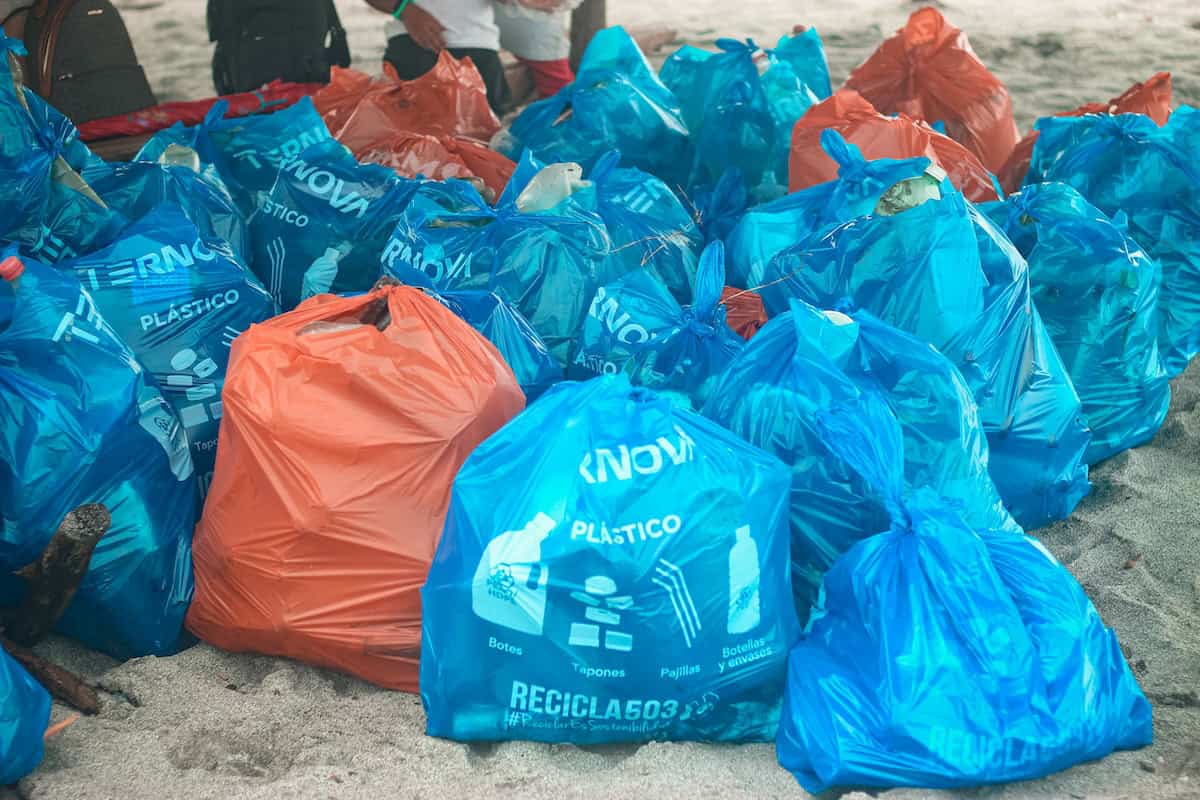
Debris collected during local cleanups is carefully sorted into proper waste and recycling streams to ensure responsible disposal and protect wildlife © Zoological Foundation of El Salvador (FUNZEL)
5. Establish a Responsible Waste Disposal Plan
Before your event, it is critical to consider where and how you will dispose of the waste you collect so that it doesn’t end up back in the environment. Consider these important questions: Will the waste be hauled off? Is there a dumpster on site? Can a special trash collection be arranged? How will you sort materials for recycling, and what can be recycled?
- Recyclable materials: Research what can be recycled in your area and how, and inform your volunteers accordingly. Then, be prepared to sort and collect recyclable items (plastics, metals, and/or glass) on site according to local guidelines. For example, does each material need to be separated individually, or can all be collected together? Are there specific types of plastic that can be recycled? If needed, print up these procedures for your volunteers.
- Hazardous or Special Items: Consider how you will properly dispose of items like batteries, electronics, tires, or paint, or large items like mattresses or furniture, through municipal resources.
- Landfill: Direct non-recyclable, non-compostable waste appropriately.
Coordinate with local waste services in advance for pickup of collected debris.
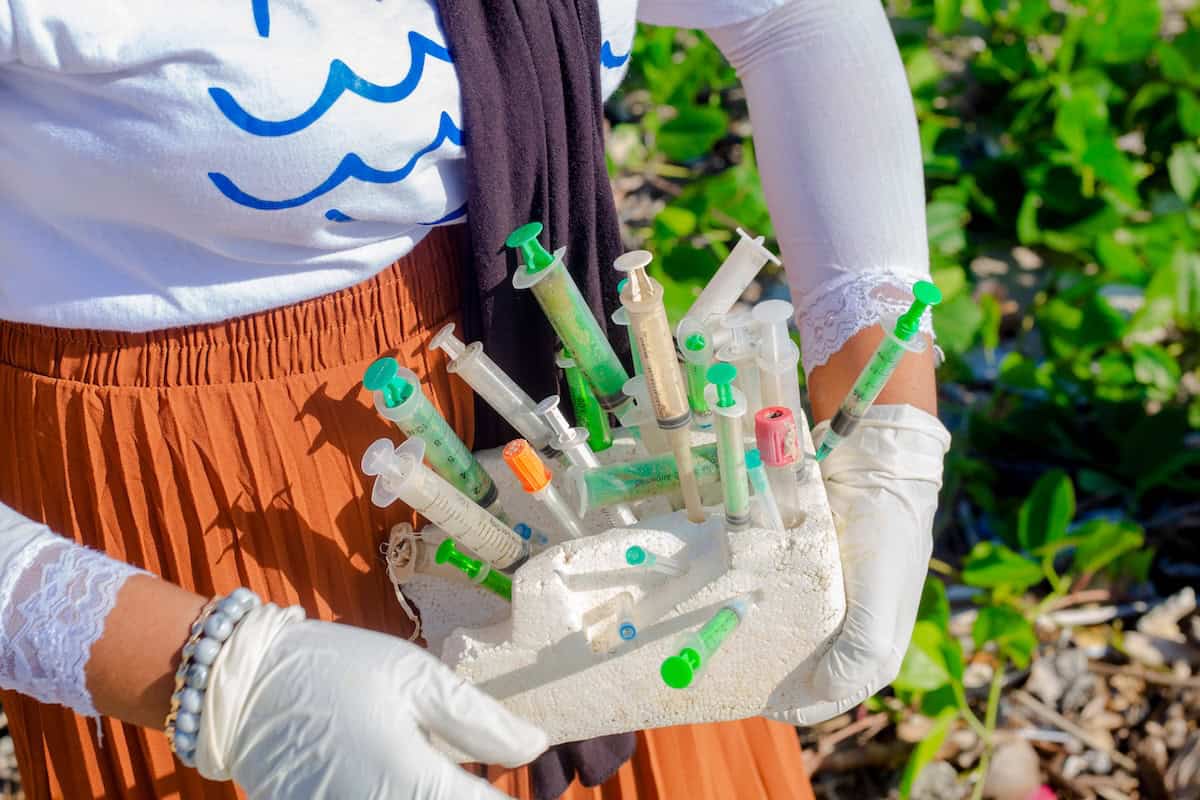
A volunteer with Sustainable Ocean Alliance displays a styrofoam block littered with medical syringes found during the Global Ocean Cleanup 2025 in Tanzania—highlighting the urgent need for proper waste management to protect ocean and community health.
6. Run a Smooth, Engaging Cleanup Event
Once your planning is complete, thoughtful execution of your cleanup can significantly improve both your impact and the experience for participants.
Set Up for Success Before Volunteers Arrive
- Arrive early to set up your check-in area, post any signage, and designate a clear trash drop-off, weighing, and sorting station
- Prepare printed data sheets, clipboards, and pencils for volunteers
- Assign a lead data recorder responsible for collecting data sheets, overseeing trash sorting, and weighing all debris
Create Energy and Engagement from the Start
Our behavior change research shows that fostering community through simple social and interactive elements can increase participation, satisfaction, and long-term connection to conservation. Consider incorporating one or more of the following activities to build community during your event.
- Ice-breakers to create connection and enthusiasm:
- “What are you most excited about today?”
- “Is this anyone’s first cleanup?”
- “What’s the most unusual thing you think we’ll find?”
- Friendly challenges or games:
- Cleanup Bingo
- Team competitions (e.g., guessing the total weight of debris collected for a small prize)
- Get a Group Photo
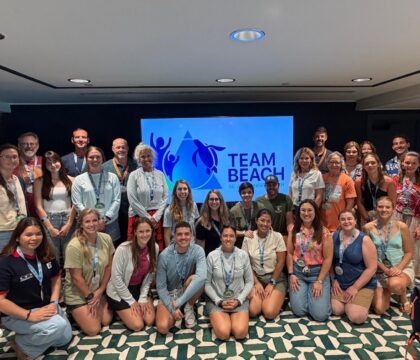
- Don’t forget to take a group photo to share with your volunteers, supporters, and the world! We recommend doing this at the start of your cleanup, as volunteers sometimes depart early, but it is also impactful to do it at the end, among all the collected debris!
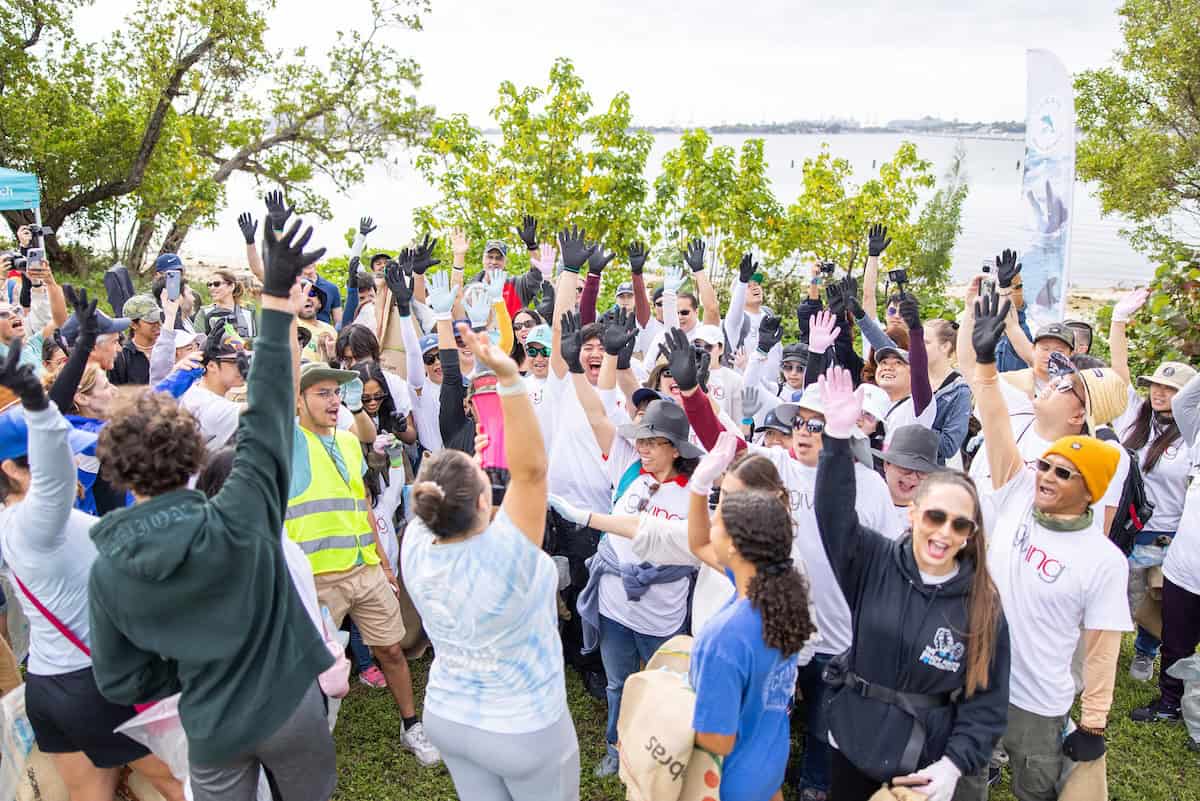
Volunteers with Clean Miami Beach gather at the shoreline, celebrating community spirit as they gear up for the cleanup ahead. © Clean Miami Beach
Close with Impact and Reflection
- Reconvene the group at the end to weigh, sort, and reflect on what was collected
- Share key findings and highlight the collective impact of the group’s effort
7. Document and Report Results
Collect data during the cleanup, such as the number of participants, the volume and/or weight of trash removed, and the different types of debris collected. This information helps identify unique local issues, makes connections to our consumer choices, and can be used to support broader advocacy efforts.
Submit your cleanup results to relevant local or international organizations or databases when possible. And be sure to share them back with the participants, sponsors, and collaborators! Sharing results through photos, summaries, or reports can inspire future participation and highlight your events’ collective impact.
Download Free Trash Collection Data Sheet
Download and print trash collection data sheets to measure the impact of your event, tracking types and quantities of trash collected, identifiable brands, and overall summaries. Distribute these to cleanup volunteers.
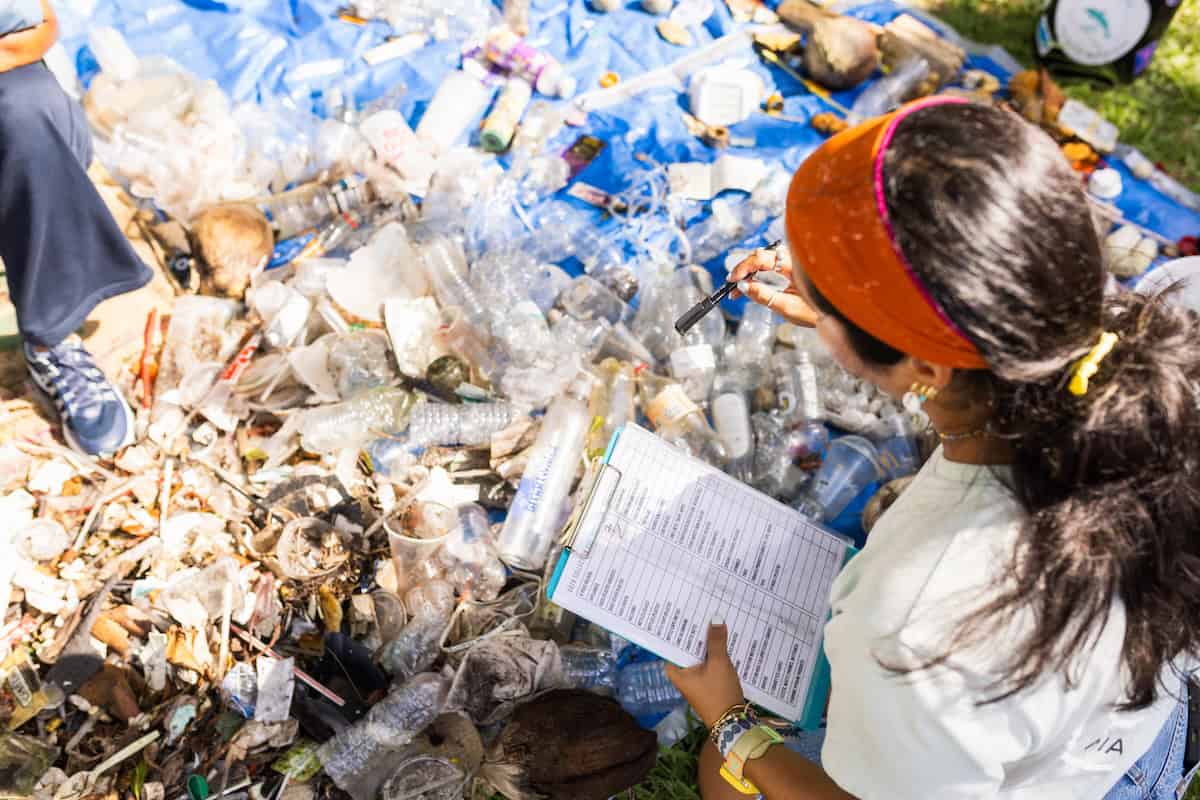
Carefully counting and recording debris collected during a 2025 cleanup in Miami, helping track waste types and support more effective conservation efforts. © Clean Miami Beach
Additional Tips for Organizing a Successful Ocean Cleanup
- Advise volunteers to wear protective clothing, including closed-toe shoes and long pants, especially if hazards such as sharp objects or vegetation are present, and to wear appropriate sun protection, such as hats and reef-safe sunscreen.
- Aim for events that align with low tide for maximum access
- Respect local wildlife, and ensure your cleanup will not disrupt natural behaviors, such as nesting, or harm sensitive areas.
- Avoid creating more waste through your cleanup by minimizing single-use items at the event itself.

- Consider tying the cleanup to broader themes, such as sea turtle conservation, by noting how reduced waste helps wildlife that may mistake plastics for food
- Follow up with volunteers afterward to express appreciation and share results to build community engagement for future initiatives.
Common Mistakes to Avoid
- Not planning waste disposal in advance
- Underestimating volunteer coordination
- Scheduling during high tide
- Creating unnecessary waste during the event
Join the Global Ocean Cleanup
For those seeking to amplify impact beyond a single event, Oceanic Society’s Global Ocean Cleanup campaign is an annual international initiative that unites communities worldwide in removing ocean plastic and protecting marine habitats. Participating in or aligning your cleanup with this effort can connect your local action to a larger global movement.
Hosting a beach cleanup requires thoughtful coordination but yields meaningful environmental and social benefits. With careful preparation, these events strengthen community ties while contributing directly to cleaner coastlines and healthier oceans.
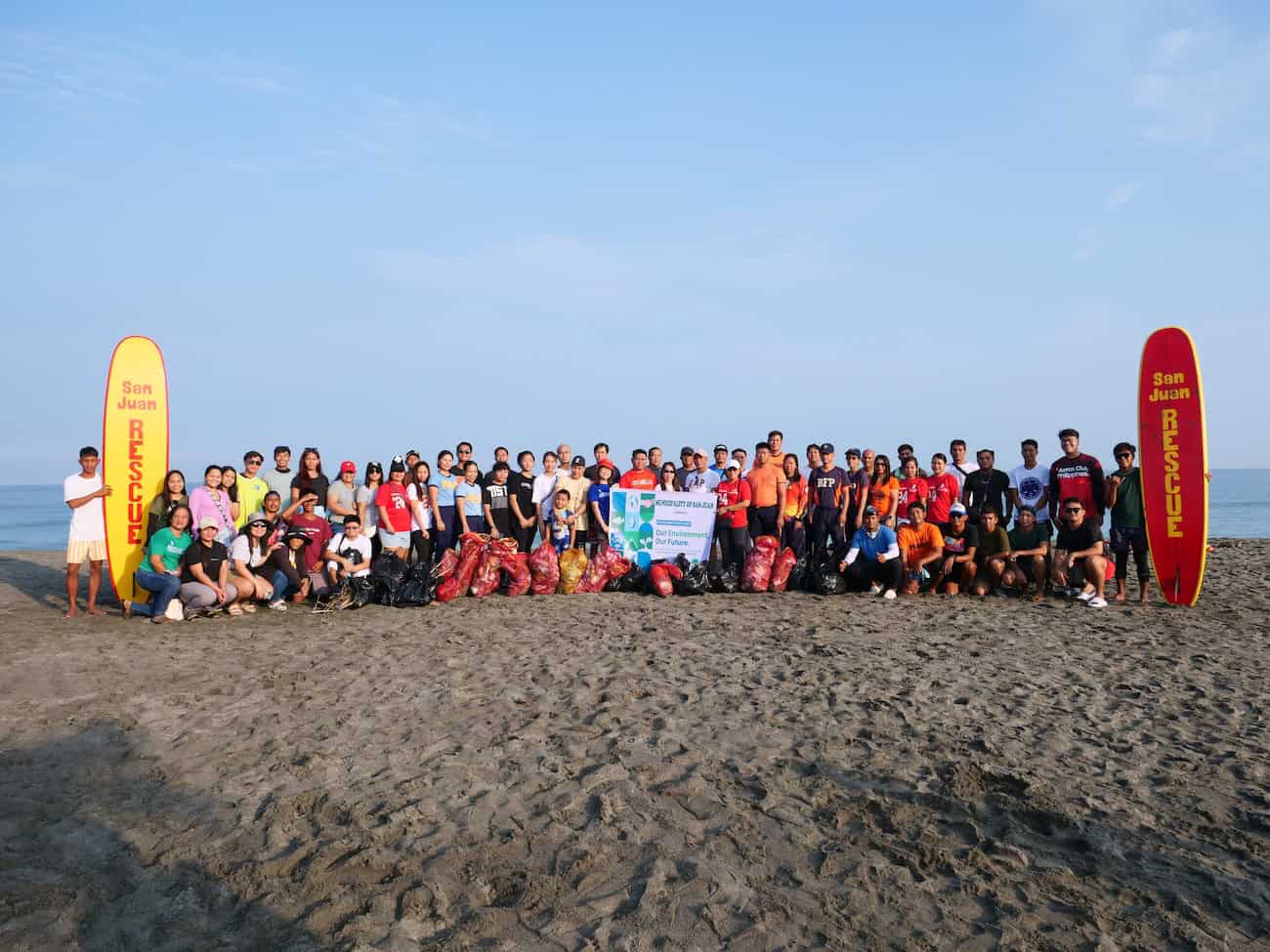
Project0 CURMA (Coastal Underwater Resource Management Actions) and volunteers in the Philippines come together to clean local beaches and protect sea turtle habitats. ©Projecto CURMA
For more ways to make a positive impact in your community, read 7 Solutions to Reduce Ocean Plastic Pollution, which offers more actionable steps for people and communities to address this pressing environmental issue.