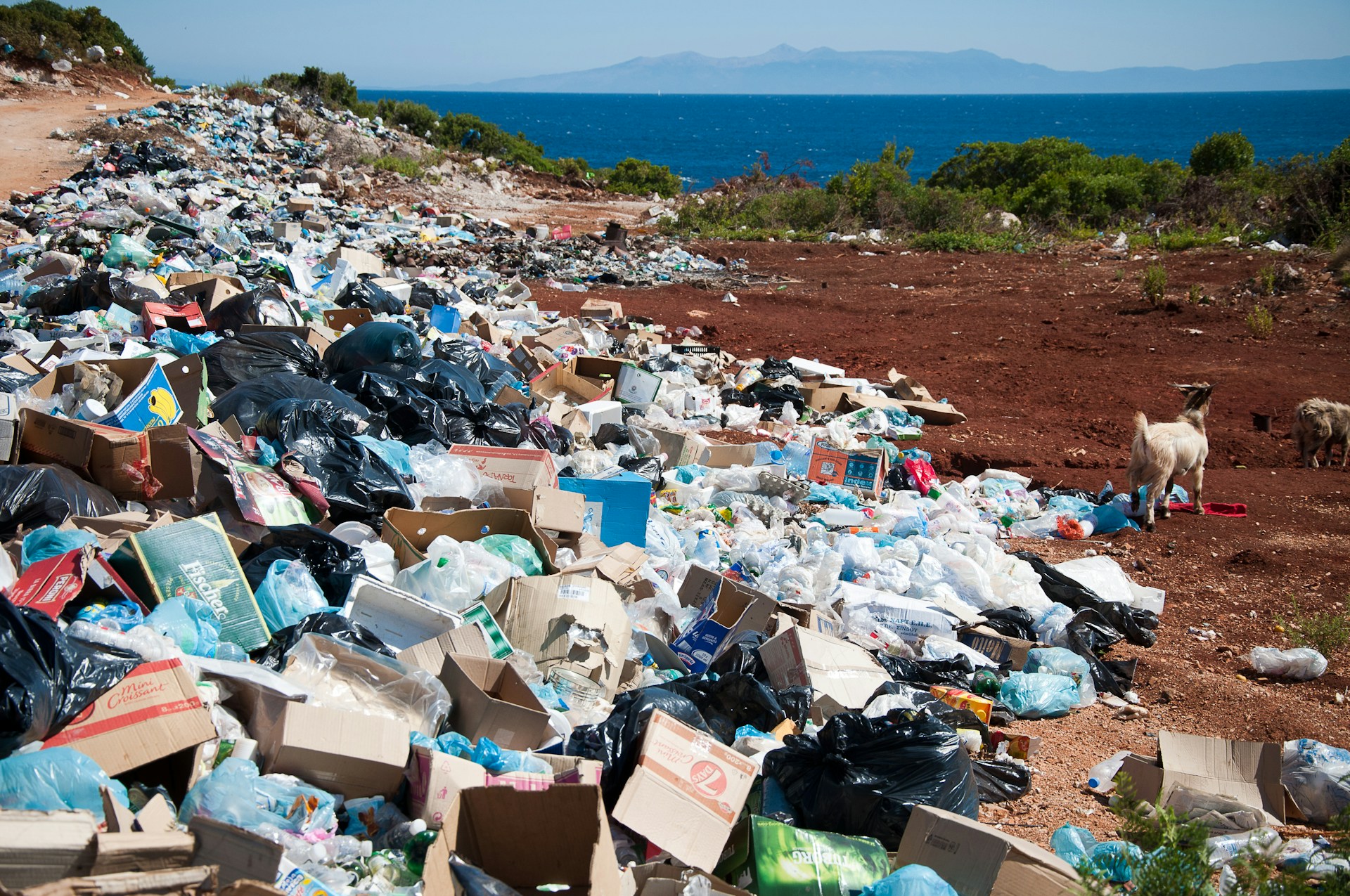
Every year, Americans send more than 11 million tons of textiles to landfills — clothing, shoes, and household goods that could easily have been reused.
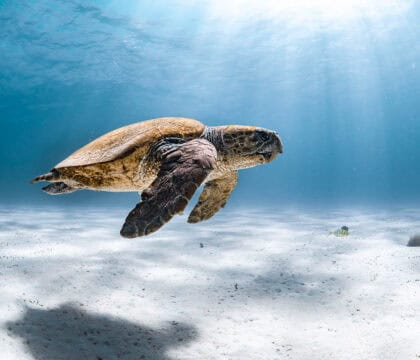
Much of that waste eventually enters waterways and oceans as microplastics, as synthetic fabrics break down over time.
At the same time, the demand for new production keeps rising, driving further strain on natural resources and, in many cases, plastic pollution.
Thrift and secondhand shopping offer a simple counterweight: extend the life of what already exists, cut demand for new manufacturing, and keep usable goods out of landfills. It’s a small, everyday choice, but at scale it adds up to real environmental impact.
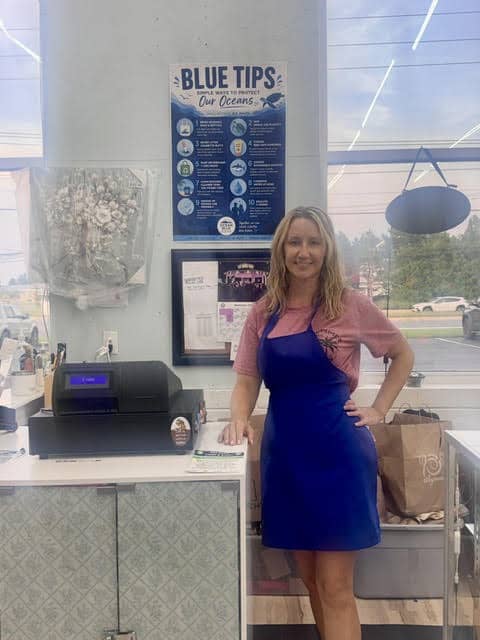
Meet Katie Lusky, Founder of Planet Green Project & Ocean Blue Thrift Store
Katie Lusky, founder of Planet Green Project, has developed a practical solution to environmental waste: a nonprofit thrift store model that turns everyday shopping into meaningful conservation. Her goal was to make sustainable action accessible to everyone—not just dedicated volunteers, but anyone who donates, shops, or makes a daily purchase.
What began as a single storefront in Boothwyn, Pennsylvania, has expanded into a broader movement. Planet Green Project inspires individuals to adopt small, sustainable habits that collectively yield a significant impact.
“I realized those everyday choices could become opportunities to make a positive environmental impact,” Katie explains.
Marking a natural expansion of this mission, Katie recently opened a second location, Ocean Blue Thrift Store, on the coast in Rehoboth Beach, Delaware, deepening the organization’s commitment to community engagement, environmental education, and reuse.
“As Planet Green Project grew, opening Ocean Blue became the next natural step,” she says. “It allowed us to expand our mission, divert even more usable items from landfills, educate a new community about sustainability, and create additional funding for environmental initiatives and conservation partnerships.”
What a Thrift Store Can Do for the Ocean
Walk into Ocean Blue, and you’ll find all the familiar treasures of a thrift store: affordable clothing, home décor, books, artwork, furniture, and plenty of one-of-a-kind finds. But there’s another part of the experience that’s just as important.
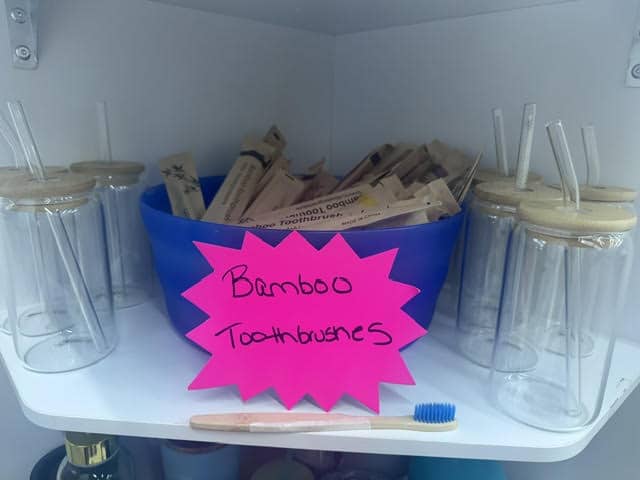
The store also offers reusable alternatives to everyday single-use plastics, from glass tumblers and shopping bags to bamboo toothbrushes. Throughout the space, customers can learn more about how plastic pollution affects our oceans and marine life, along with simple ideas for reducing waste in their own lives.
“We hope every customer leaves not only with something they love, but also with a greater appreciation for how small actions can make a big difference,” Katie says.
That philosophy extends to the way Ocean Blue thinks about the impact of thrift shopping itself. Giving existing products a second life can help reduce demand for new manufacturing, conserve natural resources, and keep usable items out of landfills.
“While no single action solves plastic pollution, millions of small actions together can create meaningful change,” Katie explains.
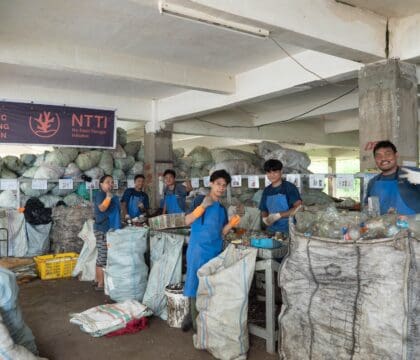
For Ocean Blue, creating a healthier future also means investing in the community. Planet Green Project has partnered with local schools and organizations to provide job training for individuals with disabilities and support workforce reentry for people returning to the community after incarceration.
“We believe that building a healthier future means caring for both our environment and the people who live in it,” Katie says.
A Personal Connection to the Coast
For Katie, Ocean Blue’s focus on the ocean is about more than branding. It comes from a personal connection to the coast.
“Living near Delaware’s beautiful beaches has given me a deep appreciation for our coastal environment and the incredible wildlife that depends on it,” she says.
That connection has also made the impacts of pollution hard to ignore. Seeing litter along the local coastline and learning more about how plastic pollution affects marine life reinforced for Katie how important it is to protect these ecosystems.
That’s part of why Rehoboth Beach felt like the right home for Ocean Blue. “It’s a community that values the coast and the environment,” Katie says. “We wanted to create a place where sustainability and ocean conservation naturally come together.”
Partnering With Oceanic Society
That same sense of connection is what led Ocean Blue to partner with Oceanic Society.
“As a coastal thrift store, supporting an organization dedicated to protecting our oceans felt like a natural fit,” she says.
Ocean Blue has already made its first donation to Oceanic Society, a milestone Katie hopes will be the start of a growing partnership.
“As the store continues to grow, we’d love to expand our support for organizations like Oceanic Society and create additional opportunities to educate our community about ocean conservation.”
For Katie, the idea is simple: everyday choices can add up to meaningful change.
“Our hope is that every person who shops with us realizes they’re doing more than purchasing a secondhand item,” she says.
“They’re helping keep usable goods out of landfills, reducing waste, supporting environmental education, encouraging sustainable alternatives to single-use plastics, and contributing to conservation efforts that protect our oceans and wildlife.”