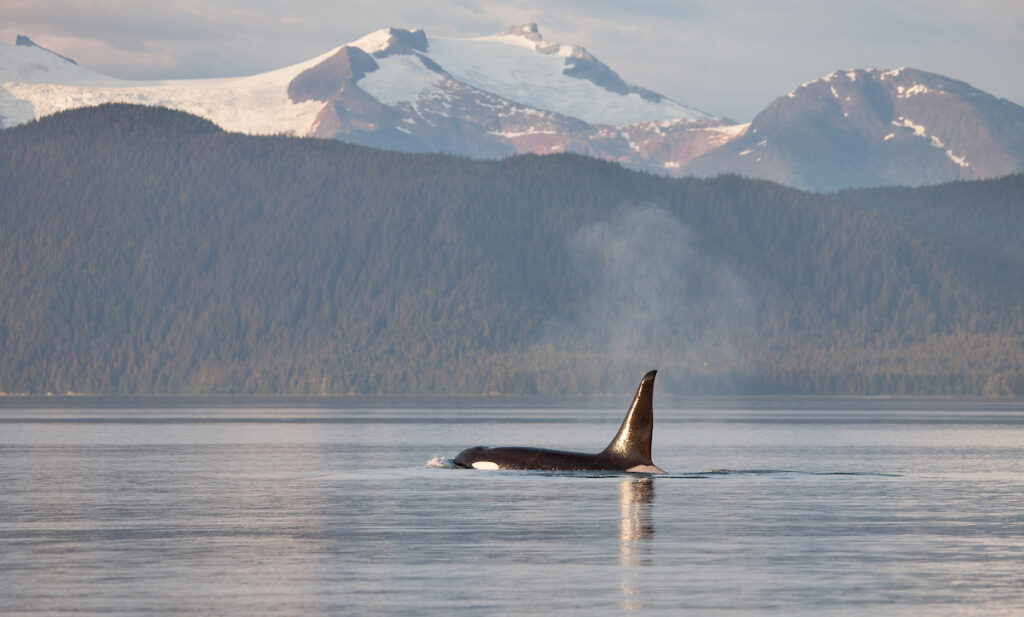
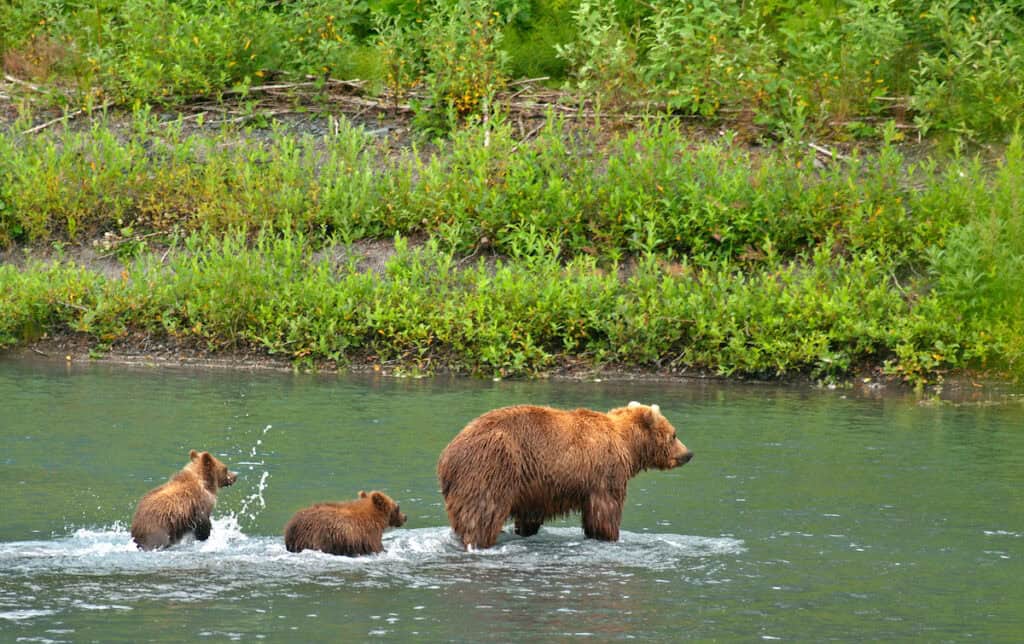
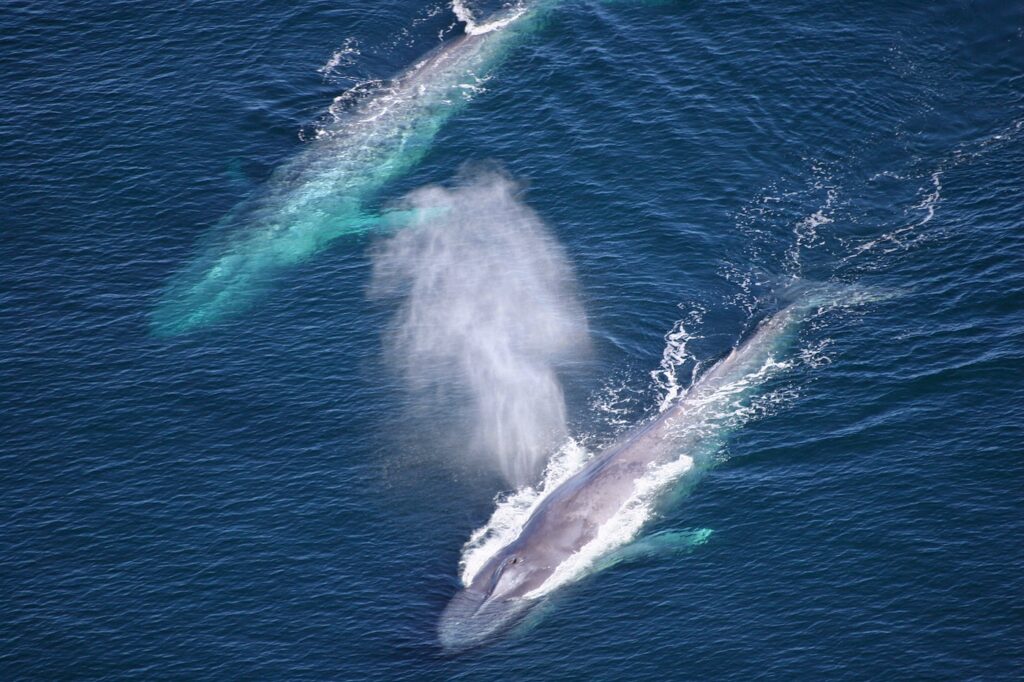
Learning about marine life in a textbook provides an important foundation, but experiencing it firsthand can make the difference between simply knowing about an animal and understanding the environment it depends on.
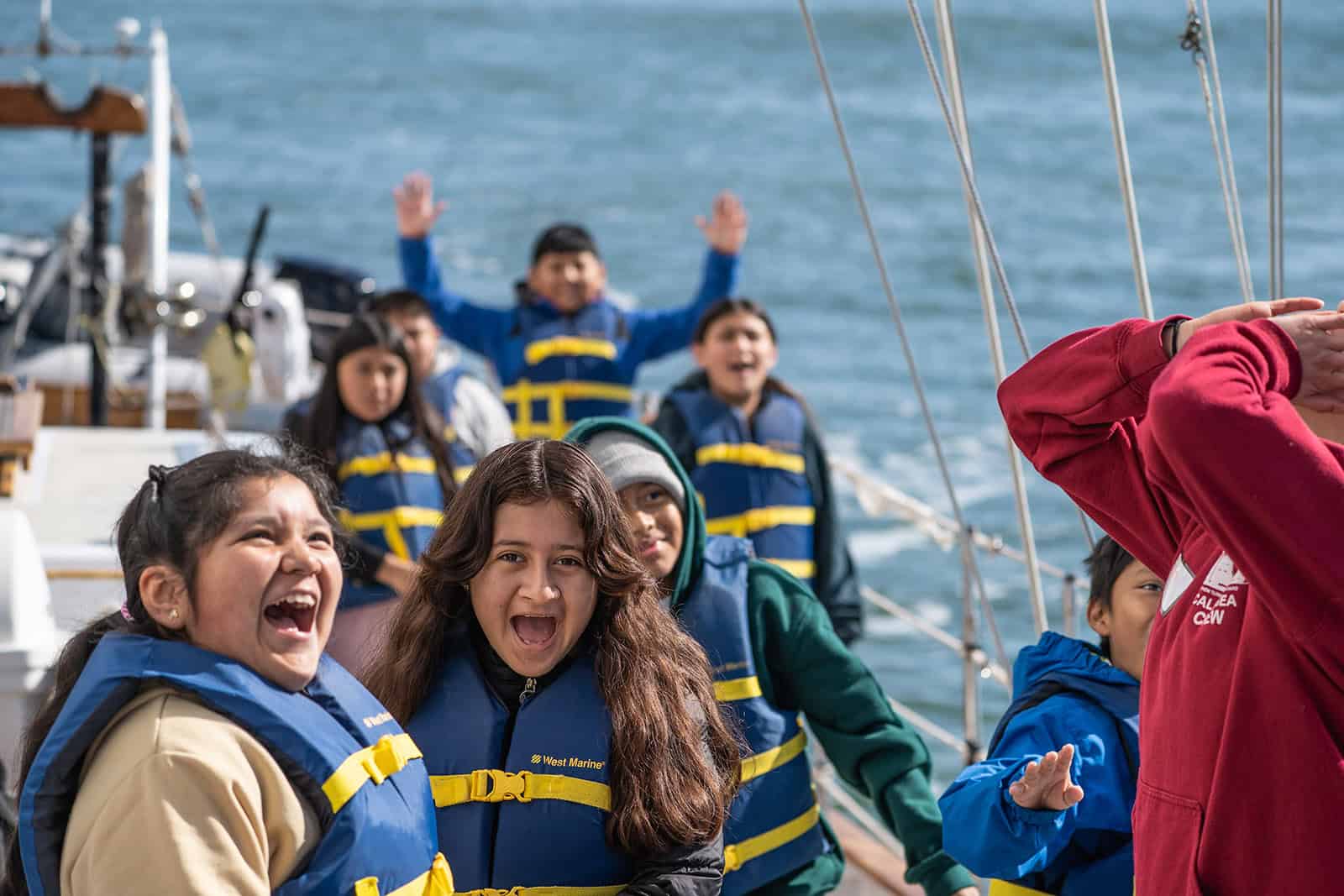
Oceanic Society’s Conservation Scholars Program helps make those experiences possible by reducing barriers and providing free wildlife boat tours on San Francisco Bay to local schools.
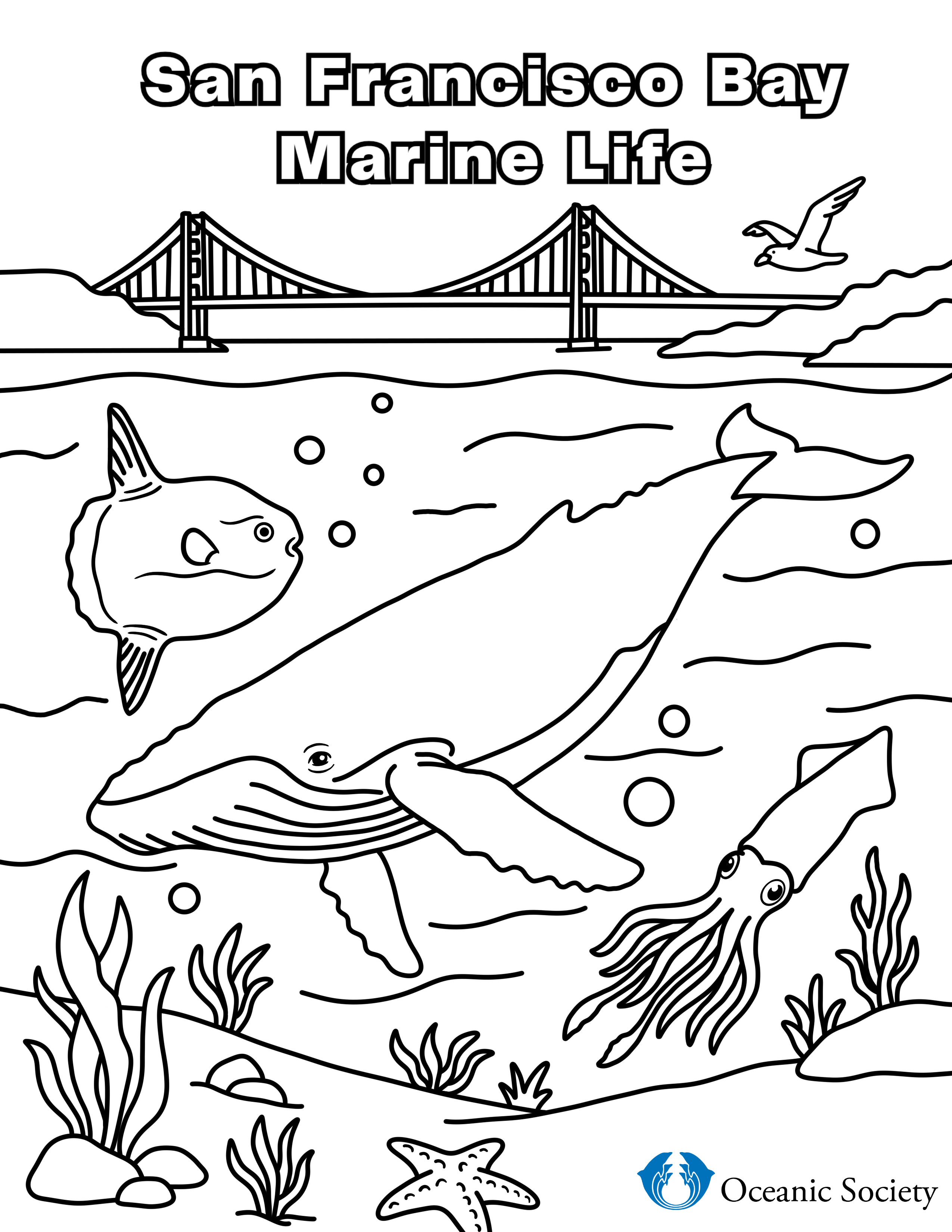
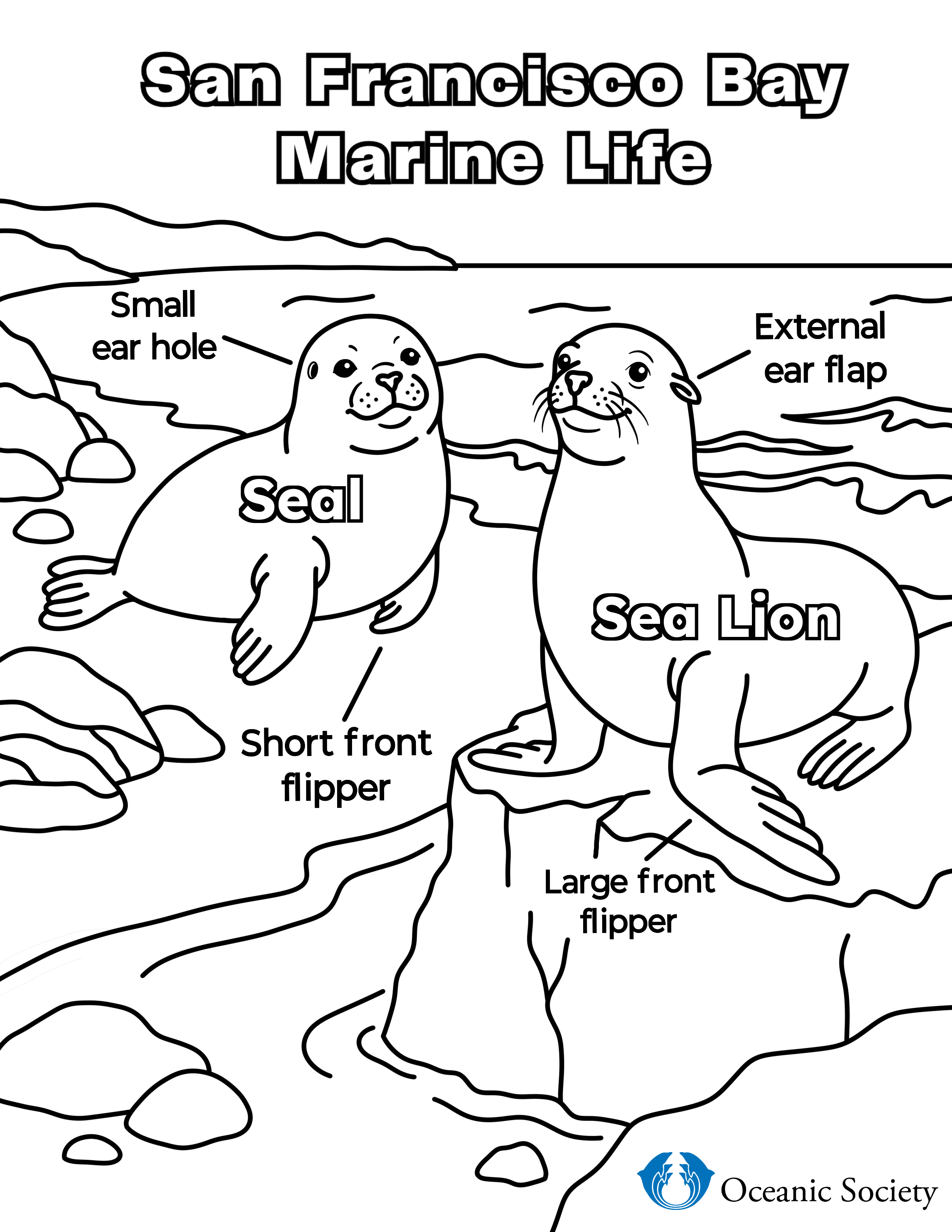
Inspired by the program, Let’s Go Coloring created a collection of free San Francisco Bay marine life coloring sheets to help connect what students learn about and see. The illustrations feature humpback whales, California sea lions, harbor seals, squid, sea stars, and mola mola.
In a traditional classroom setting, students might learn about the ocean as an interconnected ecosystem, explore different marine species, or study the adaptations that help animals survive in their environments. On a Conservation Scholars experience, those lessons can come to life.
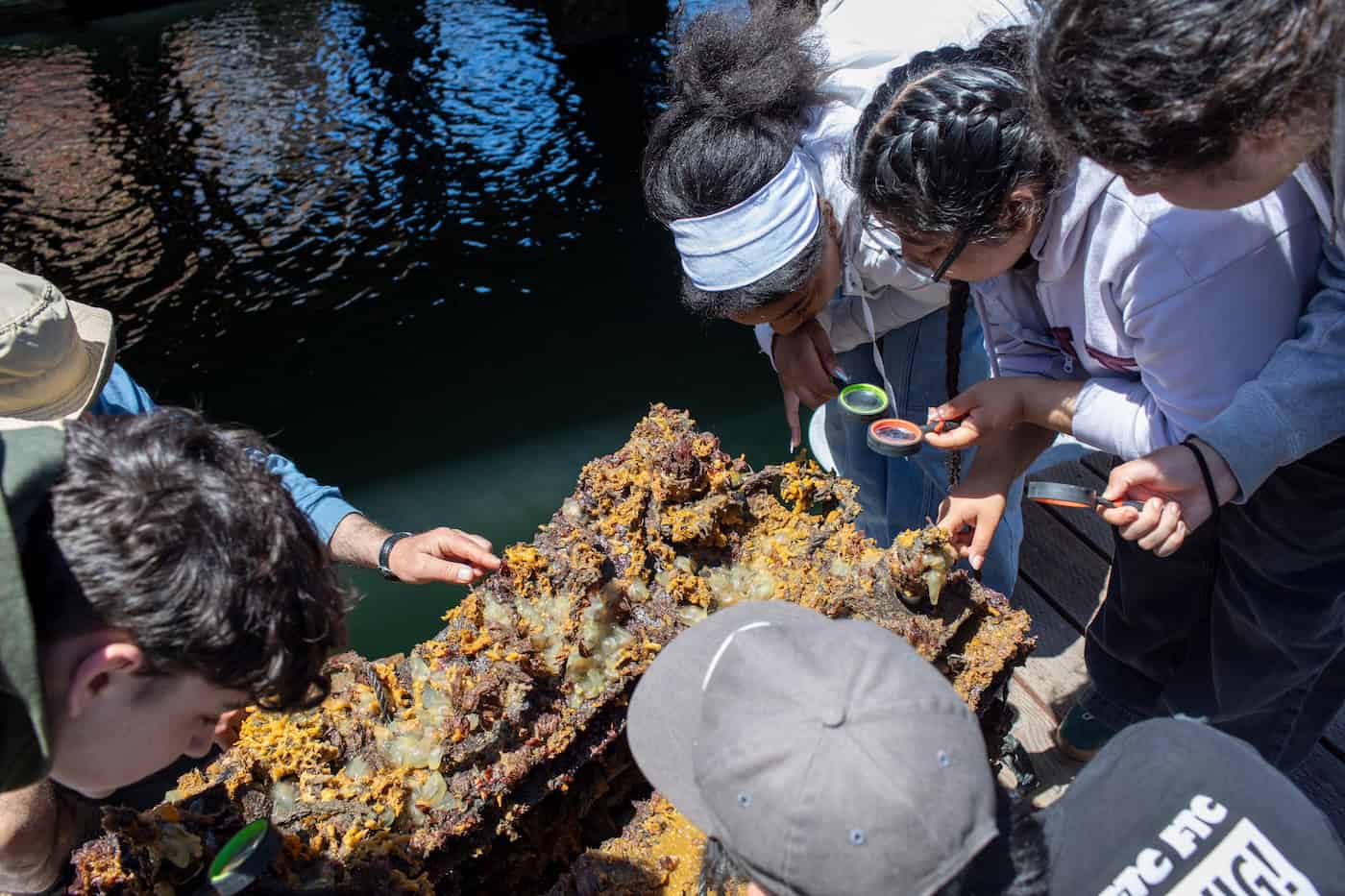
Curious little minds learn to distinguish a harbor seal from a California sea lion by observing real animals and pelts, haul plankton from the sea to examine under a microscope, gently touch tidepool organisms, dissect squid, and spot whales, seabirds, and other wildlife around the Bay.
Instead of only reading about an animal or seeing a photograph, they can observe its behavior, ask questions, and connect what they are learning to the living ecosystem around them.
The same principle can continue after students return to shore.
Writing about their experience, drawing a sea lion from memory, sharing discoveries with classmates and family, or coloring a humpback whale allows them to revisit and process what they learned. Research on experiential and multimodal learning suggests that engaging with ideas in different ways, particularly through active experiences and reflection, can support deeper understanding and help make learning more memorable. Health guidance also suggests that coloring can support relaxation, mindfulness, and focused attention.
In that way, a coloring sheet can become more than a picture to doodle in. It can be a connection between what students learn, what they witness, and what they retain. And the more we understand and connect with the natural world, the more inspired we can be to care for and protect it.
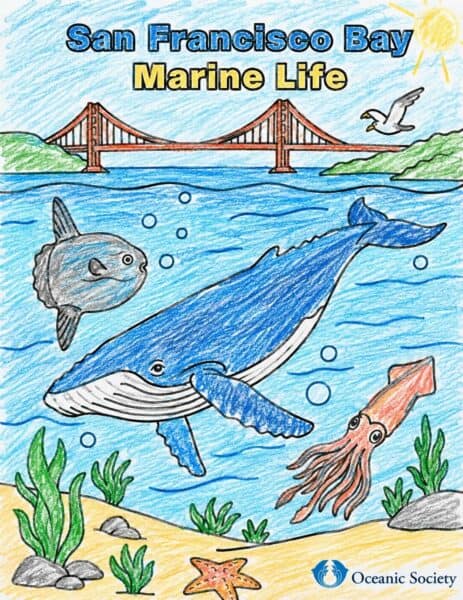
Download the free San Francisco Bay wildlife coloring sheets
→ San Francisco Bay Marine Life
Color a humpback whale, mola mola, squid, sea star, seabirds, and more.
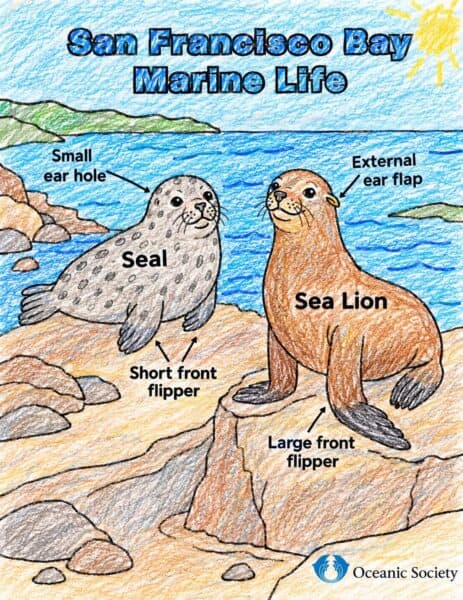
→ Seals & Sea Lions
Learn some of the easy-to-spot differences between these two marine mammals while you color.
For more ways to bring ocean learning home, there are some wonderful free resources from other marine science organizations:
- Monterey Bay Aquarium’s Ocean Animal Coloring Pages(opens in new tab) include gray whales, sea otters, Pacific octopus, sea stars, tide pools, kelp forests, puffins, sharks, and more.
- NOAA’s Ocean, Coasts & Marine Life Resources(opens in new tab) offer printable activities and educational materials covering ocean ecosystems, coastal habitats, and marine life.
- Smithsonian Ocean’s Coloring Sheets(opens in new tab) include individual species such as the benthic octopus and siphonophore, with resources geared toward young learners.