Most travelers who fly to Palau for our snorkeling expedition have never heard of Yap, the small Micronesian state sitting just 250 miles to the north. That is part of its appeal.
While Palau draws international crowds to its famous Rock Islands, Yap has stayed quietly off the radar, preserving traditions that have shaped daily life for centuries alongside reefs that remain remarkably healthy and largely uncrowded.
For those who wish to extend their Palau adventure, Yap offers a different kind of reward: fewer people, a deeply rooted living culture, and some of the most reliable manta ray encounters in the Pacific.
Where in the Pacific is Yap?
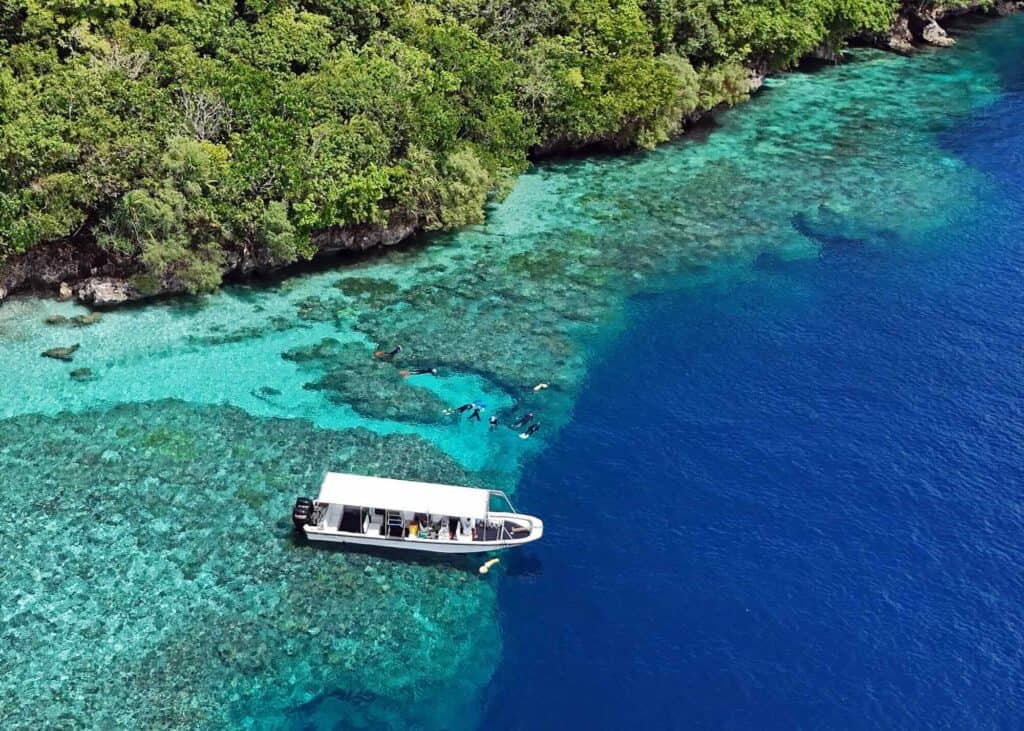
Yap is one of the four states of the Federated States of Micronesia. Its islands sit just nine degrees north of the equator, scattered across roughly 600 miles of the western Pacific, yet the combined land area totals less than 46 square miles. Yap Proper, where Oceanic Society’s extension takes place, consists of four interconnected volcanic islands enclosed by a single barrier reef, with Palau roughly 250 miles to the southwest and Guam about 500 miles to the northeast.
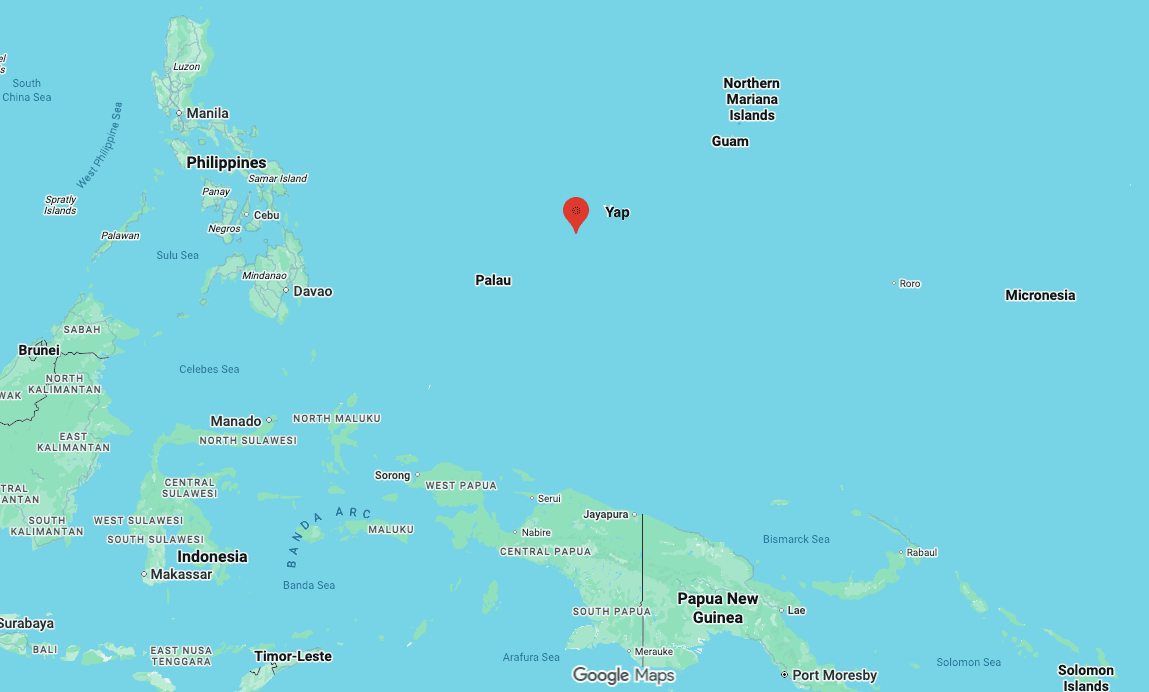
The climate is warm and consistent year-round, with temperatures typically hovering in the low 80s. The trade-wind season, running from December through April, generally brings drier weather, calmer seas, and excellent snorkeling conditions. Despite its modest size, Yap supports an extraordinary range of marine habitats, including coral reefs, seagrass beds, mangrove forests, sheltered lagoons, and deep ocean channels that together create one of Micronesia’s most productive marine ecosystems.
The Marine Life That Makes Yap Extraordinary
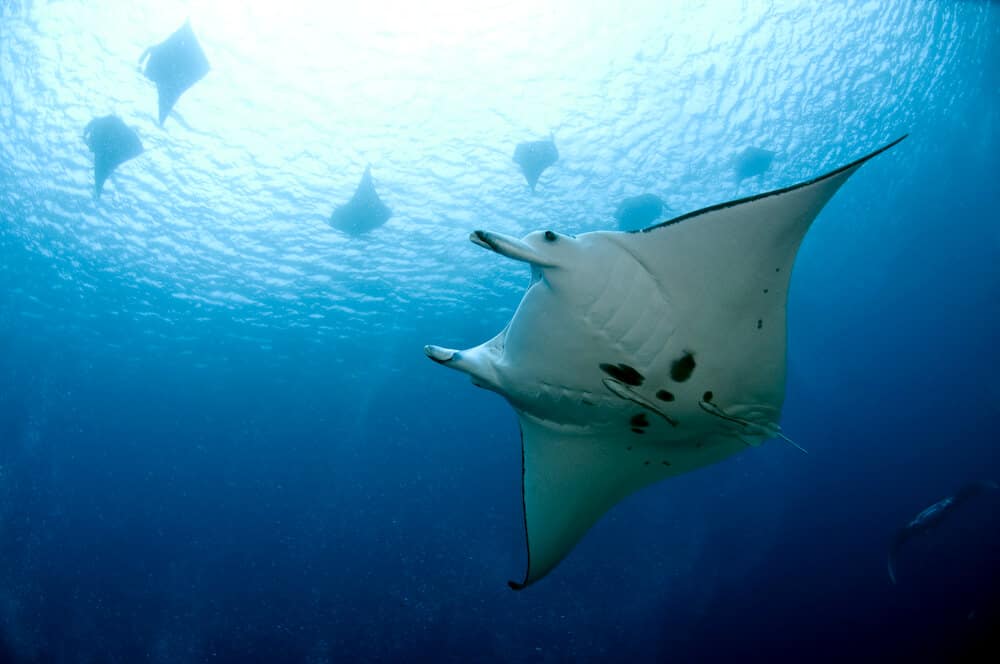
In 2008, Yap established one of the world’s first manta ray sanctuaries, protecting more than 8,200 square miles of reef, lagoon, and surrounding waters. Unlike many manta destinations where sightings depend on seasonal migrations, Yap’s reef manta population lives here year-round. Throughout the year, these graceful giants regularly visit shallow cleaning stations, where small reef fish remove parasites from their skin, creating remarkably consistent opportunities for close encounters.
© Tanya G. Burnett
During parts of the year, visitors may also witness one of nature’s most fascinating courtship rituals as multiple males form “mating trains,” following a single female through the lagoon in hopes of earning the chance to reproduce.
While manta rays may be the stars, the supporting cast is equally impressive.
© Keoki Stender
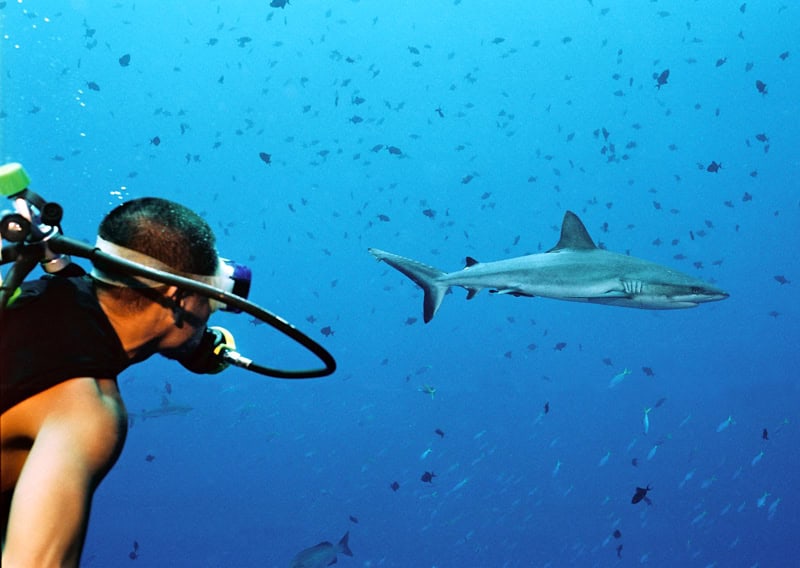
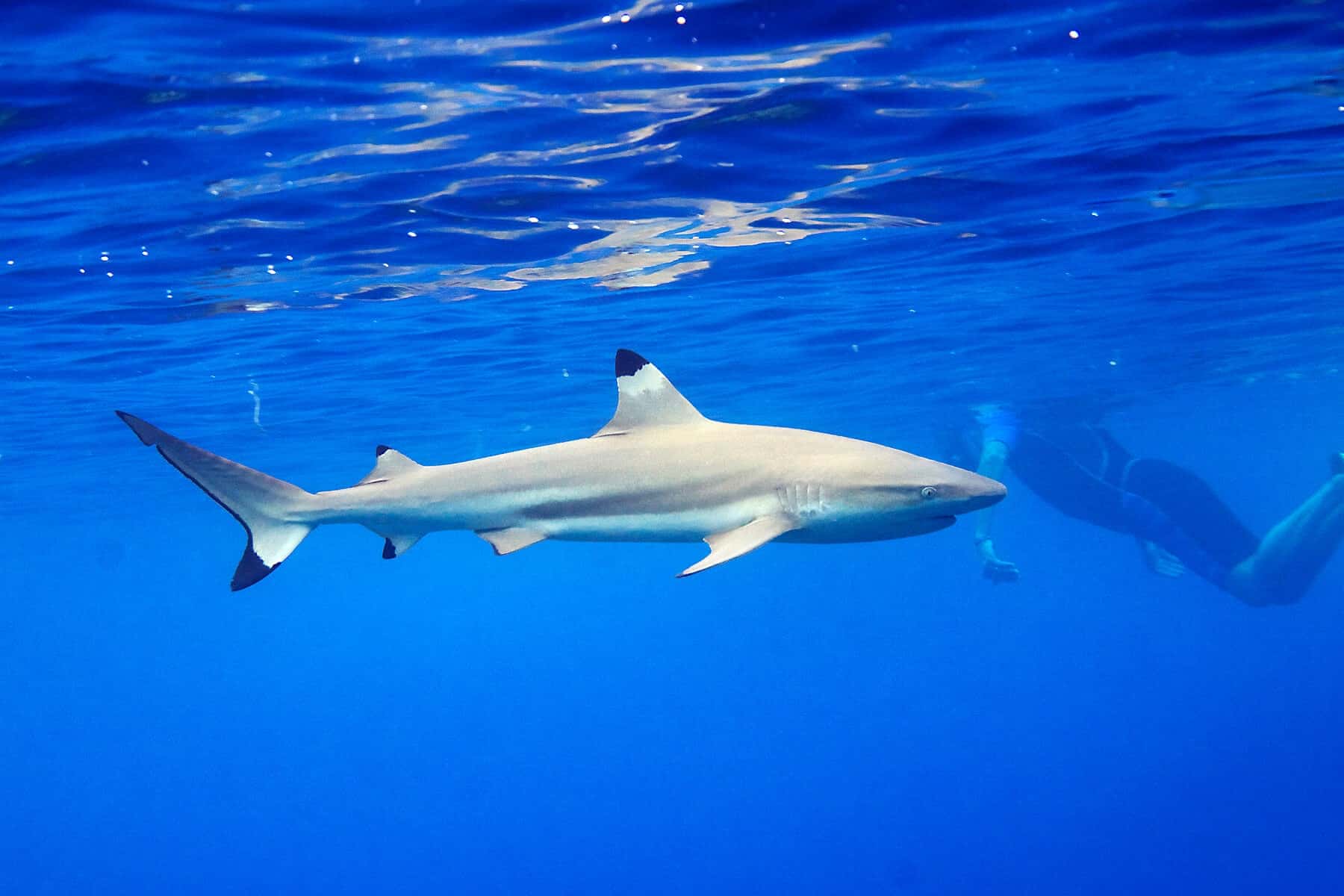
Large schools of blacktip, whitetip, and grey reef sharks gather in abundance on the reefs off Yap’s southwest coast, with nurse sharks making occasional appearances alongside a rotating cast of pelagic visitors including barracuda, wahoo, tuna, mahi-mahi, and marlin. Healthy shark populations are widely recognized as indicators of resilient reefs, and their consistent presence here is as much a conservation signal as it is a draw for snorkelers.
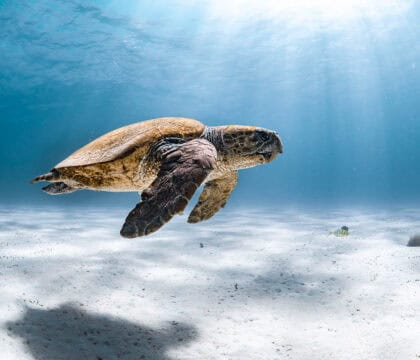
Yap’s outer reefs and drop-offs offer the chance to spot eagle rays, green sea turtles, hard and soft corals, and schooling reef fish fill out an ecosystem that remains in exceptional health.
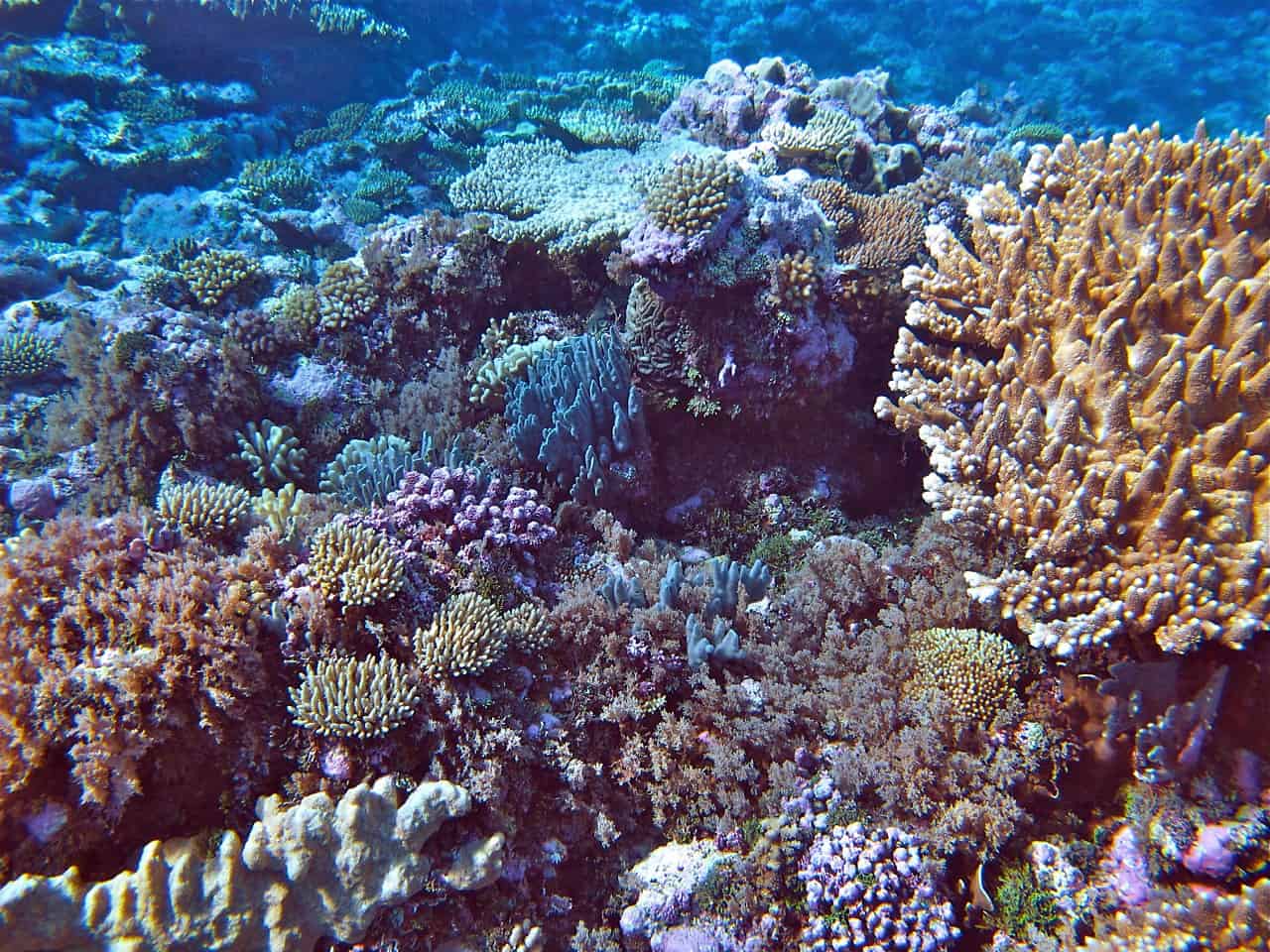
Ulithi’s coral reefs are some of the most pristine I have seen in the entire Pacific. © Wayne Sentman
Calm lagoons and mangrove-lined shorelines reveal another side of the islands that provide habitat for juvenile fish, seabirds, and countless other species while protecting the coastline from storms and erosion.
The Pacific’s Most Intact Island Culture
Yap is widely regarded as one of the best places in Oceania to experience a culture that continues to thrive rather than simply being preserved for visitors. Traditional villages remain active communities where customs, ceremonies, and social structures continue to shape everyday life.
Perhaps the island’s most recognizable cultural symbol is its famous stone money, known locally as rai. These enormous limestone discs range from just a few inches across to more than 13 feet in diameter. They were quarried on neighboring Palau and transported by canoe across the open ocean, a journey that required extraordinary navigation, teamwork, and courage.
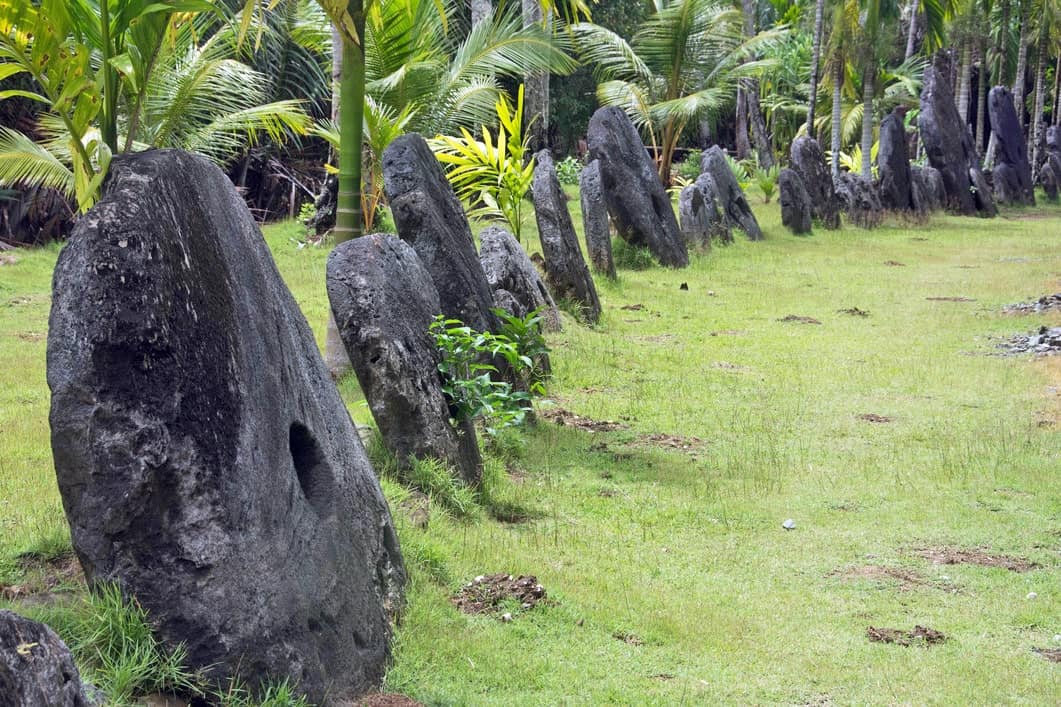
Learn about the fascinating cultural history of Micronesia, including stone money in Yap. © Roderic Mast
Reaching Palau and returning took about five days in good conditions, and the voyage became a rite of passage for Yapese warriors.
What makes the rai genuinely unusual is how their value is assigned. A stone’s worth comes from its age, size, and beauty, but also from the danger and loss of life involved in bringing it to Yap. Because many stones are too massive to move, ownership changes without the stones ever leaving their original location. Today, these outdoor “stone money banks” remain scattered throughout Yap’s villages, serving as tangible reminders of a society built on trust, reputation, and shared history. This tradition continues to govern major transactions and ceremonies to this day.
This is why the cultural component of Oceanic Society’s Yap extension is so meaningful. Rather than visiting a museum exhibit, travelers spend time in villages where these traditions remain woven into community life, offering a rare opportunity to experience one of the Pacific’s most enduring cultural landscapes.
Yap Extension: Itinerary Highlights
Oceanic Society has been leading expeditions to Yap since 2005, giving us two decades of experience exploring this remarkable island and its surrounding reefs. The Yap extension adds five days onto the Palau Snorkeling Expedition, picking up after the main program ends in Koror. Here is how those days unfold:
Day 1 — Fly from Koror to Yap: A short flight via a regional airline lands you at Yap International Airport, where the pace slows considerably. Settle into Manta Ray Bay Hotel, the island’s premier dive and snorkel base, built around Yap’s marine culture.
Days 2 & 3 — Manta Rays and Shark Snorkeling: These two days are dedicated to Yap’s most celebrated marine encounters. Mornings head out to Gofnuw or Miil Channel, where resident manta rays visit cleaning stations at snorkeling depth, gliding through shallow, clear water in a way that feels as unhurried as the island itself. Weather permitting, one day will include a blue-water shark snorkel off Yap’s southwest coast, where congregations of grey, blacktip, and whitetip reef sharks are commonly encountered in open water.
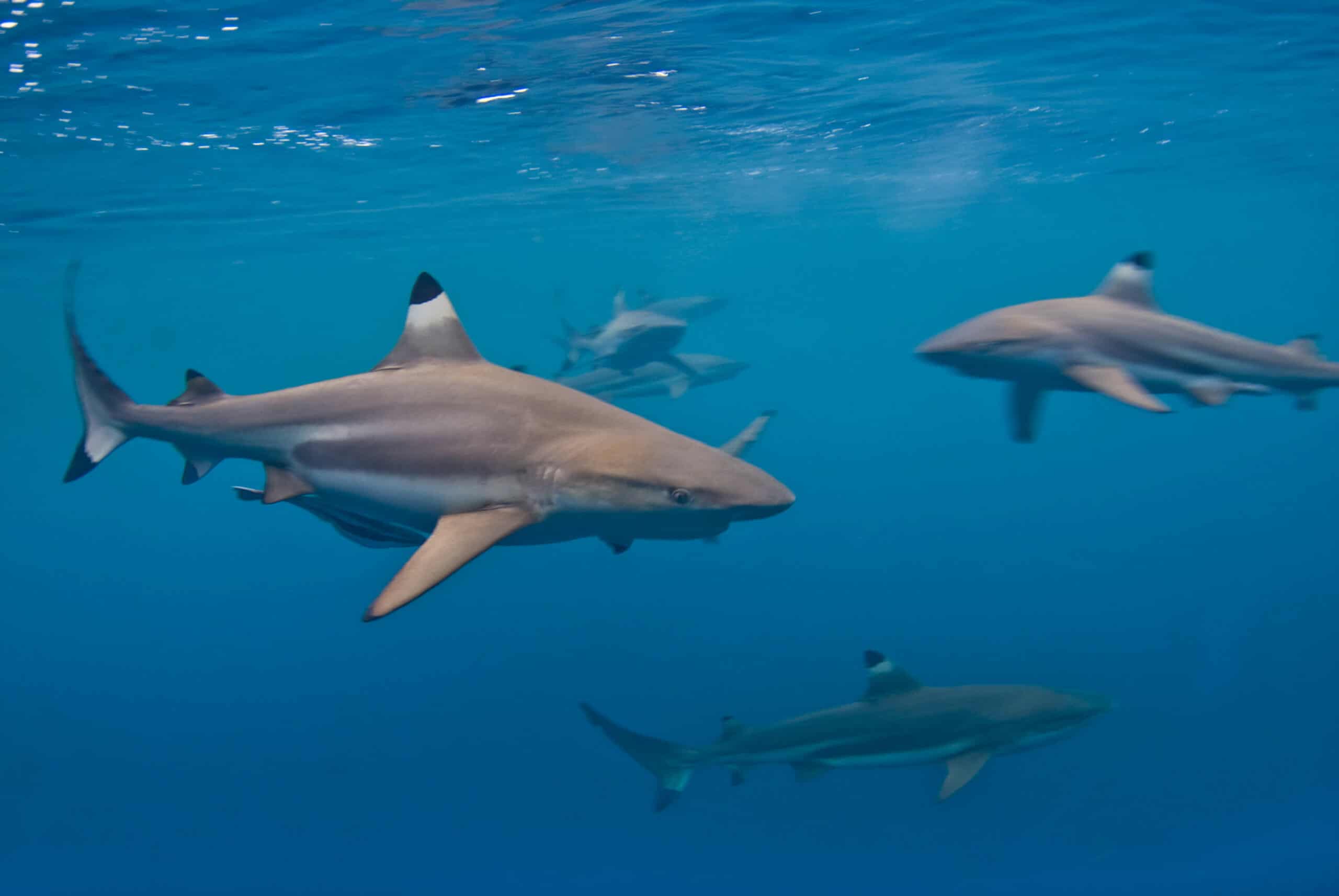
©Fish n Fins
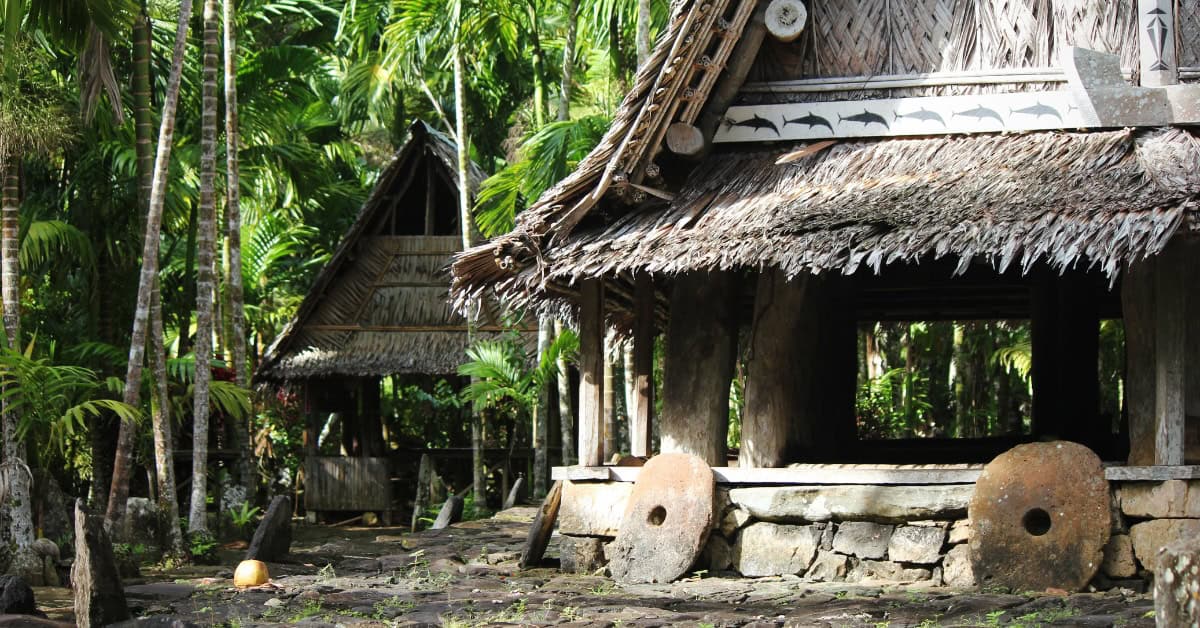
Day 12 — Cultural Village Tour: A half-day cultural tour takes travelers into Yap’s traditional villages to encounter the rai stone money banks firsthand. Guides contextualize the stones within the broader system of Yapese society, including their role in land transfers, dowry payments, and community identity, bringing to life what can otherwise read as an abstract curiosity. This is one of the few places on earth where an ancient economic system remains socially functional.
You’ll also typically visit a traditional men’s house, or faluw, where local guides share how these communal gathering places have long served as spaces for storytelling, teaching navigation, fishing, sailing, and traditional crafts.
Day 13 — Return Flight via Guam: Depart early this morning on United Airlines, the only major carrier serving Yap, for your flight via Guam and onward journey home, bringing your Micronesia adventure to a close.
The Perfect Complement to Palau
Palau and Yap each showcase a different side of Micronesia.
Palau captivates visitors with dramatic limestone islands, spectacular reefs, and world-famous snorkeling. Yap complements that experience with a slower rhythm, where cultural traditions remain deeply rooted, and encounters with manta rays, healthy reefs, and thriving shark populations reveal another dimension of the Pacific.
Together, they create a journey that is richer than either destination alone, combining world-class marine wildlife with one of Oceania’s most fascinating living cultures. For travelers already making the journey to Palau, adding a few days in Yap transforms an unforgettable expedition into a deeper exploration of Micronesia’s natural and cultural heritage.