Skip to content
Oceanic Society
  • About
    • Our Team
    • Oceanic Society Magazine
    • Our History
    • Contact
  • Our Work
    • Sea Turtle Conservation
    • Access to Nature
    • Expedition Impact
    • Global Ocean Cleanup
    • Behavior Change
    • Learn & Take Action
  • Take A Trip
    • Browse Trips
    • Snorkeling Trips
    • Liveaboard Trips
    • Wildlife Trips
    • Volunteer Trips
    • Family Trips
    • Custom & Private Trips
    • Traveler Resources
  • Whale Watching
    • Farallon Islands Whale Watching
    • Private Charters
  • Adopt
    • Adopt a Dolphin
    • Adopt a Whale
    • Adopt a Sea Turtle
    • Adopt an Albatross
    • Shop More Gifts
  • Donate
    • Donate Now
    • Become a Member
    • Donor-Advised Funds
    • More Ways to Give
  • About
  • Magazine
  • Contact
Oceanic Society
  • About
    • Our Team
    • Oceanic Society Magazine
    • Our History
    • Contact
  • Our Work
    • Sea Turtle Conservation
    • Access to Nature
    • Expedition Impact
    • Global Ocean Cleanup
    • Behavior Change
    • Learn & Take Action
  • Take A Trip
    • Browse Trips
    • Snorkeling Trips
    • Liveaboard Trips
    • Wildlife Trips
    • Volunteer Trips
    • Family Trips
    • Custom & Private Trips
    • Traveler Resources
  • Whale Watching
    • Farallon Islands Whale Watching
    • Private Charters
  • Adopt
    • Adopt a Dolphin
    • Adopt a Whale
    • Adopt a Sea Turtle
    • Adopt an Albatross
    • Shop More Gifts
  • Donate
    • Donate Now
    • Become a Member
    • Donor-Advised Funds
    • More Ways to Give

White Shark Sightings at California’s Farallon Islands

Home / Blog / White Shark Sightings at California’s Farallon Islands
© Michael Pierson

Updated November 5, 2026 • Published November 5, 2026 • Travel Ideas

Share This

The Farallon Islands are an important seasonal feeding area for white sharks. Each fall, adult and subadult sharks return to the waters surrounding the islands as a part of their seasonal migration, drawn by the abundance of northern elephant seals, harbor seals, and  sea lions that provide a reliable food source.

According to NOAA’s Greater Farallones National Marine Sanctuary, the region’s nutrient-rich waters support an exceptionally productive marine ecosystem, with white sharks playing an important role in maintaining this ecosystem as apex predators.

While white sharks are a familiar part of the fall wildlife season, recent Oceanic Society whale watching trips have offered unusually consistent opportunities to observe these impressive predators. What might typically amount to a handful of sightings over the course of a season has become a more regular occurrence in recent weeks.

“We’re in shark season, yes, but the sightings have been exceptional. In years past, we might have a handful of sightings, but this year has been very consistent. Those we’ve seen have all been big sharks, 11 to 17 feet long depending on the individual, with females being on the larger end of that range. It may have something to do with the warmer water, but hard to say without additional data,” explains Oceanic Society naturalist, Michael Pierson. 

On one recent trip, we even witnessed a predation event unfold, with a white shark moving rapidly through the water, seabirds gathering overhead, and signs of the encounter visible at the surface.
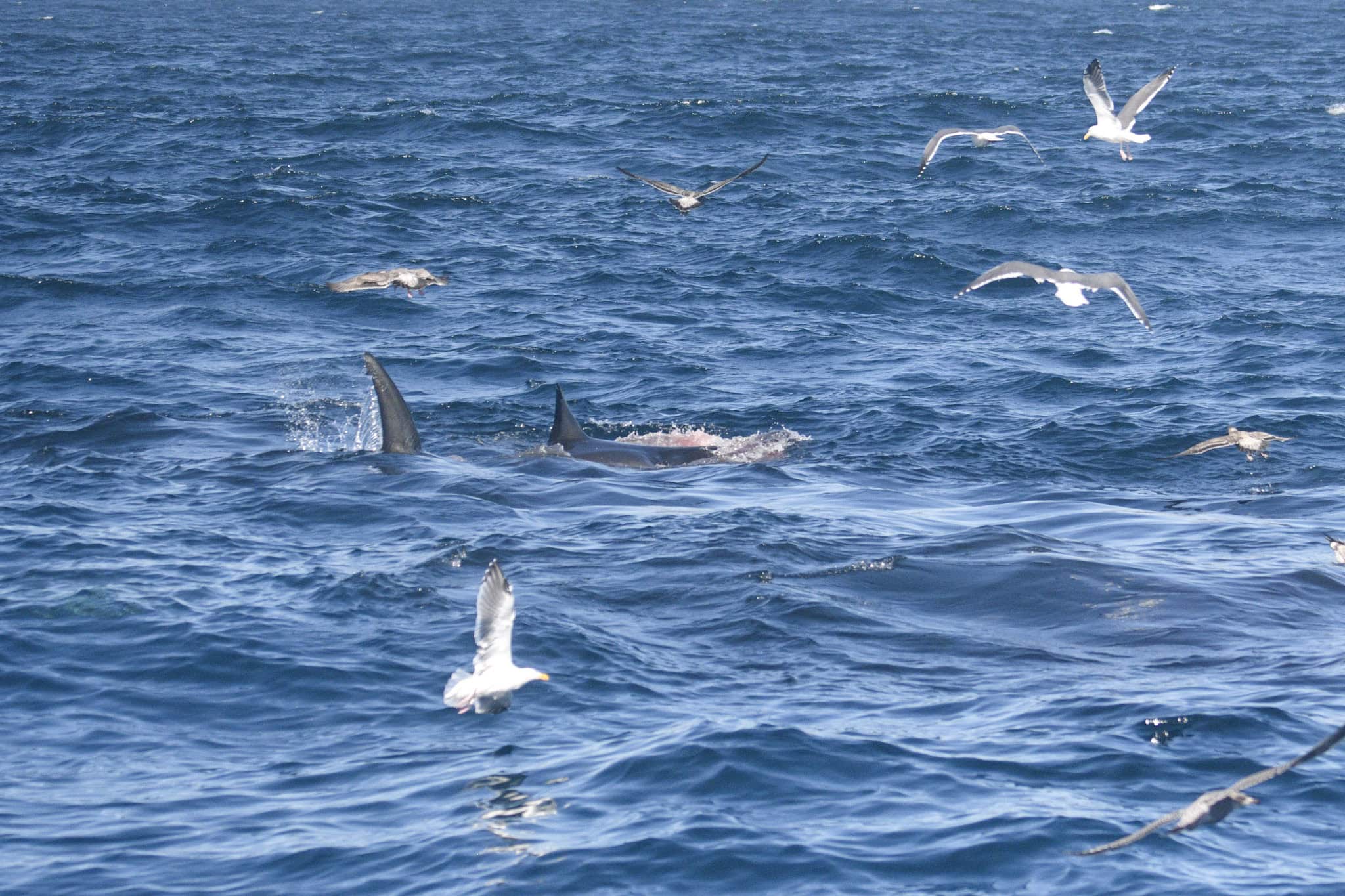
A white shark goes after its prey near the Farallon Islands, sending water flying as seabirds circle overhead and blood colors the surface. Photo by Michael Pierson.

Scientists continue to study the environmental conditions that influence when sharks arrive at the Farallones, how long they remain, and how they use these coastal habitats. 

White sharks can be surprisingly difficult to spot, even during peak shark season. As Oceanic Society naturalist Pete Winch explains in an interview with the Greater Farallones Association, these predators typically hunt from below the surface, using the element of surprise to approach their prey. The familiar image of a white shark’s dorsal fin cutting through the surface, popularized by Jaws, doesn’t reflect how these animals typically move. Their dorsal fins help stabilize them as they swim, and raising the fin above the water actually compromises that stability.
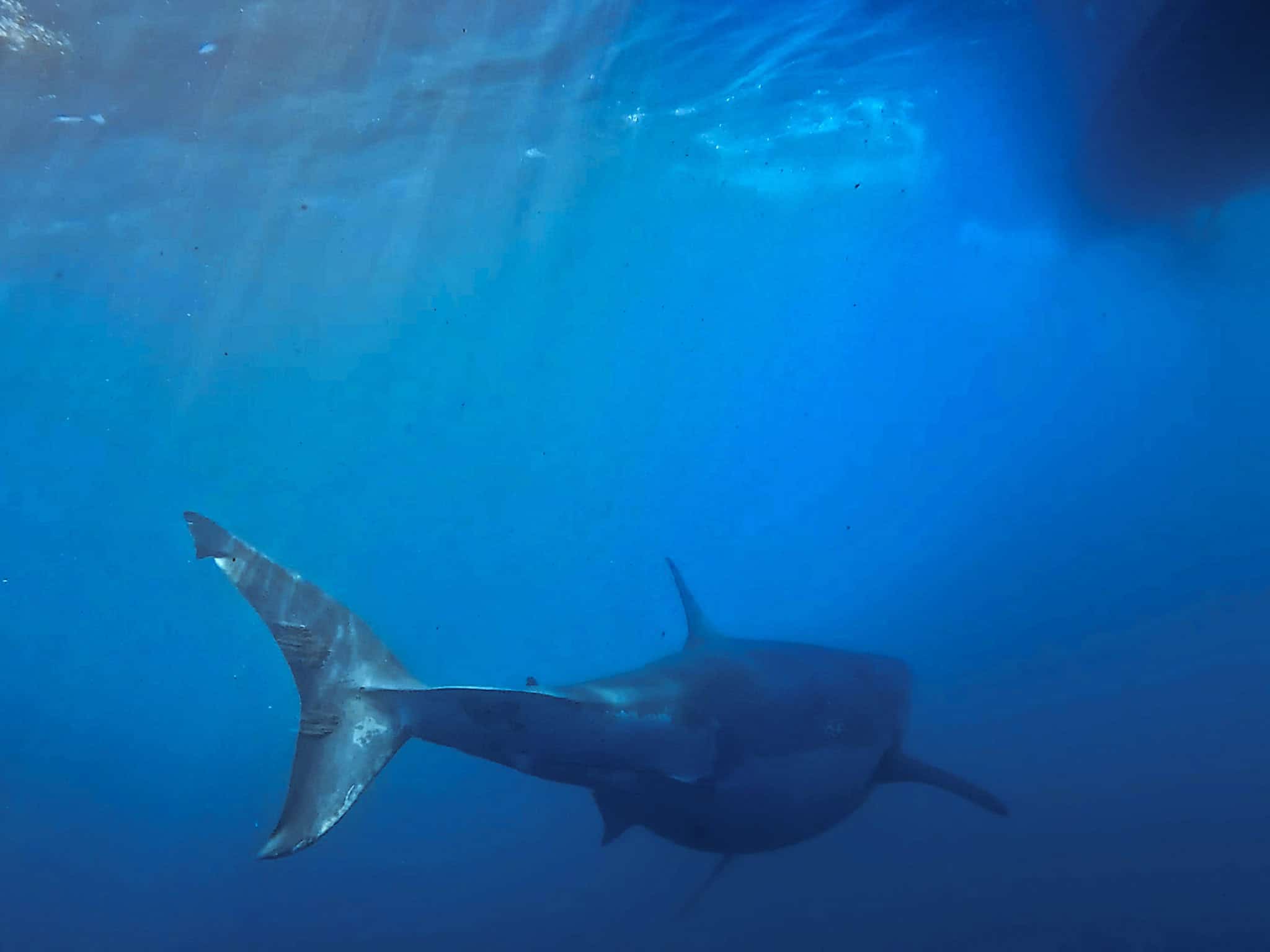
great white shark under boat in farallon islands

This view offers a sense of just how massive a white shark is, showing its thick, powerful body and broad tail as it moves through the waters around the Farallon Islands. Photo by Michael Pierson.

Winch also discusses the fascinating seasonal migrations of white sharks between the California coast and an offshore region of the Pacific known as the White Shark Café, located between Baja California and Hawaii. Researchers have documented gatherings in this relatively remote area, but the reasoning remains unclear. One possibility is that it serves as a mating area, although this has not been confirmed. 

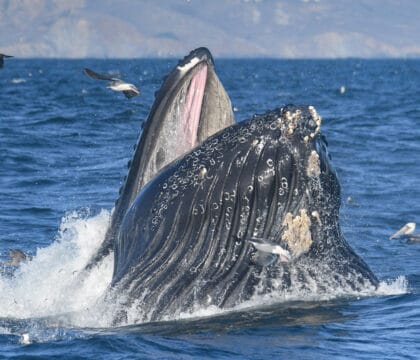
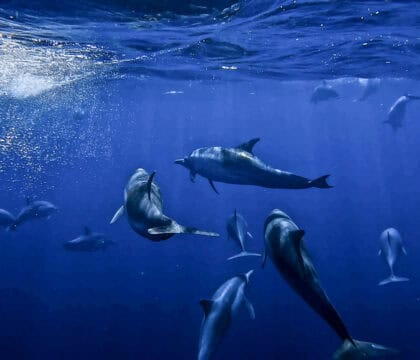
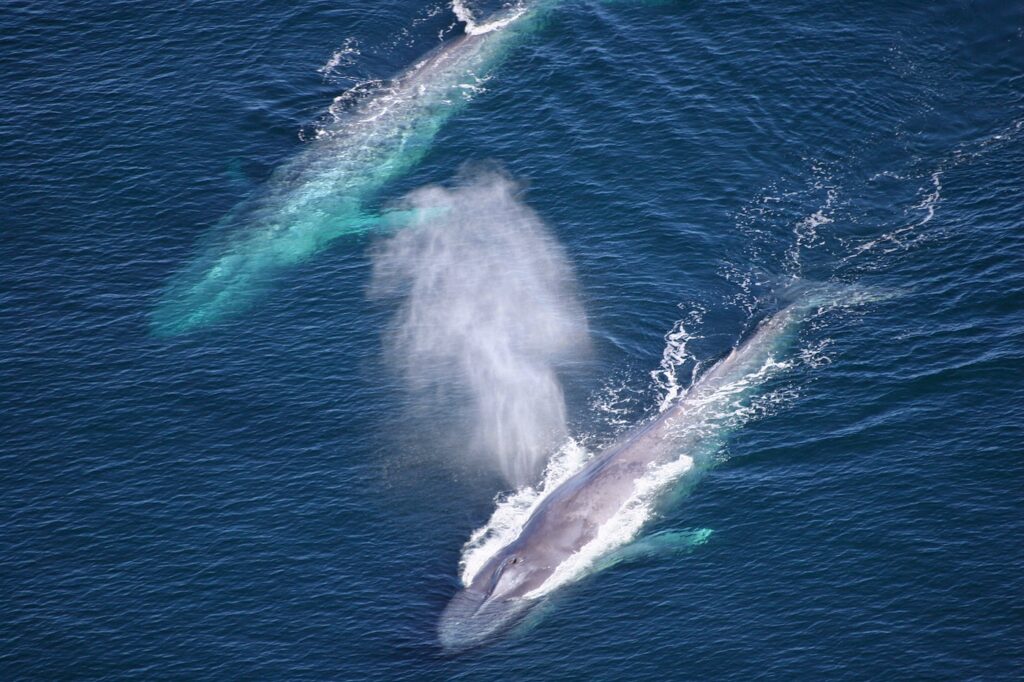
White sharks aren’t the only highlight of recent whale watching trips. The waters around the Farallones have also offered wonderful opportunities to observe humpback whales lunging through schools of baitfish, common dolphins swimming beneath the surface, and blue whales surfacing in the open ocean.

© Michael Pierson
© Michael Pierson

Together, these encounters offer a glimpse into the extraordinary diversity of marine life supported by this productive stretch of the California coast. Each trip brings something different, and this season’s exceptional shark sightings are a reminder of just how much there is to discover offshore.
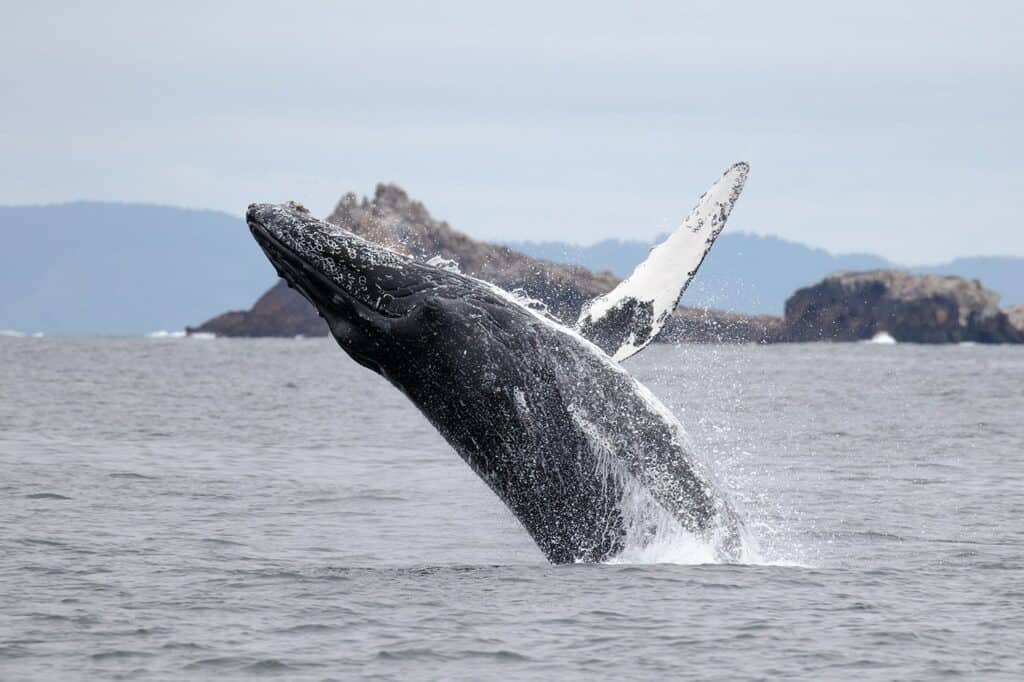
breaching humpback whale at Farallon Islands

Farallon Islands Whale Watching

See Trip

Hunter Rimmer

Hunter is Oceanic Society's Content Manager, supporting conservation travel programs through storytelling and branding.

Join our community.

Latest Posts

Oceanic Society Announces Fall 2026 Expedition Impact Grant Recipients

Read More about Oceanic Society Announces Fall 2026 Expedition Impact Grant Recipients

Swimming with Manatees and Contributing to Conservation in Belize

Read More about Swimming with Manatees and Contributing to Conservation in Belize

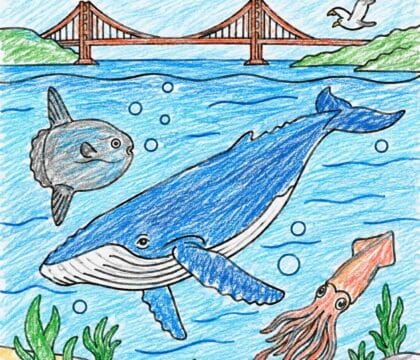
Coloring the Marine Life of San Francisco Bay

Read More about Coloring the Marine Life of San Francisco Bay

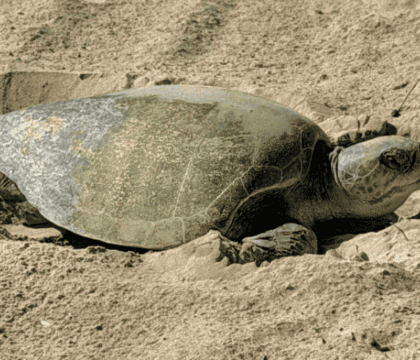
Q&A: First Documented Sea Turtles Nest in California, U.S.A

Read More about Q&A: First Documented Sea Turtles Nest in California, U.S.A

Check Out Our Amazing Trips

See All Trips

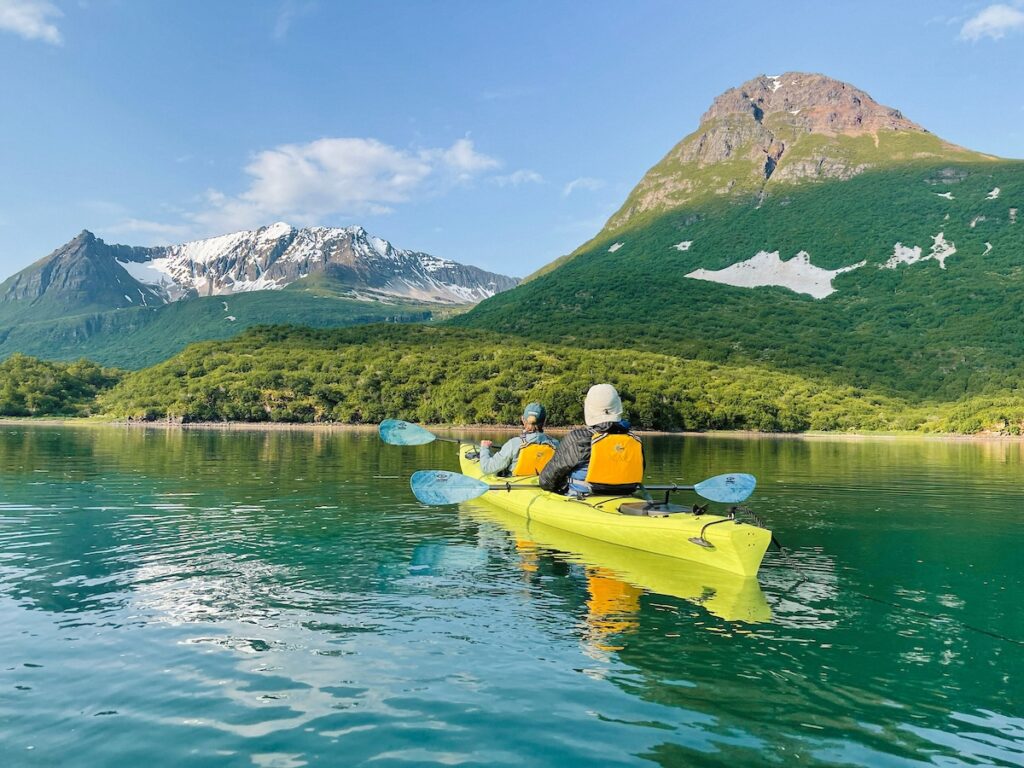
Alaska’s Aleutian Islands: Dutch Harbor, Kodiak & the Alaska Peninsula

See Trip →

Alaska Glacier Bay Adventure Cruise

See Trip →

Alaska’s Northern Passages with Glacier Bay & Sitka

See Trip →

Wild, Woolly & Wow: Alaska Glacier Bay Backcountry Cruise

See Trip →

Banda Sea Blue Whales & Spice Islands Liveaboard

See Trip →

Join our community.

Adventure awaits.

Request a Catalog
Become a Member

© François Baelen / Coral Reef Image Bank

Contact

Oceanic Society
P.O. Box 844
Ross, CA 94957

Whale Watching
1-415-256-9604

Expeditions & General Inquiries
1-800-326-7491

Office Hours

CA Office

Mon-Fri: 8AM–3PM
(PDT/PST)

DC Office

Mon-Fri: 9AM–5PM
(EDT/EST)

Navigate

  • Our Work
  • Take A Trip
  • Whale Watching
  • Adopt
  • Donate
  • Shop
  • About
  • Traveler Resources
  • Oceanic Society Magazine
  • Contact

Legal

  • Terms of Use
  • Privacy Policy
  • Accessibility Statement
  • Sitemap
footer-logo

© 2026 Oceanic Society. The Oceanic Society is a registered organization. Our Federal Tax ID is 94-3105570.

Website by Yoko Co

Scroll To Top
By continuing to browse the site you are agreeing to our use of cookies and similar tracking technologies described in our privacy policy.