Skip to content
Oceanic Society
  • About
    • Our Team
    • Oceanic Society Magazine
    • Our History
    • Contact
  • Our Work
    • Sea Turtle Conservation
    • Access to Nature
    • Behavior Change
    • Global Ocean Cleanup
    • Learn & Take Action
  • Take A Trip
    • Browse Trips
    • Snorkeling Trips
    • Wildlife Trips
    • Family Trips
    • Volunteer Trips
    • Custom & Private Trips
    • About Our Trips
  • Whale Watching
    • Farallon Islands Whale Watching
    • Private Charters
  • Adopt
    • Adopt a Dolphin
    • Adopt a Whale
    • Adopt a Sea Turtle
    • Adopt an Albatross
  • Donate
    • Double Your Donation
    • Ways to Give
    • Become a Member of Oceanic Society
    • Donate Crypto
    • Shop
  • About
  • Magazine
  • Contact
Oceanic Society
  • About
    • Our Team
    • Oceanic Society Magazine
    • Our History
    • Contact
  • Our Work
    • Sea Turtle Conservation
    • Access to Nature
    • Behavior Change
    • Global Ocean Cleanup
    • Learn & Take Action
  • Take A Trip
    • Browse Trips
    • Snorkeling Trips
    • Wildlife Trips
    • Family Trips
    • Volunteer Trips
    • Custom & Private Trips
    • About Our Trips
  • Whale Watching
    • Farallon Islands Whale Watching
    • Private Charters
  • Adopt
    • Adopt a Dolphin
    • Adopt a Whale
    • Adopt a Sea Turtle
    • Adopt an Albatross
  • Donate
    • Double Your Donation
    • Ways to Give
    • Become a Member of Oceanic Society
    • Donate Crypto
    • Shop

Meet Three of Panama’s Best Marine Parks

Home / Blog / Meet Three of Panama’s Best Marine Parks

August 26, 2019 • Travel Ideas

Share This
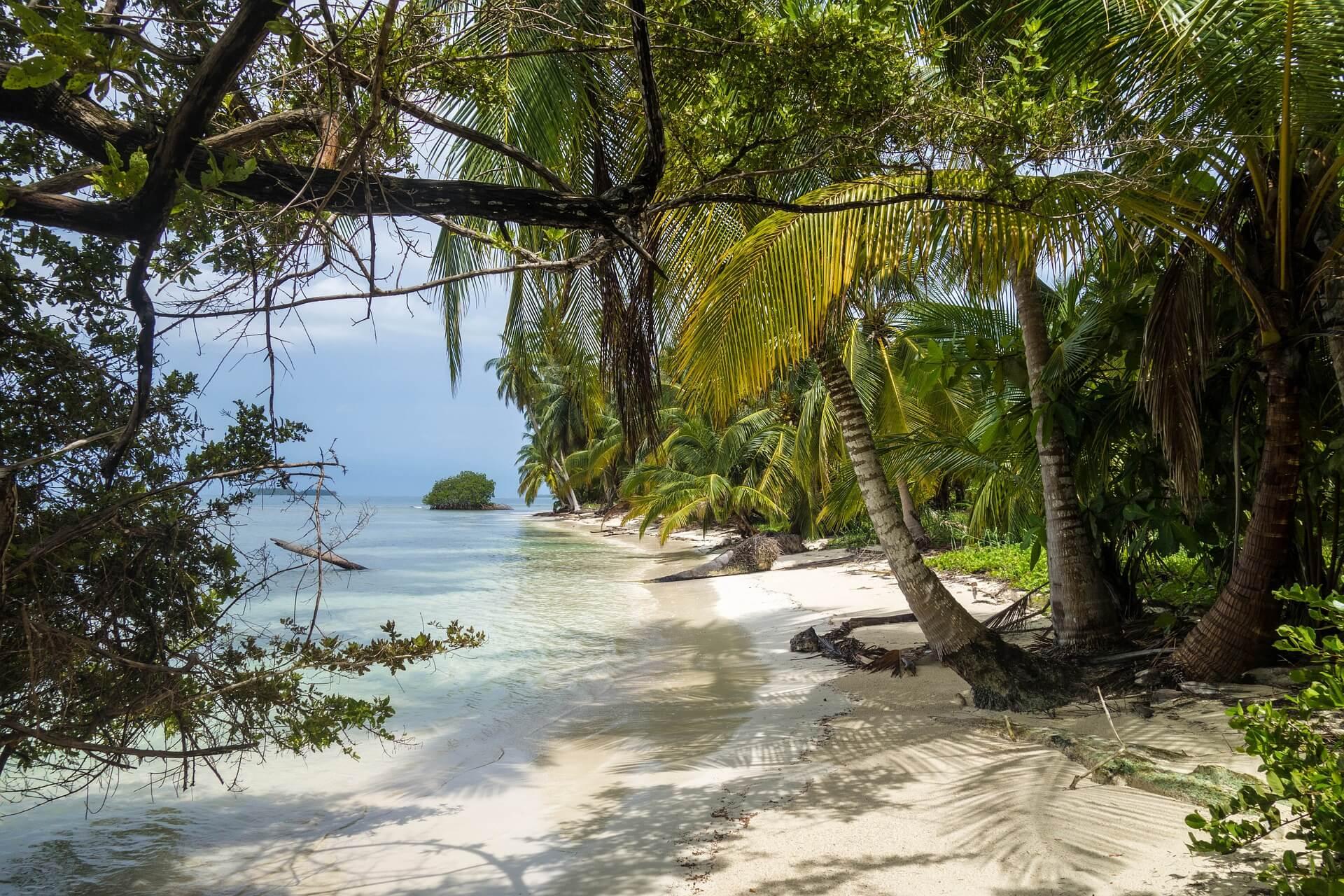
white sand beach lined with palm trees

Panama is the bridge between continents and the narrow division between two oceans, a unique position that has bestowed it with hidden treasures and enormous biodiversity.

A narrow isthmus between the Pacific Ocean and Caribbean Sea and home to more than 30 marine protected areas, Panama offers the perfect setting to explore a wide range of unique marine environments on your vacation. On our Panama snorkeling trip, we visit three beautiful marine protected areas on both coasts: Coíba National Park and Gulf of Chiriquí National Marine Park in the Pacific, and Isla Bastimentos National Marine Park (Bocas del Toro area) in the Caribbean.

Meet 3 of Panama’s Best Marine Parks

Coíba National Park (Pacific Ocean)
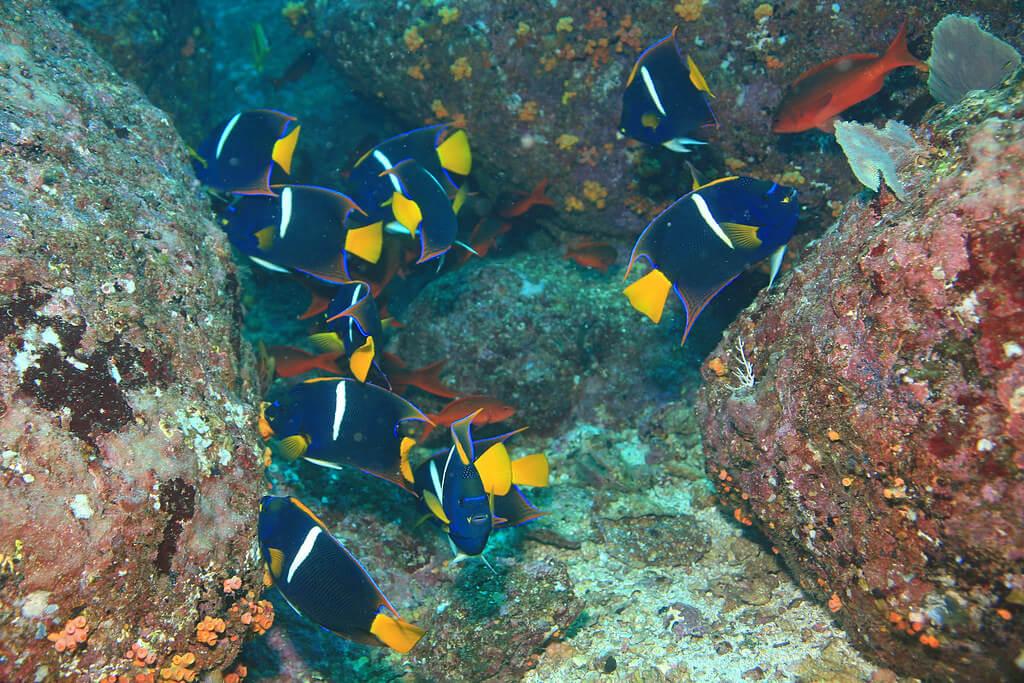
fish on rocky coral reef

Coíba National Park’s coral reefs are home to hundreds of species of fishes. © Laszlo Ilyes [CC by 2.0]
Coíba National Park was established in 1992 and declared a UNESCO World Heritage Site in 2005. To be selected as a UNESCO World Heritage Site, a park has to meet certain qualifications, such as it “must be of outstanding universal value.” UNESCO World Heritage Sites are a tool for preserving and protecting habitats and endangered species, and creates a way to gain international attention and action. Coíba National Park encompasses Coíba Island (Isla Coíba) and 38 smaller islands, protecting the archipelago and its surrounding waters. It is often compared to the Galápagos in terms of its marine wildlife diversity and geological similarities, and has been called “a paradise for nature lovers” by the New York Times. Coíba National Park hosts one of the biggest coral reefs in the eastern Pacific, and is home to over 800 species of tropical fishes, 33 species of sharks, and 20 species of cetaceans. Snorkeling in the spectacular waters provide the opportunity to see corals, butterflyfish, angelfish, tiger sharks, whitetip reef sharks, whale sharks, sea turtles, manta rays, and even humpback or pilot whales!

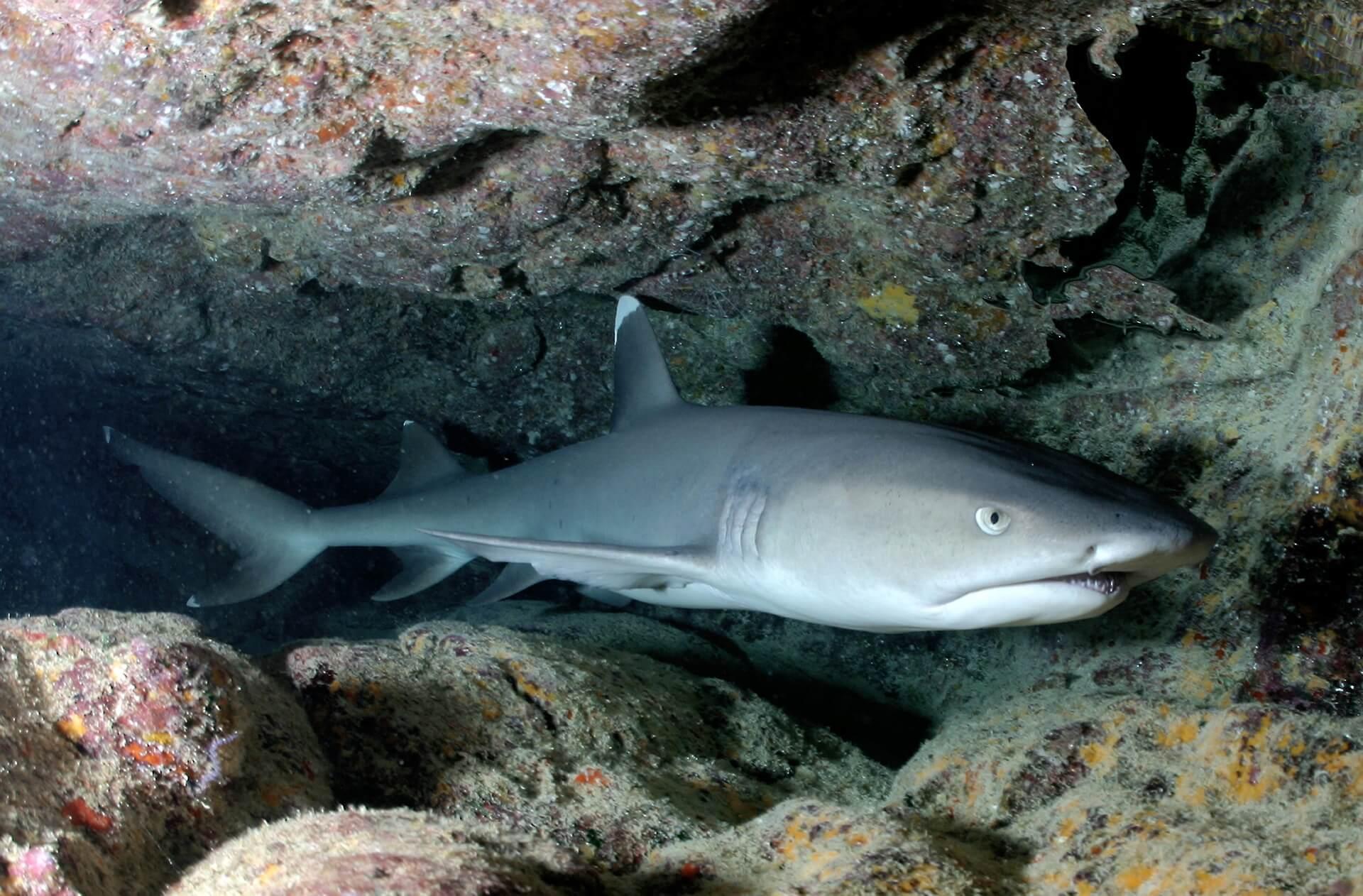
white-tipped reef shark underwater

White-tip reef sharks are just one of the many shark species found in Coíba National Park and Gulf of Chiriquí National Park.

Gulf of Chiriquí National Park (Pacific Ocean)
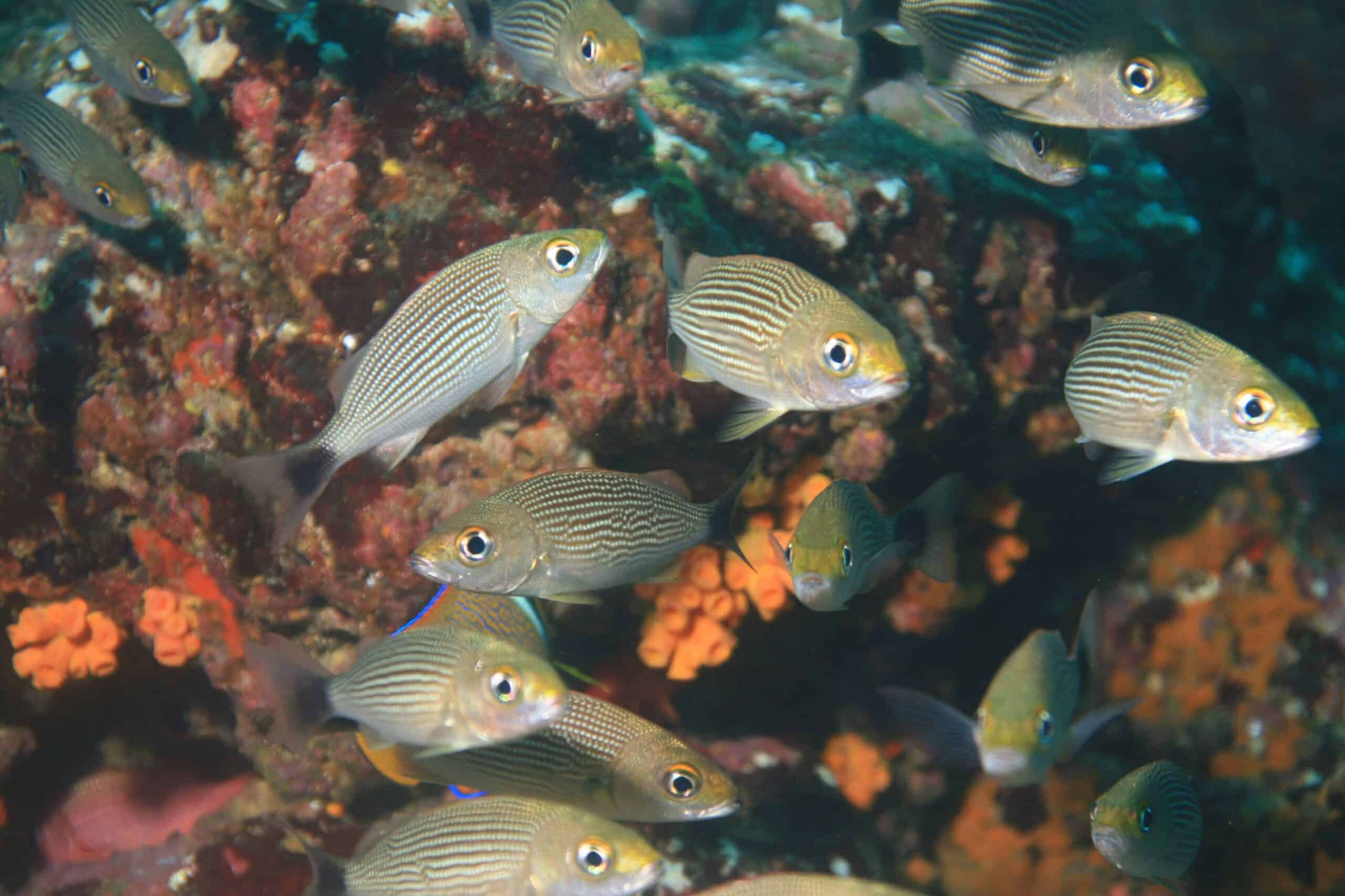
fish and coral reef

Located just north of Coíba National Park, Gulf of Chiriquí National Marine Park also hosts vibrant coral reefs that are home to sea turtles, manta rays, reef sharks, and many species of reef fishes. © Laszlo Ilyes [CC by 2.0]
The Gulf of Chiriquí National Marine Park lies just to the north of Coíba National Park along the Panamanian coastline, making it easy to visit both on the same trip. This protected area was established in 1994 and covers 25 uninhabited islands and the surrounding waters, which contain important marine ecosystems like mangroves, seagrass meadows, and coral reefs. Like Coíba National Park, the Gulf of Chiriquí National Marine Park hosts lively coral reefs which are home to sea turtles, manta rays, reef sharks, and many species of reef fish. According to Frommer’s, this park is “one of Panama’s best-kept secrets.”

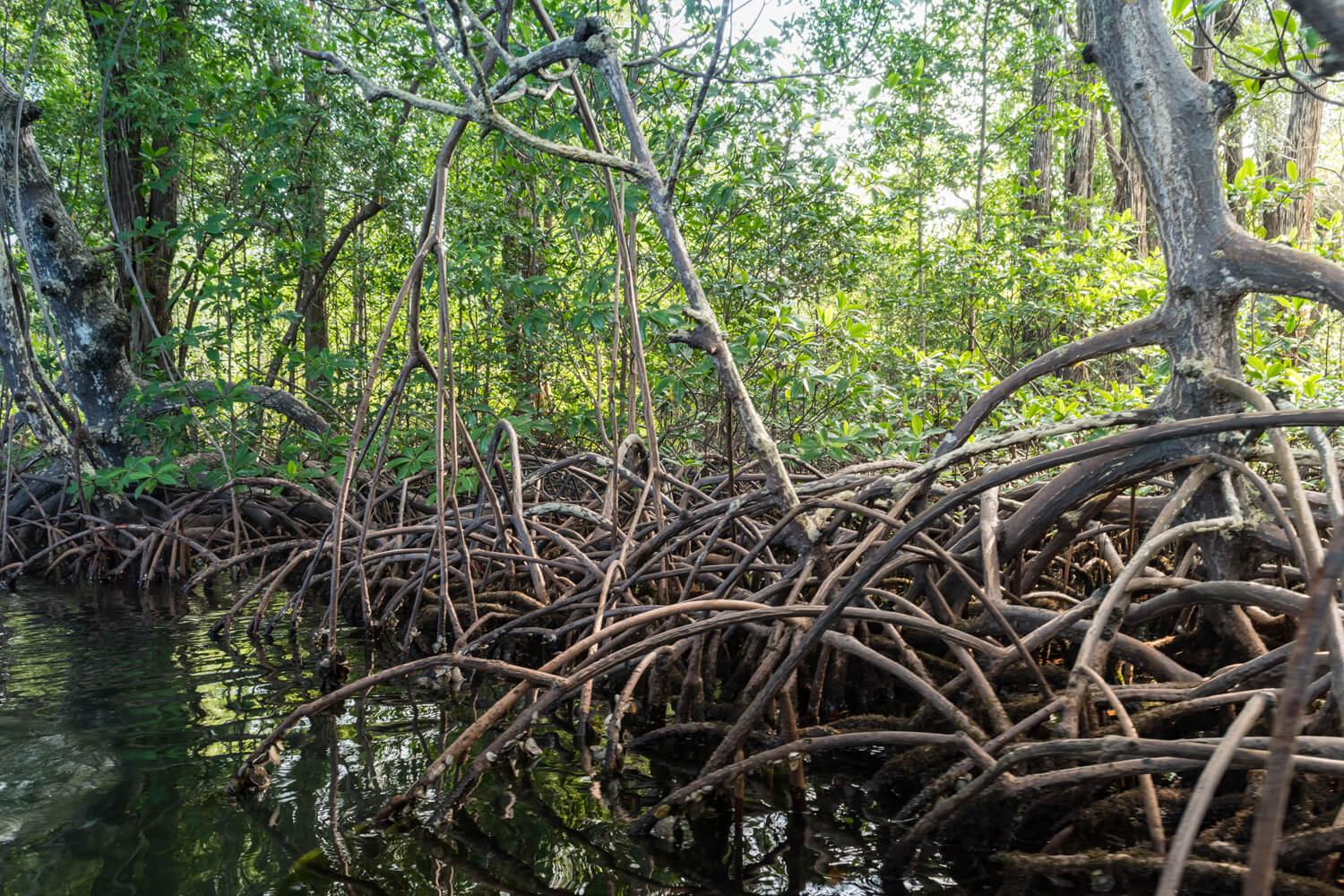
mangrove trees

In Boca Chica, we visit a lush mangrove ecosystem and look for birds in the internationally recognized Important Bird Area, David Mangroves. © Falco Ermert [CC by 2.0]

Isla Bastimentos National Marine Park (Caribbean Sea)
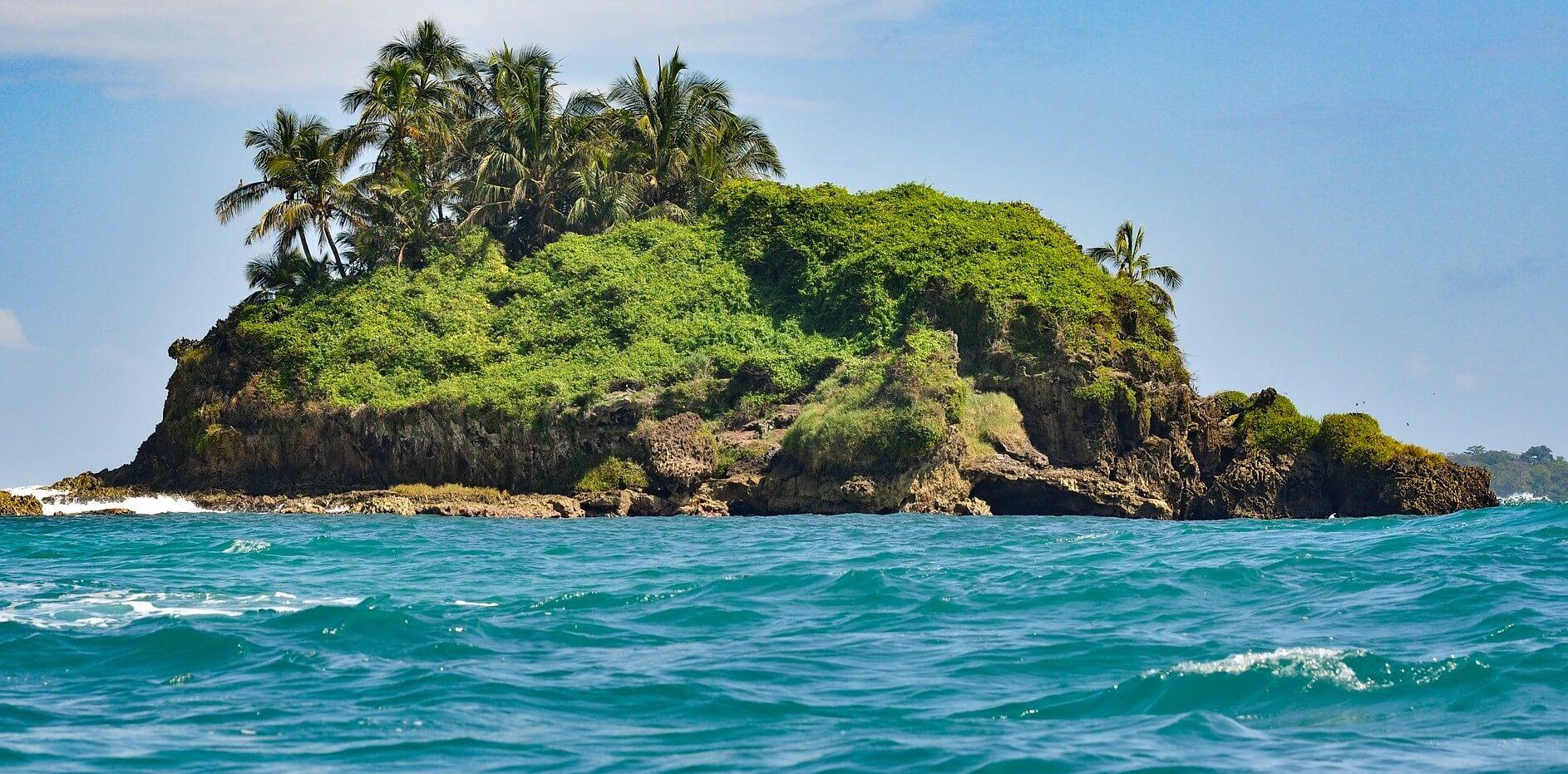
tropical island in turquoise water

Sheltered areas on the south sides of the islands offer calm waters with varied coral reefs to explore, and we will visit idyllic snorkeling sites at Crawl Cay and Cayos Zapatillas.

A short trip across Panama’s interior brings you to the shores of the Caribbean Sea, where we explore Isla Bastimentos National Marine Park. This protected area was created in 1988 in the famed Bocas del Toro Archipelago, with the goal to protect and conserve marine and terrestrial wildlife and habitats. With some of the best snorkeling in the region, Isla Bastimentos National Marine Park boasts incredible species diversity of sponges, reef fish, four species of sea turtle, and nearly eighty different coral species.
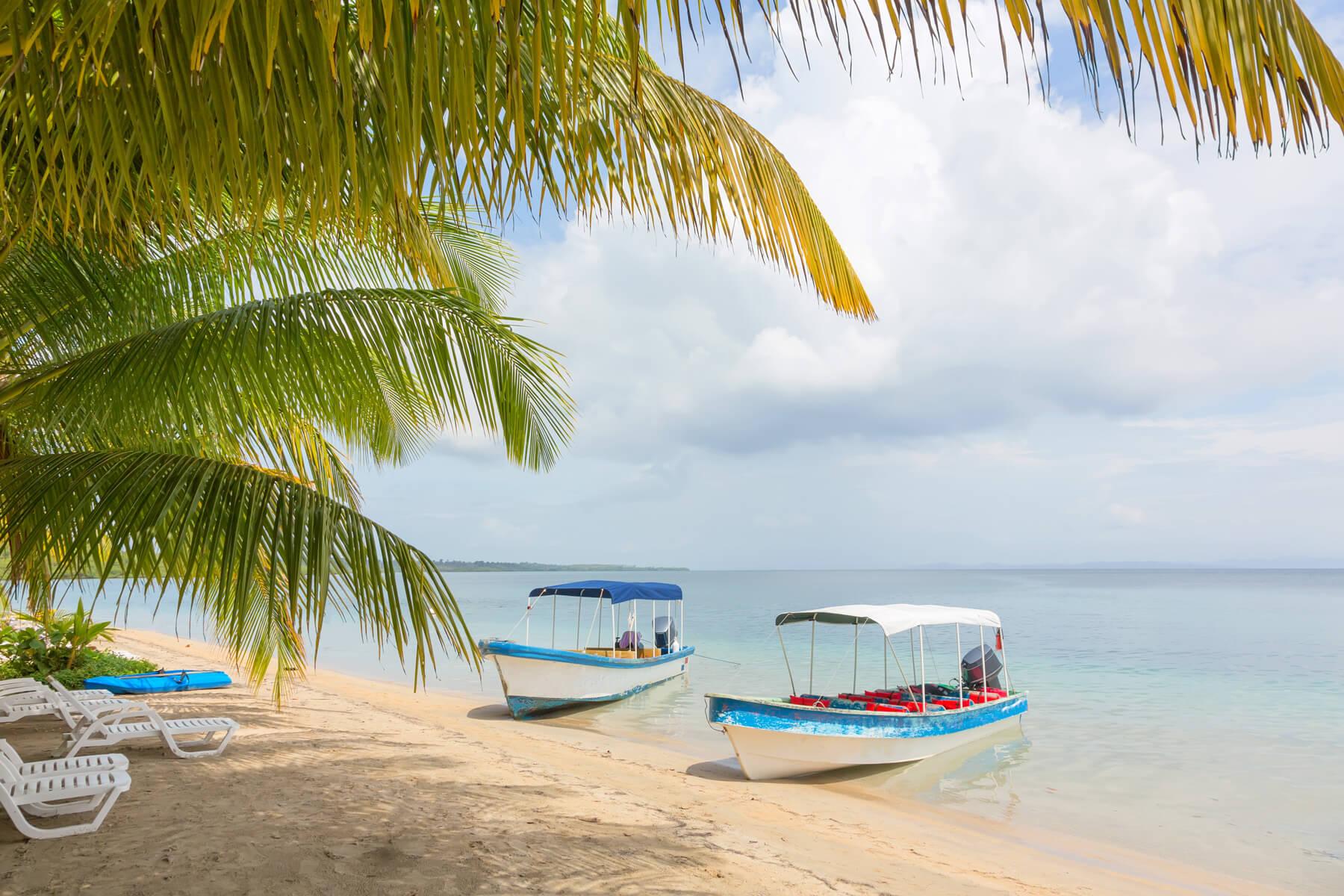
beach with boats, palm tree, and lounge chairs

There will be plenty of opportunities for snorkeling, wildlife observation, and taking in the incredible surroundings throughout our engaging exploration of Panama’s Pacific and Caribbean marine ecosystems!

These three wonderful parks are the focus of our Panama: Snorkeling Marine Parks of the Pacific and Caribbean expedition, and we also visit the rarely-visited Isla Uvas and Islas Secas Archipelago as well as the Panama Canal. Grab your mask, fins, and snorkel and join us on our next expedition!

Huntley Penniman

Huntley Penniman is an Oceanic Society communications strategist, copywriter, and community coordinator. Huntley earned a B.S. in biology from Boston College and a Master’s in Marine Biodiversity and Conservation from Scripps Institution of Oceanography.

Join our community.

Latest Posts

Reflections from the Field: 2025 Through Our Eyes

Read More

A Rare Encounter with Solo Killer Whale CA212A Near the Farallon Islands

Read More
A shirtless Indonesian man with swim goggles on his head, wearing blue swim shorts, paddles a traditional bamboo outrigger canoe across calm turquoise ocean waters under a clear blue sky. Distant green volcanic mountains rise on the horizon, with scattered white clouds above.

Expedition Impact Program Spotlight: Indonesia

Read More

A Traveler’s View: Snorkeling with Humpbacks in Tonga

Read More

Check Out Our Amazing Trips

See All Trips
Aerial photo of liveaboards in water near Padar Island in Komodo National Park

Komodo National Park Liveaboard Expedition

See Trip →

Raja Ampat to Halmahera: Remote Reefs Adventure

See Trip →
Two whale sharks swimming together in the waters near the Galápagos Islands, a rare sight typically seen on specialized scuba trips to Darwin and Wolf Islands.

Triton Bay & Raja Ampat: Whale Sharks & Coral Wonders

See Trip →

Alor to Komodo: Reefs, Rays & Dragons

See Trip →

Seychelles & Madagascar Luxury Island Cruise

See Trip →

Join our community.

Adventure awaits.

Request a Catalog
Become a Member

© François Baelen / Coral Reef Image Bank

Contact

Oceanic Society
P.O. Box 844
Ross, CA 94957

Whale Watching
1-415-256-9604

Expeditions & General Inquiries
1-800-326-7491

Office Hours

CA Office

Mon-Fri: 8AM–3PM
(PDT/PST)

DC Office

Mon-Fri: 9AM–5PM
(EDT/EST)

Navigate

  • Our Work
  • Take A Trip
  • Whale Watching
  • Adopt
  • Donate
  • Shop
  • About
  • Oceanic Society Magazine
  • Contact

Legal

  • Terms of Use
  • Privacy Policy
  • Accessibility Statement
  • Sitemap
footer-logo

© 2026 Oceanic Society. The Oceanic Society is a registered organization. Our Federal Tax ID is 94-3105570.

Website by Yoko Co

Scroll To Top
By continuing to browse the site you are agreeing to our use of cookies and similar tracking technologies described in our privacy policy.