Field report written by Oceanic Society naturalist and Conservation Travel Manager, Pei Lee.
Brazil’s southern Pantanal and the freshwater paradise of Bonito offer two very different, yet deeply connected, windows into the natural world.
Our journey began in the vast wetlands of the Pantanal, one of the world’s great wildlife destinations, where open grasslands, seasonal lakes, winding rivers, and gallery forests support an incredible diversity of wildlife. From remote cattle ranches and quiet riverbanks to close encounters with jaguars, every day brought a new reminder of how extraordinary this ecosystem is.
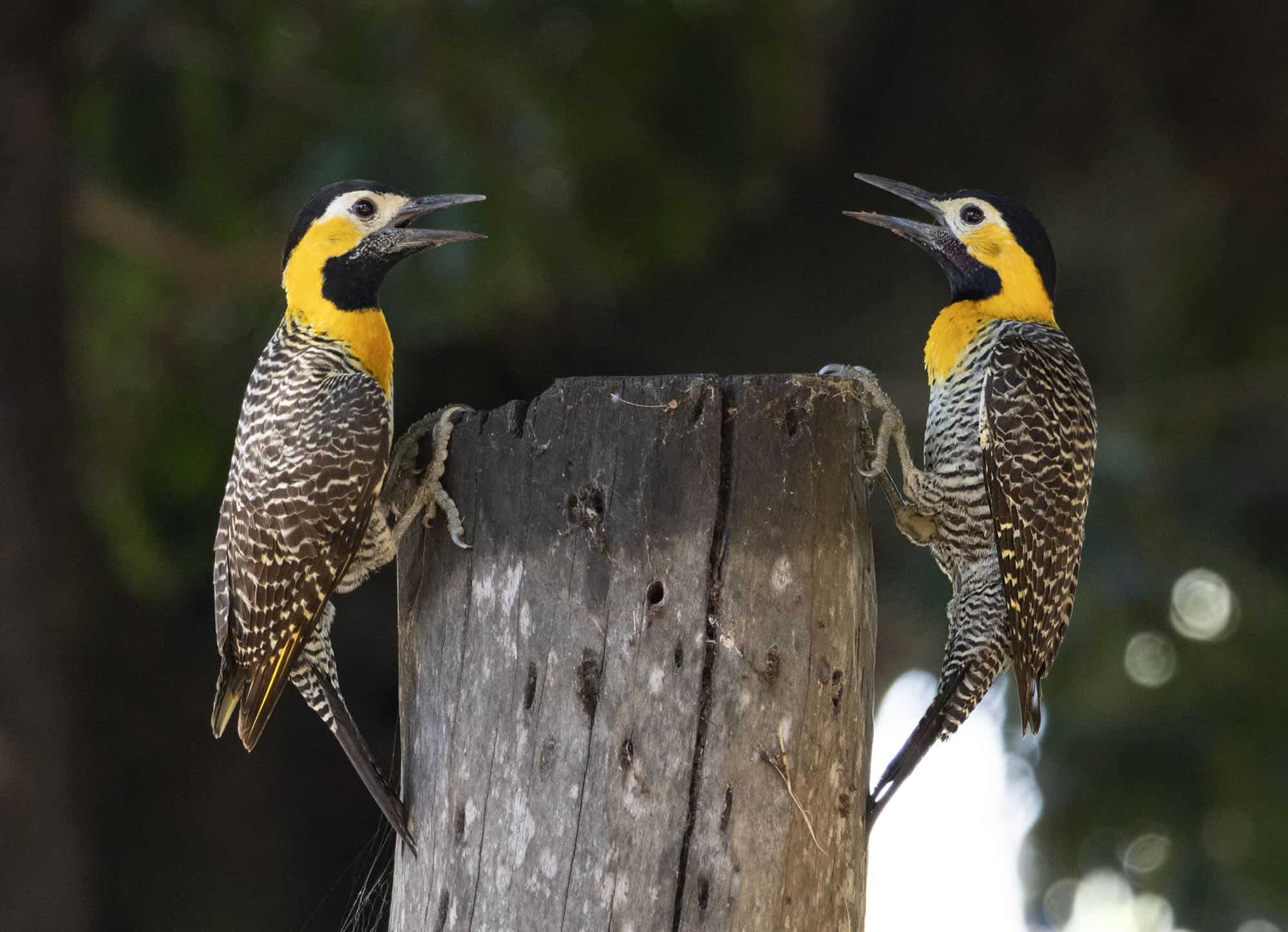
Photo by Alyson Melo
Then to Bonito, a region renowned for its crystal-clear rivers, limestone caves, waterfalls, and remarkable freshwater biodiversity.
Throughout the expedition, we met the people working and living alongside these natural wonders, learned about local conservation initiatives, and experienced the landscapes at a slower, more intimate pace. One message stayed with us throughout the journey: everything is connected—from the rain that sustains the wetlands to the rivers that flow through Brazil’s landscapes and the wider waterways that ultimately reach the ocean.
Day 1: Journey into the Southern Pantanal
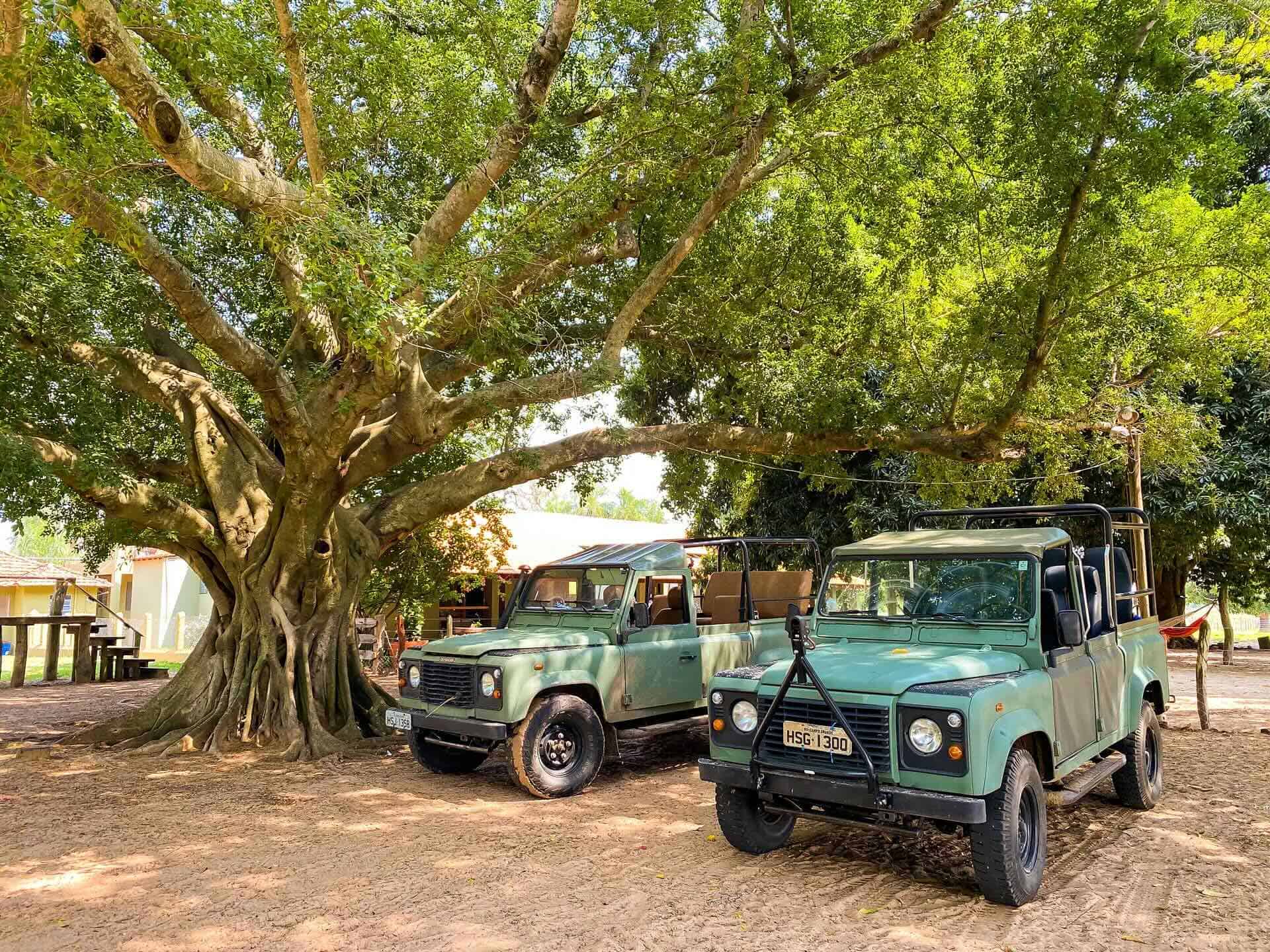
Photo by Baia Das Pedras
After breakfast, we met our guide, Alyson Melo, and set off in two comfortable 4×4 vehicles for the six-hour journey into the southern Pantanal.
The first part of the drive took us along paved roads, with a few stops to stretch our legs and enjoy lunch. Once we passed the last town, the landscape—and the adventure—changed dramatically. We spent the next three hours traveling along dirt roads, gradually entering the remote wetlands.
The journey itself became our first wildlife safari. Along the way, we spotted an assortment of bird species, yellow armadillos, and even a giant anteater remarkably close to the roadside. It was an exciting introduction to a place where wildlife encounters can happen almost anywhere.
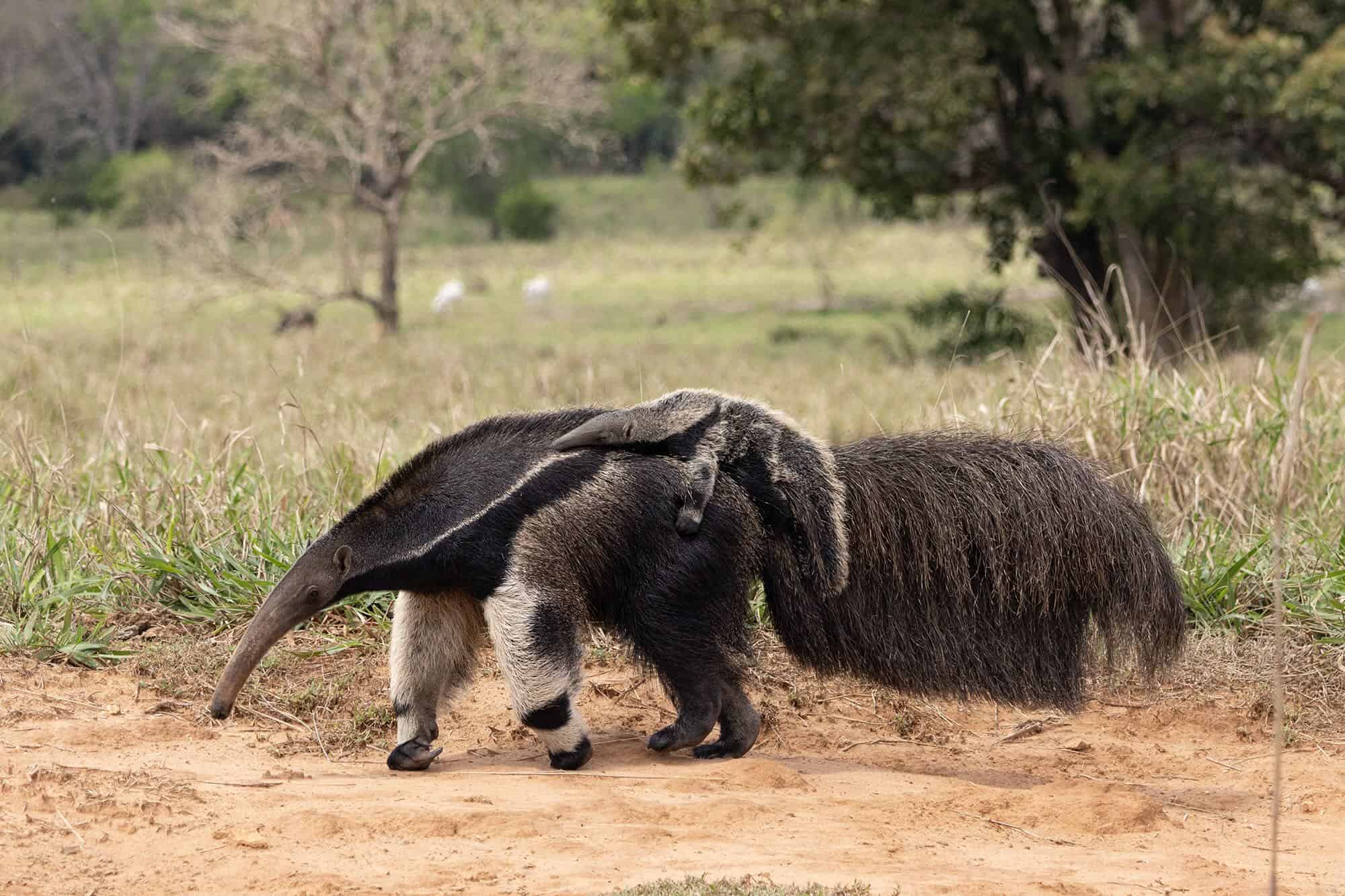
Photo by Alyson Melo
By late afternoon, we arrived at Baía das Pedras, our remote home in the Pantanal, where we were warmly welcomed by our hosts, Rita and Dóio. After settling into the lodge, we took a leisurely walk around our “backyard,” soaking in the sounds of the wetlands as the sun began to set. The chorus of bird calls was extraordinary, setting the tone for the days ahead.
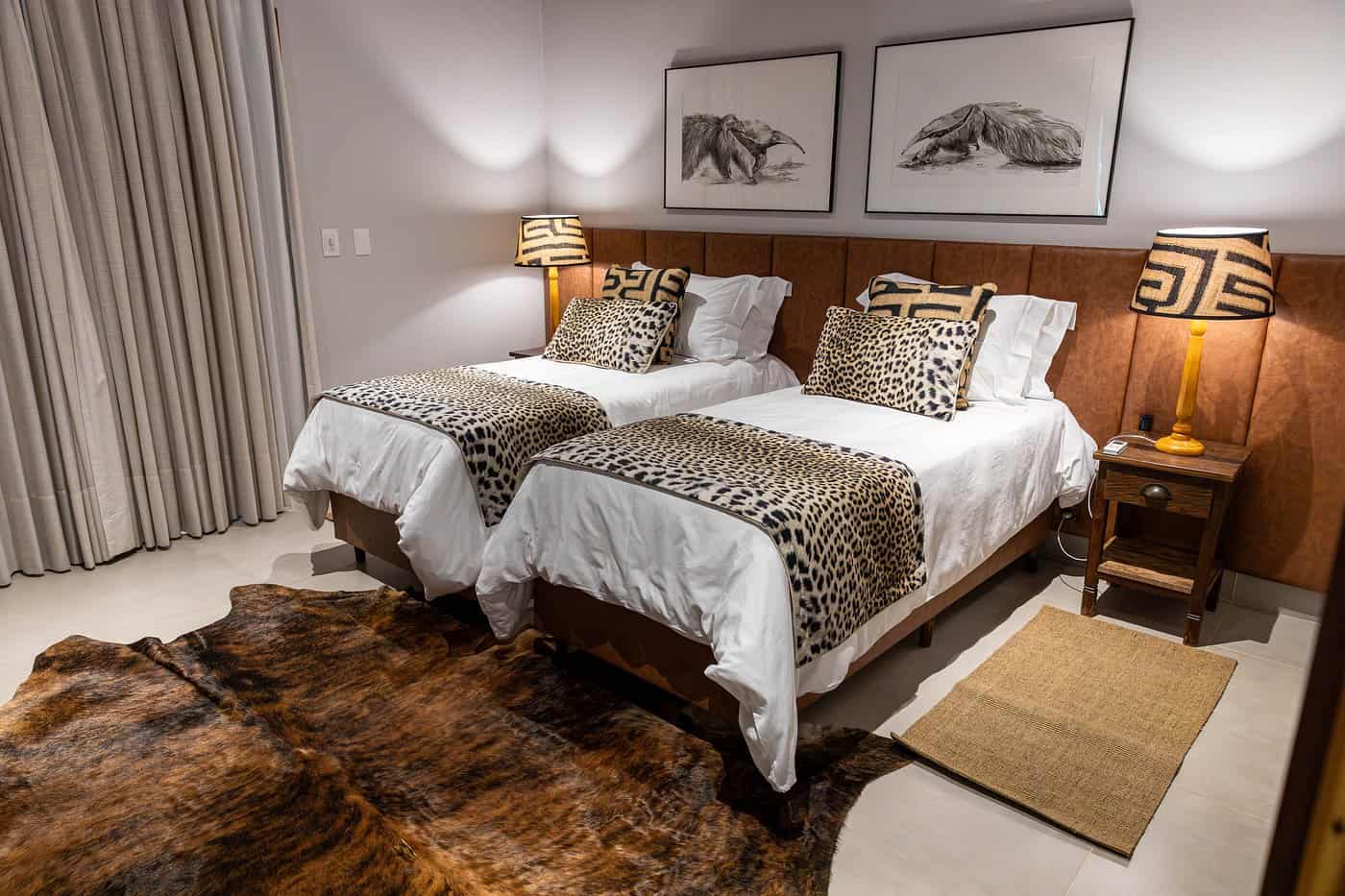
Photo by Baia Das Pedras
Dinner brought another special opportunity to connect. We shared the table with a local Brazilian family visiting the Southern Pantanal and met researchers from the Giant Armadillo Conservation Project at ICAS, who introduced us to their impressive work studying and protecting these elusive animals.
Meanwhile, Amber set up a moth sheet to attract moths for photography, giving us an early glimpse into the remarkable diversity of nocturnal insects in the region.
It was a wonderful first evening—full of wildlife, good food, and conversations with people whose lives and work are closely connected to the Pantanal.
Day 2: A Day in the Life of the Pantanal
We began the morning at sunrise, enjoying coffee and breakfast accompanied by the sounds of birds waking up around the lodge.
Our first 4×4 safari took us across the vast 30,000-acre fazenda, home to approximately 3,000 head of cattle. As we explored the property, Alyson helped us identify more than 50 bird species, alongside a fascinating variety of mammals and reptiles.
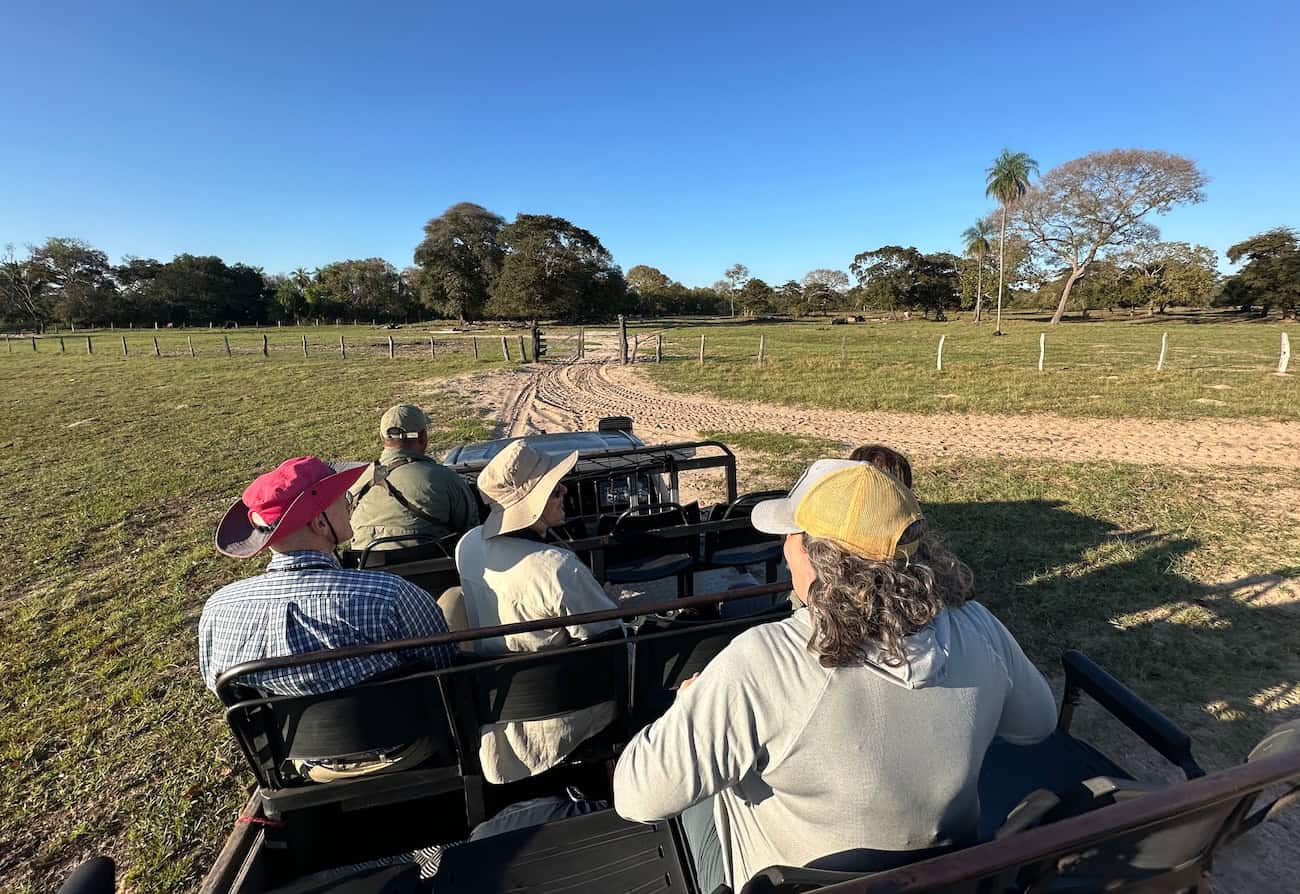
Photo by Pei Lee
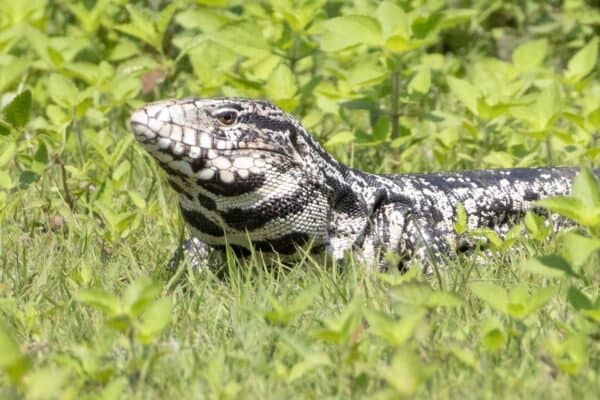
Highlights included capybaras, caimans, armadillos, seriemas, parakeets, caracaras, chachalacas, jabiru storks, and roseate spoonbills. With every stop, we gained a deeper appreciation for the Pantanal’s extraordinary biodiversity and the skills required to spot wildlife in such a vast landscape.
-
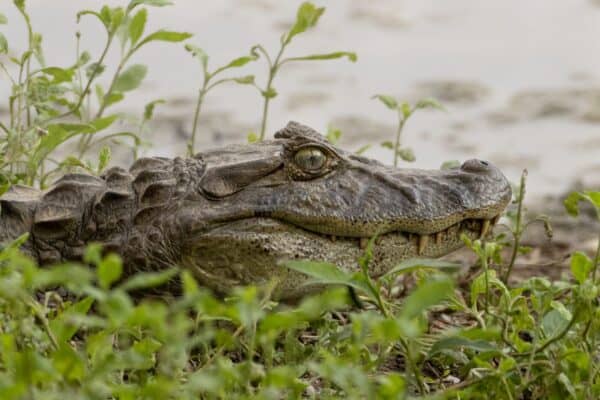
- Photo by Alyson Melo
-
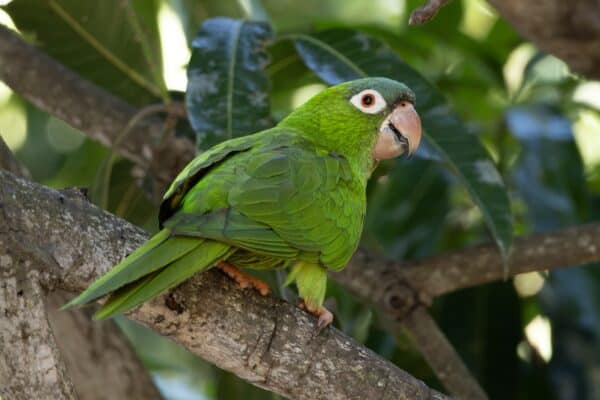
- Photo by Alyson Melo
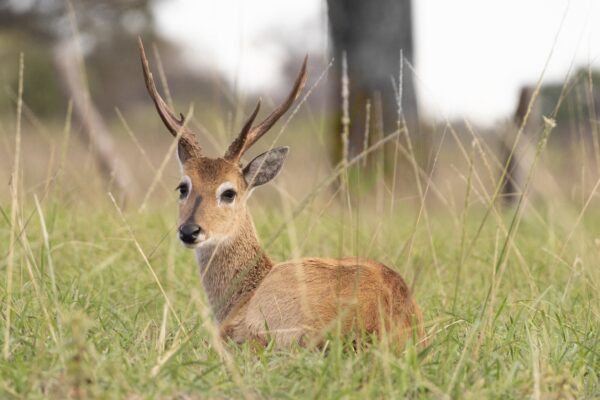
After returning for a delicious homemade lunch and dessert, we enjoyed some downtime before heading out again in the afternoon.
This time, we stopped at a watering hole, where chairs had been arranged for us to sit quietly and observe the wildlife. With no need to rush, we watched animals and birds come and go as the light softened and the sun descended toward the horizon.
The journey back to the lodge turned into an impromptu night safari. We spotted a crab-eating fox and nightjars, followed by hundreds of caiman eyes reflecting in the darkness. Under the brilliant southern night sky, the experience was both surreal and unforgettable.
Day 3: Riding with the Pantaneiros
Today, we stepped into the boots of the Pantaneiros—the traditional cowboys of the Pantanal.
With the help of the experienced ranch hands, we saddled up and received an introduction to horseback riding. Knowing that we were beginners, the cowboys made sure everyone felt comfortable before we set off across the expansive ranch.
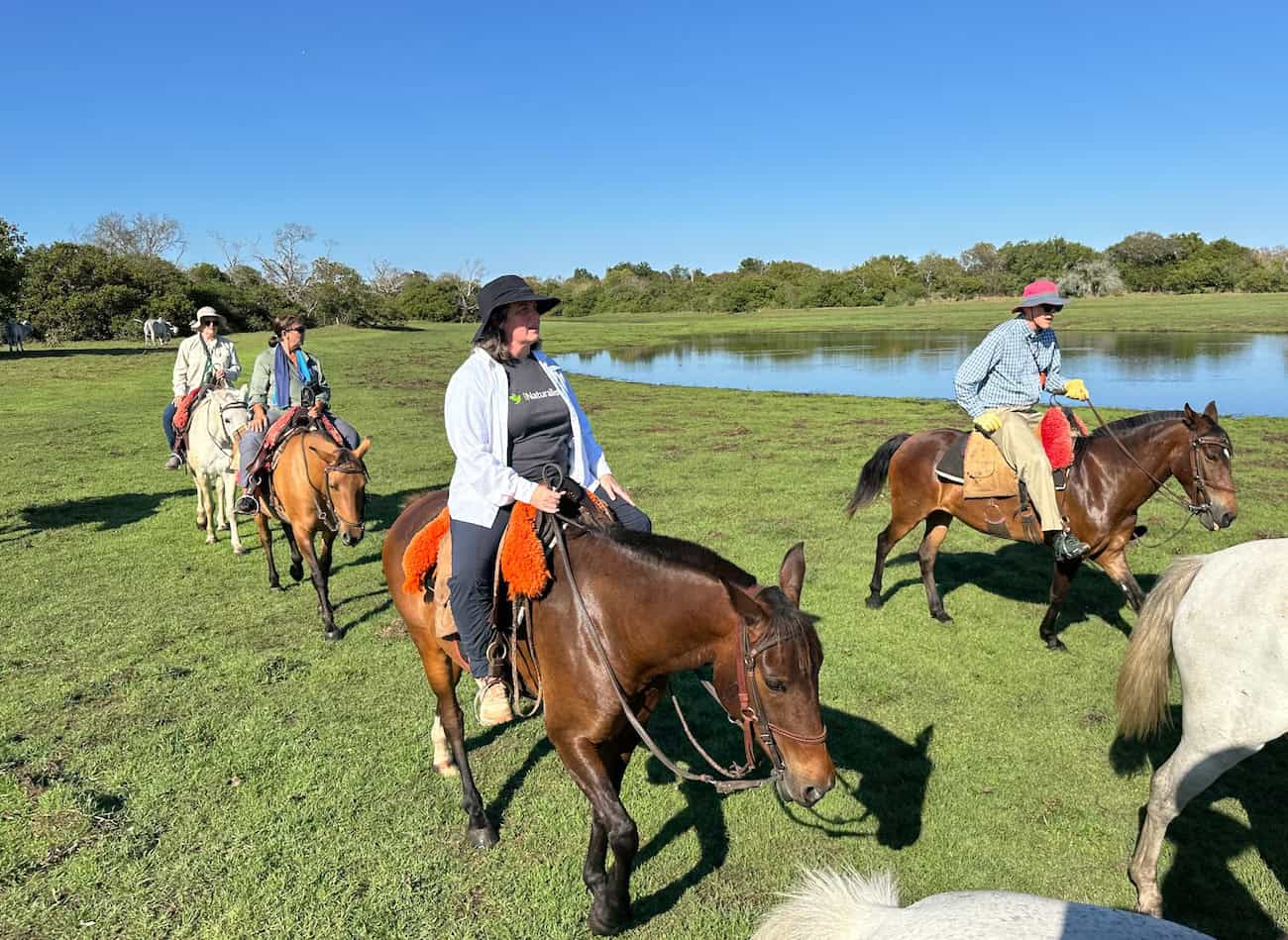
Riding through the landscape offered a completely different perspective. Moving quietly on horseback, we could appreciate the open grasslands, vegetation, and wildlife in a way that felt more connected to the land.
We also learned about the demanding lifestyle of the Pantaneiros, whose work managing cattle across enormous ranches can require them to travel for months at a time, moving herds from one location to another through the wetlands. Pantanal is not just a wilderness but also a living landscape shaped by generations of people.
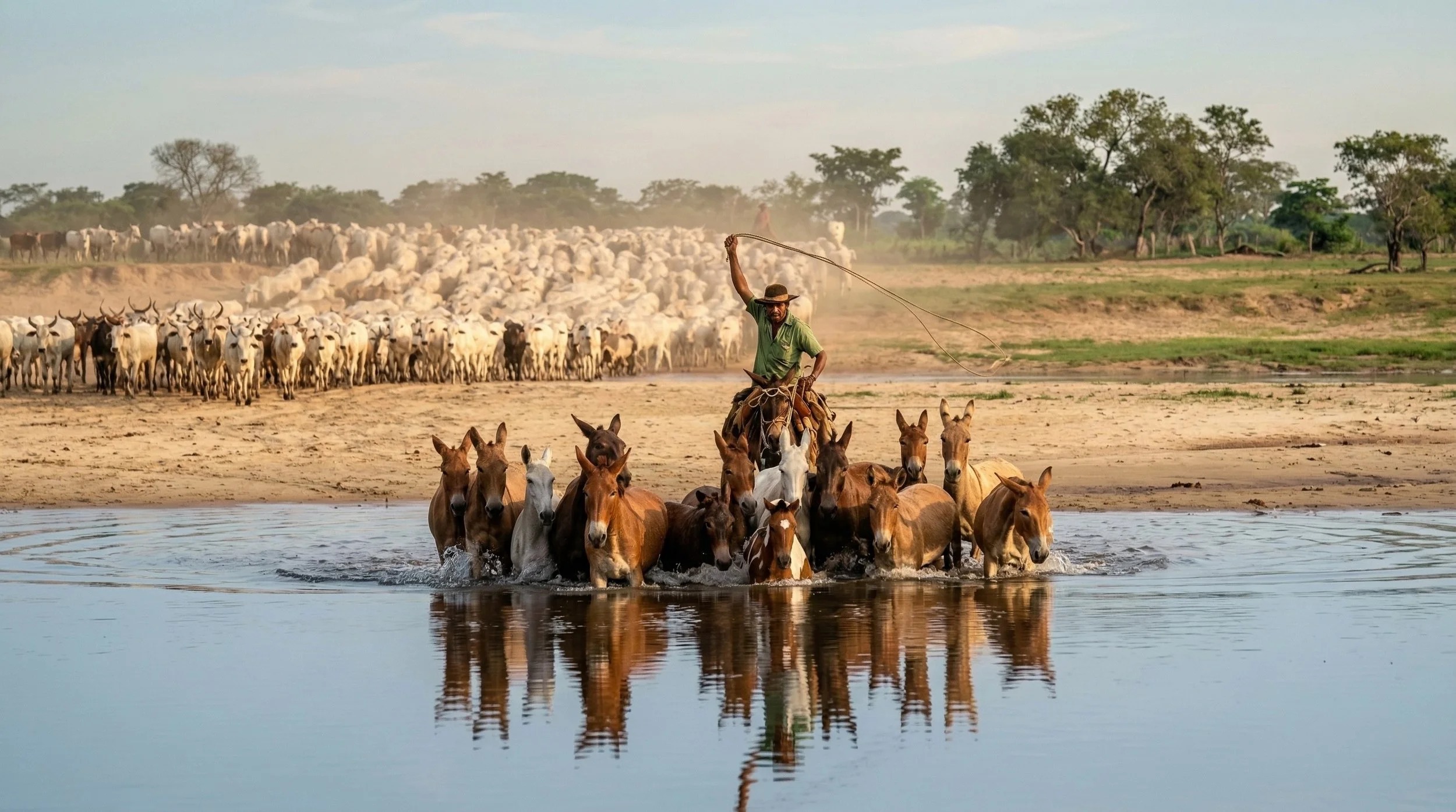
Photo by Barra Mansa Lodge
Before lunch, Alyson gave us an introduction to the Pantanal and its wetland ecology, helping us better understand the natural systems that sustain the region’s wildlife and traditional livelihoods.
In the afternoon, we headed out for another safari. Highlights included two tapirs, a crab-eating fox, and a giant anteater moving through the field.
Day 4: An Unforgettable Jaguar Encounter
After several wonderful days at Baía das Pedras, we said a bittersweet farewell to Rita, Dóio, and the lodge team, whose warmth and hospitality made us feel at home in this remote corner of Brazil.
Dóio helped load our group and luggage into the 4×4 vehicles, and we set off on a four-hour safari transfer farther south to Barra Mansa. Even the journey between lodges was an opportunity to continue exploring the Pantanal’s wildlife-rich landscape.
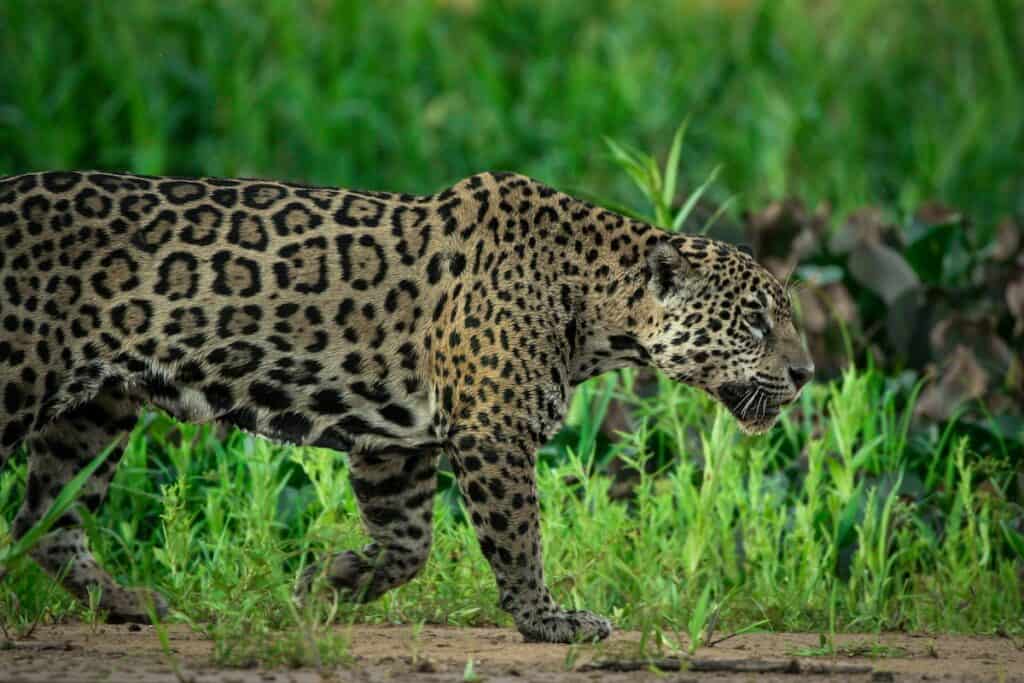
After a freshly prepared lunch at our new lodge, we headed out for our first river safari on the Rio Negro. Our experienced boat guide spotted a jaguar and her cub surprisingly early in the outing. What followed was an extraordinary encounter: we were able to observe the pair for approximately 30 minutes.

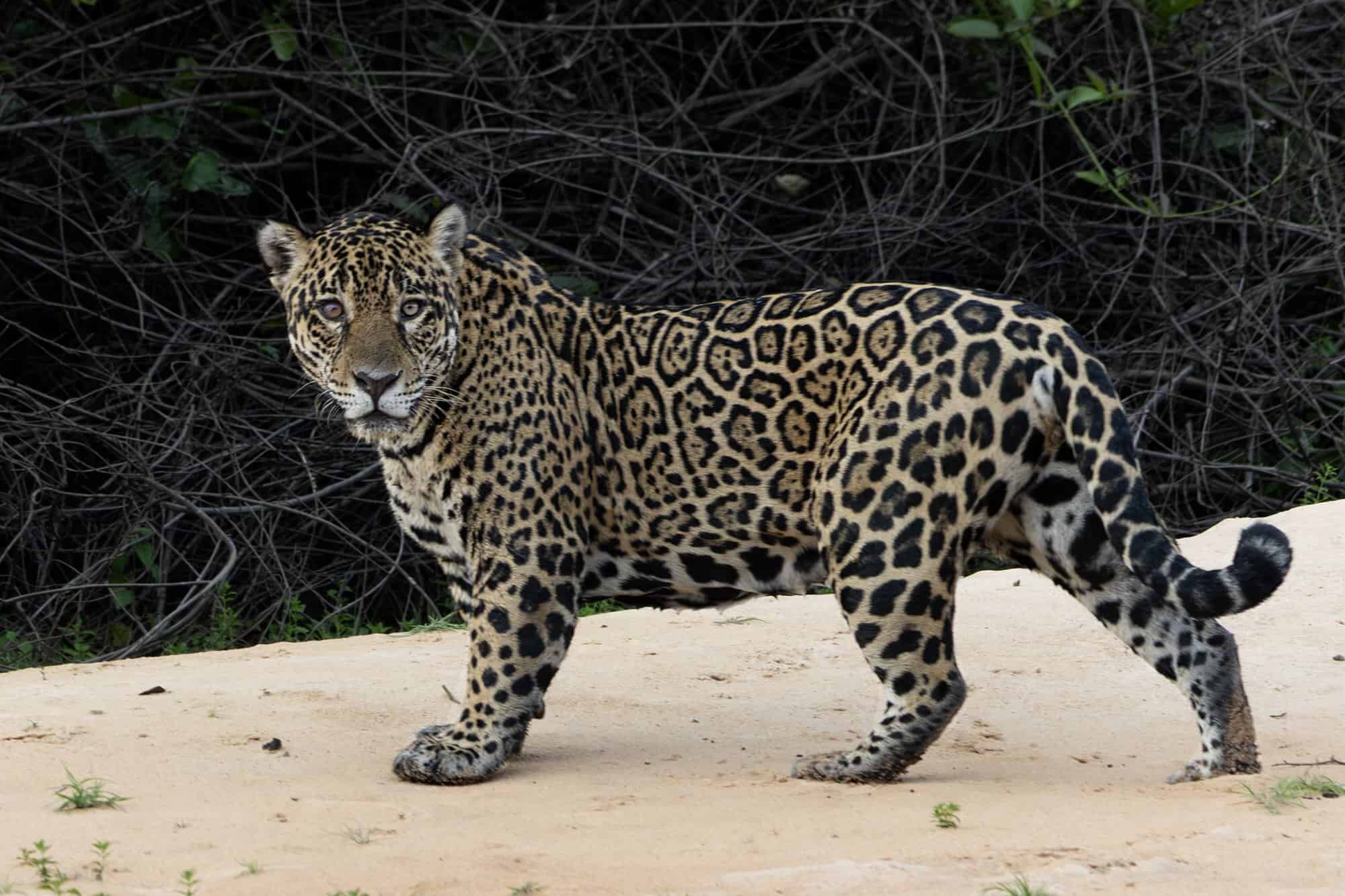
Photo by Alyson Melo
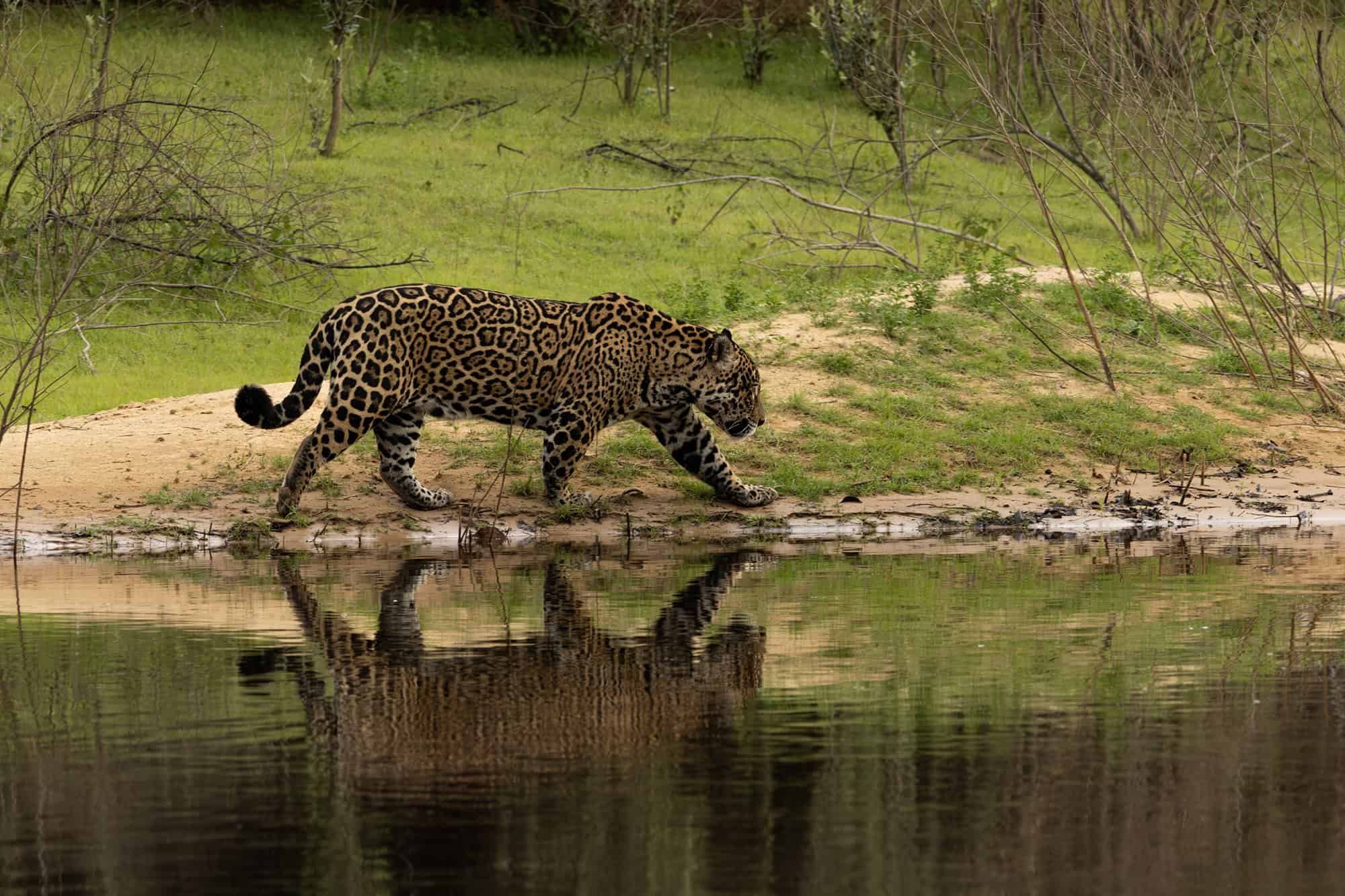
Photo by Alyson Melo
The adult female, known as Luciana, moved gracefully through the water, swimming across the river before resting along the bank. We watched in awe as she revealed her strength and agility, giving us a rare opportunity to appreciate one of South America’s most iconic predators in its natural habitat. Perhaps the most remarkable part was the tranquility of the moment. We were the only group there, allowing us to fully enjoy the encounter without the bustle of other boats.
Day 5: River Tracks and Rainforest Giants
We awoke to an overcast morning, but our enthusiasm for exploring the Rio Negro was undiminished. We headed downstream, passing the “bridge”, hoping for more wildlife encounters.
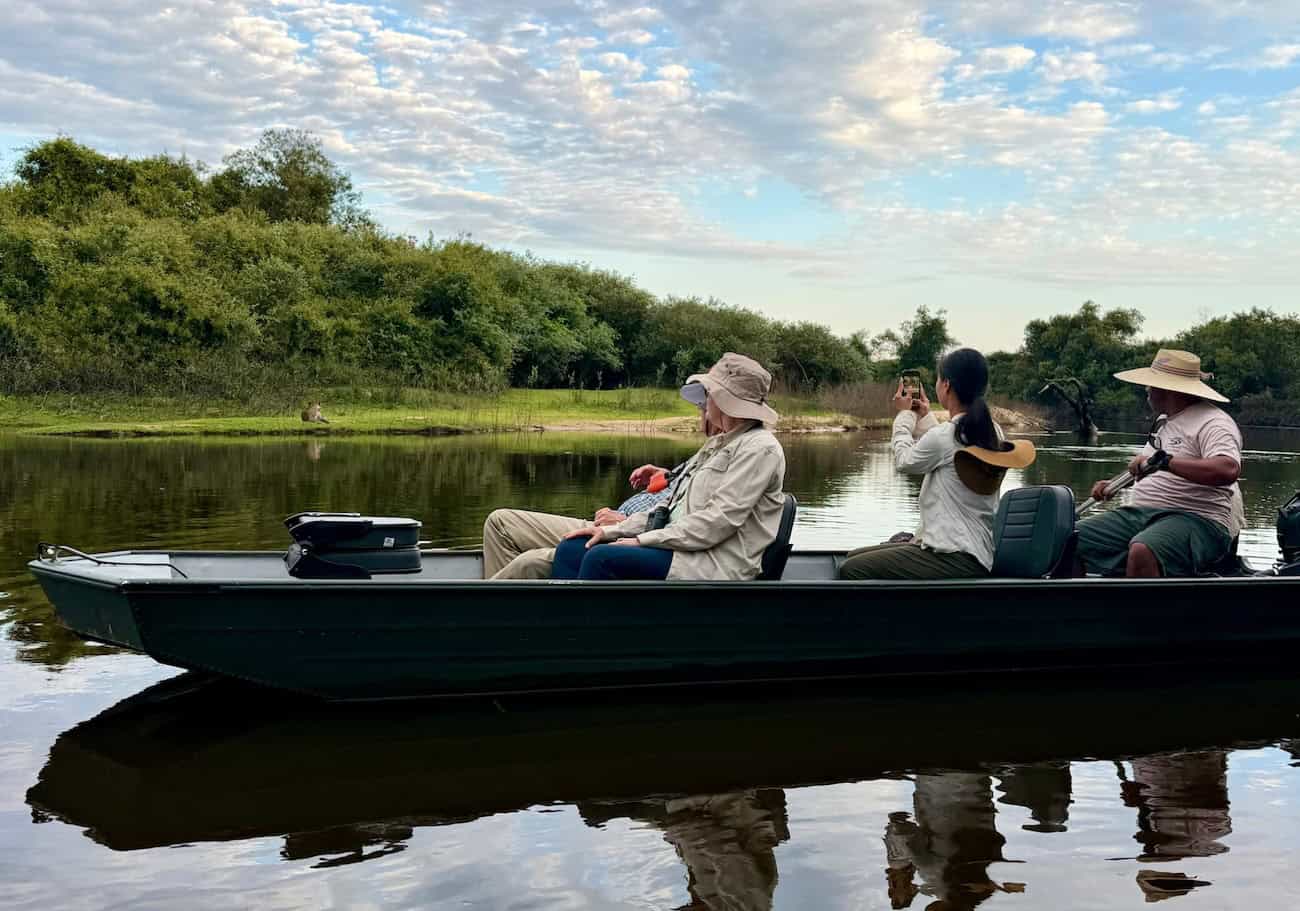
The riverbanks revealed an impressive collection of animal tracks, including those of jaguars, giant river otters, and capybaras, all crossing paths in the same area. Even when the animals themselves were out of sight, the tracks offered clues to the richness of life along the river.
Before long, we encountered two neotropical river otters fishing close to shore. Watching their swift movements through the water was a highlight of the morning.
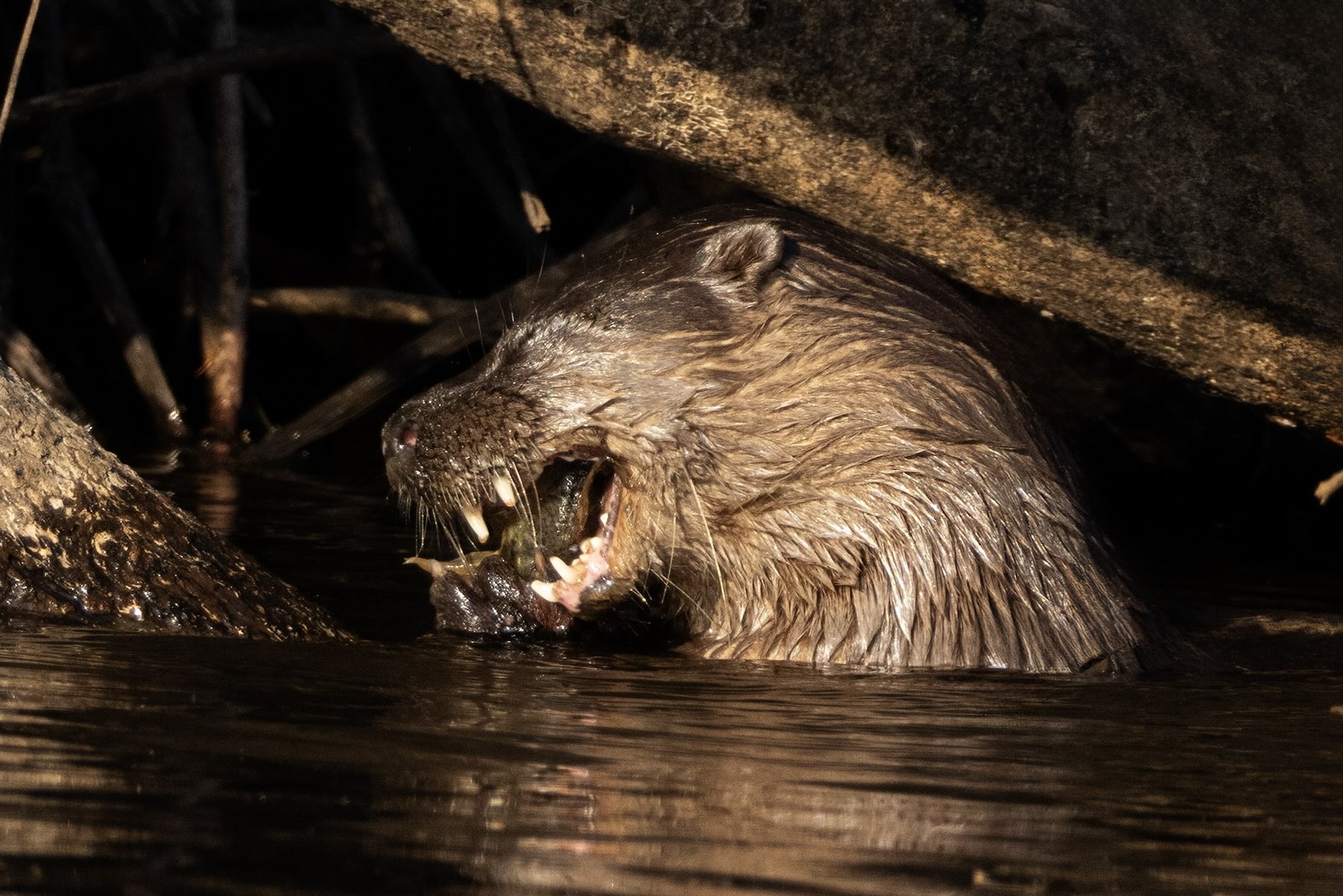
Photo by Alyson Melo
We returned to the lodge before the rain arrived, giving Alyson time to share a presentation about jaguars and their role in the Pantanal ecosystem. Understanding their habitat, behavior, and place in the food web added another layer of appreciation to our recent sighting of Luciana. We also learned how local Pantaneiros are addressing human-jaguar conflict by embracing sustainable jaguar tourism, creating opportunities for wildlife conservation to coexist with traditional livelihoods.
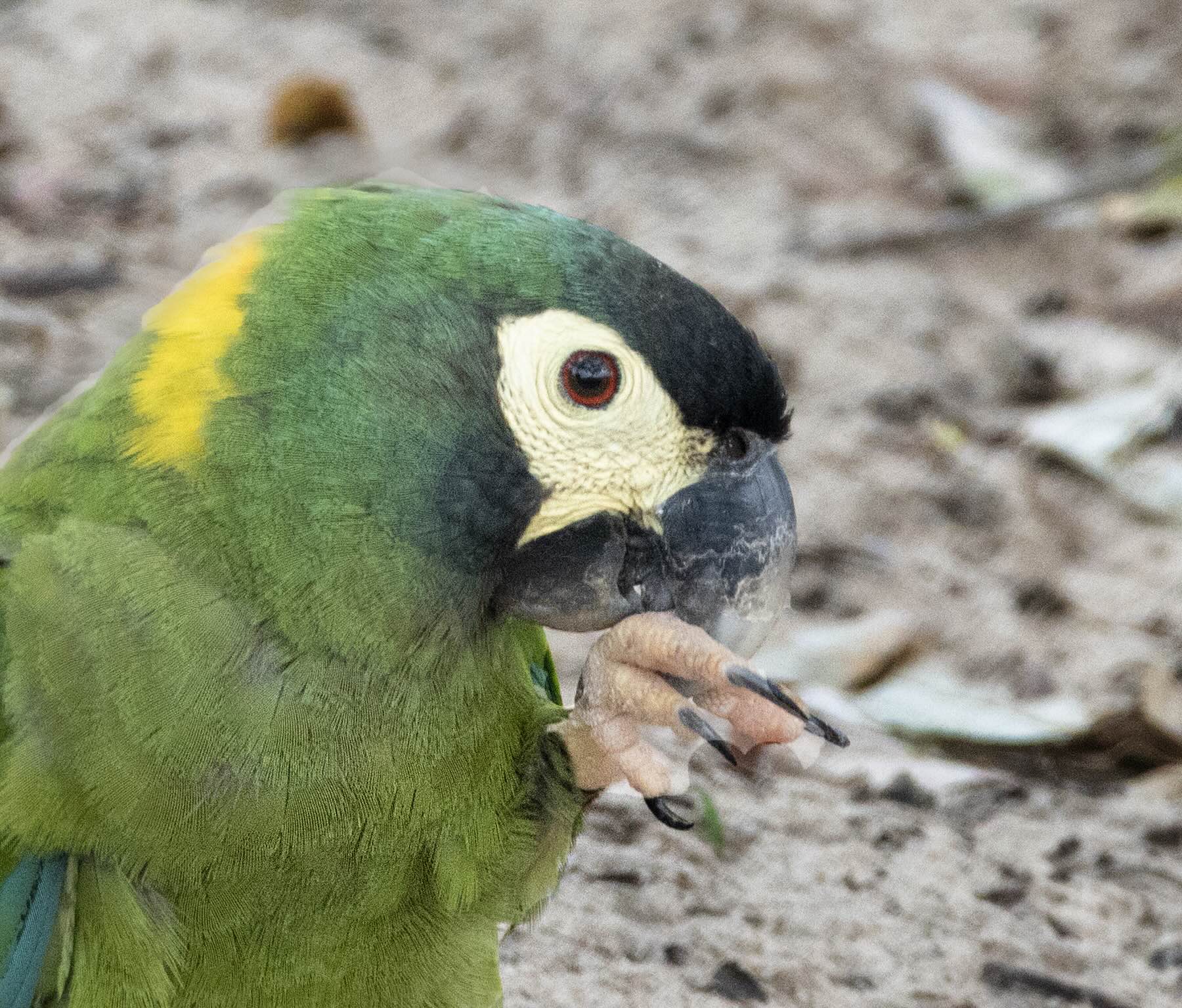
Photo by Alyson Melo
In the afternoon, we ventured out on a 4×4 safari. We were treated to close views of beautiful yellow-collared macaws, followed by a charming family of peccaries crossing the road directly ahead of us, and we could even smell them as they passed!
Day 6: Piranhas, Macaws, and a Pantanal Sundowner
With the sun back out and temperatures rising, we headed upstream on the Rio Negro for another river safari.
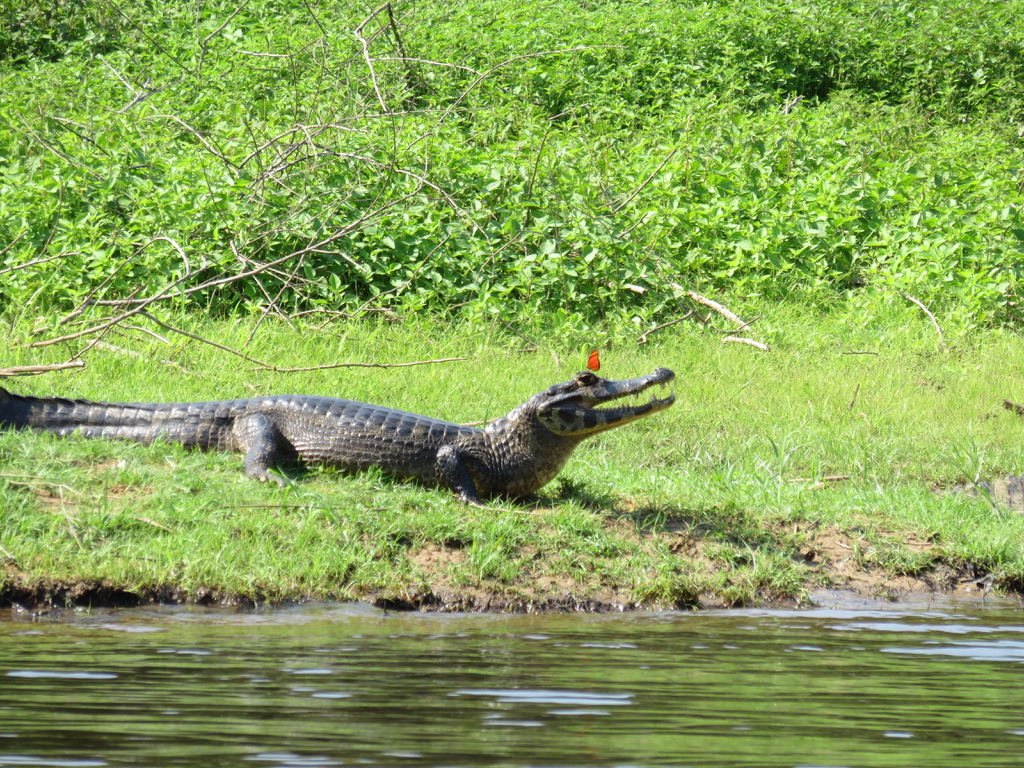
The morning brought a variety of fascinating sightings, including a tapir, tegu lizards, and a particularly unusual natural interaction: a butterfly resting on the snout of a caiman, taking advantage of the minerals on its skin.
Our boat guide, Corumbá, also demonstrated traditional piranha fishing. We were amazed by how many piranhas inhabited the river—and by their impressively sharp teeth. After seeing them up close, anyone considering an impromptu swim had second thoughts!
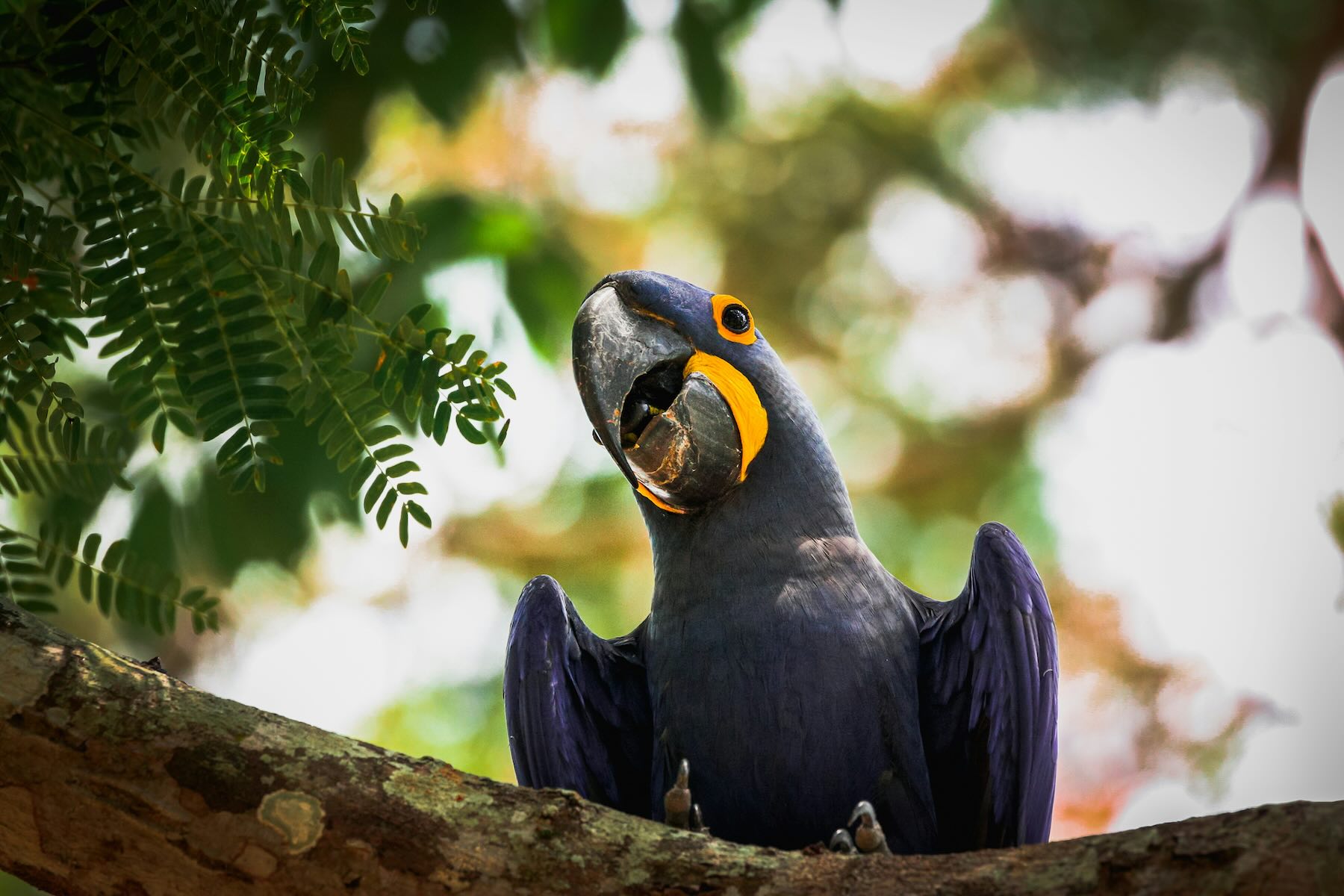
In the afternoon, we returned to the land for another safari, where we spotted a red-footed tortoise and magnificent hyacinth macaws near the Salina lake.
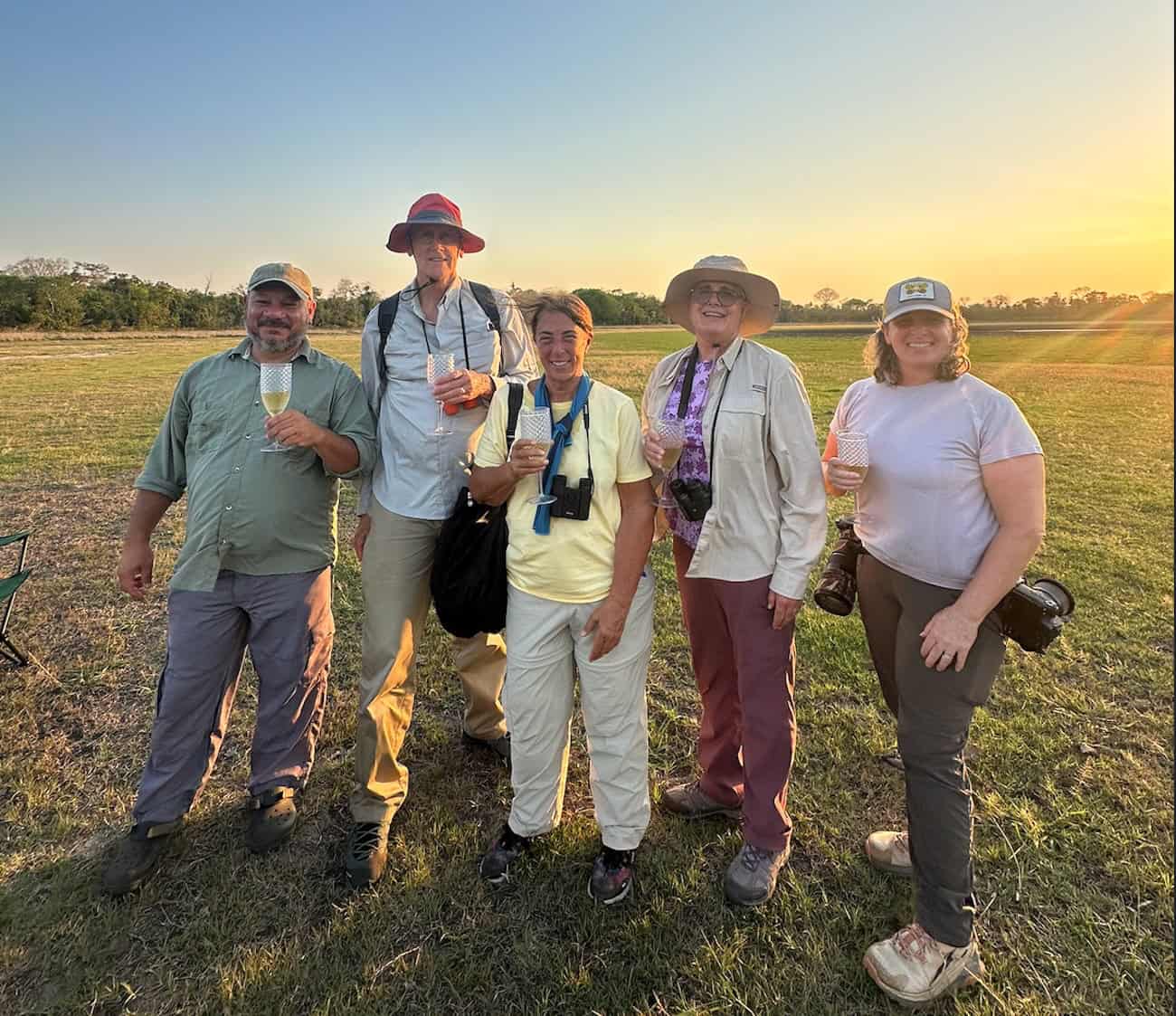
The day ended with one of the most memorable experiences of the trip: a beautifully arranged sundowner hosted by our lodge team. With champagne in hand, we watched the changing colors of the evening sky and sampled tereré, a traditional cold yerba mate drink popular in the region.
Day 7: One Last Morning on the Rio Negro
For our final river safari, anticipation was high. Everyone hoped for one more glimpse of a jaguar before leaving the Pantanal. We were not disappointed.
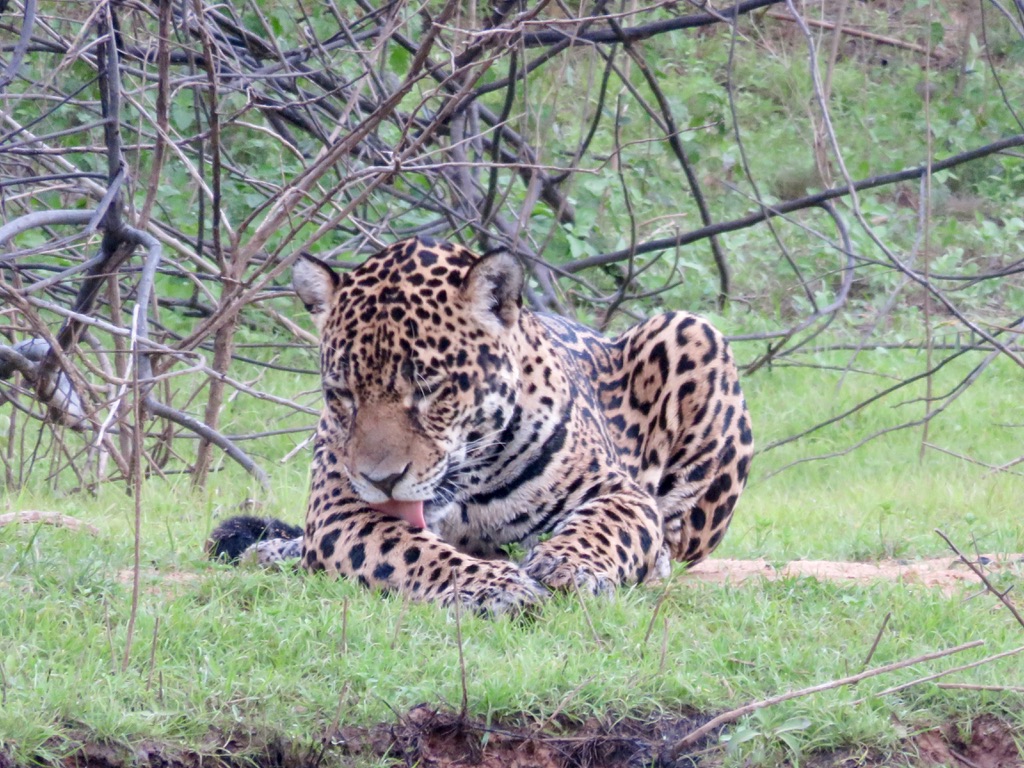
During the morning outing, we encountered two jaguars—a mother and her cub—wandering along the riverbank. It was a fitting finale to our time on the Rio Negro and another extraordinary opportunity to observe these magnificent cats in the wild.
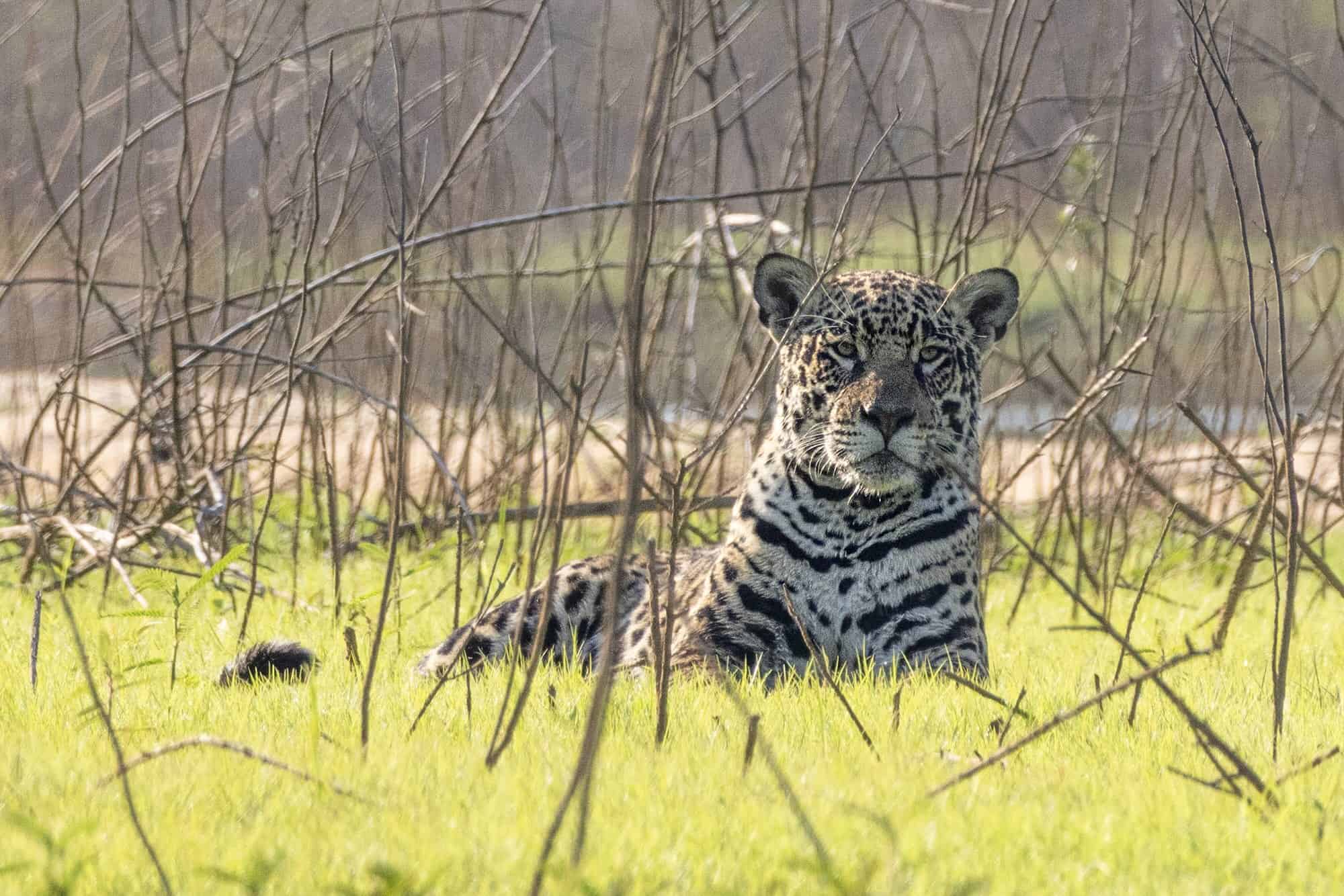
Photo by Alyson Melo
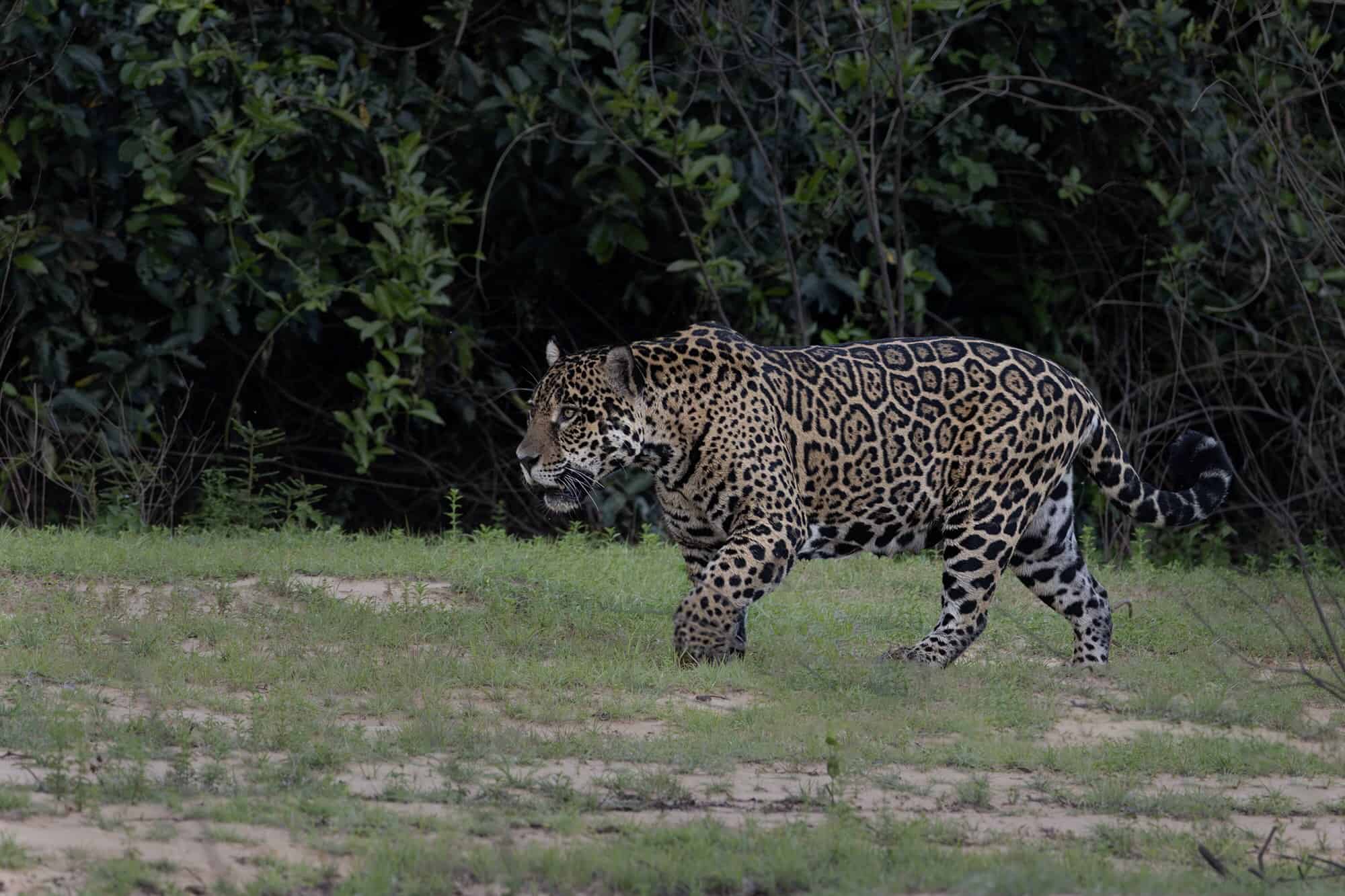
Photo by Alyson Melo
We also watched two neotropical river otters feeding on fish and were fortunate to spot a sunbittern, a particularly exciting sighting for bird enthusiasts.
After an exhilarating morning and a bit of a flight delay—one of the realities of traveling in the unpredictable and remote Pantanal—we said goodbye to the lodge team and boarded a Cessna for a 40-minute flight to Bonito.
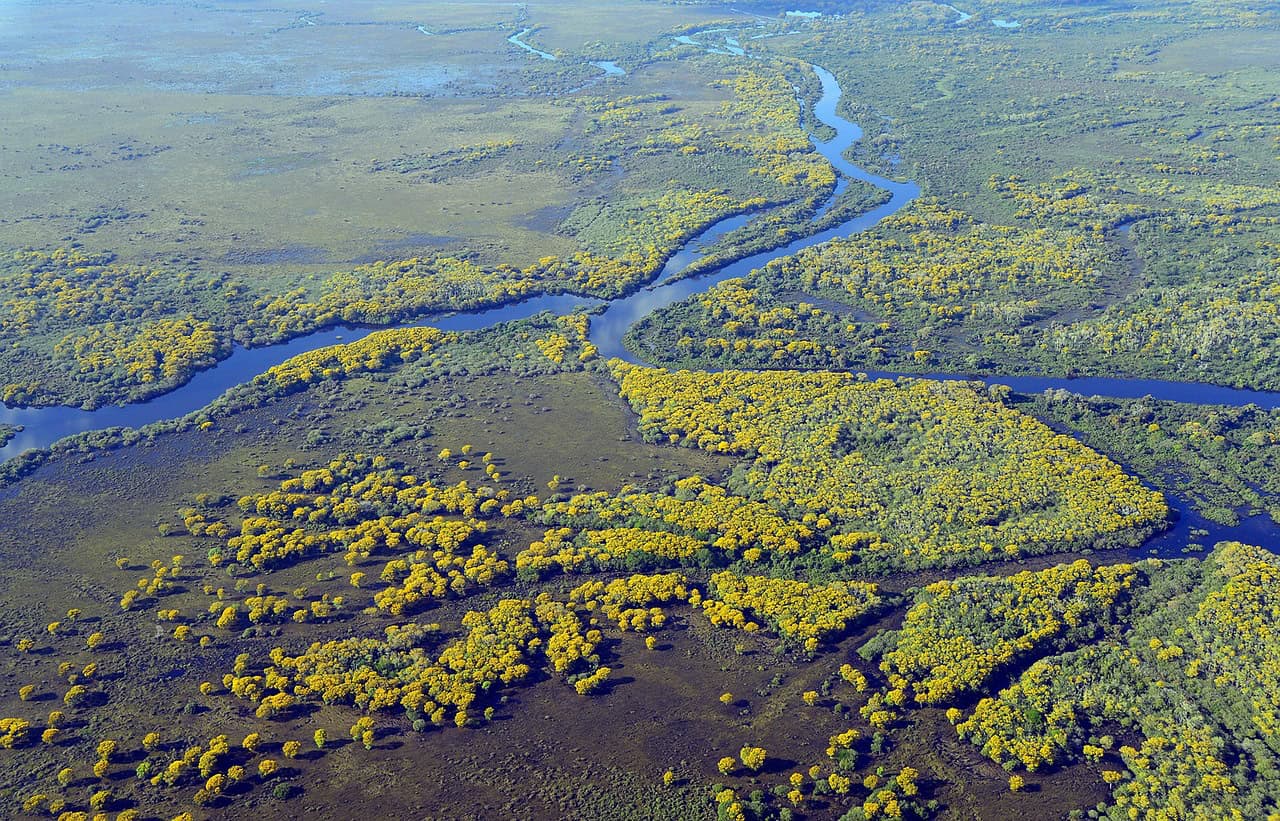
From the air, the Pantanal revealed its enormous scale. We could see the Salina lakes, the Rio Negro, the Rio Miranda, and the vast patchwork of wetlands stretching across the landscape. After spending several days exploring at ground level, this aerial perspective helped us appreciate the sheer size and interconnectedness of the region.
That evening, we sampled regional Brazilian cuisine, including local fish dishes such as pacu, piraputanga, and curimba in Bonito. Arriving in Bonito marked the beginning of a new chapter in our journey—from the open wetlands and wildlife of the Pantanal to the clear freshwater rivers and limestone landscapes of southern Mato Grosso do Sul.
Day 8: Snorkeling Through a Crystal-Clear River
After breakfast, we drove approximately 45 minutes south to Rio da Prata, or the Silver River, for one of Bonito’s signature experiences: freshwater river snorkeling.
Before entering the water, we were equipped with shorty wetsuits, snorkeling boots, and masks and snorkels. Fins were not permitted, helping prevent disturbance to the riverbed and sediments. Our guides provided a thorough safety briefing and explained what to expect during the approximately two-kilometer float downstream. Following rain the previous night, the water temperature was around 70°F (21°C), making the wetsuits very welcome!
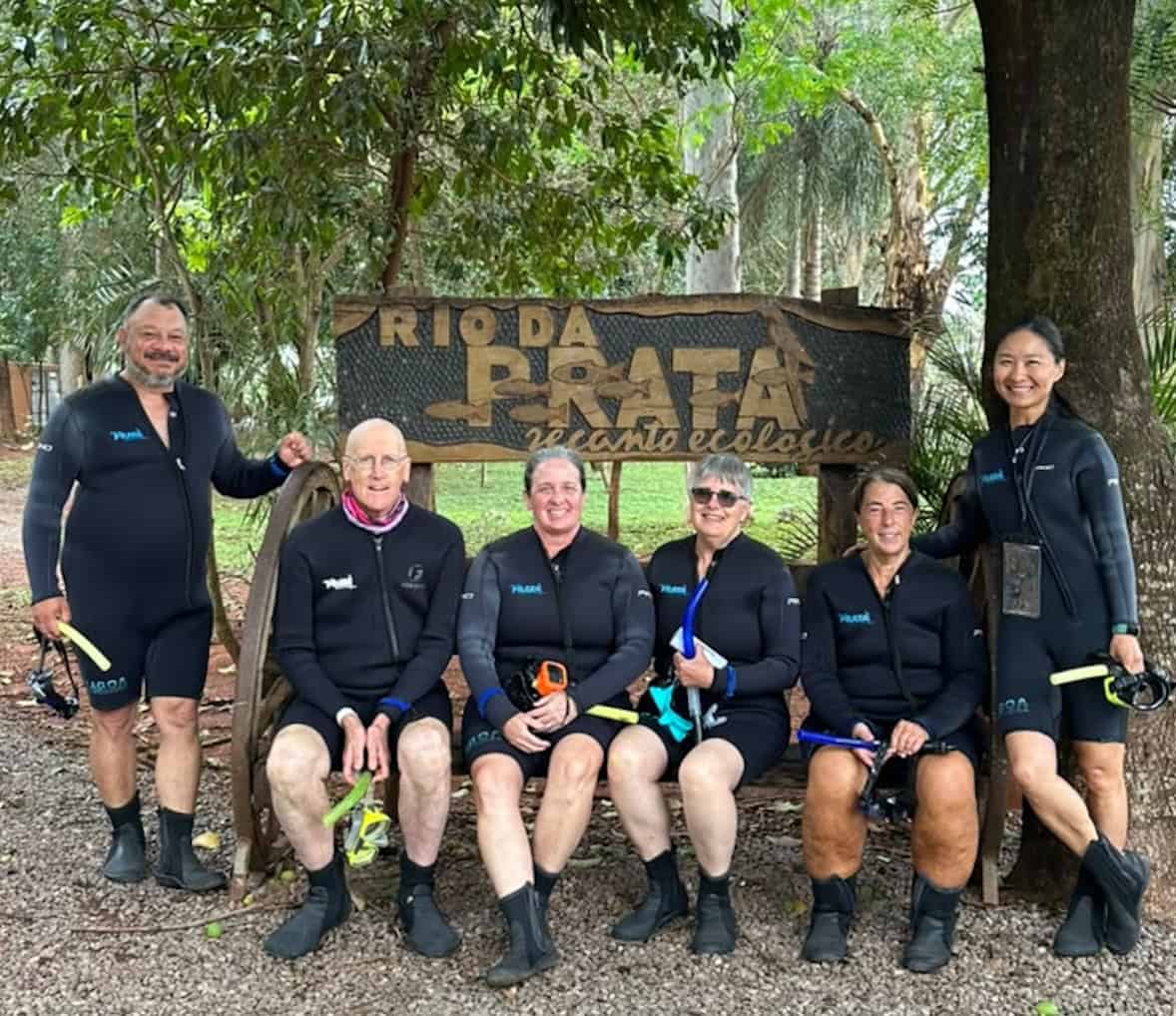
Unlike a conventional snorkeling excursion in the ocean, this experience required no swimming against waves or searching for distant reefs. We simply floated with the current, letting the river reveal its secrets.
Once in the water, we were immediately surrounded by schools of piraputanga, fruit-eating fish in the genus Brycon, alongside large dorados. After a short practice session, we began drifting gently with the current, observing the underwater world as it unfolded around us. We started in the Olho d’Agua River before joining the Rio da Prata. The river’s remarkable clarity allowed us to appreciate the aquatic vegetation and the intricate ecosystem beneath the surface, with about 60+ freshwater fish species.
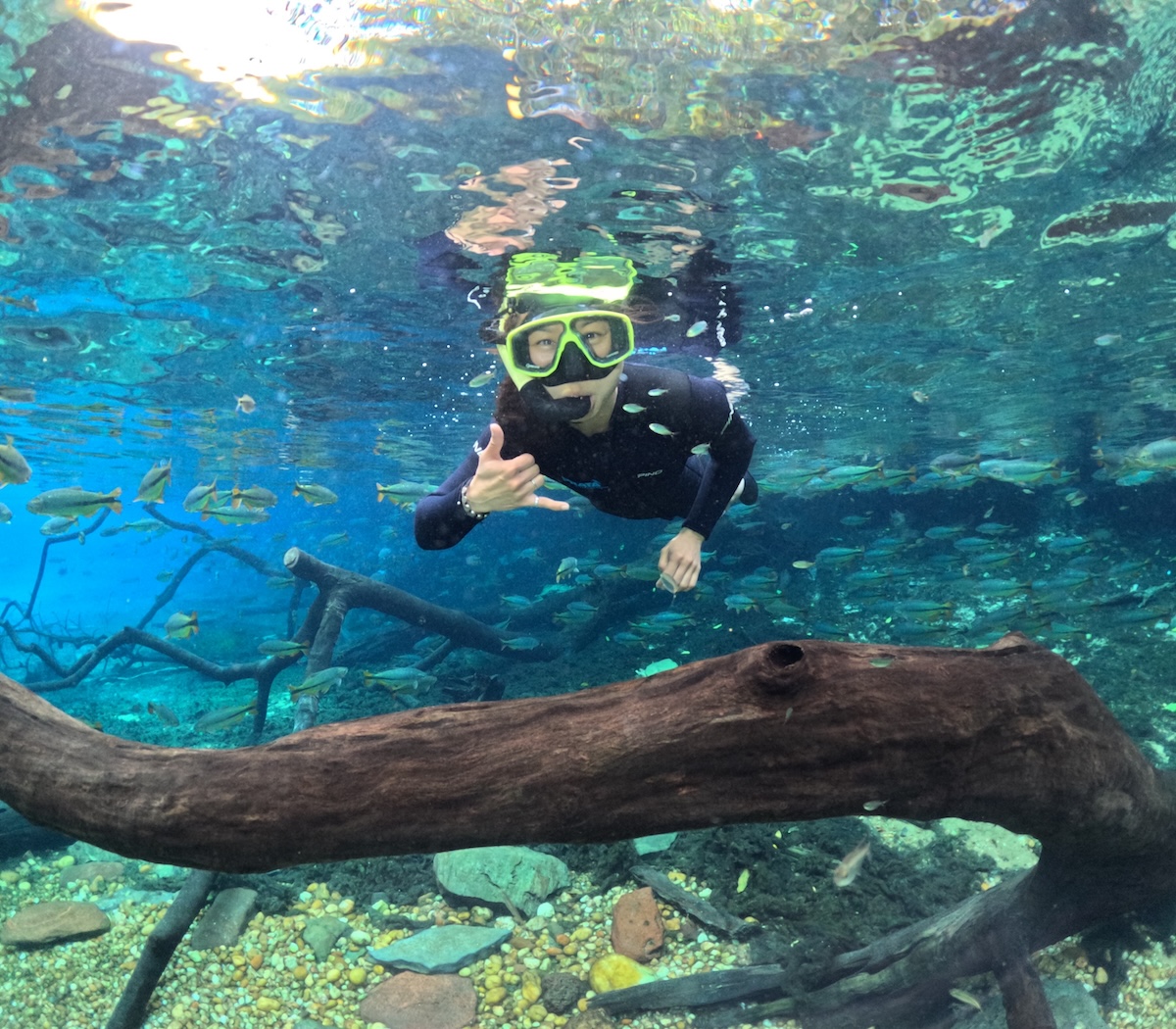
Afterward, we enjoyed a delicious farm-to-table lunch (and the delicious homemade doce de leite).
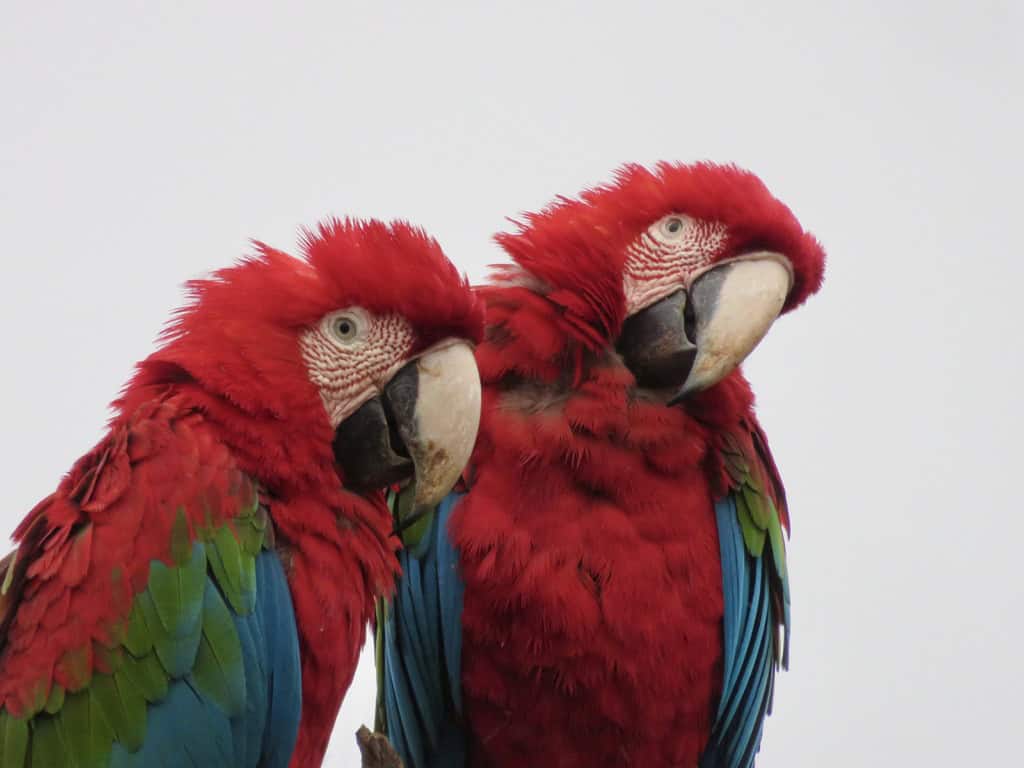
In the afternoon, we visited Buraco das Araras, the famous macaw sinkhole, where the dramatic landscape provides a habitat for colorful birds. On a cloudy day, the birds can be particularly active, and we enjoyed excellent opportunities to observe them around the viewing platform.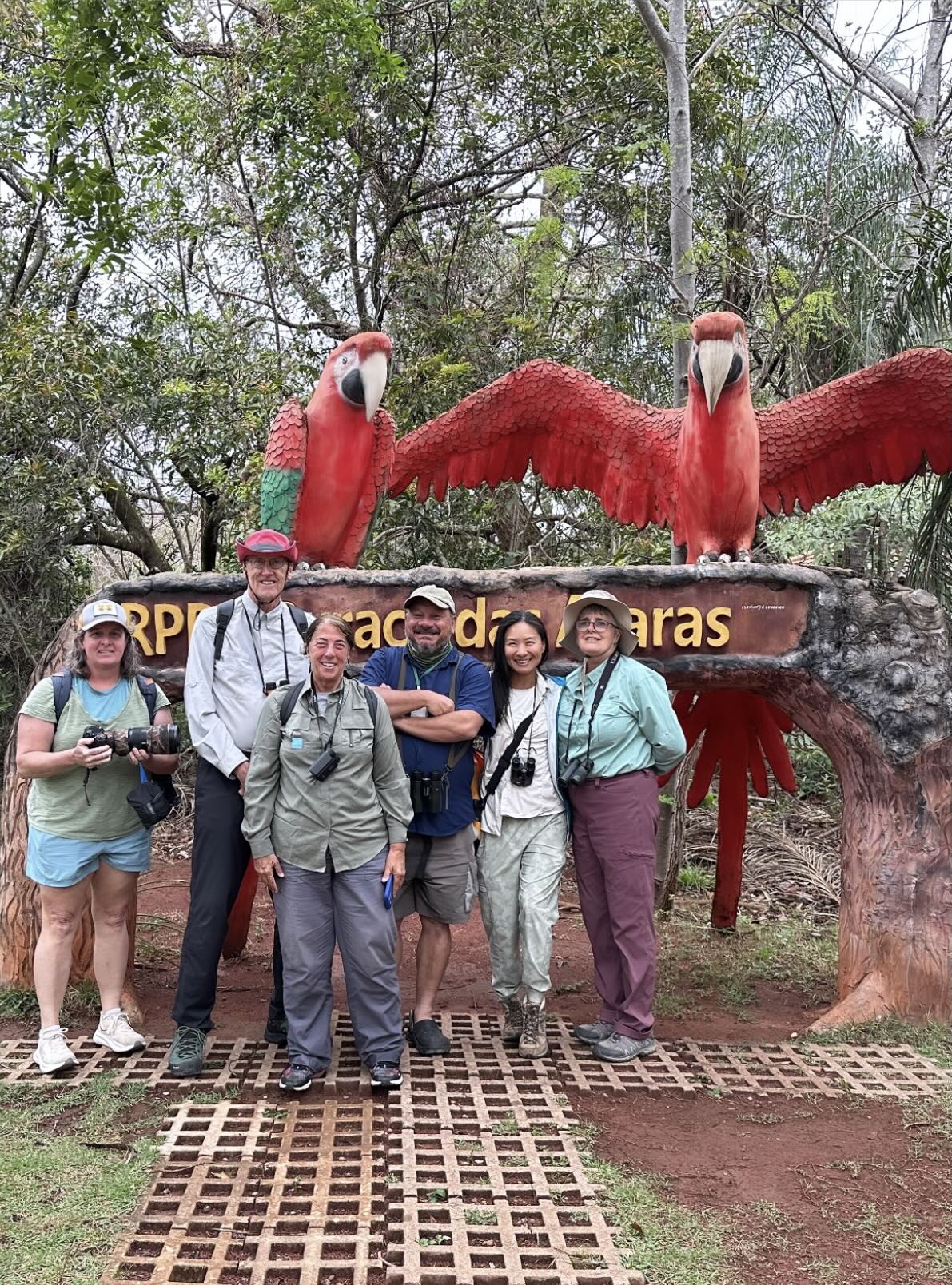
Among the birds seen during our explorations were blue-and-yellow macaws, peach-fronted parakeets, buff-necked ibises, hummingbirds, black vultures, and a motmot. We also had opportunities to observe the region’s rich ecosystem and appreciate how the sinkhole’s unusual geography supports a remarkable concentration of wildlife.
Dinner at Juanita’s gave us another opportunity to enjoy local cuisine and reflect on how different this part of Brazil felt from the remote wetlands we had left behind only the day before.
Day 9: Blue Caves, Waterfalls, and the Natural Wonders of Bonito
Our final full day took us north to one of the region’s best-known natural landmarks: Gruta do Lago Azul, or the Blue Lake Cave.
After a safety briefing, we put on our helmets and descended approximately 300 steps into the cave with our guide. Along the way, we learned about the limestone formations and the distinctive ecosystem, including the fungi and bats that inhabit the cave environment. At the bottom, the effort was rewarded with a breathtaking view of the lake, whose extraordinary blue hues shift with the light and viewing conditions.
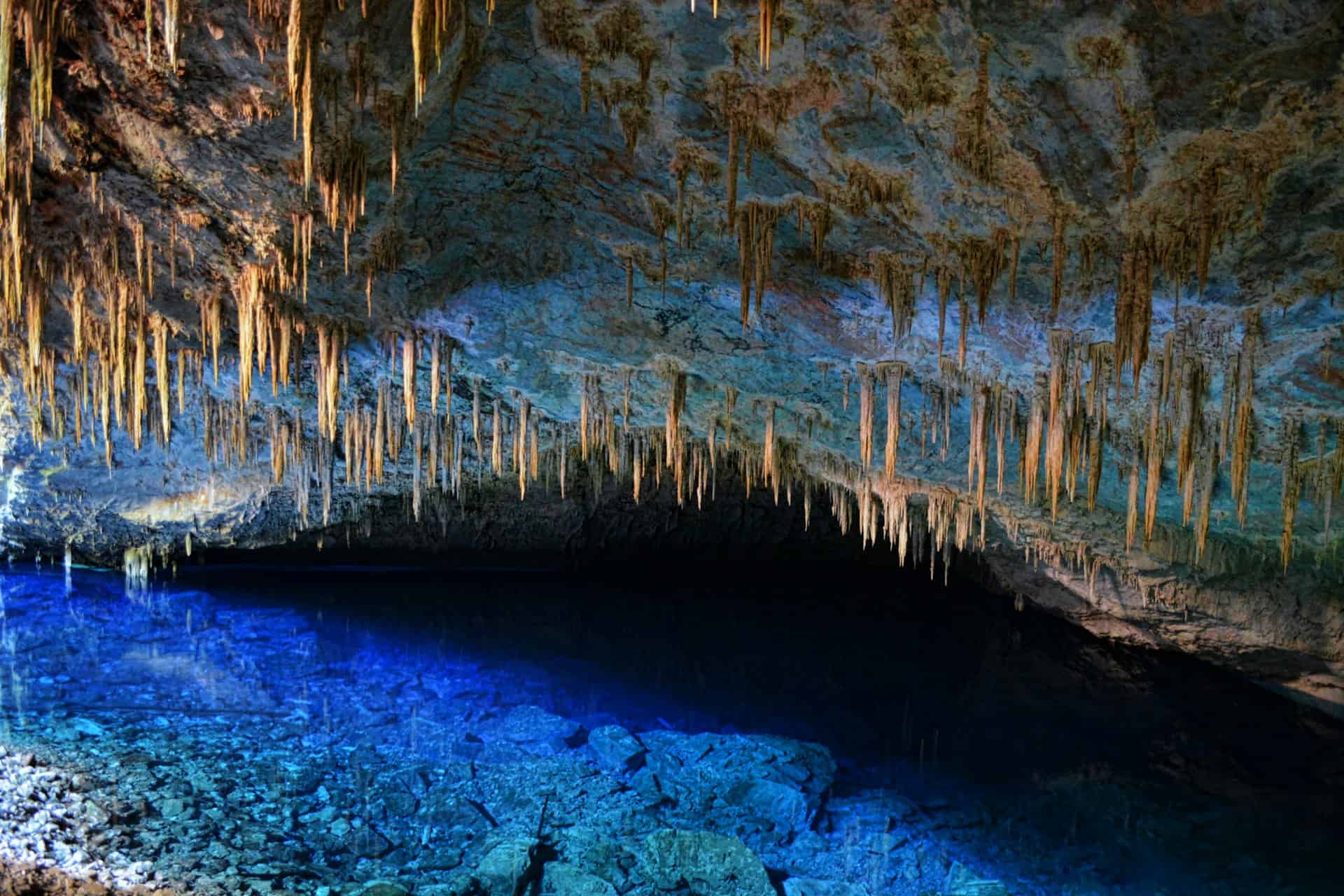
Our afternoon was devoted to waterfall hopping at Estância Mimosa, with ten beautiful waterfalls offering opportunities to cool off in the refreshing water. Between swims, we kept our eyes open for the small creatures that make these habitats so fascinating.
Along the 2.5 km well-kept trail, we spotted a variety of insects, including dragonflies, stick insects, bullet ants, and cicadas, along with birds such as blue-winged parakeets, blue-crowned trogons, crested becards, and Hyacinth Macaws. We also saw broad-nosed caimans in the main pond.
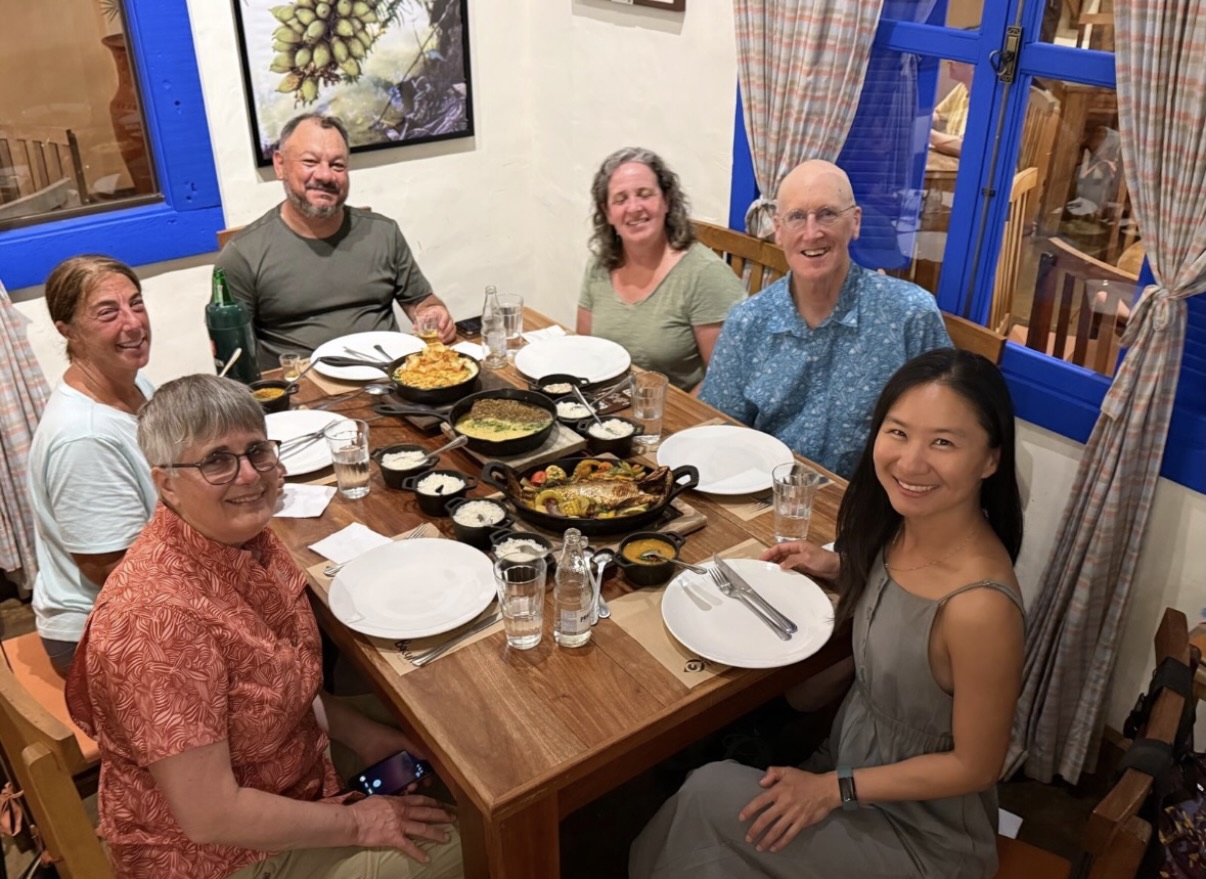
Our final evening was reserved for a farewell dinner, where everyone shared their favorite memories from the expedition. The jaguar encounters were an obvious highlight, but the conversations also returned to the wonderful hospitality of Rita and Dóio at Baía das Pedras, the incredible birdlife, the horseback experience with the Pantaneiros, and the unforgettable sight of macaws around the sinkhole.
Day 10: Farewell to Brazil
After breakfast, we said goodbye to our fellow travelers as everyone continued onward to different parts of Brazil, including Fernando de Noronha and Foz do Iguaçu, and beyond.
We left with phones full of photographs, plenty of stories, and memories of a remarkable journey through two of Brazil’s most extraordinary natural regions. Most of all, we carried a deeper appreciation for the wildlife, ecosystems, local communities, and conservation work that make these places so special.
For Oceanic Society, travel is an opportunity to connect people with nature and inspire them to become ambassadors for our planet. This journey was a wonderful example of that mission in action.