For many travelers, a wildlife trip to Costa Rica might be measured in toucans, monkeys, sloths, perhaps a tapir if luck is on their side.
For Amber King, who has documented nearly 6,000 species on iNaturalist, looking at the natural world has become an art form in seeing more. An active contributor and ambassador for the platform, Amber has trained herself to notice the details that can easily go unseen, from insects and fungi to bird calls, plant interactions, and the tiny creatures tucked beneath a leaf.
During her family’s recent private journey through Costa Rica, Amber documented 473 species on iNaturalist. She photographed plants, birds, mammals, moths, beetles, frogs, and spiders, adding observations to a growing personal record that now spans thousands of species around the world.
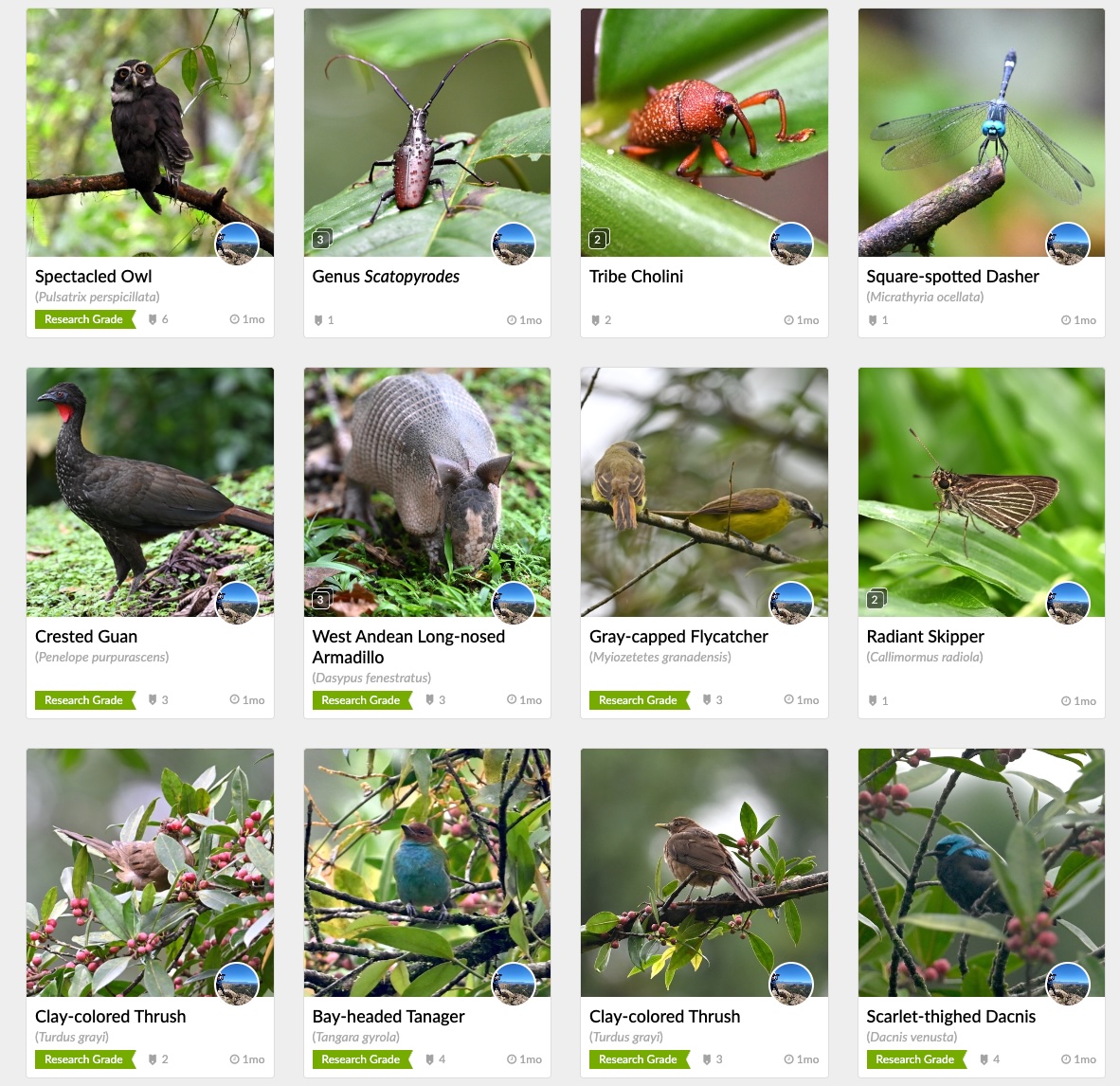
Amber’s iNaturalist log reads like a field guide to the Osa Peninsula: a spectacled owl, a West Andean long-nosed armadillo, a crested guan, and a scarlet-thighed dacnis among the dozens of species she documented and had verified to research grade.
“Exploring the natural world with my camera and iNaturalist has definitely changed my perspective,” Amber says. “Once you train your eye, the tiniest details just pop out.”
That way of seeing became a defining part of her Costa Rican experience and one that enriched her whole family’s adventure.
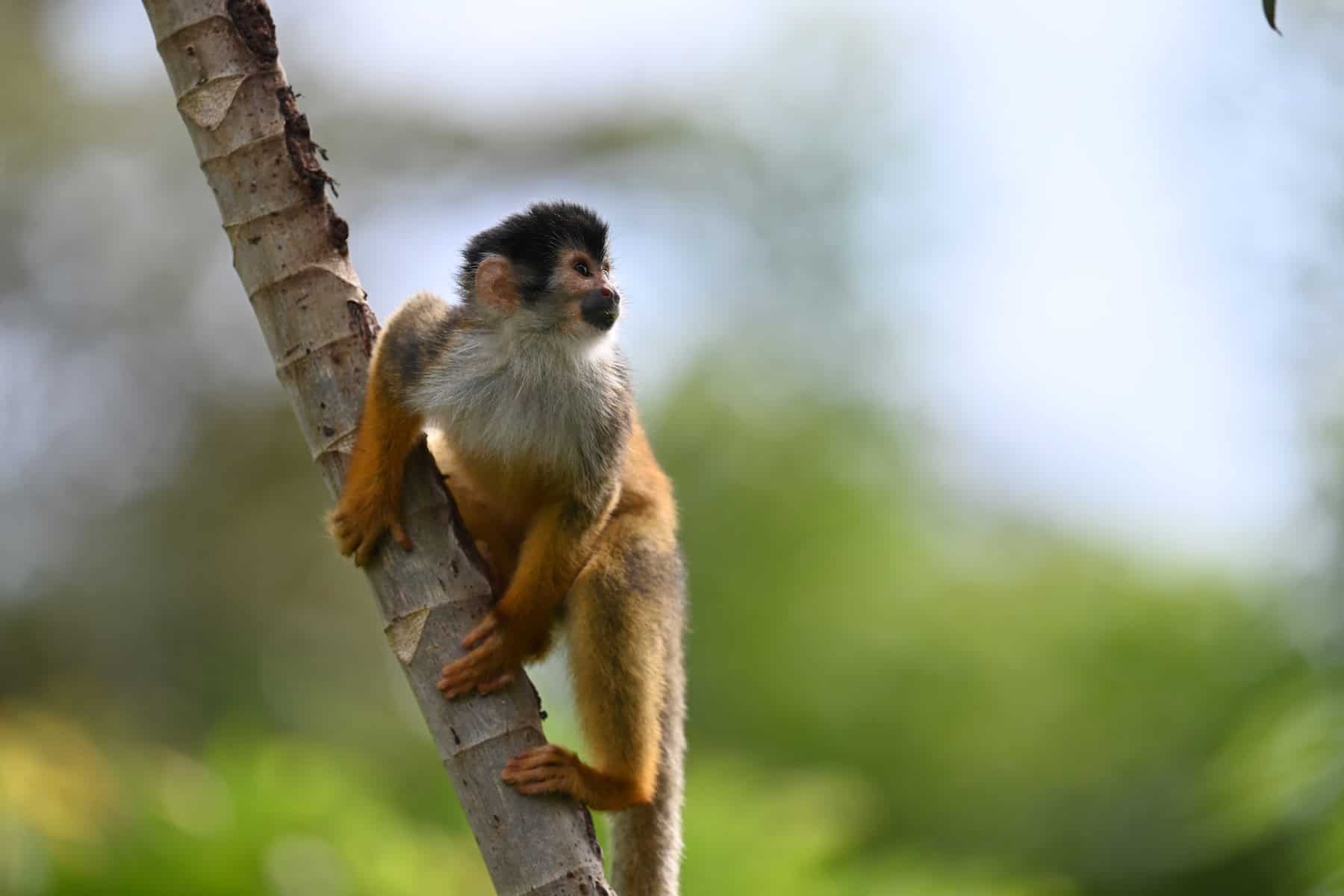
A Central American squirrel monkey pauses mid-climb, one of the smallest and most endangered primates in Costa Rica, found only in a narrow strip of Pacific coast. Photo by Conner Cooper.
Designing a Custom Costa Rica Itinerary
When the Johnson family began planning their custom Costa Rica expedition with Oceanic Society, they already had a sense of what they wanted. Amber’s parents, Jenny and Richard Johnson, had traveled to Costa Rica before and knew it would be a wonderful international destination for the whole family, offering the chance to experience both the country’s rich wildlife and culture together. What they wanted this time was something more personal: an itinerary that could take them beyond the typical tourist circuit, while still offering comfortable accommodations and plenty of flexibility for a family of 10, ages spanning 16 to 82, and having a diversity of interests.
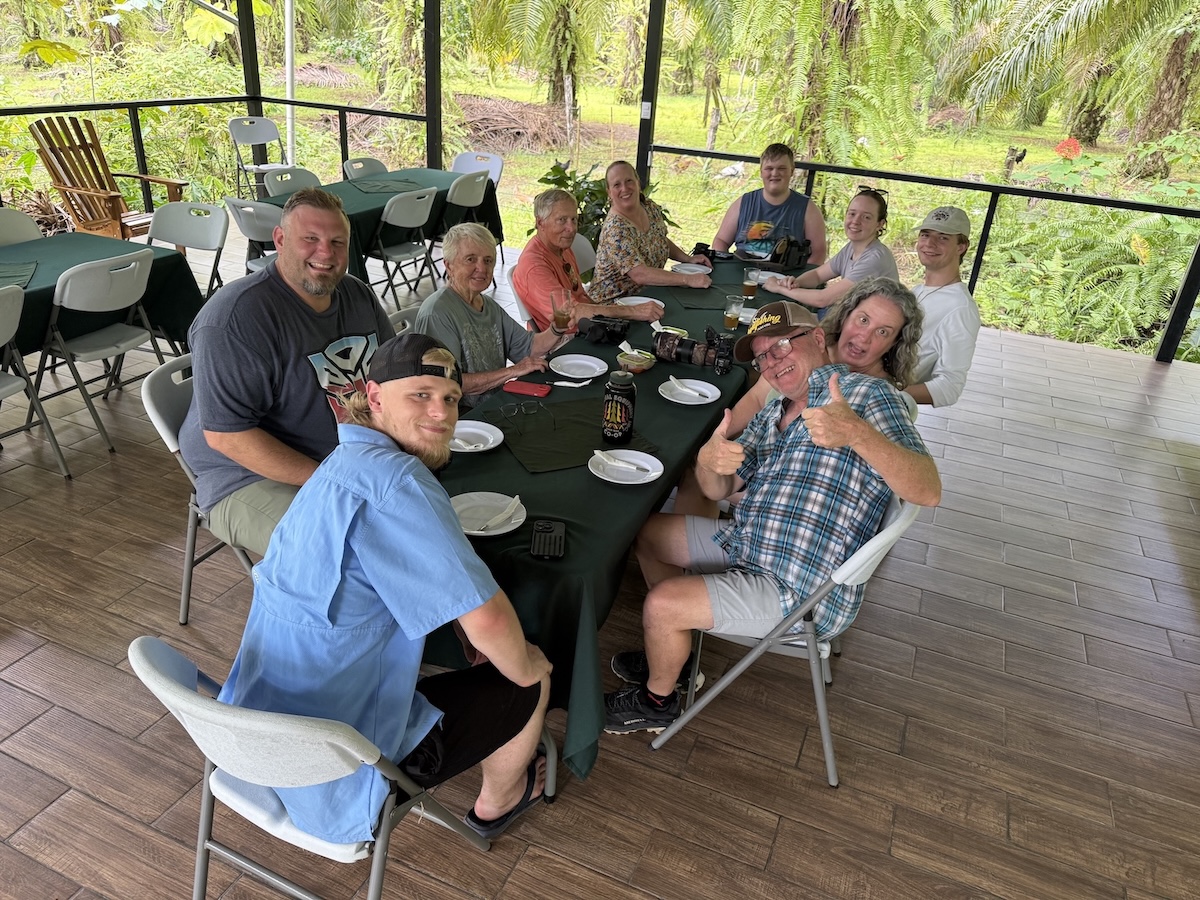
Johnson family of 10 gathered for a shared meal set against lush Costa Rica backdrop. Photo by Mica Lesch.
The Johnsons traveled with Oceanic Society naturalist Ernesto Ocampo, a Central American expert who was born in Nicaragua and has spent more than 15 years (10 of these with Oceanic Society) leading expeditions and working as a naturalist throughout the region. Bilingual, deeply knowledgeable about Central America’s species and ecosystems, and exceptionally attuned to the natural world, Ernesto has a knack for noticing what others might miss. He knows when to stop, where to look, and, just as importantly, what to listen for.
It is one reason travelers consistently rave about traveling with him.
-
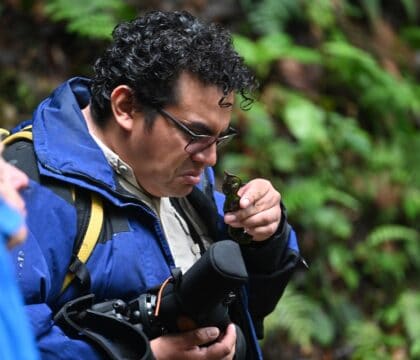

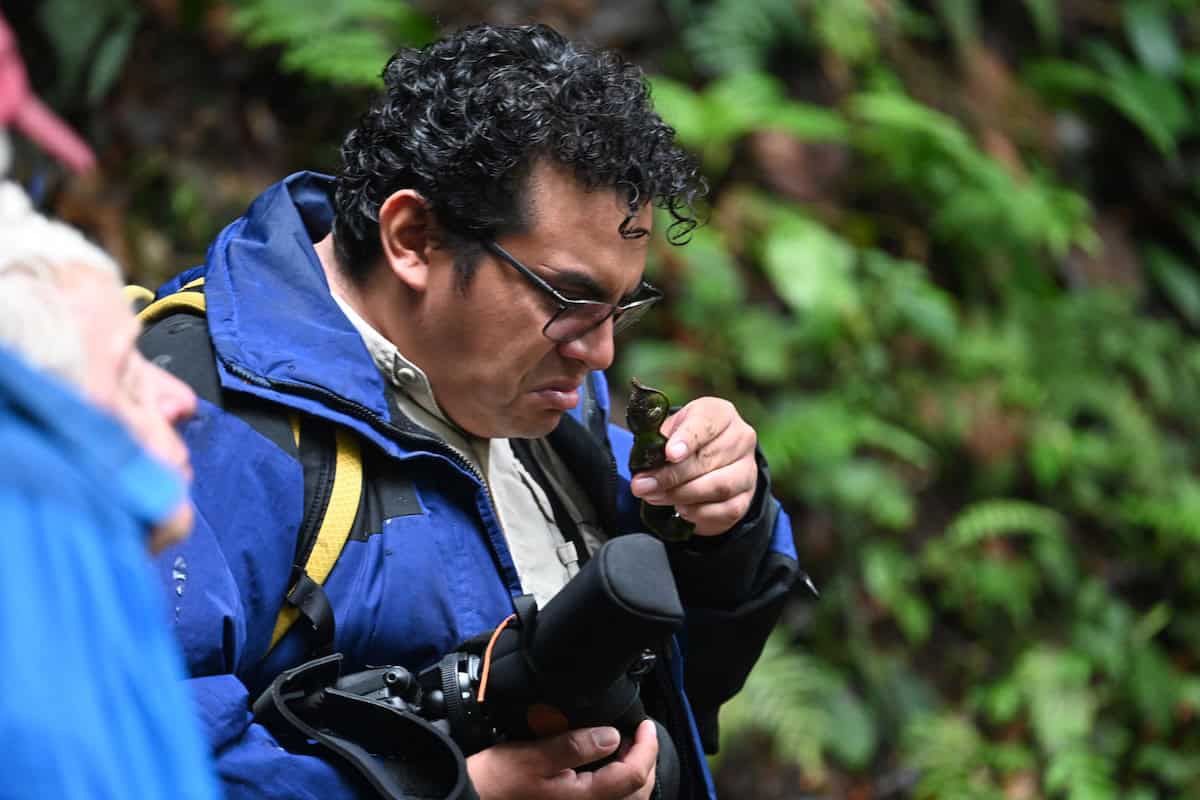
- Ernesto pauses mid-hike to examine something small and unidentified. Photo by Carey King.
-
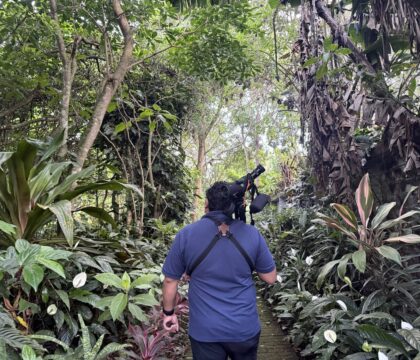
- Spotting scope slung over his shoulder, Ernesto leads the way into the cloud forest. Photo by Mica Lesch.
“We were looking to explore natural wildlife habitats that were as far away from the ‘tourist traps’ as possible, yet with comfortable accommodations and inclusive meals,” Amber says. “Ernesto really nailed this request.”
That meant carefully choosing not just what the family would do, but where they would stay and how they would experience each destination. Their itinerary combined intimate eco-lodges immersed in nature with more luxurious, full-service properties, creating a trip that could feel adventurous without sacrificing comfort.
Even in the middle of San José, Ernesto kept the family connected to nature. Rather than treating the capital simply as a place to arrive and depart, he selected a lodge with 10 acres of expansive gardens where the family could explore and birdwatch right in the city.
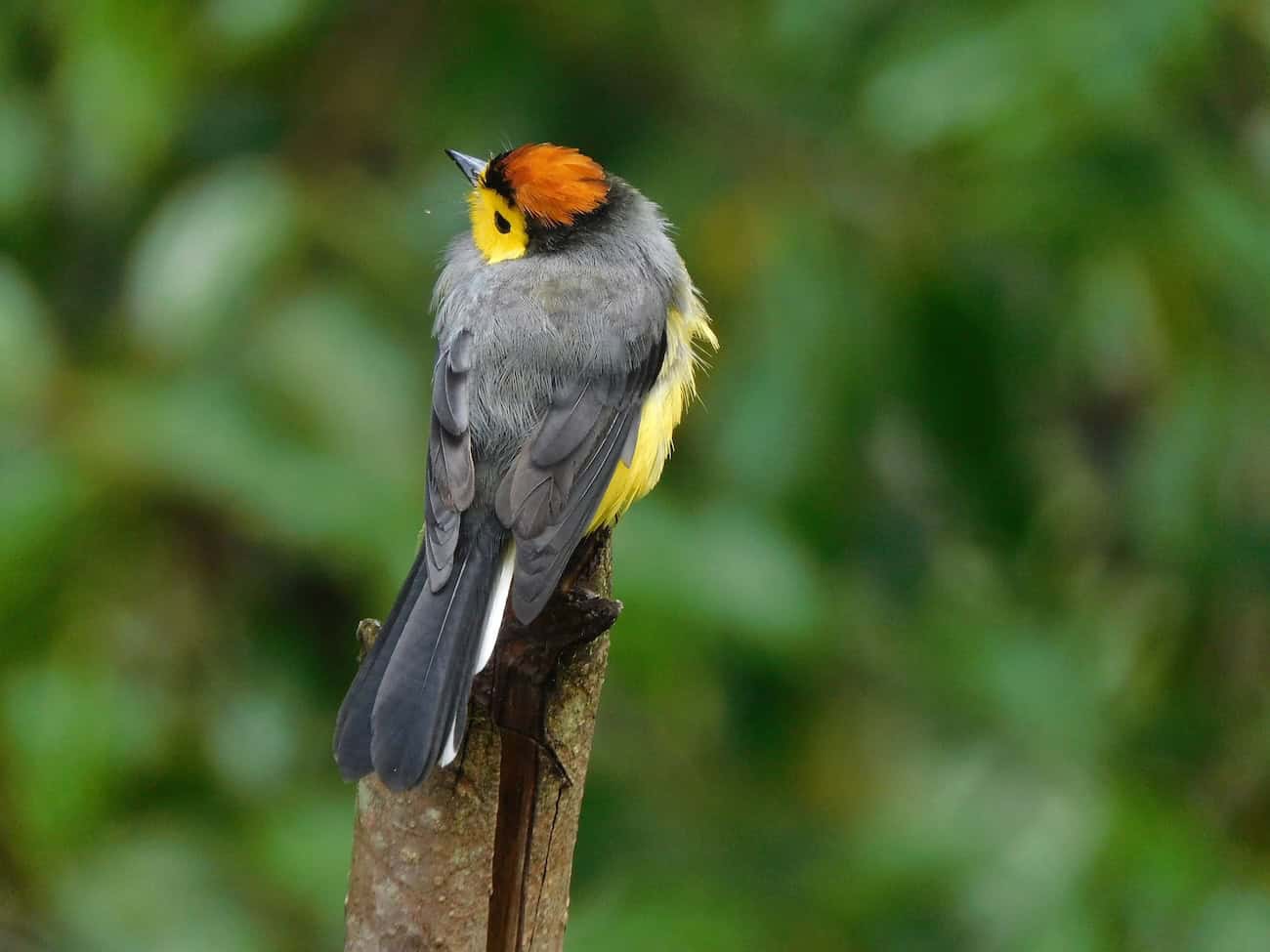
A Collared Whitestart shows off the flash of color that makes it one of Costa Rica’s most photographed cloud forest birds: a rust-orange crown, a yellow mask, and a tail tipped in white. Photo by Ernesto Ocampo.
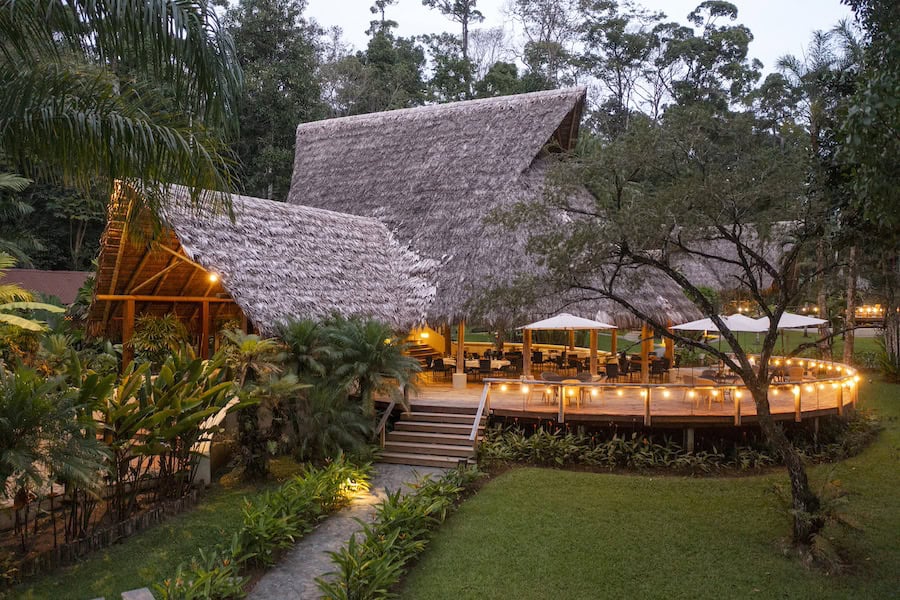
Bosque del Cabo Rainforest Lodge at the tip of Costa Rica’s Osa Peninsula
That same thoughtfulness continued throughout the journey, with each lodge and activity selected around the family’s interests, pace, and comfort.
Amber described the family as divided into “two camps”: the “nature nerds” who wanted to spend every possible moment on a trail, and family members who loved being surrounded by nature but did not necessarily want to join every outing.
That difference could easily become a challenge on a wildlife-focused family trip. Instead, it became part of the design.
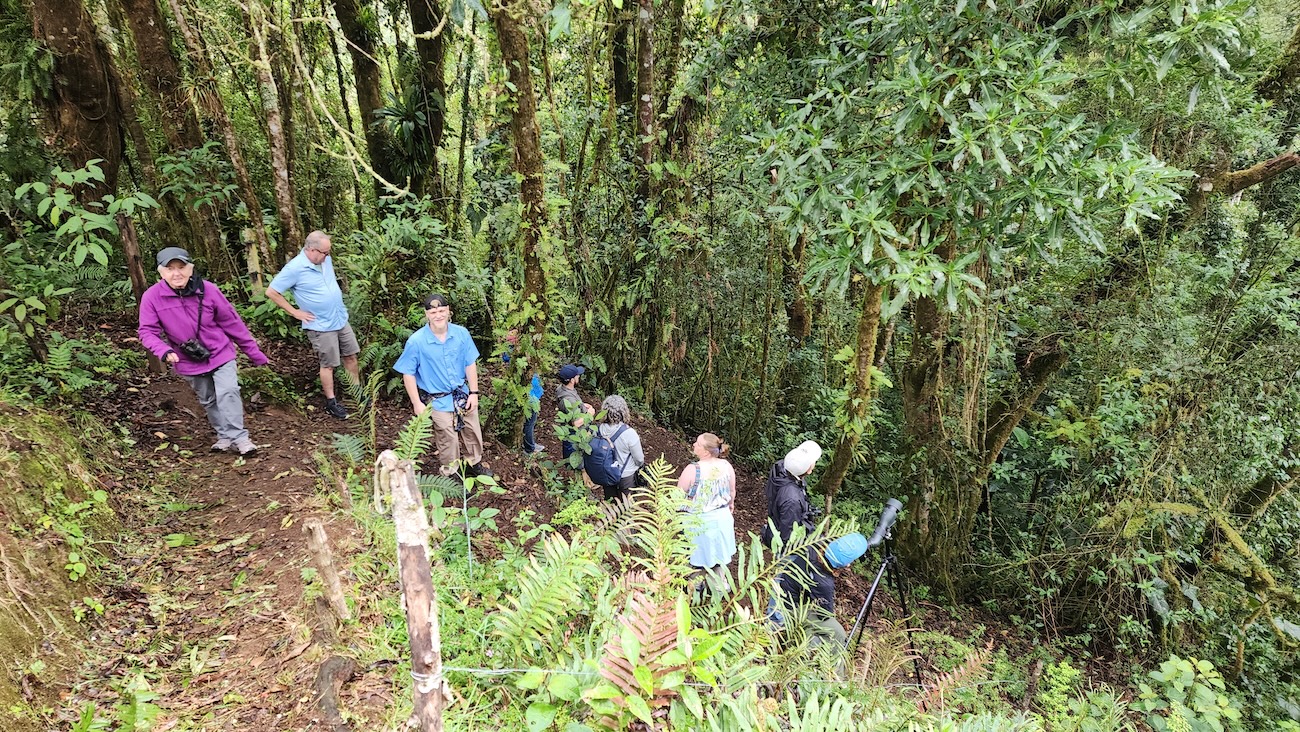
The Johnson family explores tropical forests on a naturalist-led wildlife walk, looking for the birds, mammals, insects, and other species that make this ecosystem so remarkably diverse. Photo by Ernesto Ocampo.
Ernesto built each day around multiple possibilities, giving family members the freedom to choose between outings or simply enjoy time at their accommodations. “The agenda he proposed every day fit these preferences perfectly,” Amber says, with “2-4 outing options daily to choose from, and/or hang back and enjoy the resort grounds and amenities.”
-
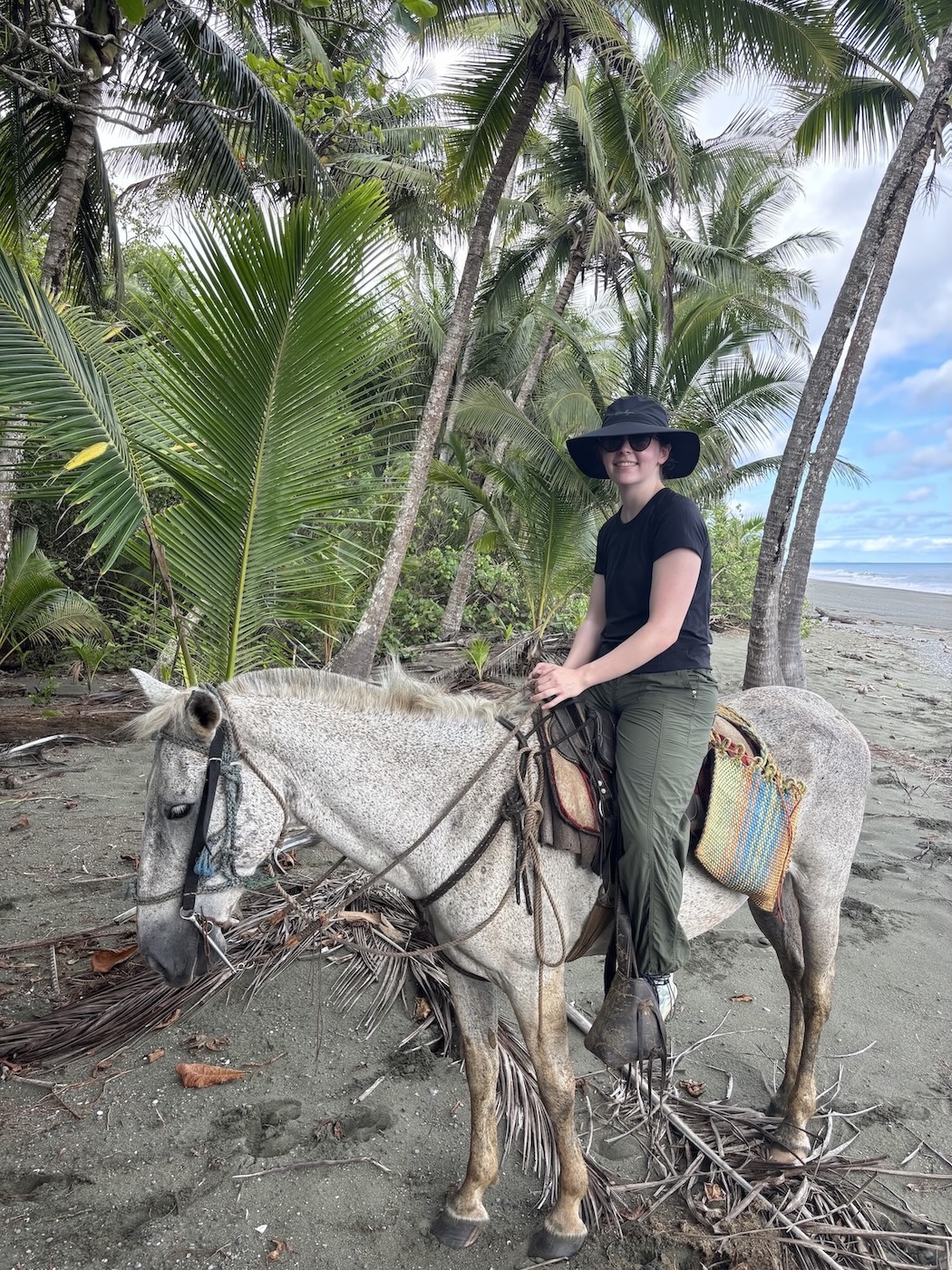
- Riding horseback on the beach. Photo by Conner Cooper.
-
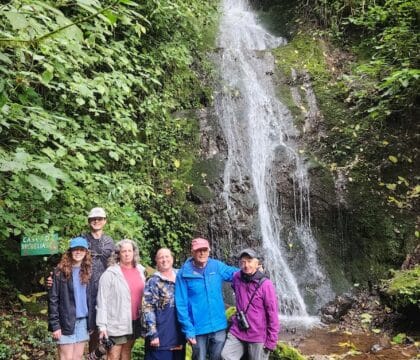
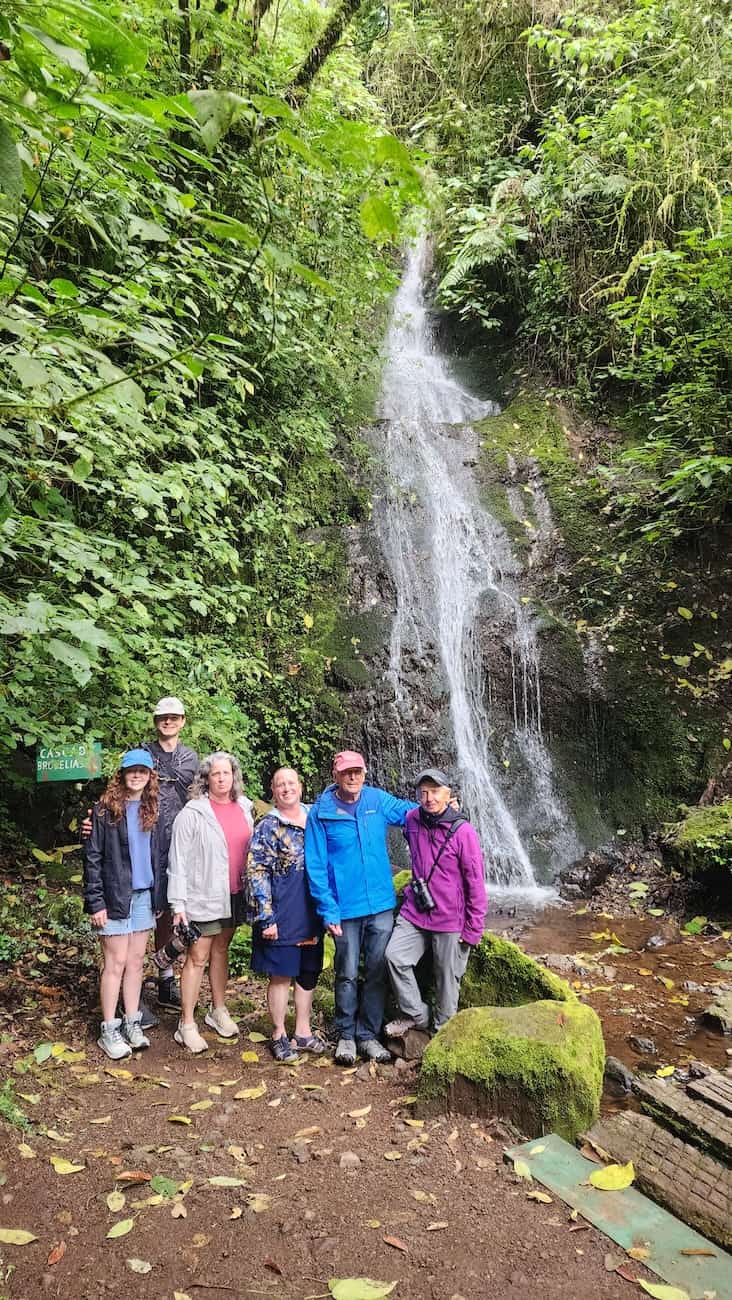
- Cascada Bromelias waterfall tucked into the cloud forest. Photo by Ernesto Ocampo.
It meant that one person could go looking for birds while another chose a horseback ride, a nature walk, or a slower afternoon at the lodge.
Amber joined nearly every naturalist-led outing during the trip, missing just one when a troop of capuchin monkeys had taken over the bridge and made the crossing impossible.
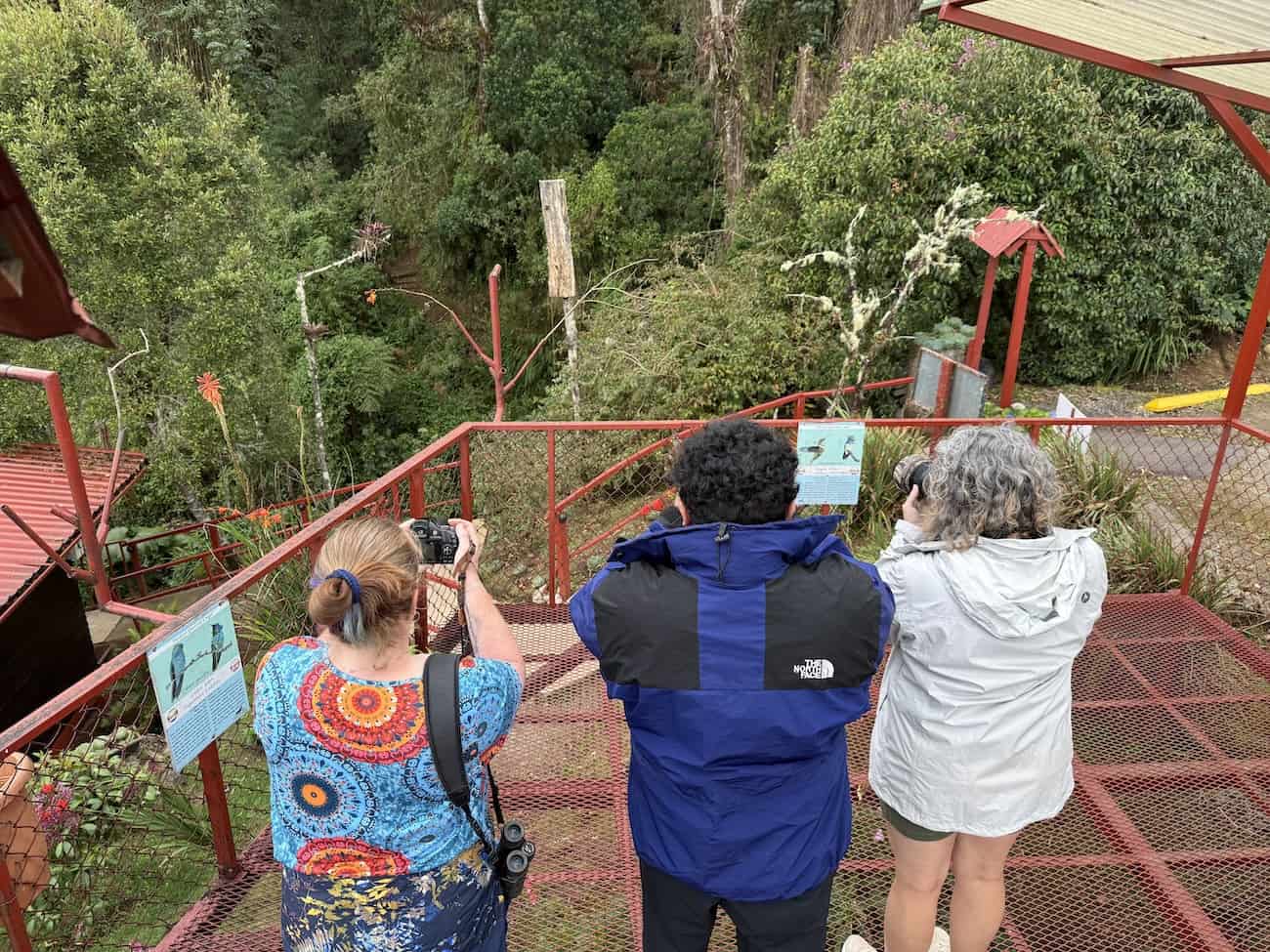
Ernesto, Amber, and Mica photographing wildlife
A Naturalist’s Pace
Amber is already an experienced observer. Her iNaturalist account reflects years of photographing and identifying biodiversity, and she approaches travel with the curiosity of a field naturalist.
But having Ernesto alongside her changed the depth of what she could notice.
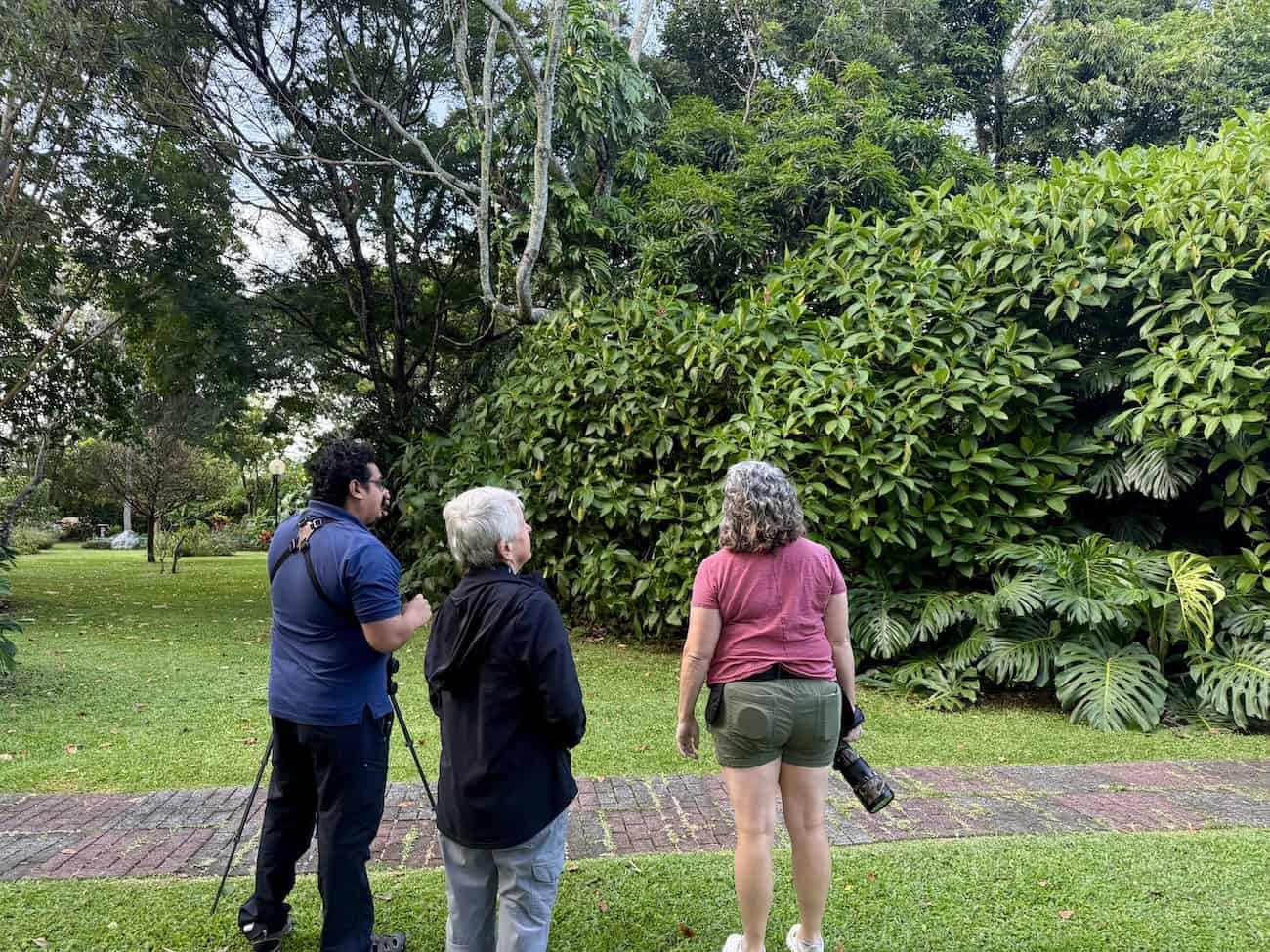
Ernesto points out movement in the canopy to Amber and Jenny, binoculars and cameras ready for whatever comes into view next. Photo by Mica Lesch.
“Ernesto led an early morning and early evening nature walk every single day,” she says, in addition to the group’s daily outings. “The guided walks were at a naturalist’s pace, which is very stop-and-go to observe all of the plants and animals, plus standing still to listen to the sounds of the rainforest and identify bird calls.”
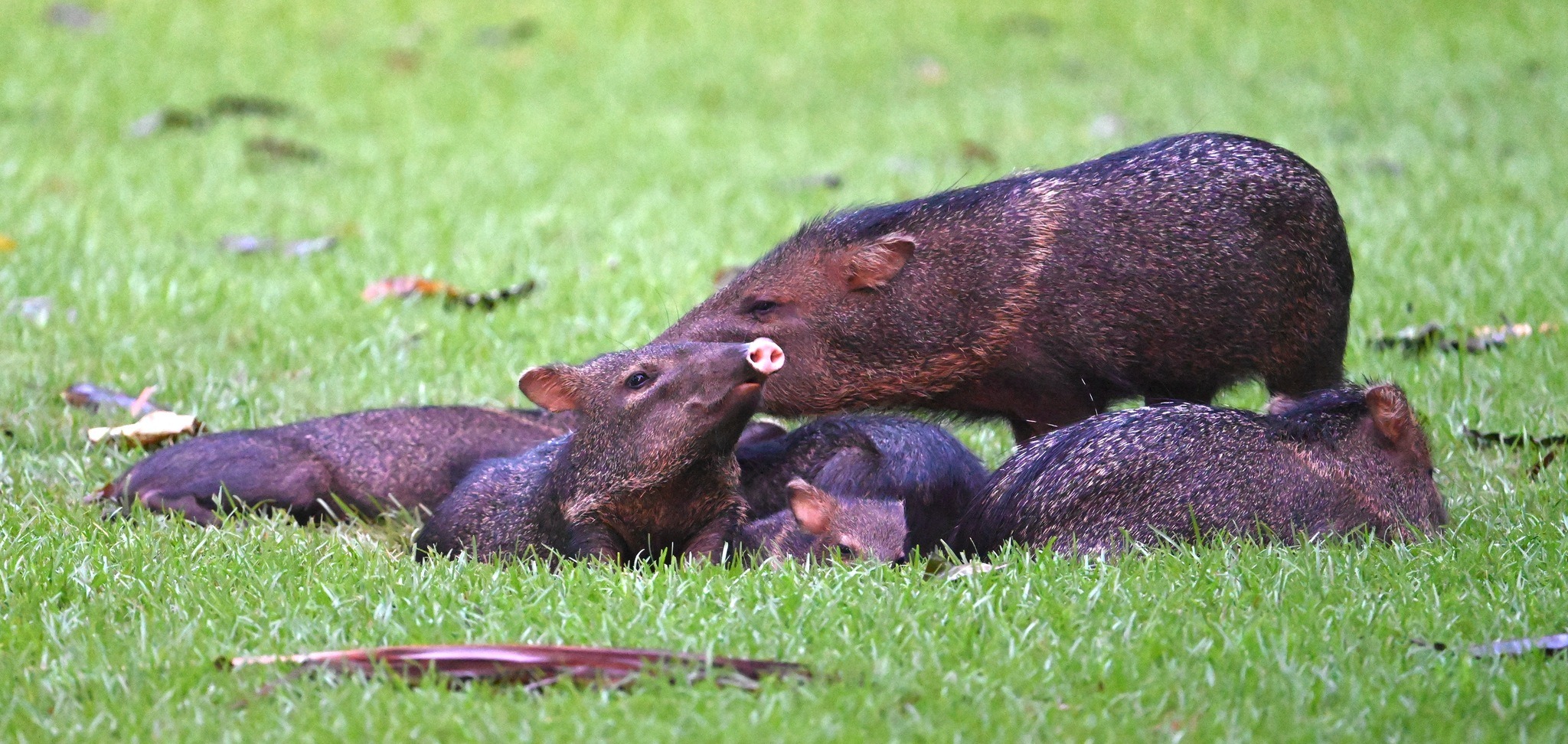
Collared peccaries in Costa Rica’s Puntarenas province. The mother was waking up the young ones in the sweetest way. Photo by Amber King.
A rainforest can look overwhelmingly green when viewed from a trail at a normal walking speed. Slow down, however, and an entirely different landscape emerges. A single tree can become a sprawling ecosystem overflowing with life.
Amber remembers one such moment with Ernesto. Looking at a tree beside the trail, she began noticing ferns, orchids, mosses, insects, fruits, leaf litter, and galls. Beneath one leaf, she even spotted a tiny snake.
-
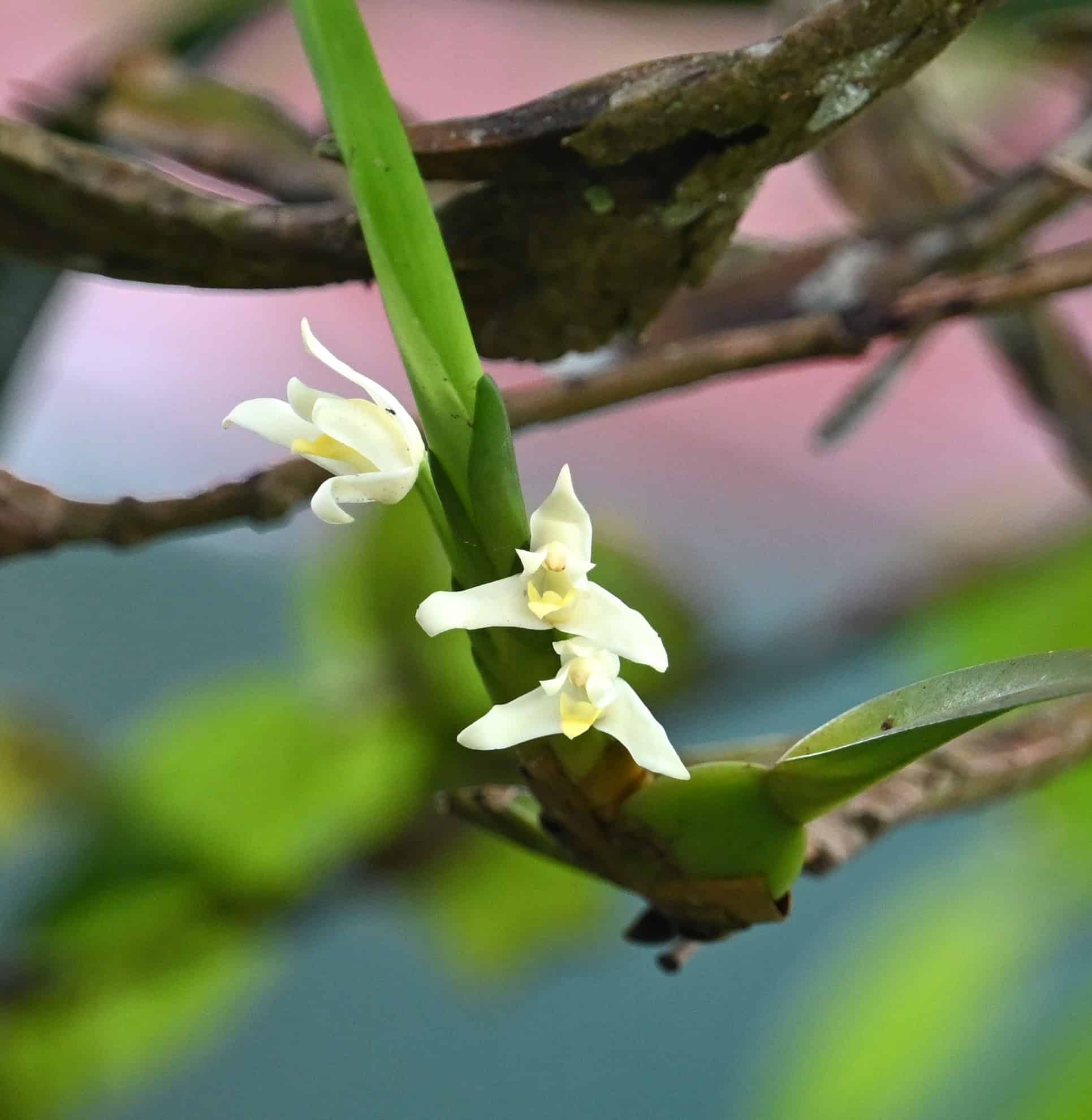
- Booth’s Nest Orchid from Alajuela Province, San Carlos, Costa Rica. Photo by Amber King
-
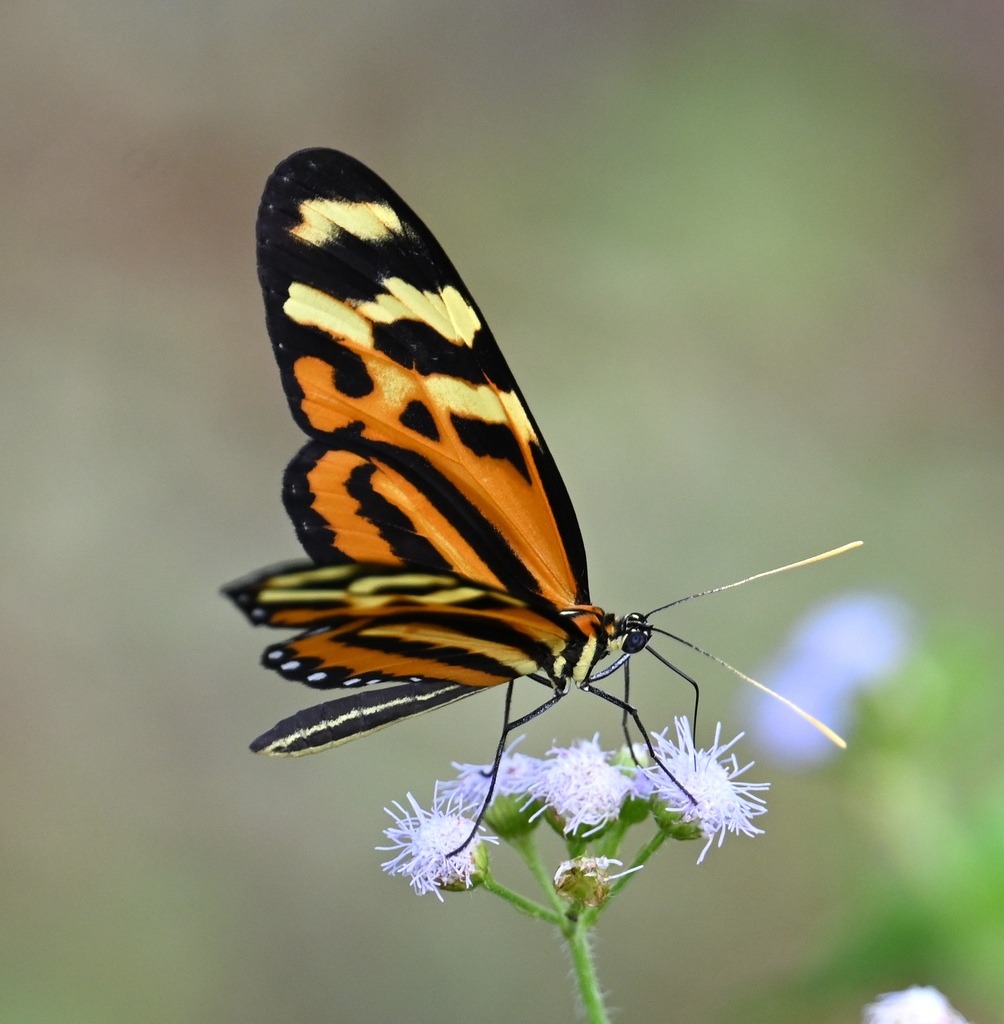
- Polymnia Tigerwing from Alajuela Province, San Carlos, Costa Rica. Photo by Amber King
-
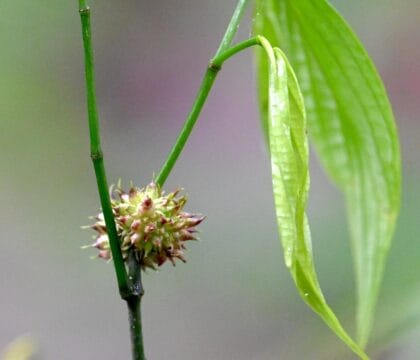
- Gall Midges from Alajuela Province, San Carlos, Costa Rica. Photo by Amber King
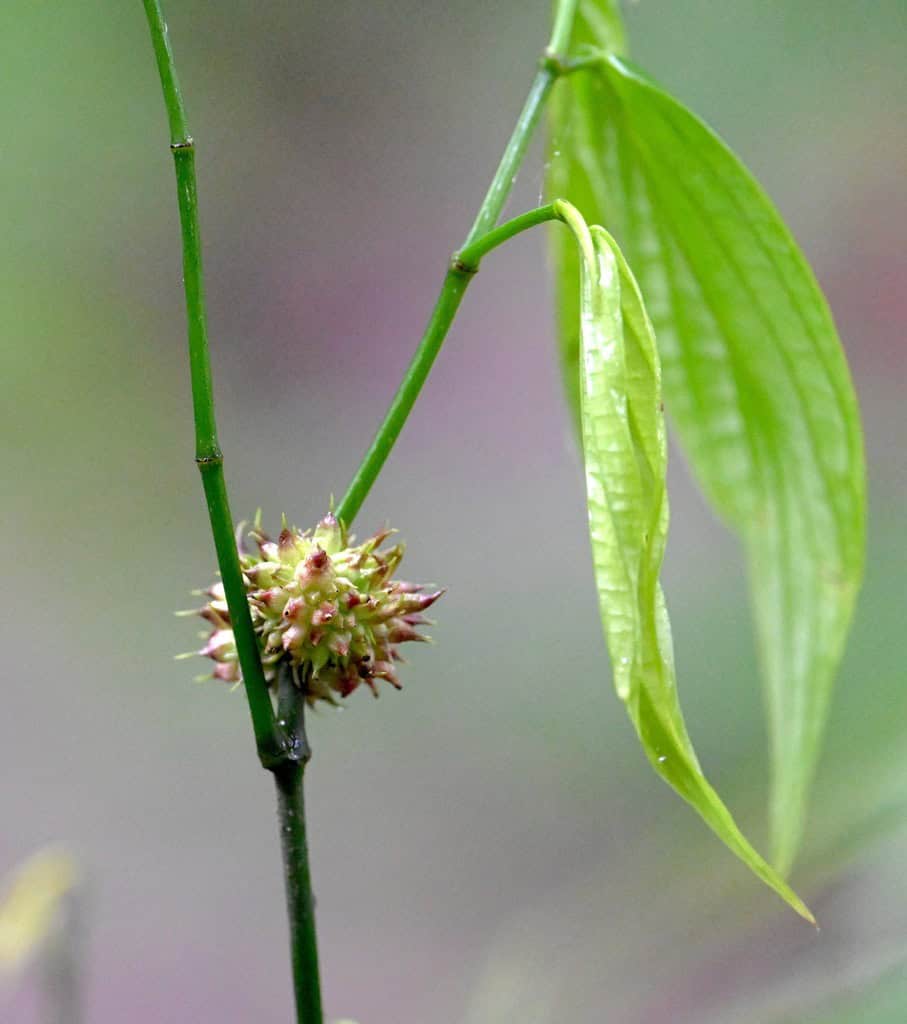
“So many interactions happening on that one rainforest tree!” she says.
“Having Ernesto as a guide was very helpful not only to learn the species of the animals and plants we encountered, but also to provide context about the ecosystem and local culture,” Amber says.
That observation captures something fundamental about naturalist-led travel. The value of an expert guide is not only knowing the names of the animals. It is knowing where to look, when to stop, what to listen for, and how one observation connects to the larger ecosystem.
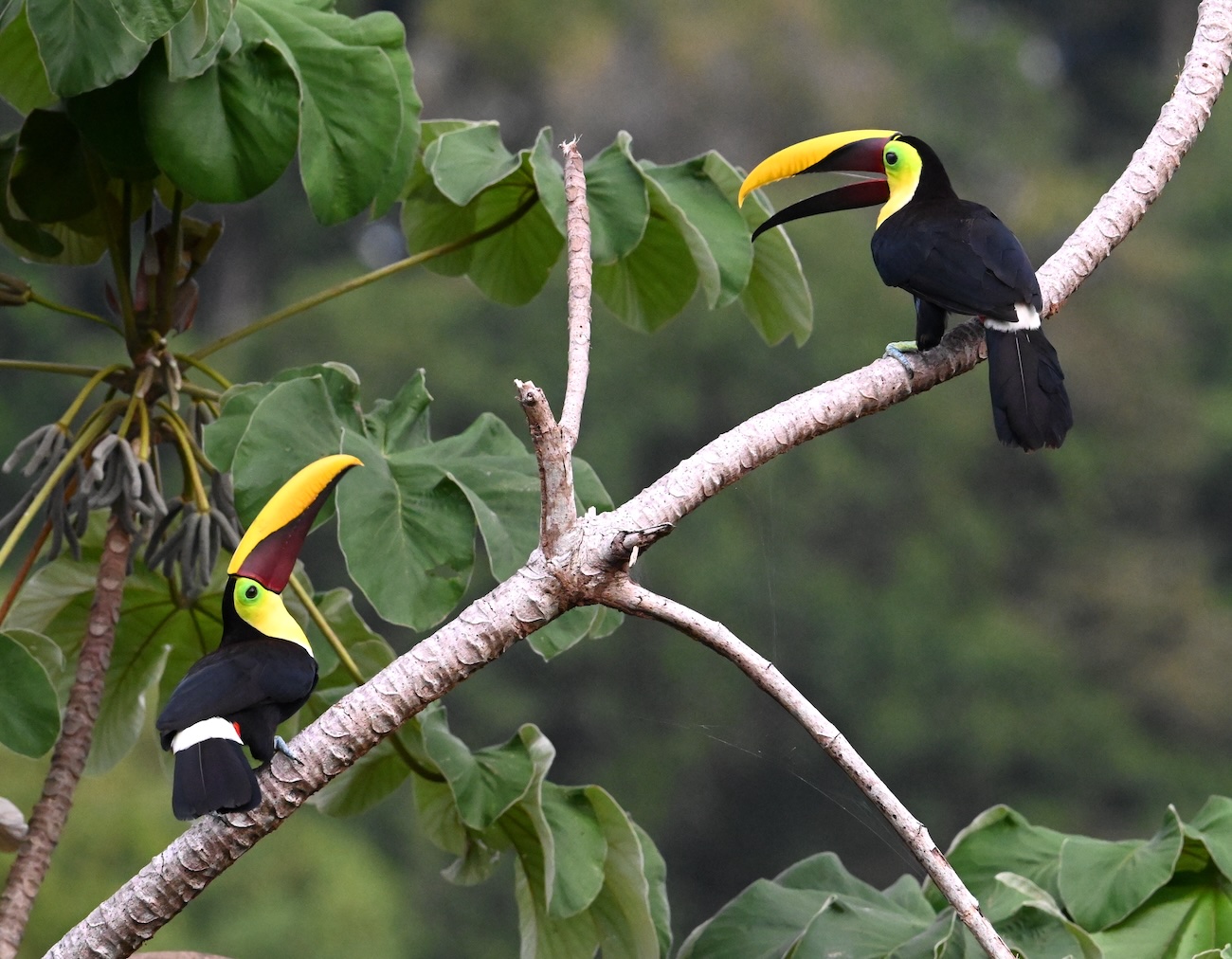
A pair of Yellow-throated Toucans. Photo by Amber King.
Costa Rica’s Osa Peninsula is particularly suited to that kind of exploration. The country’s Osa Conservation Area describes the peninsula as an area of exceptional ecological richness with significant scientific value, protecting tropical rainforest alongside beaches, wetlands, reefs, and other terrestrial and marine habitats. “The rainforests in Cabo Matapalo … felt particularly rich in biodiversity,” she says.
-
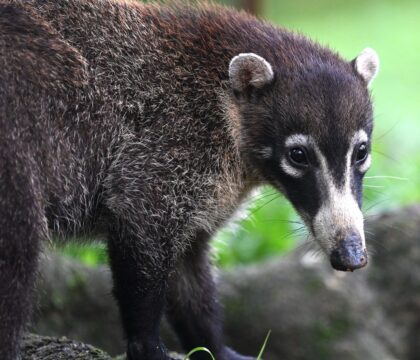
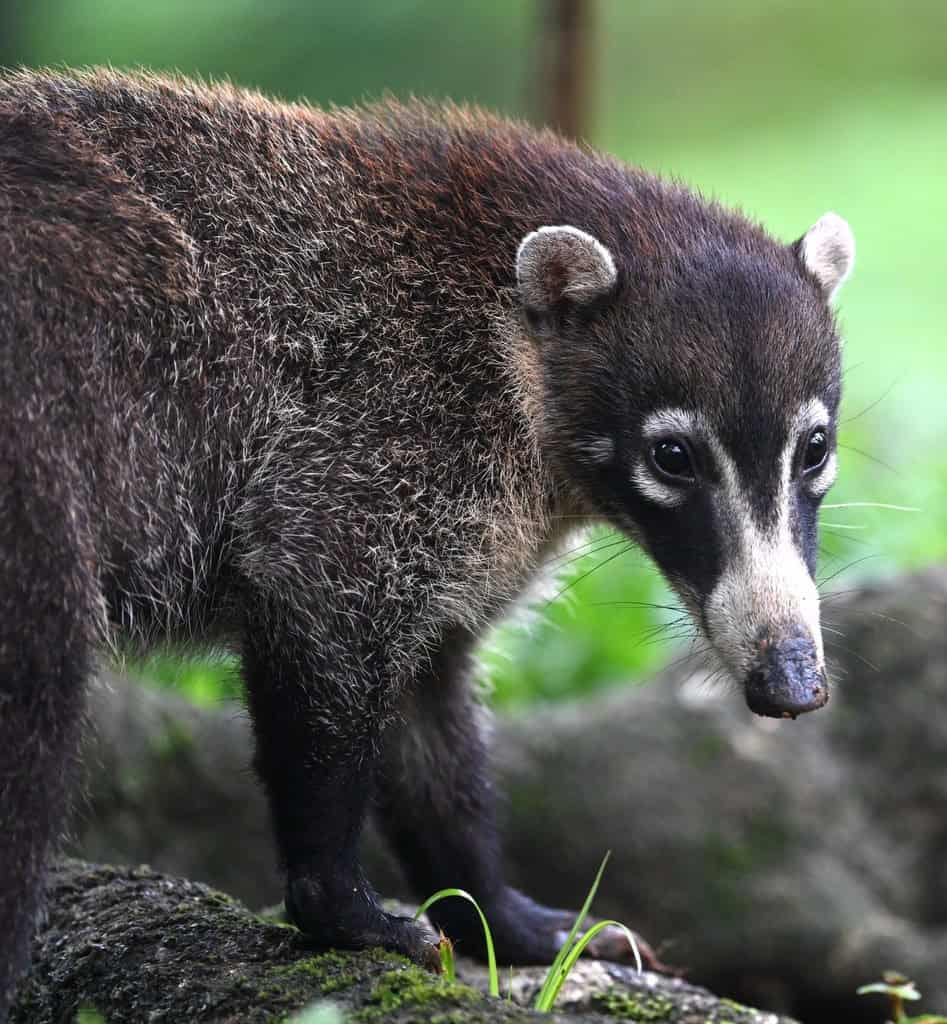
- White nose coati. Photo by Amber King.
-
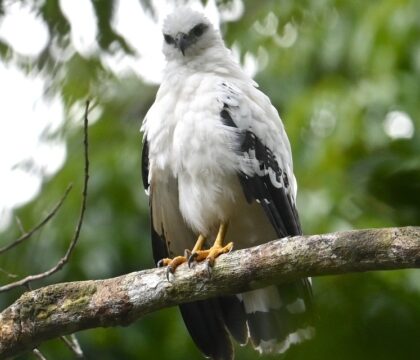
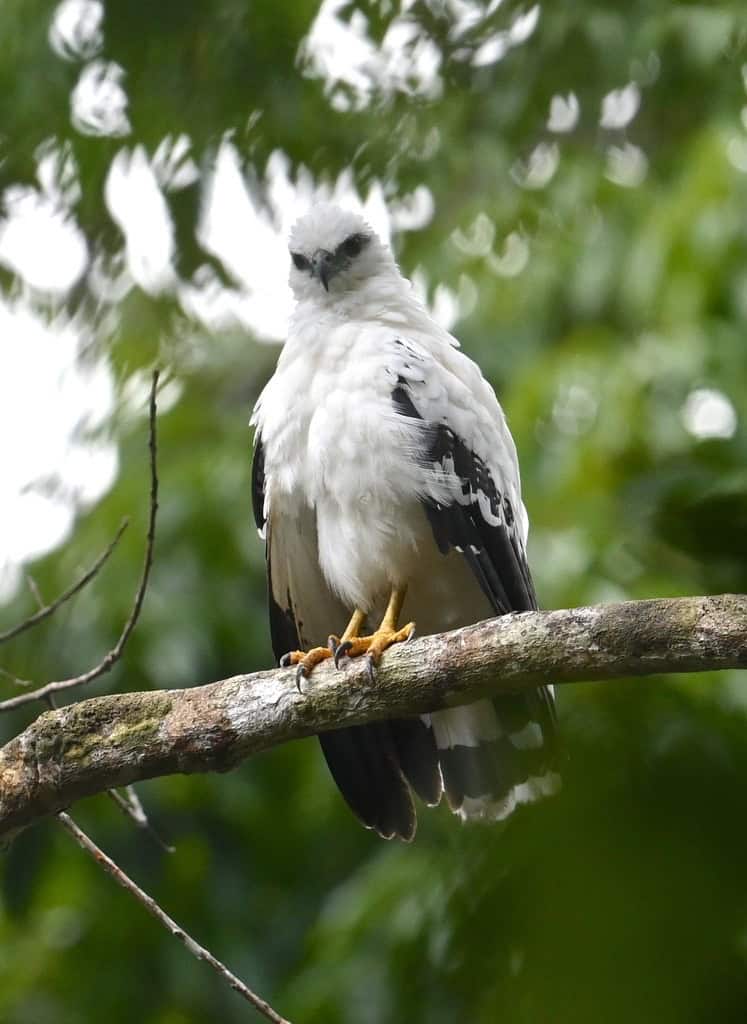
- White hawk from Provincia de Puntarenas, Puerto Jiménez. Photo by Amber King.
-
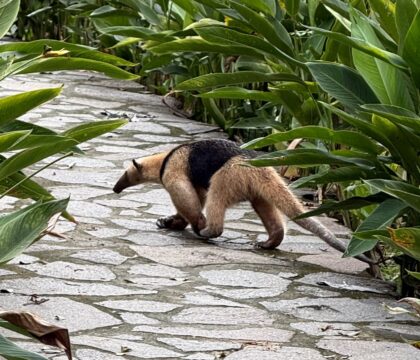
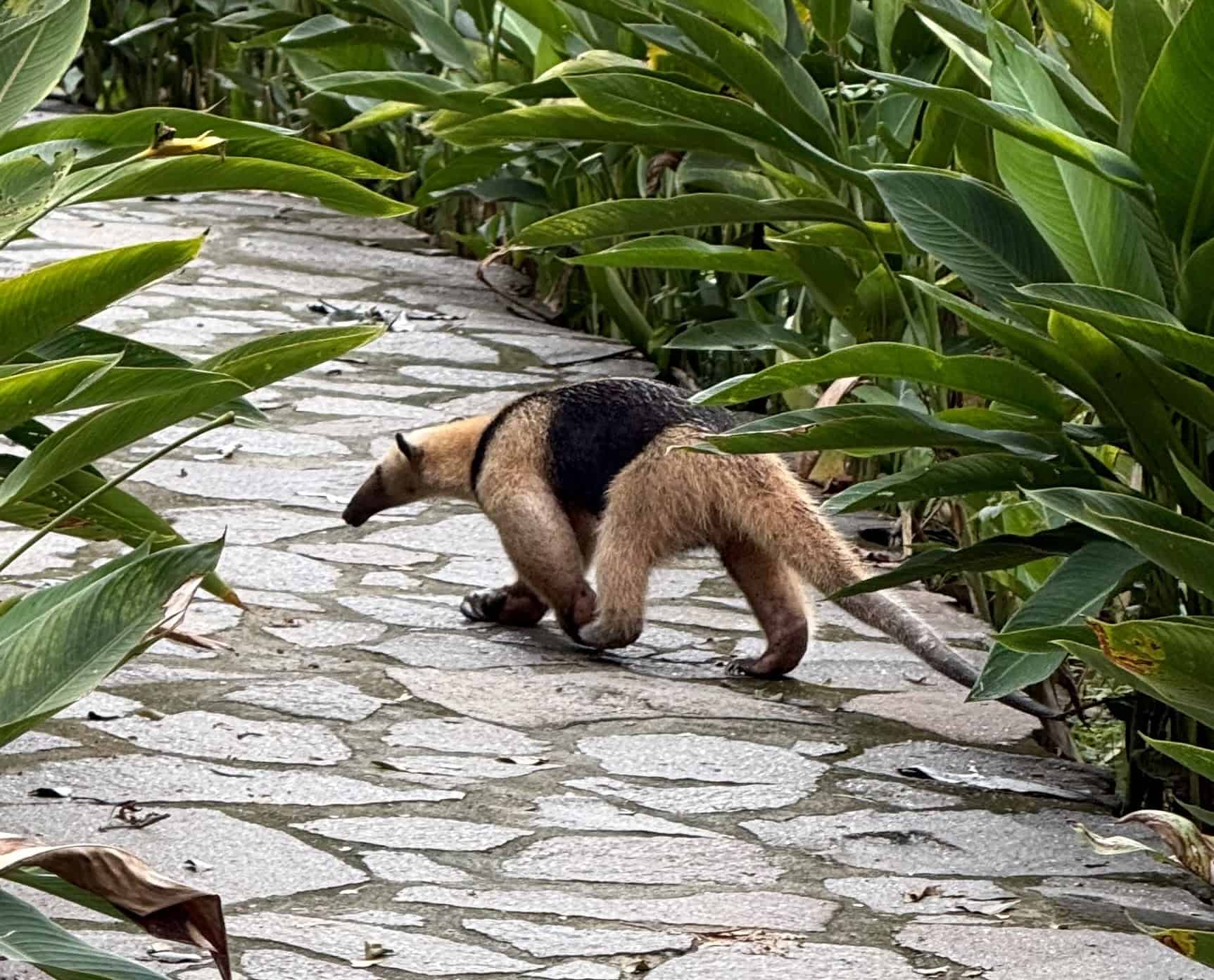
- Northern tamandua anteater. Photo by Mica Lesch
473 Species Documented in 13 Days
By the end of the journey, Amber had posted observations of 473 species.
Amber is particularly fascinated by insects, and roughly half of her species total came from moths, butterflies, other insects, and arachnids. She even brought a portable UV light and set it up for an hour at a time near her bungalow, watching to see what would arrive at nightfall.
At night, the rainforest became a completely different place. “The grounds look so mysterious, and you feel the immense scale of the tropical vegetation,” she says.
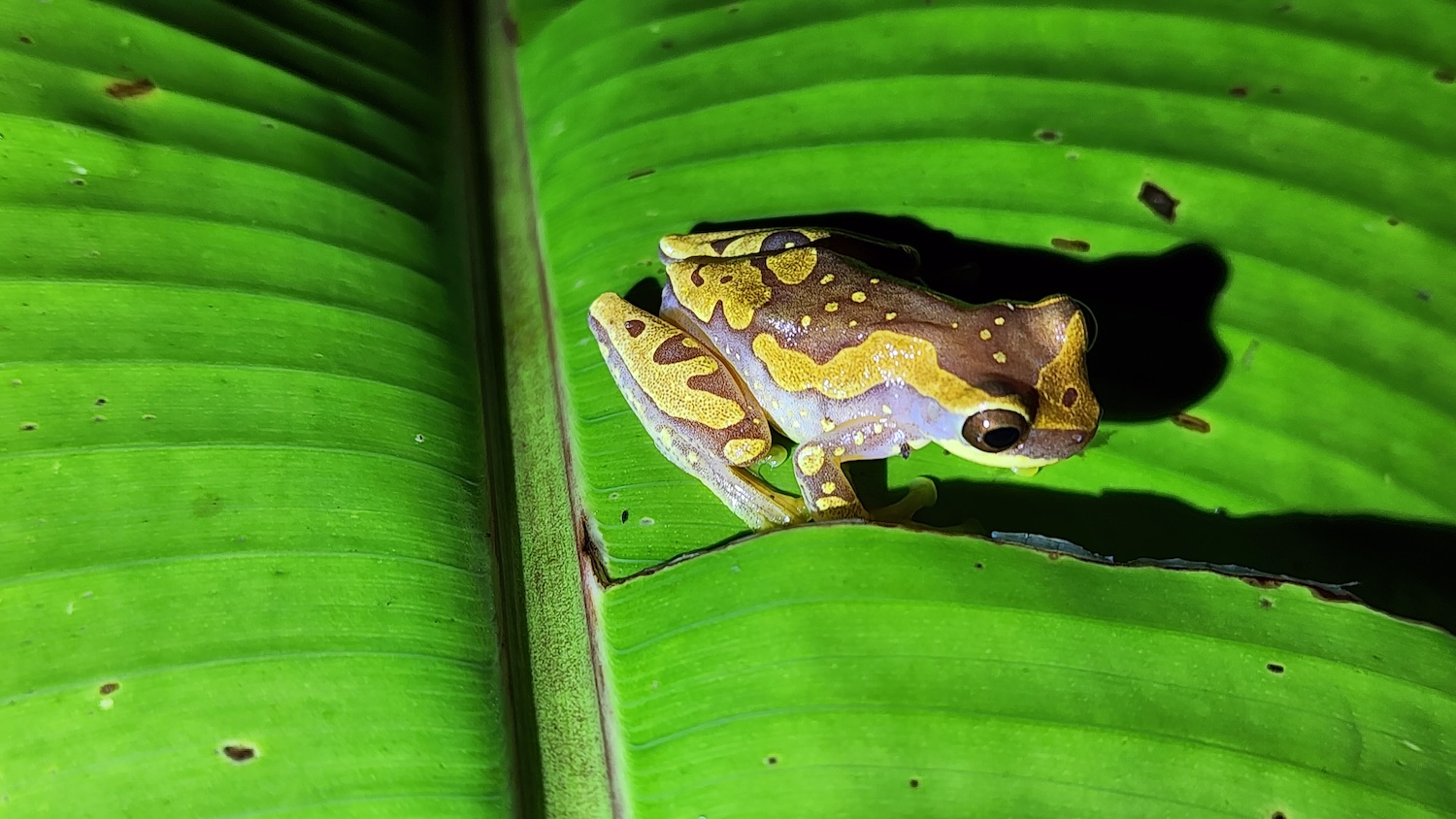
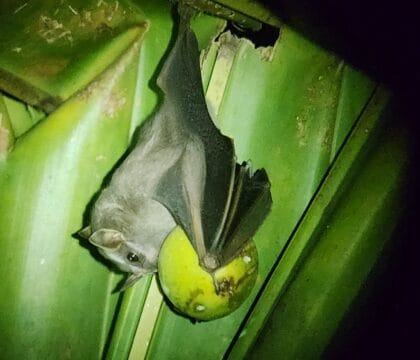
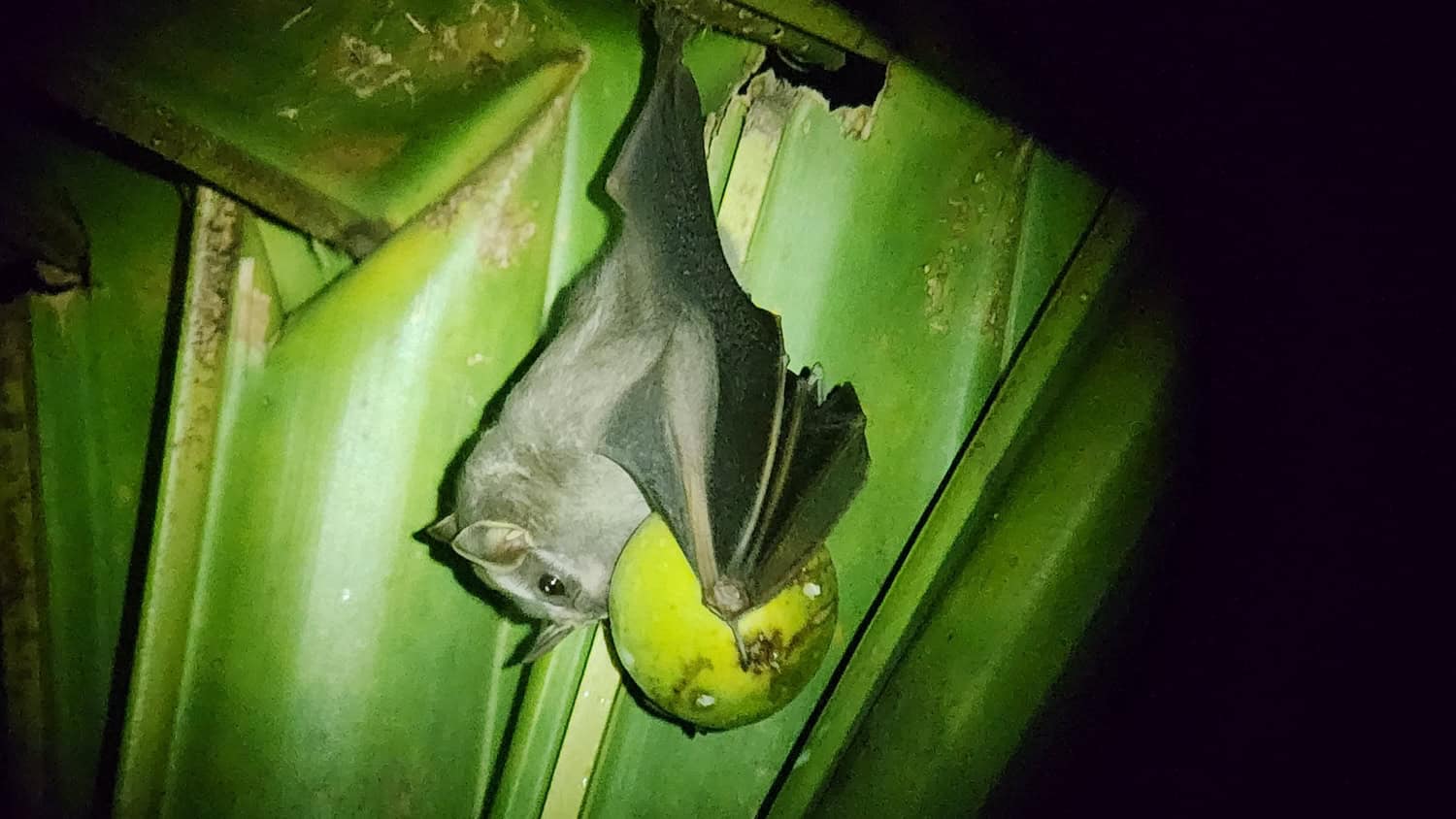
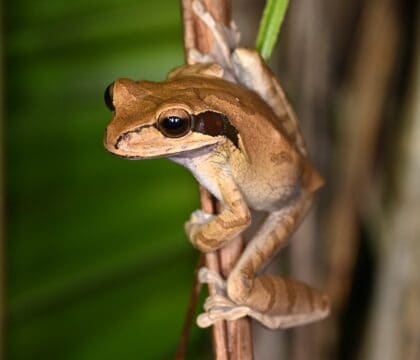
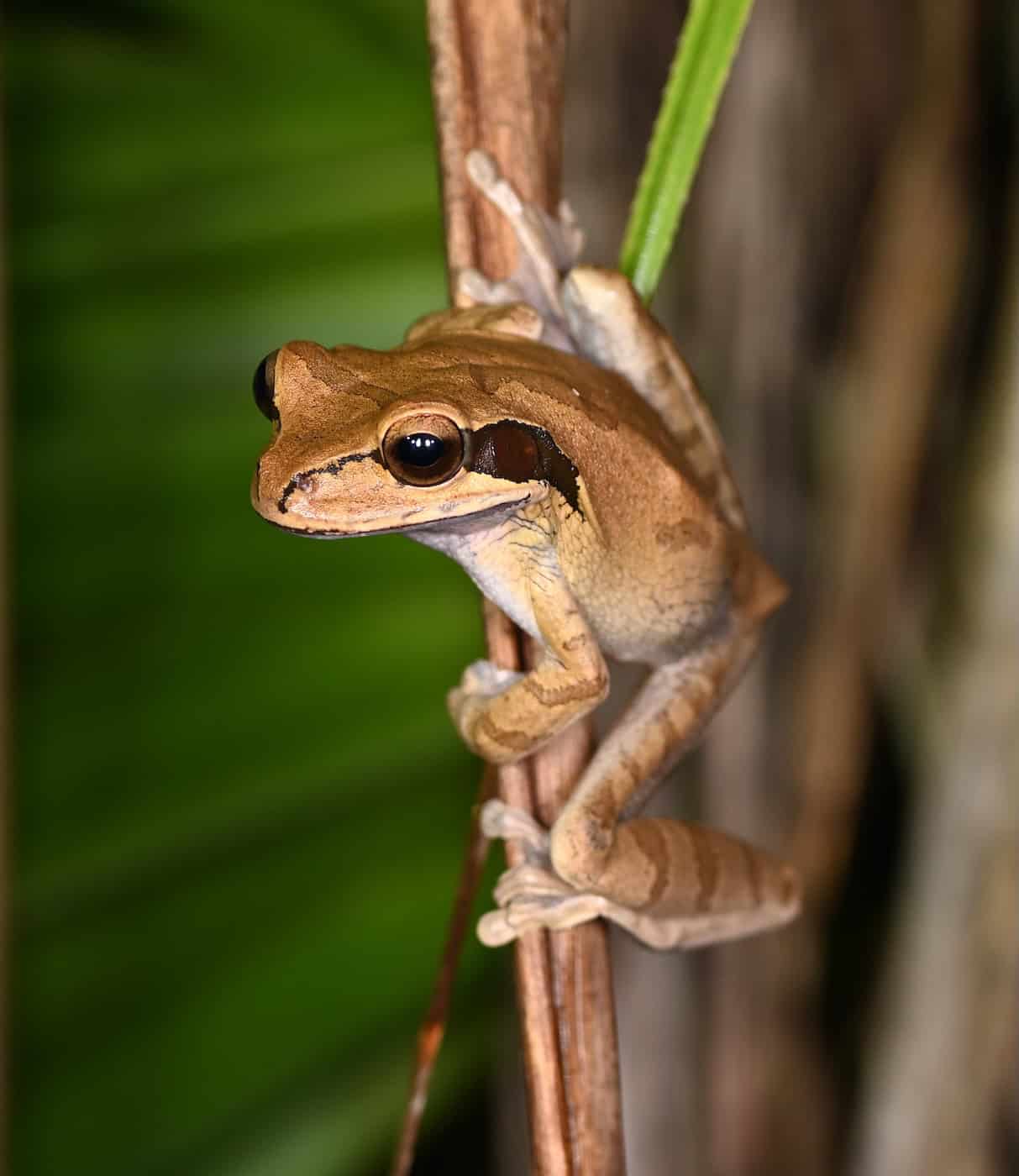
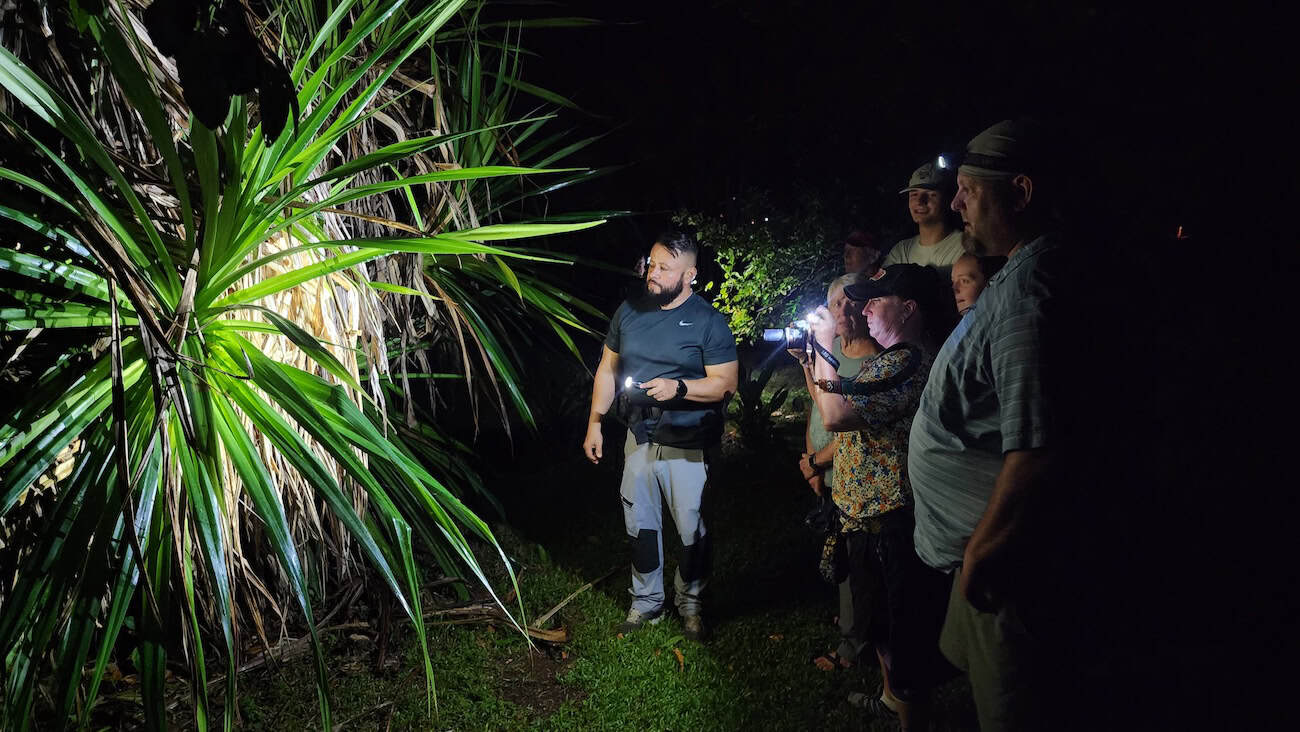
Rain fell heavily most nights during the trip, but fortunately, the family had clear weather during the two nights when local guides led dedicated night hikes. They encountered bats, frogs, toads, katydids, nightjars, and moths, while Amber photographed and documented each new find, one by one, tallying species toward her growing list.
-
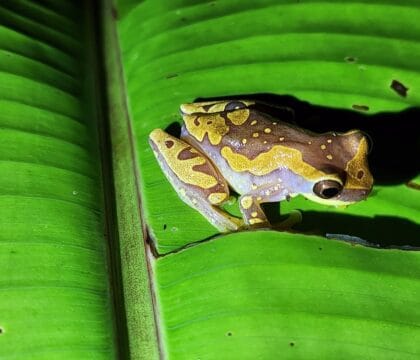
- Photo by Ernesto Ocampo
-
- Photo by Ernesto Ocampo
-
- Photo by Ernesto Ocampo
-
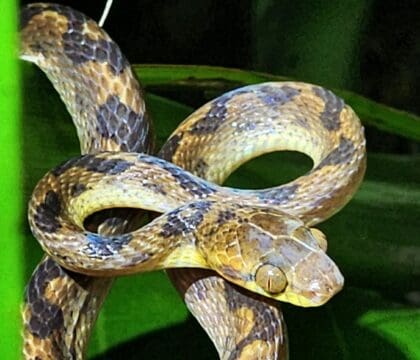
- Photo by Ernesto Ocampo
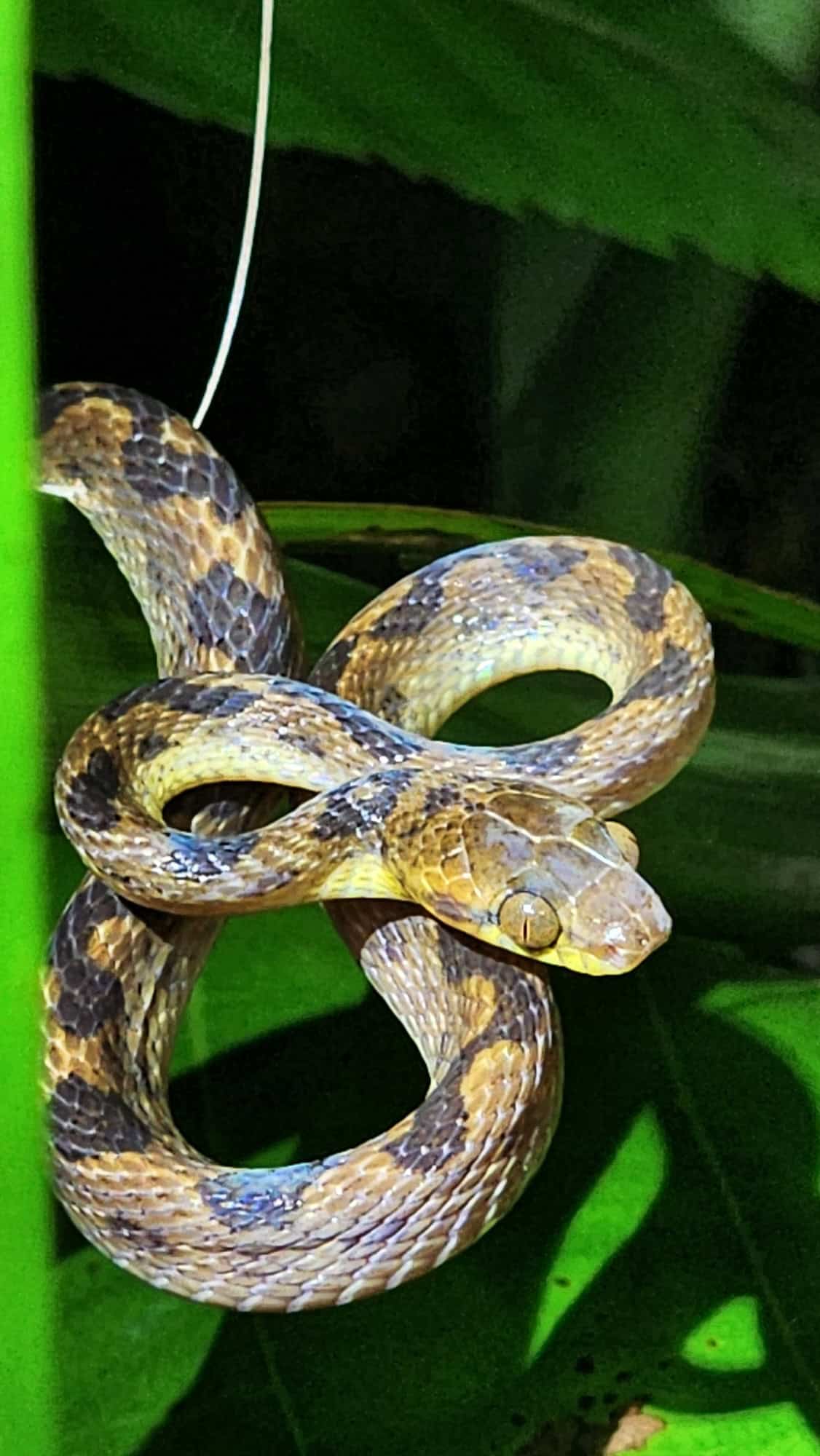
-
- Photo by Ernesto Ocampo
-
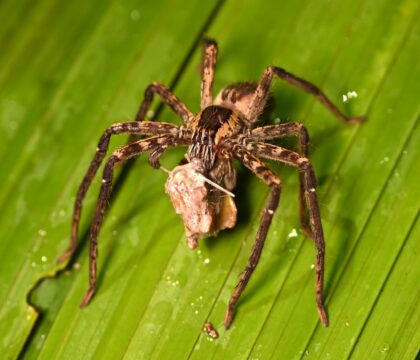
- Photo by Amber King
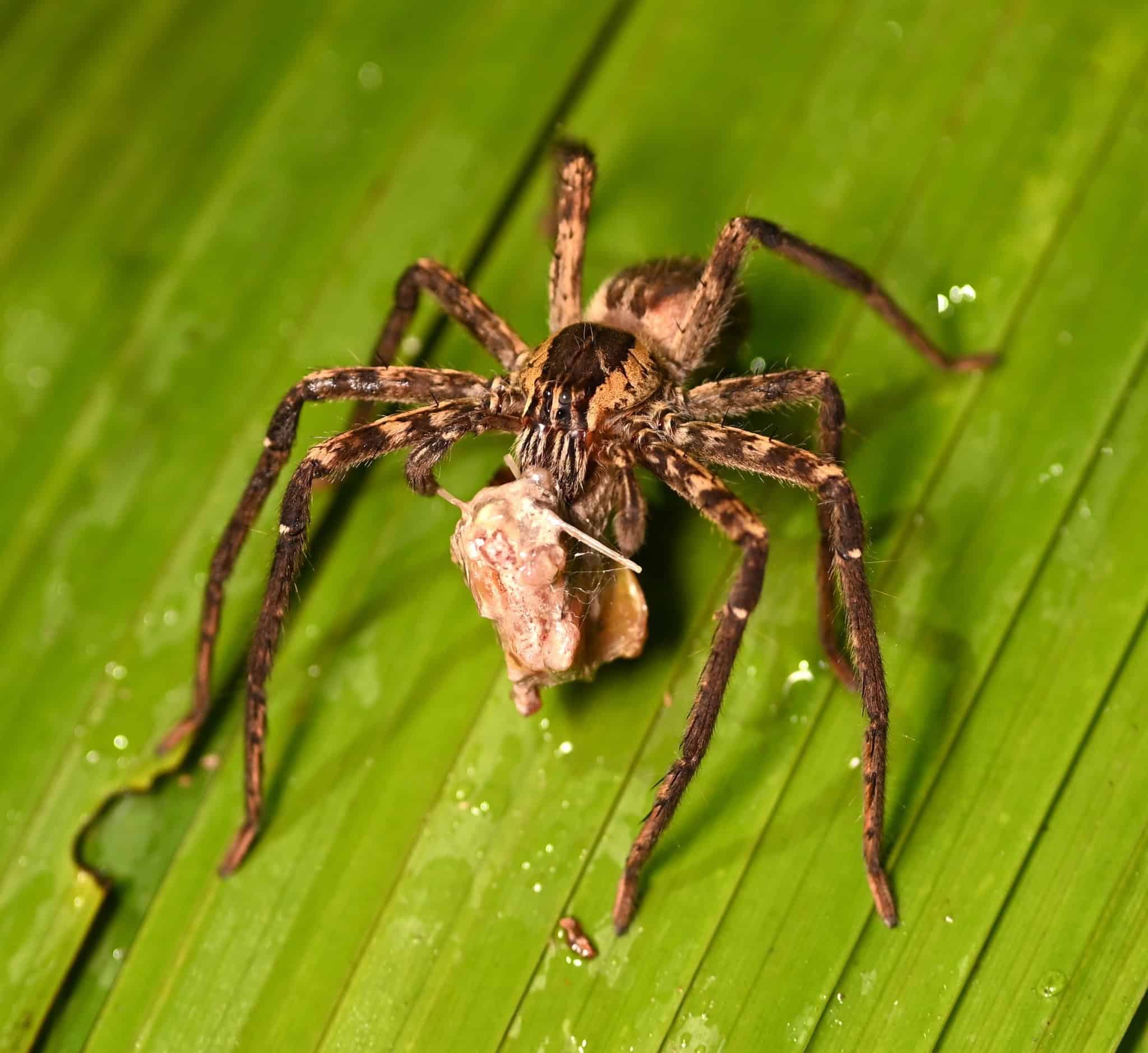
Amber had arrived in Costa Rica with a personal wish list of about a dozen birds, moths, and mammals.
One was the White-collared Manakin, a small forest bird that can be notoriously difficult to spot in the dense understory. Ernesto heard one before Amber could see it and instructed her to listen for a snapping sound.
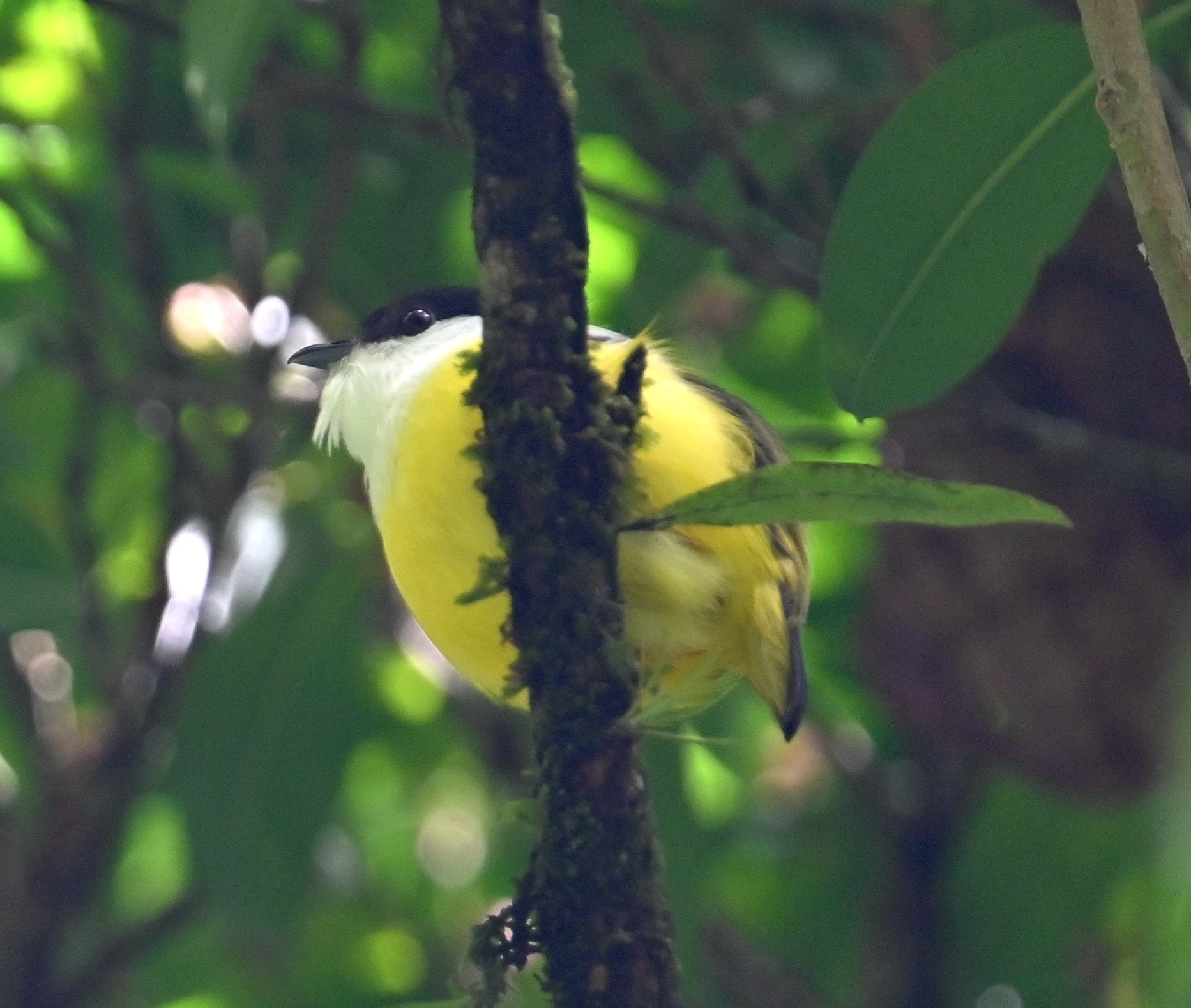
White-collared Manakin from Alajuela Province, San Carlos, Costa Rica. Photo by Amber King.
“When I heard it, it sounded exactly like electricity zapping from a plasma globe!” she recalls.
Eventually, they caught a glimpse of the bird moving through the trees. “I’ll never forget it!”
Some sightings were easier to come by than others. At Bosque del Cabo, the family heard reports that a tapir had recently been visiting a hidden pond.
“We tiptoed out to a hidden pond at least 4 times in hopes of spotting the Tapir rumored to be visiting at Bosque del Cabo recently, but no luck this time,” Amber says.
The mammal remained elusive, but staff had also reported sightings of a tayra, a large and secretive member of the weasel family. This time, the family got lucky, seeing both a male and a female.
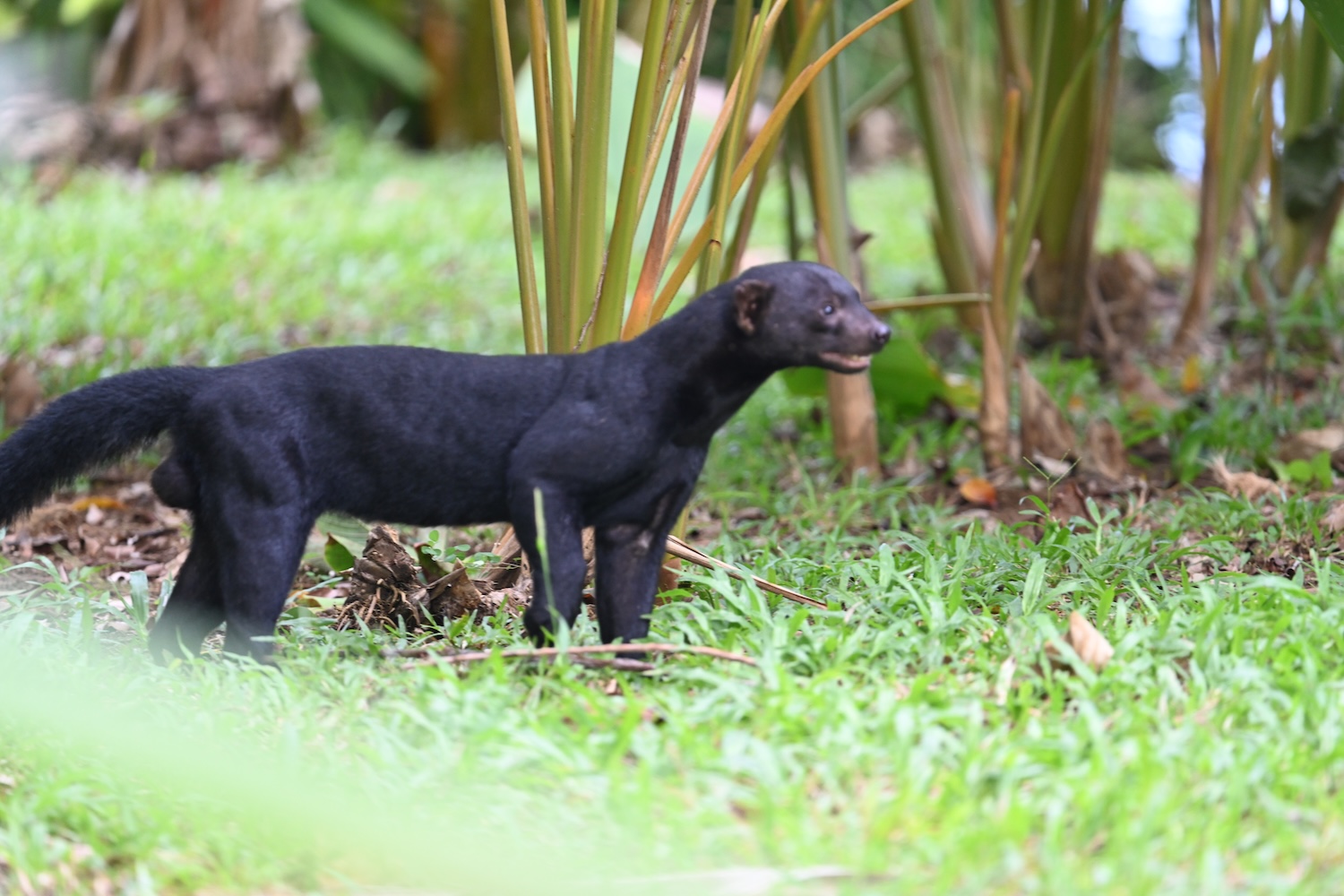
A curious tayra on the move, stopping at regular intervals to climb partway up trees before continuing on. Whether it was searching for something or marking territory, we could only watch and wonder. Photo by Amber King.
For a naturalist, that unpredictability is part of the appeal. A wish list gives a trip direction, but it is the unexpected observations that often become the stories travelers remember.
A First Photographic Record of a Live Specimen
While on the trip, several of Amber’s observations became powerful examples of how a simple photograph can contribute to scientific knowledge.
On the Osa Peninsula, she photographed an unusual moth in the genus Omiostola. Her research on iNaturalist showed that the moth had previously been documented only a handful of times in Costa Rica and Ecuador, making her observation the first she had found from the Osa Peninsula. She began examining the distribution of previous observations and wondering whether the species might be associated with a particular microclimate.
That curiosity took an even more surprising turn during a rainy night at Bosque del Cabo. Amber and her sister hung a moth sheet beneath the covered deck of Amber’s bungalow and switched on the small UV light. The moths kept coming despite the rain, but then, among them, they noticed a tiny silvery insect they could not identify.
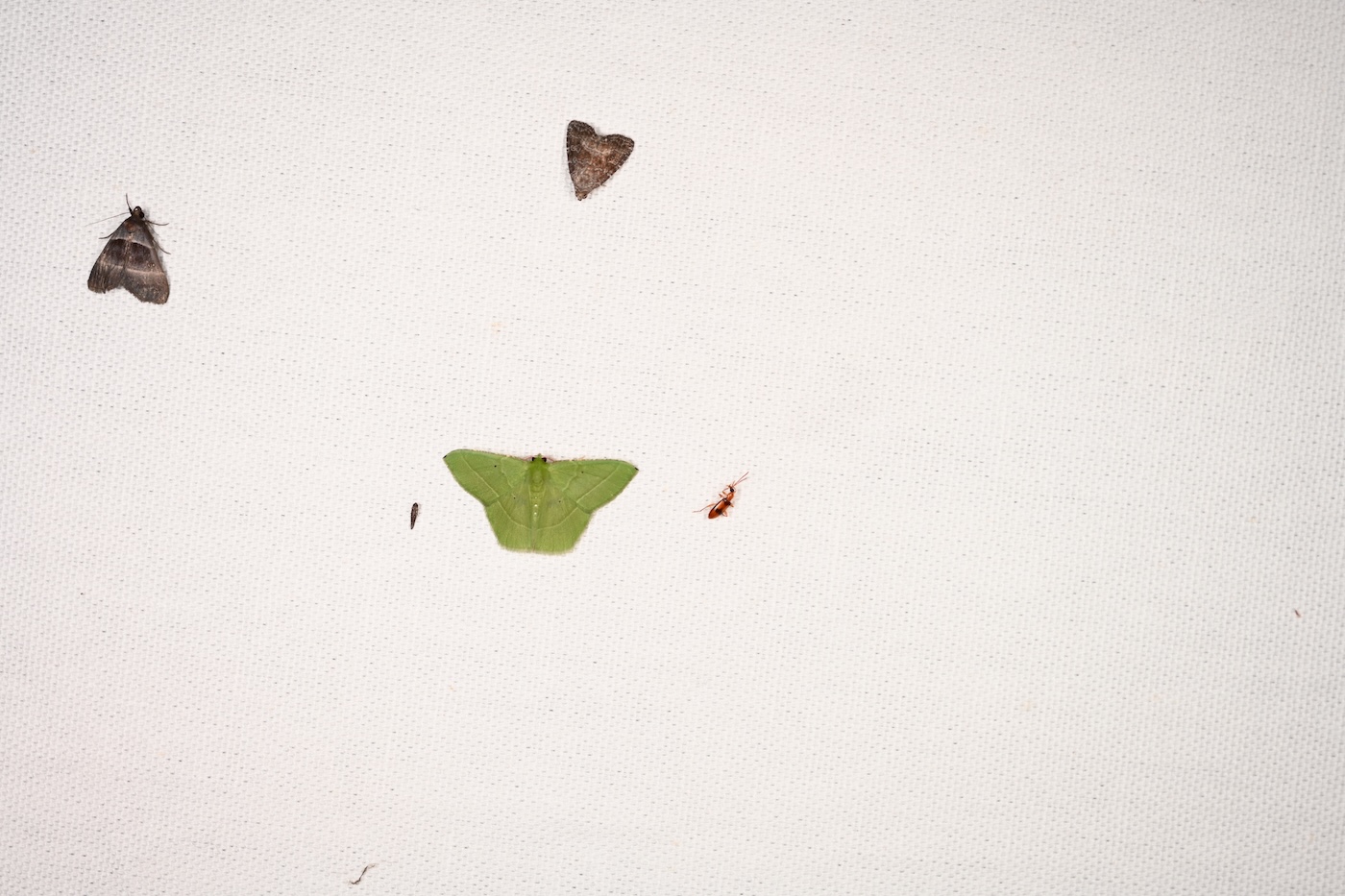
Many moths and insects were attracted to the UV light and moth net hung by Amber and her sister. Photo by Amber King.
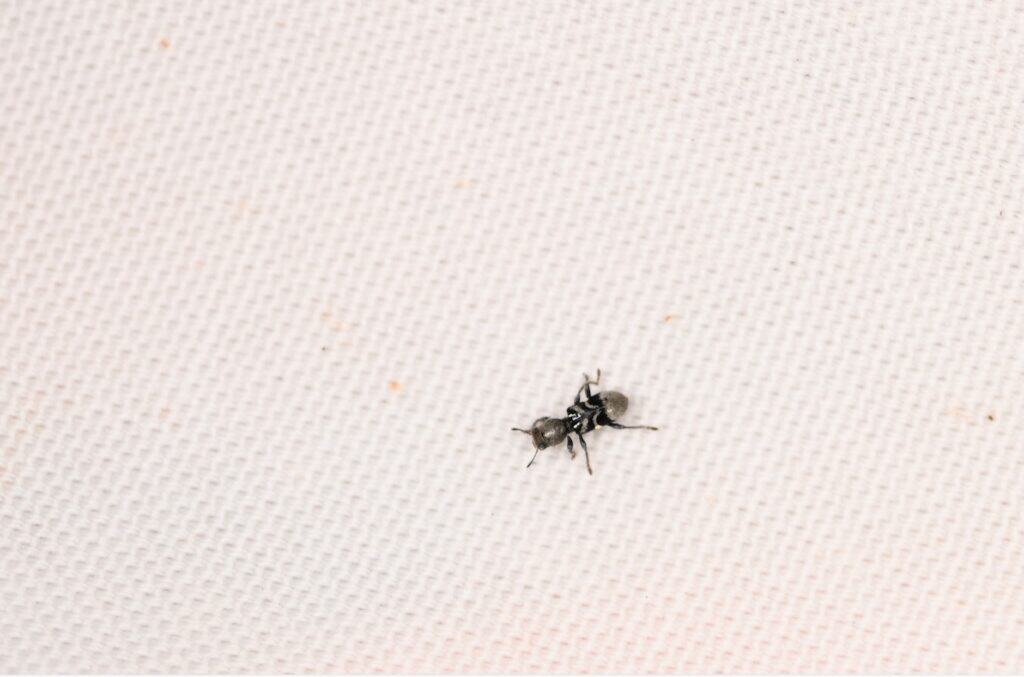
She photographed it, posted the observation to iNaturalist, and waited. Nearly two weeks later, an entomologist spotted the observation and connected it with a specialist in checkered beetles. The insect was ultimately identified as Enoclerus cinereus, a species Amber had not expected to encounter.
Her photographs were subsequently recognized as the first known photographs of a live specimen!
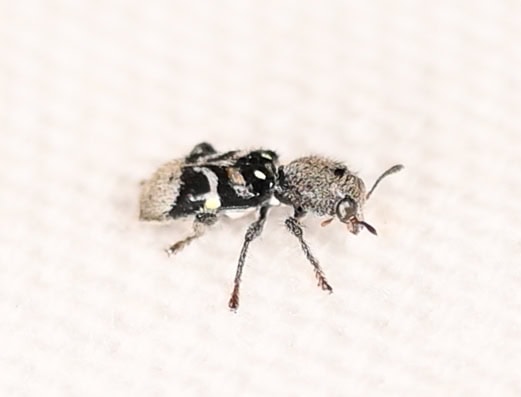
Enoclerus cinereus from Puntarenas province, Costa Rica on July 21, 2026. Photo by Amber King.
“It was so thrilling to learn that a fun hobby during a family trip to Costa Rica could also ‘rediscover’ a rare rainforest beetle and contribute valuable biodiversity data.”
A Family Trip to Remember
One of Amber’s strongest impressions had less to do with any single species and more to do with the way Costa Rica’s wildlife was integrated into the places they visited.
“It was inspirational to hear about how the entire country of Costa Rica prioritizes the conservation of wildlife,” she says. “The destinations we visited balanced land use and wildlife habitat well.”
“I felt like we could view the wildlife without feeling like we were exploiting them or hurting their habitat.”
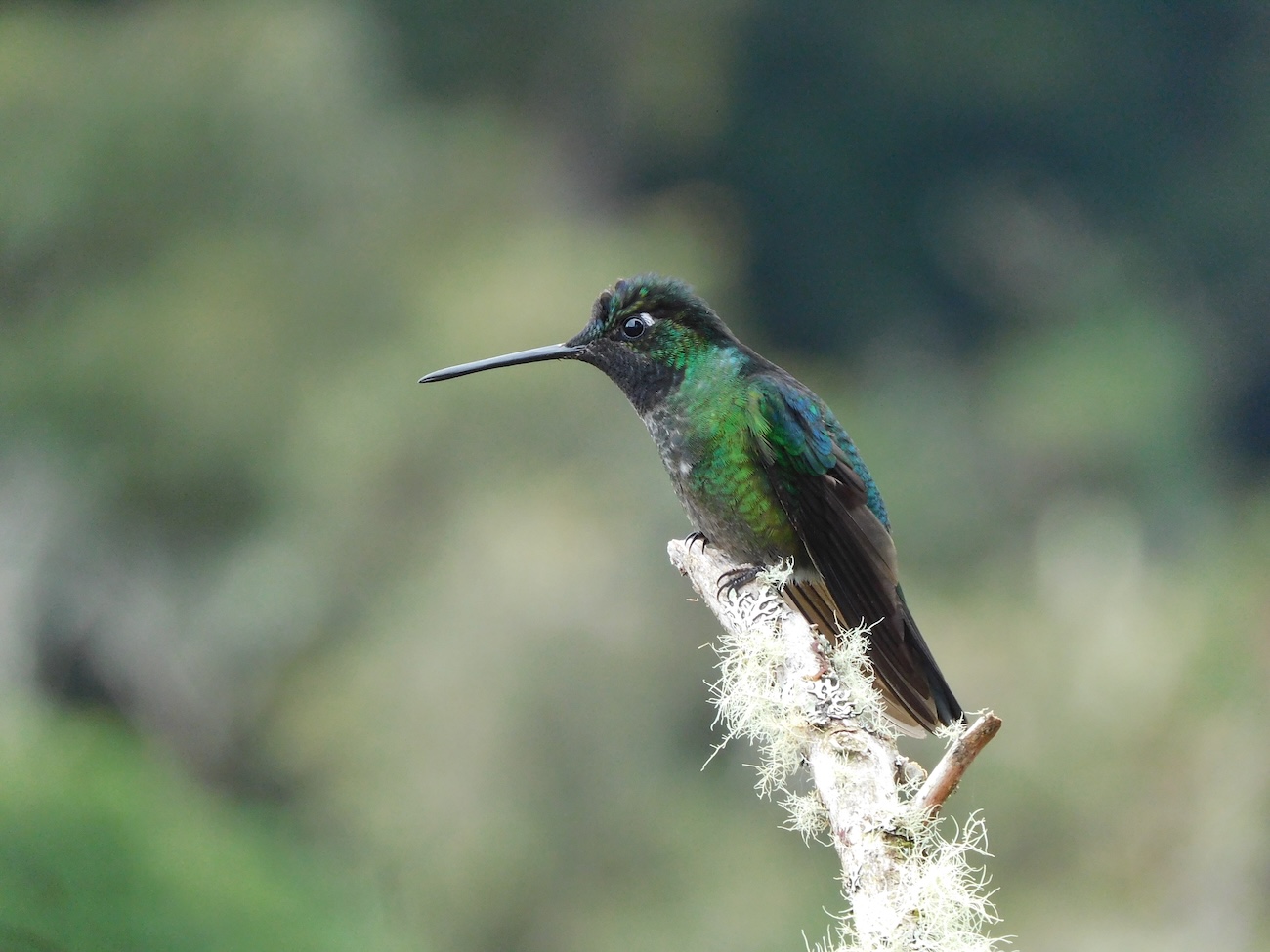
Perched on a lichen-draped branch, a hummingbird catches the light just right, its throat and back flashing an iridescent green-and-blue that shifts with every turn of its head. Photo by Ernesto Ocampo.
She noticed that philosophy was even in the small details at the resorts. Several properties planted native nectar-producing plants throughout their landscapes, providing birds with a more natural food source while also creating habitat for other species.
“It was one practice that stood out to me, and that I plan to implement at home,” she says.
For the Johnson family, the trip was also about finding a way for 10 people with different interests to enjoy Costa Rica together. Some days meant wildlife outings, while others meant time at the lodge, shared meals, or simply enjoying the surroundings at a slower pace.
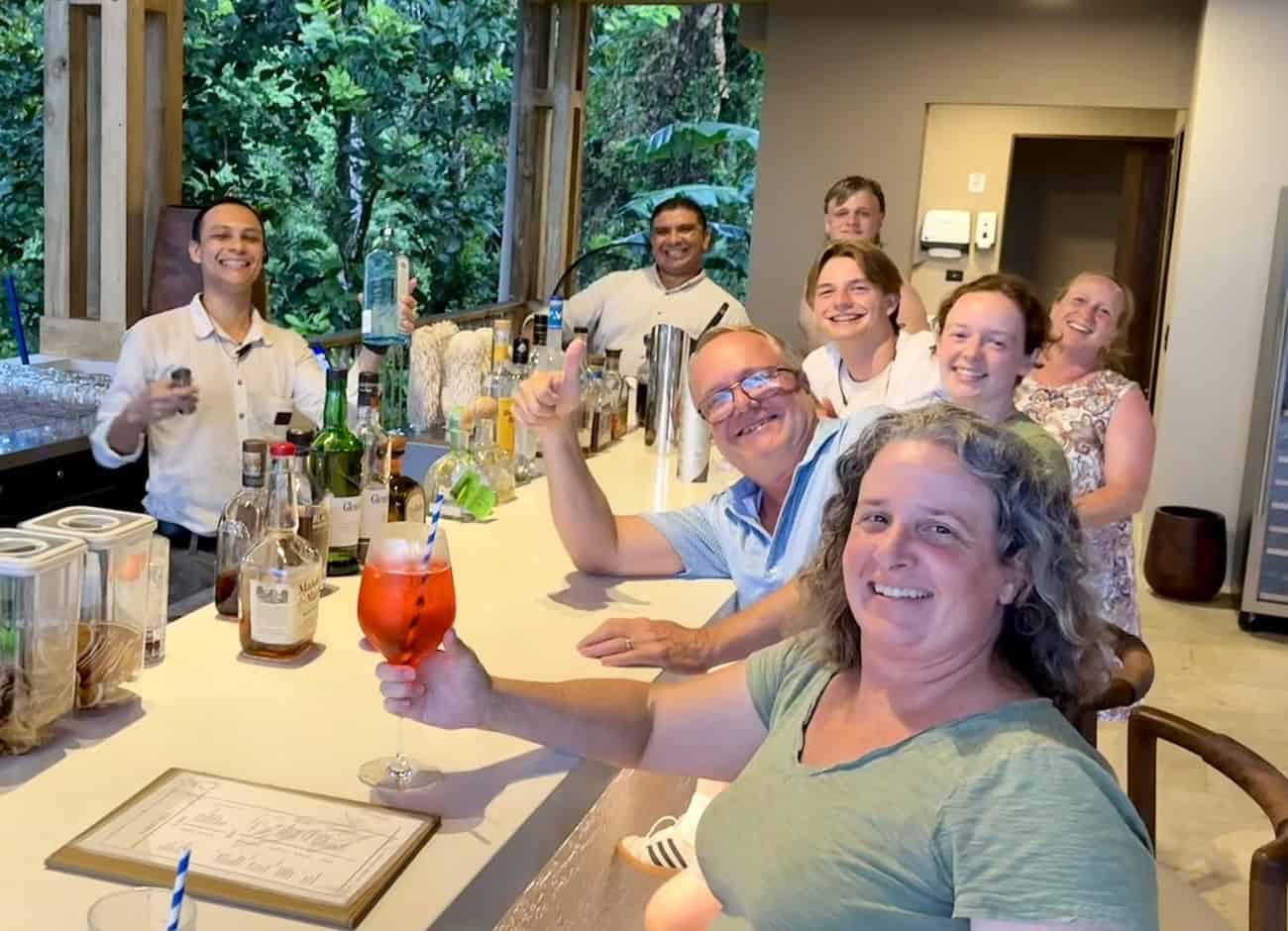
After a full day in the field, the group regroups for cocktail hour at the open-air bar at Tiki Villas Rainforest Lodge & Spa. Photo by Mica Lesch.
Ernesto helped make that balance possible, adapting the days as needed while giving everyone the freedom to experience Costa Rica in their own way.
“It was a wonderful trip and a very special family to travel with,” Ernesto says. “We had many great moments together!”
-
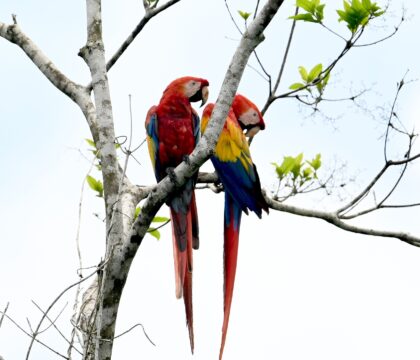
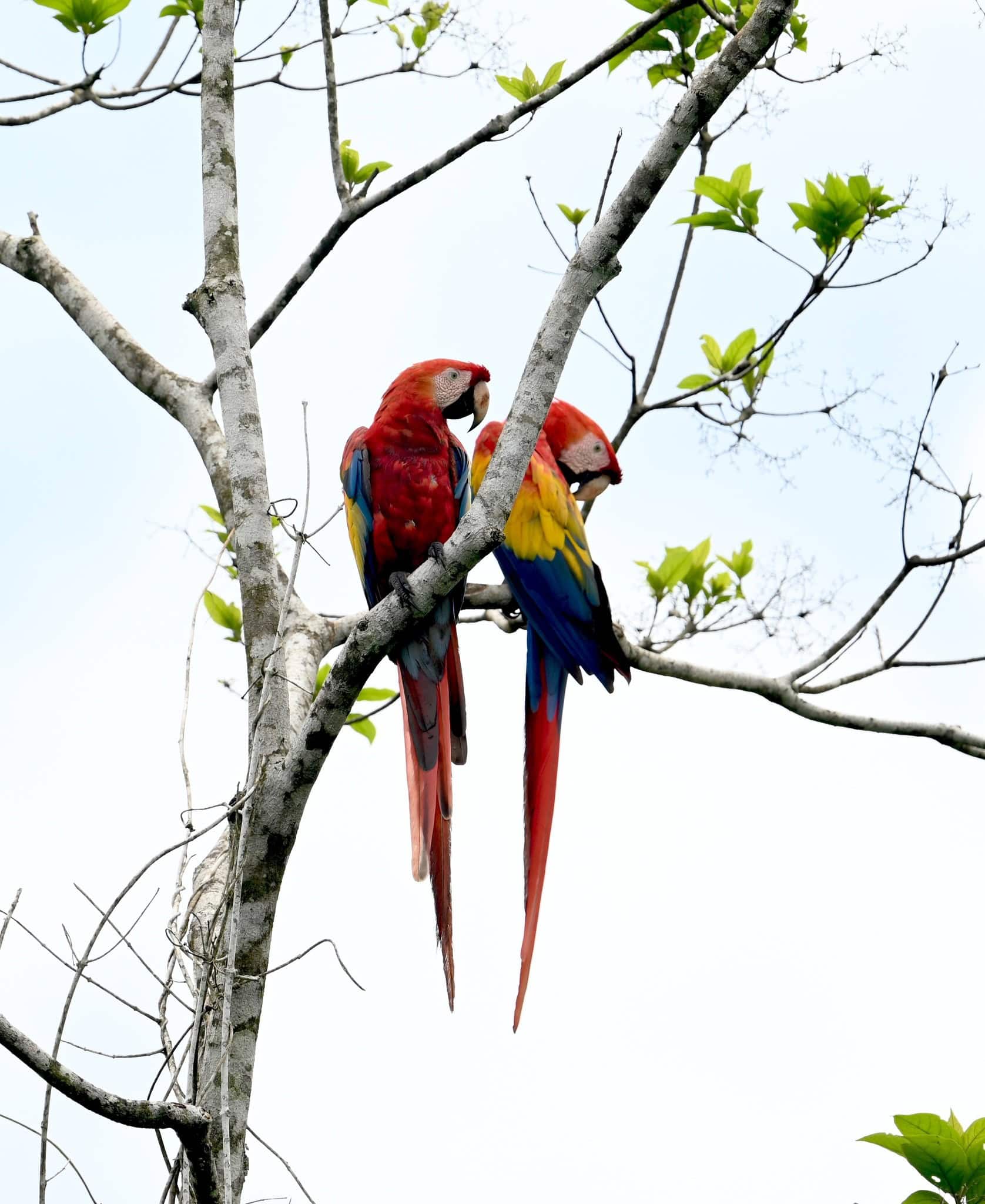
- Two Scarlet Macaws share a branch. Photo by Amber King.
-
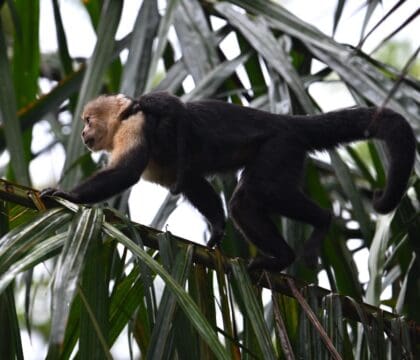
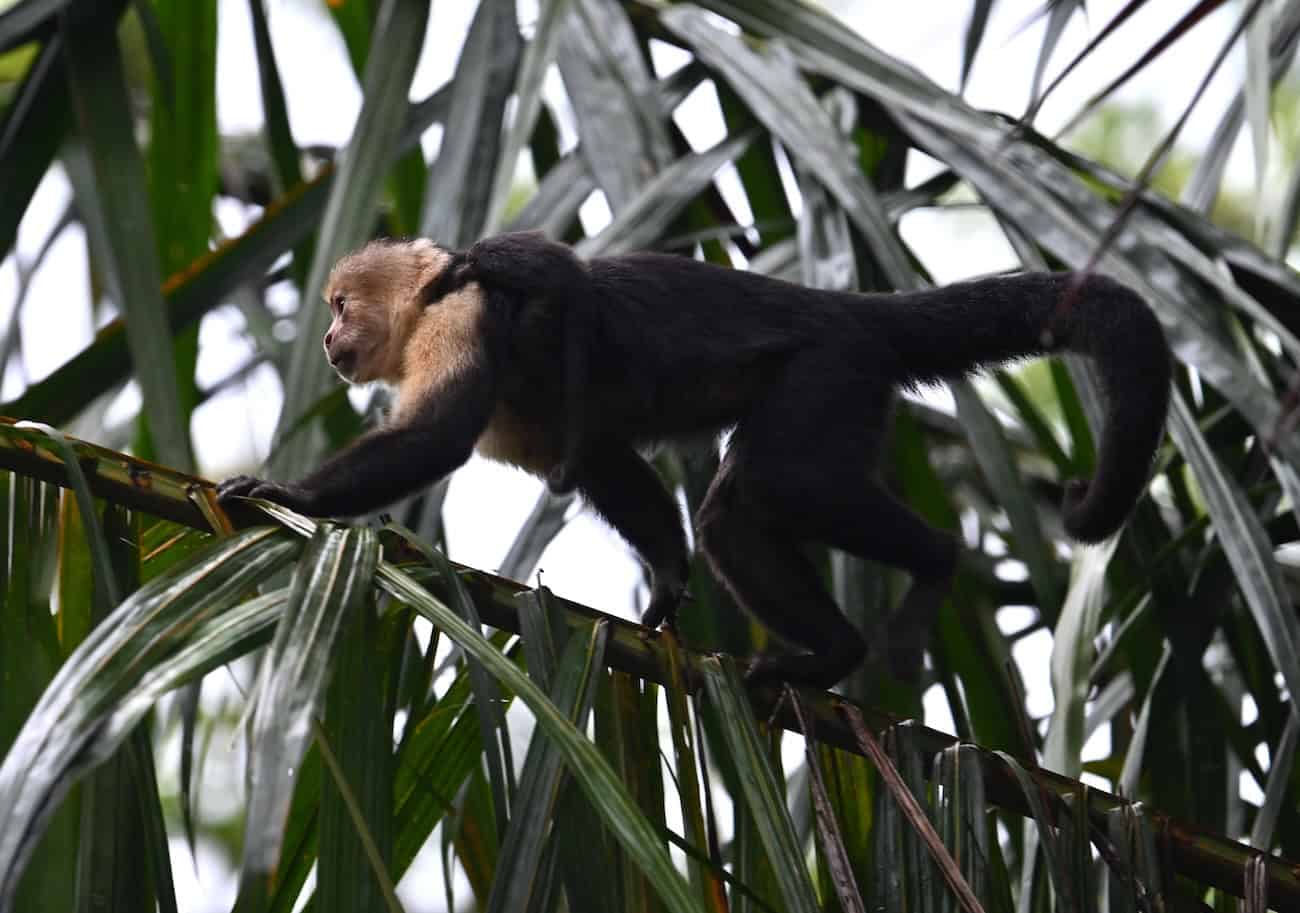
- Central American White-faced Capuchin. Photo by Amber King.
In many ways, the trip captured something at the heart of Oceanic Society travel: we are all scientists and little kids at heart. We are curious. We travel to see and observe new things. And when we slow down and pay attention, we start asking questions about what we see. iNaturalist gives that curiosity a community, connecting explorers with others who understand that observation itself can be a form of discovery, and that together, we can learn more about the mysteries around us.
By the time the family returned home, Amber had added hundreds of species to her growing record of the natural world. But perhaps the most lasting discovery was not a particular bird or beetle. It was a reminder that the more closely you look, the more there is to see.
“If I could go back to Costa Rica tomorrow,” Amber says, “I would love more time to explore everything again, especially the cloud forest.”
Plan a Custom Costa Rica Expedition
Create a private Costa Rica adventure tailored to your interests, from wildlife and birding to tropical forests and coastal ecosystems.