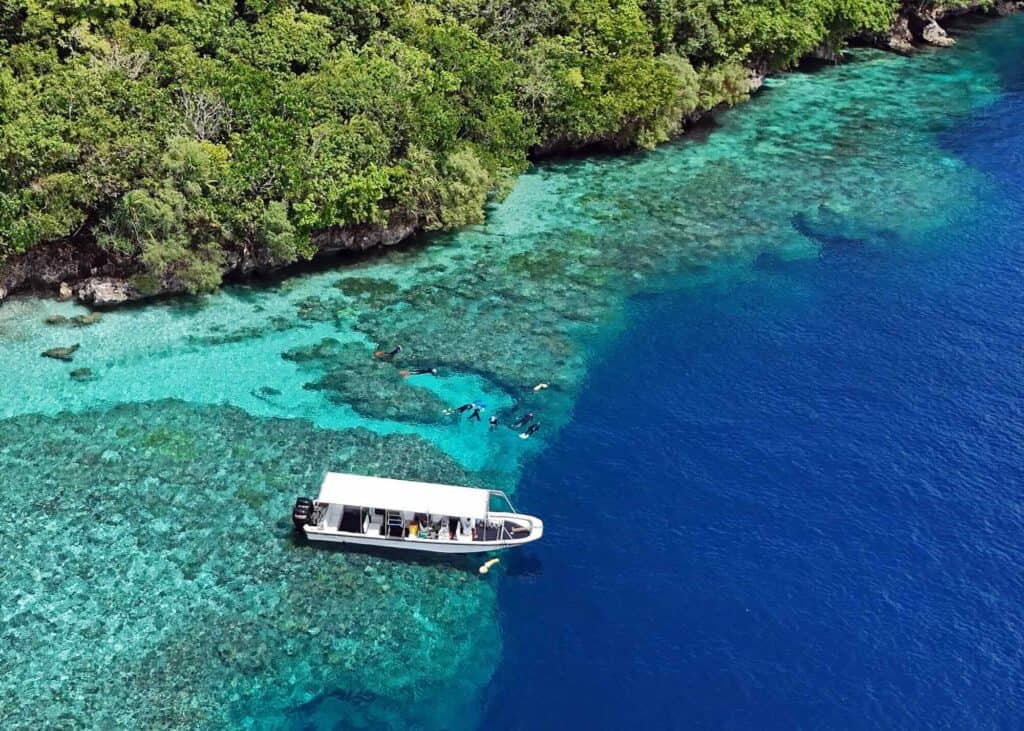
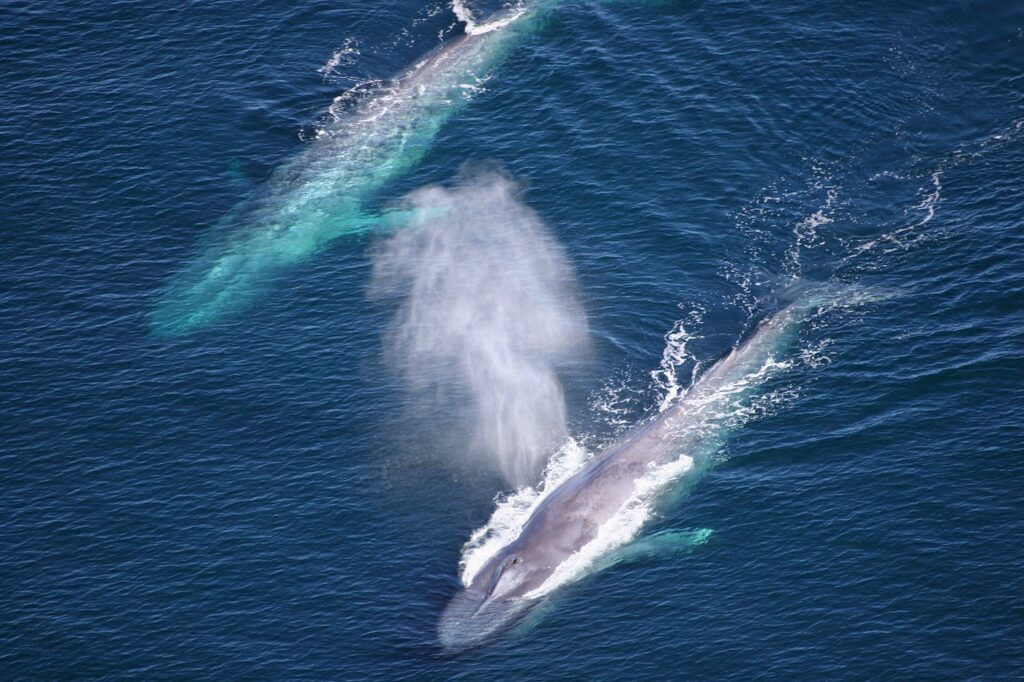
The moment Palau comes into view from the air, the water changes color in front of you. Shades of turquoise shift into deep blue with a clarity you can trace with your eyes, marking the drop-offs and channels long before you ever get in the water. Below, the Rock Islands rise out of the sea in clusters of lime-green, jungle-topped limestone domes scattered across the lagoon like something out of another era.
Oceanic Society traveler Chantal Trépanier traveled from Quebec City, Canada, alongside a small group of travelers to Palau on a nine-day snorkeling expedition through the UNESCO World Heritage-listed Rock Islands, capturing her days on the water in a short film that plays like a highlight reel of one of the most biodiverse reef systems on Earth.

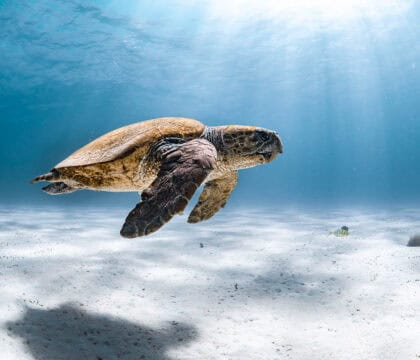
Throughout the trip, naturalists Ray Boland, a research biologist and longtime Oceanic Society expedition leader, and Udi Bornovski, a naturalist who grew up in Palau, helped identify species in real time. Their knowledge turned each snorkel session into a moving marine biology lesson, giving Chantal the vocabulary to name what she was seeing as she filmed it. Over the course of her snorkeling days at sites like Blue Corner, Big Drop Off, Ulong Channel, and Jellyfish Lake, Chantal’s footage captured an extraordinary diversity of marine life, from reef sharks and sea turtles to colorful reef fish, jellies, anemones, and corals.
The group also visited the wreck of a Japanese warship sunk during World War II, one of several vessels resting in Palau’s waters, now slowly transformed into an artificial reef teeming with marine life.
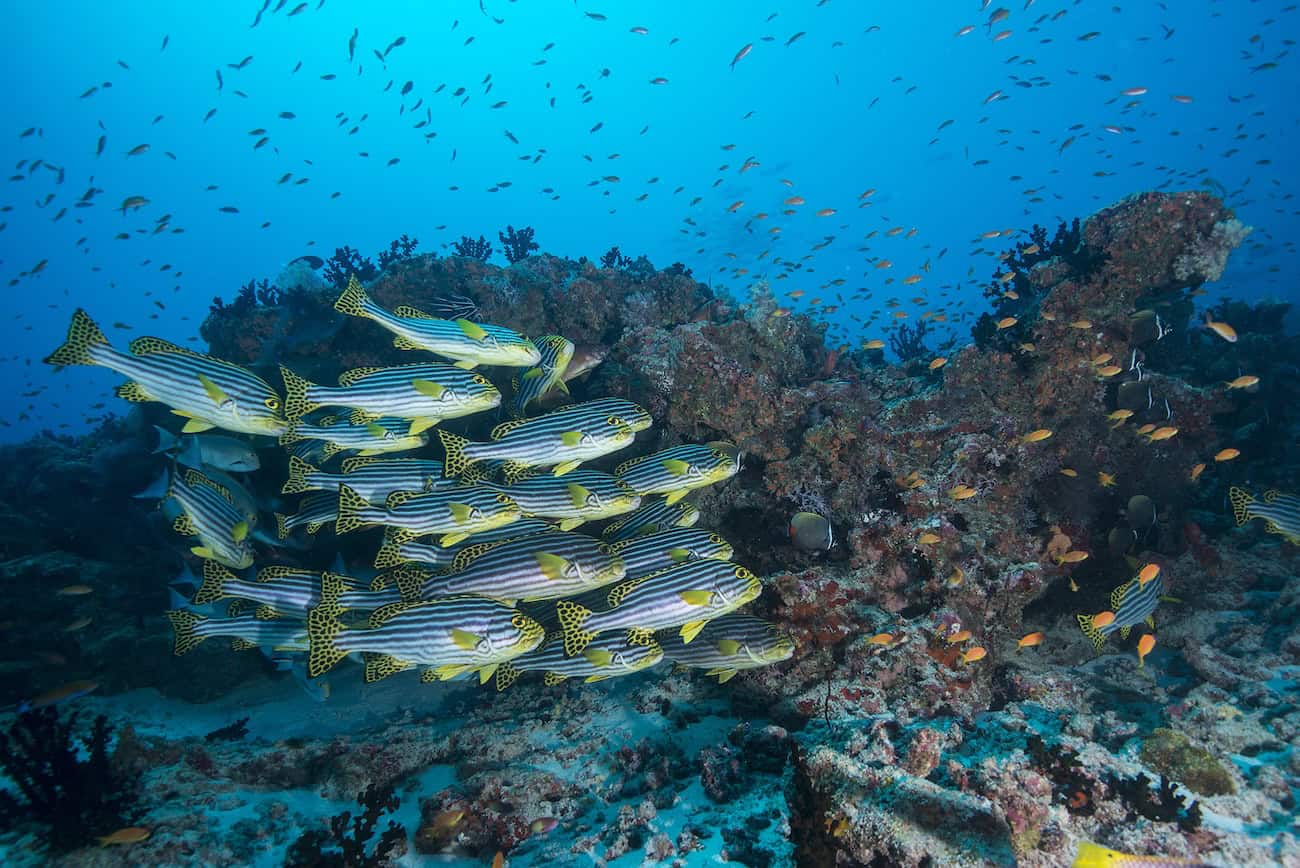
© Umeed Mistry / Ocean Image Bank
-

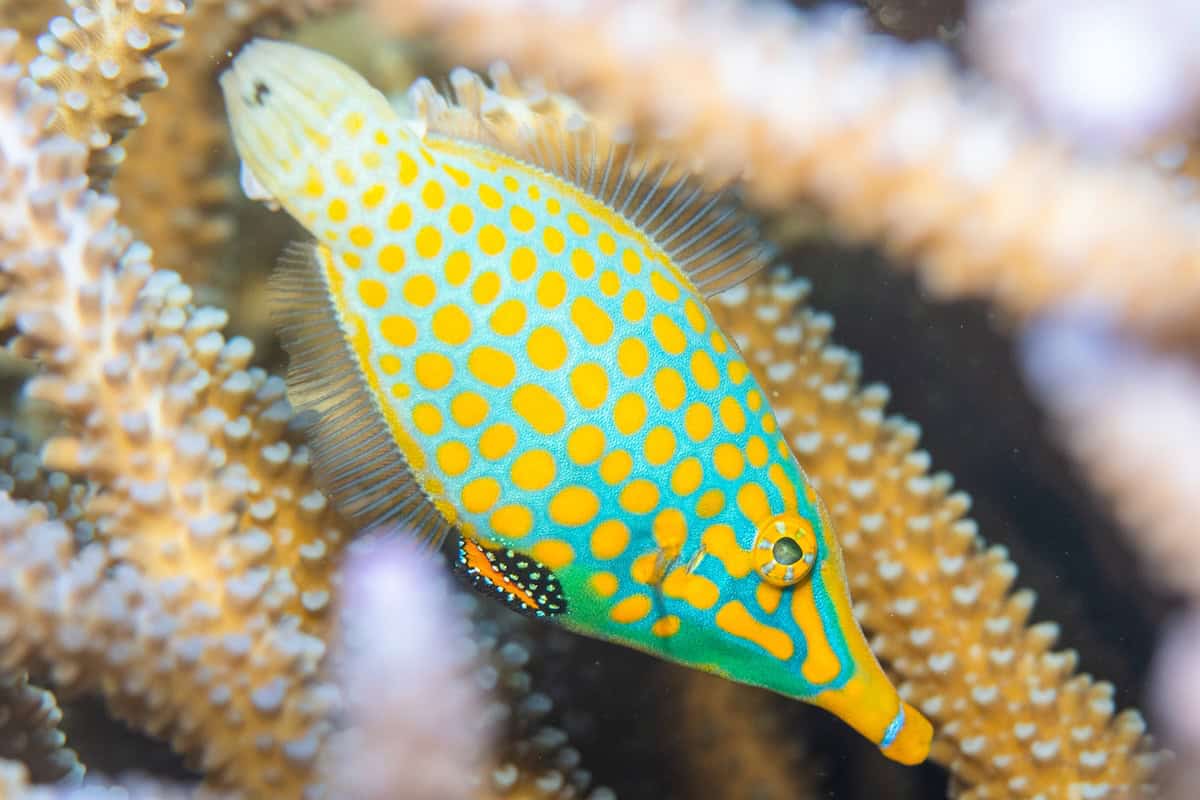
- Longnose filefish, by Ray Boland
-
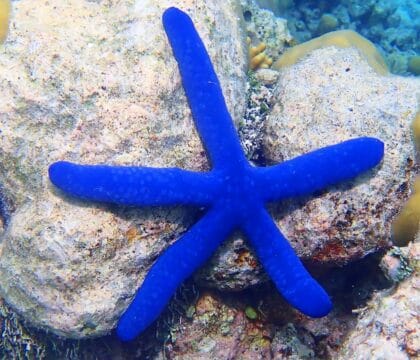
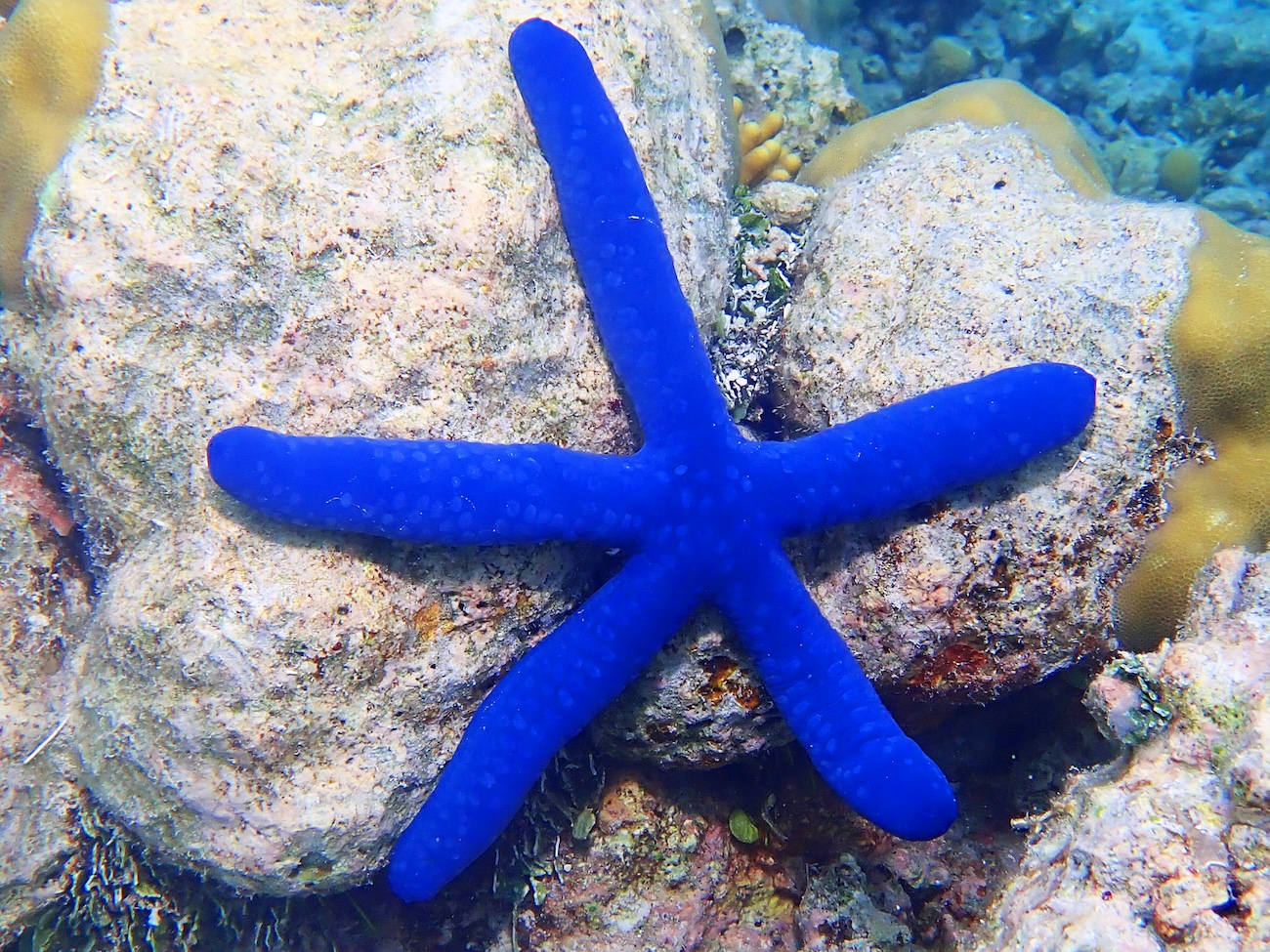
- Blue starfish, by Ray Boland
-
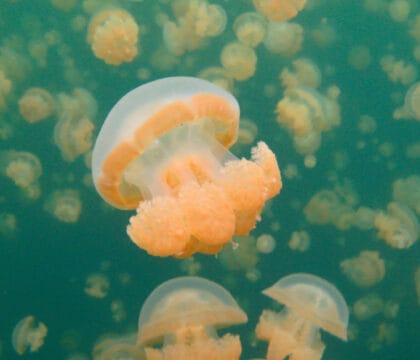
- Golden jellyfish in Palau’s Jellyfish Lake, by Wayne Sentman

-
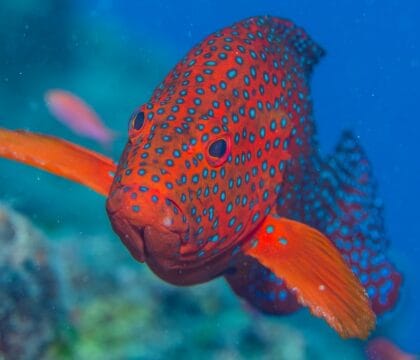
- Coral grouper, by Ray Boland
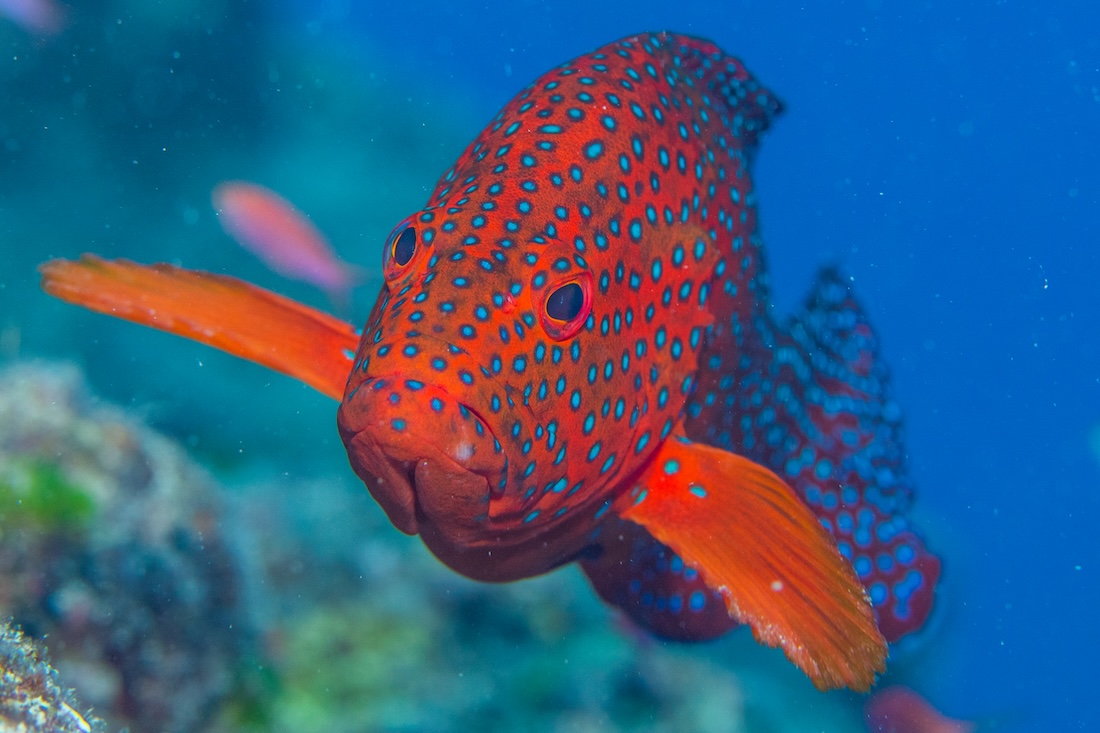
-
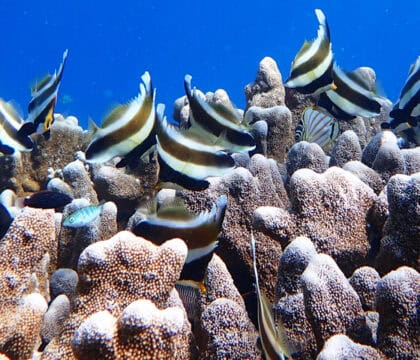
- Threeband pennantfish, by Ray Boland
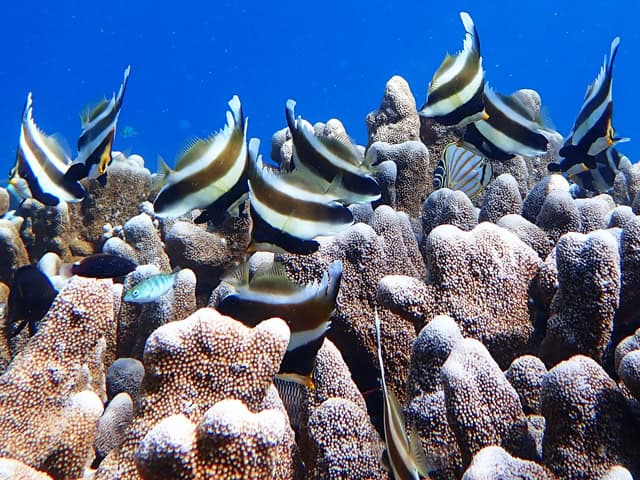
-
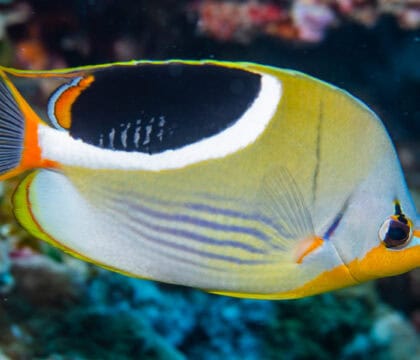
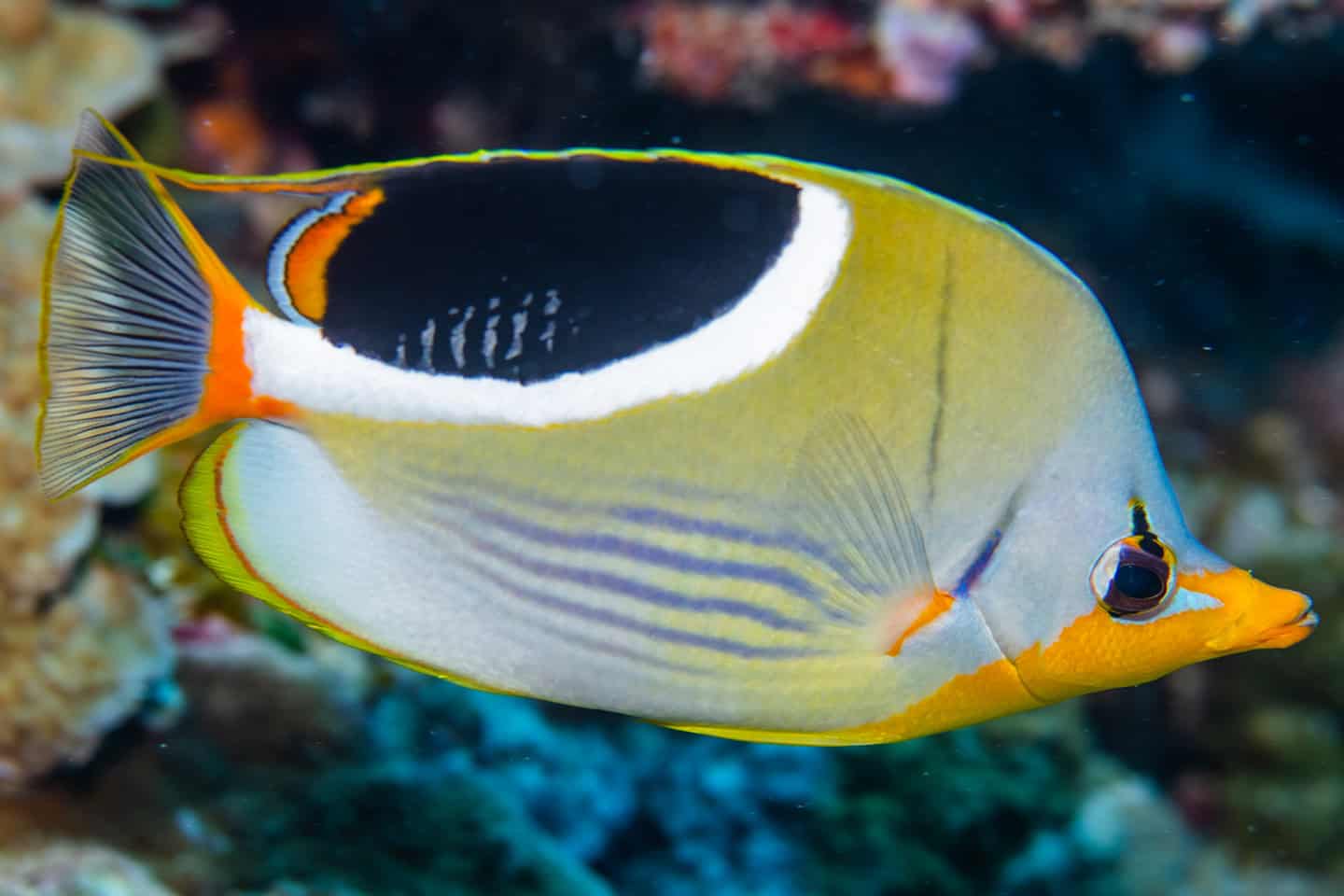
- Saddleback butterflyfish, by Ray Boland
About Palau
Palau is home to more than 400 species of hard coral and 300 species of soft coral, the highest coral diversity in Micronesia, and some of the healthiest reef shark populations left in the Pacific. It is one of the few places on Earth where reefs are holding steady against the pressures reshaping ocean ecosystems elsewhere. Chantal’s film is a reminder of why: even after days of snorkeling the same lagoon, the Rock Islands never stop introducing something new.