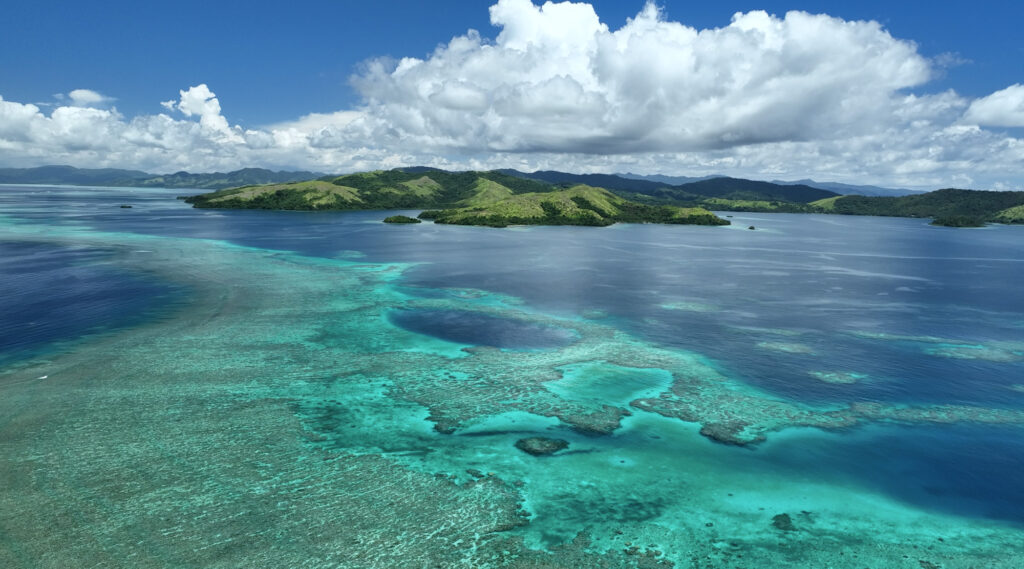
Lionfish are beautiful, unusual creatures, and if you’re snorkeling in the Indo-Pacific, spotting one is a thrill. In the Caribbean, though, you’ll see them far more than you’d like.
That’s because lionfish don’t belong there. In their native waters, they evolved alongside predators like grouper, snapper, eels, and sharks that learned to hunt past their venomous spines. In the Atlantic and Caribbean, none of that history exists. Lionfish were first spotted off Florida in 1985. A popular theory blames a single event: the release of six lionfish from an aquarium into Biscayne Bay when Hurricane Andrew hit in 1992. That timeline doesn’t quite hold up, though.
The first sighting came seven years earlier, and genetic research points instead to repeated releases from the aquarium trade over time. Regardless of how it started, the result was the same: with no natural predators to keep the population in check and a reproductive rate built to take advantage of that (a mature female lionfish can release up to two million eggs a year), lionfish have flourished in the Caribbean.
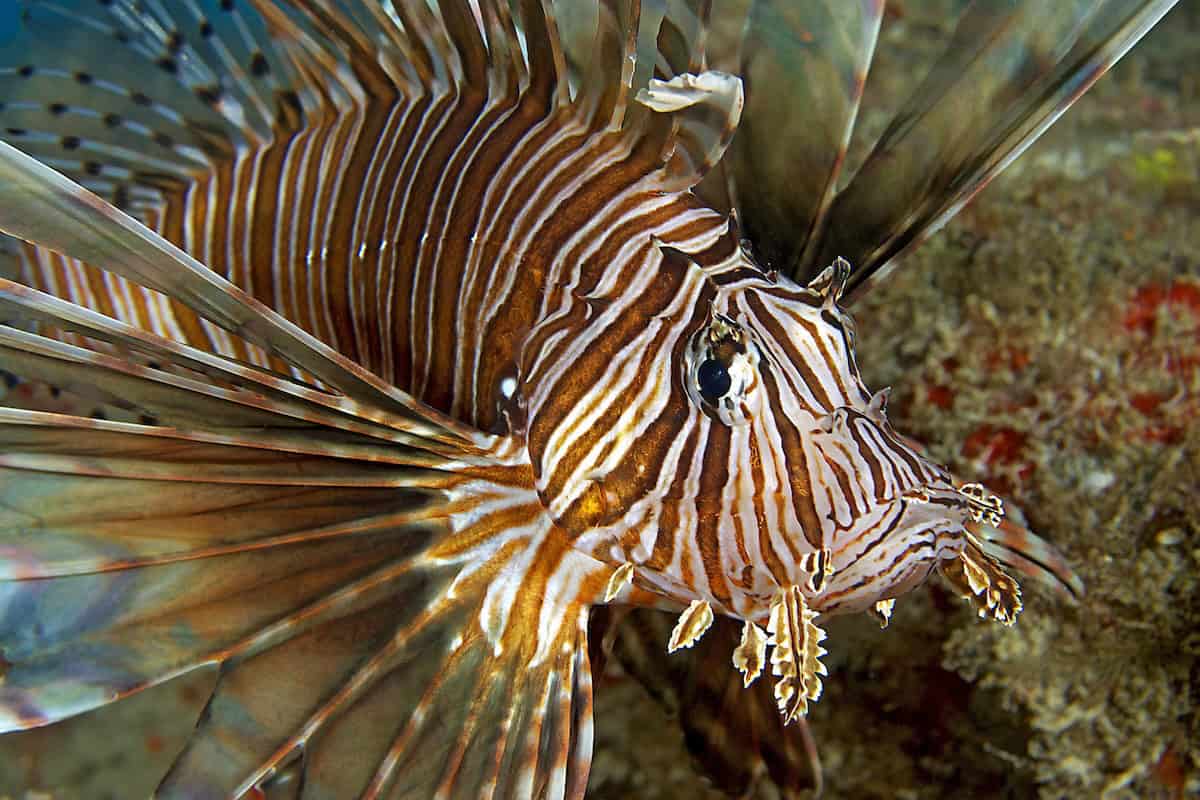
Lionfish have no natural predators outside their native Indo-Pacific waters. Photo by Joy Marzolf
The same basic pattern is playing out elsewhere. In rivers and lakes across Mexico and the U.S., for example, armored catfish and silver carp are reshaping ecosystems that never evolved to handle them.
These are not isolated problems, but rather one of the biggest drivers of biodiversity loss worldwide. Invasive species outcompete native wildlife for food and habitat, unravel food webs, and have played a role in 60% of recorded plant and animal extinctions globally. The economic toll is just as steep: a 2023 UN-backed assessment put the global cost of invasive species at over $423 billion a year — and it’s rising.
Meet Mike Mitchel, Founder of Pezzy Pets
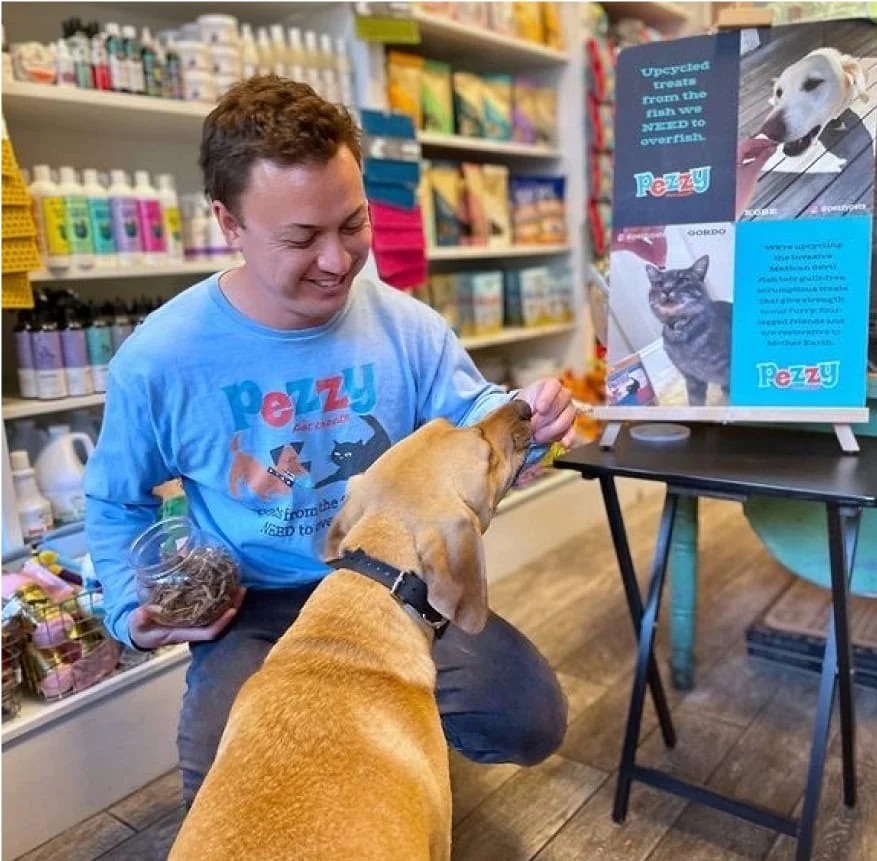
Pezzy Pets founder Mike Mitchell hands out treat samples at a pet food store, part of the push to get pet parents asking why their next treat should come from an invasive species instead of salmon or cod.
As a conservationist working on invasive species issues, Mike Mitchell knew the lionfish problem in the Caribbean well. Removing lionfish could help reefs recover — but the fish had never been part of the local diet, and demand for it wasn’t enough to make catching them at scale worth a fisherman’s time. Mike saw a way around that: turn them into pet treats.
Mike is the founder and CEO of Pezzy Pets, a company that partners with fishers in Belize, Mexico, and the U.S. to harvest invasive fish and turn them into single-ingredient treats for dogs and cats. It’s a business built on a simple premise — if you can create a market for a fish that’s destroying an ecosystem, you give people a reason to remove it. We sat down with Mike to talk about how Pezzy Pets got started, what it actually takes to get a lionfish from the ocean into a treat bag, and why he wanted to partner with Oceanic Society.
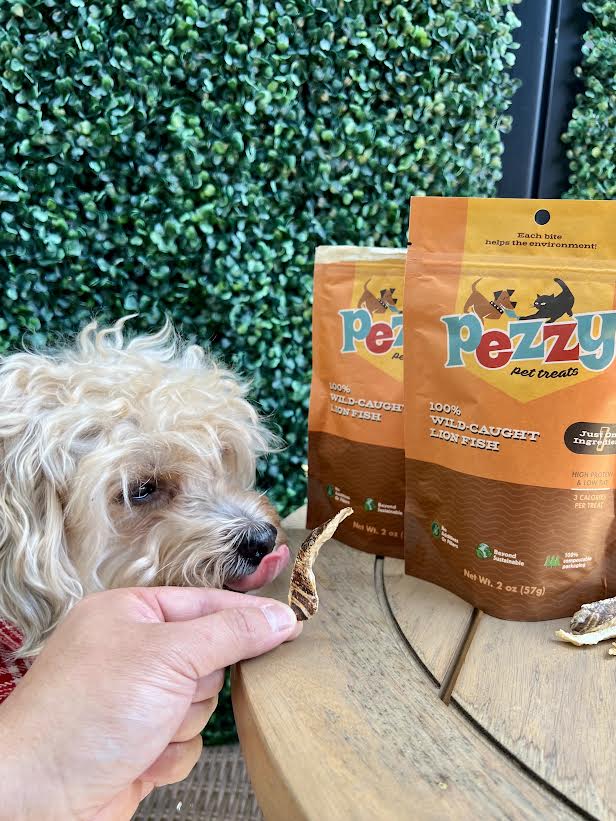
Pezzy Pets’ 100% wild-caught lionfish treats: a single-ingredient, ocean-friendly snack for dogs and cats.
For people who’ve never heard of this issue, can you explain the ecological damage invasive species like lionfish cause?
Basically, invasive/non-native species are fish in places where they’re not originally from. Not all invasive species are highly problematic, but in cases like the lionfish, they can pose a serious threat to native species and the ecosystem. Lionfish in the Caribbean, for example, don’t have natural predators, so their population has grown relatively unchecked. Invasive lionfish can reduce native reef fish recruitment by up to 79%. They have a voracious appetite and eat a huge range of crustaceans and juvenile fish like snappers. Additionally, lionfish eat herbivores that eat algae from coral reefs. Without these herbivores, algae can grow unchecked on the reefs.
What was the moment that led you to start Pezzy Pets?
I was working with the United Nations in Mexico, and in my free time I was doing workshops with a celebrity chef friend to promote consumption of the invasive “pez diablo” or armored catfish in Mexico. In one workshop, some fishermen mentioned the need to find a market for all the devil fish they were catching, and we started selling fillets to restaurants. Eventually, we realized there was a really unique and larger market opportunity to turn devil fish into pet treats, and we launched Pezzy Pets.
Why invasive species specifically — how did turning an environmental problem into a pet treat come about?
Working in the seafood/fisheries space, I had always been interested in the story behind invasive species like silver carp and lionfish. I even participated in the Redneck Fishing Tournament (silver carp) back in 2010. Seafood sustainability is a complex topic, and even for me, decision-making can be overwhelming with factors like species, location, farmed vs wild, type of farm, etc. I like turning invasive species into pet treats because it makes sustainability easy. These are species that we actually want to overfish.
Walk us through how a fish actually goes from the ocean to the treat bag.
In the case of lionfish, we have a team of dedicated lionfish hunters who dive and hunt lionfish every day in Belize. We also source lionfish from local fishermen. From the boat, we take the lionfish to our processing facility, where the fish is gutted, filleted, and then cut into strips before being placed in the dehydrator.
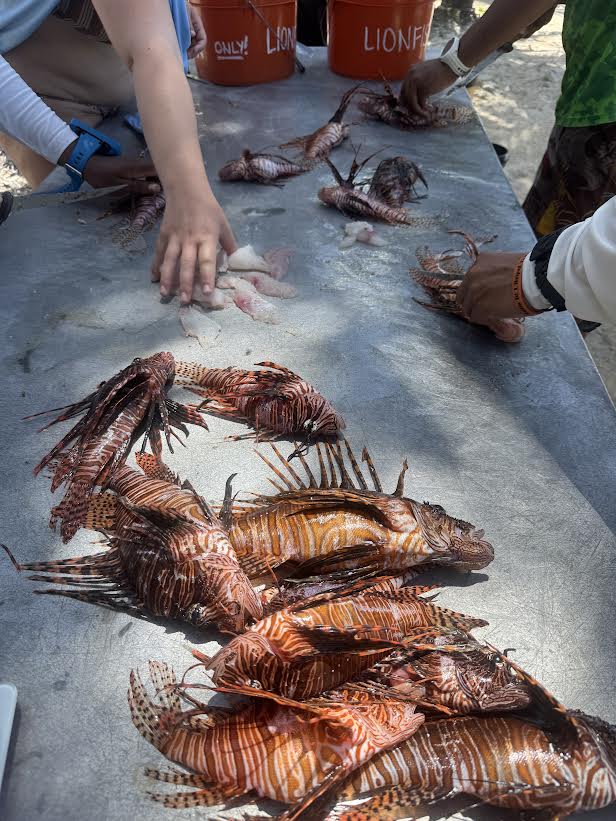
From boat to bag: freshly caught lionfish get gutted, filleted, and cut into strips before heading to the dehydrator at a Pezzy Pets partner facility.
You work directly with artisanal fishers in the US, Mexico, and the Caribbean — how did those partnerships come together, and how do they benefit their communities?
I like to say that the world of weird fish people is very small. We started in Mexico where I was working with fishing communities. Then we partnered with our friends at Inversa Leathers for a small lionfish project in Quintana Roo, Mexico. Once they started working with silver carp skins in the US, we collaborated to take some of the silver carp meat and fish maw to turn those into treats and increase the overall value of each fish. And then, through the invasives network, we were connected with our partners FINS in Belize.
We’re all about building what we call the “invasives economy”. By creating products using invasive species, we set up financial incentives for invasive species removal and ultimately ecosystem restoration. On average, our fishers earn 40% more than they did previously, all by selling species that were considered bycatch previously.
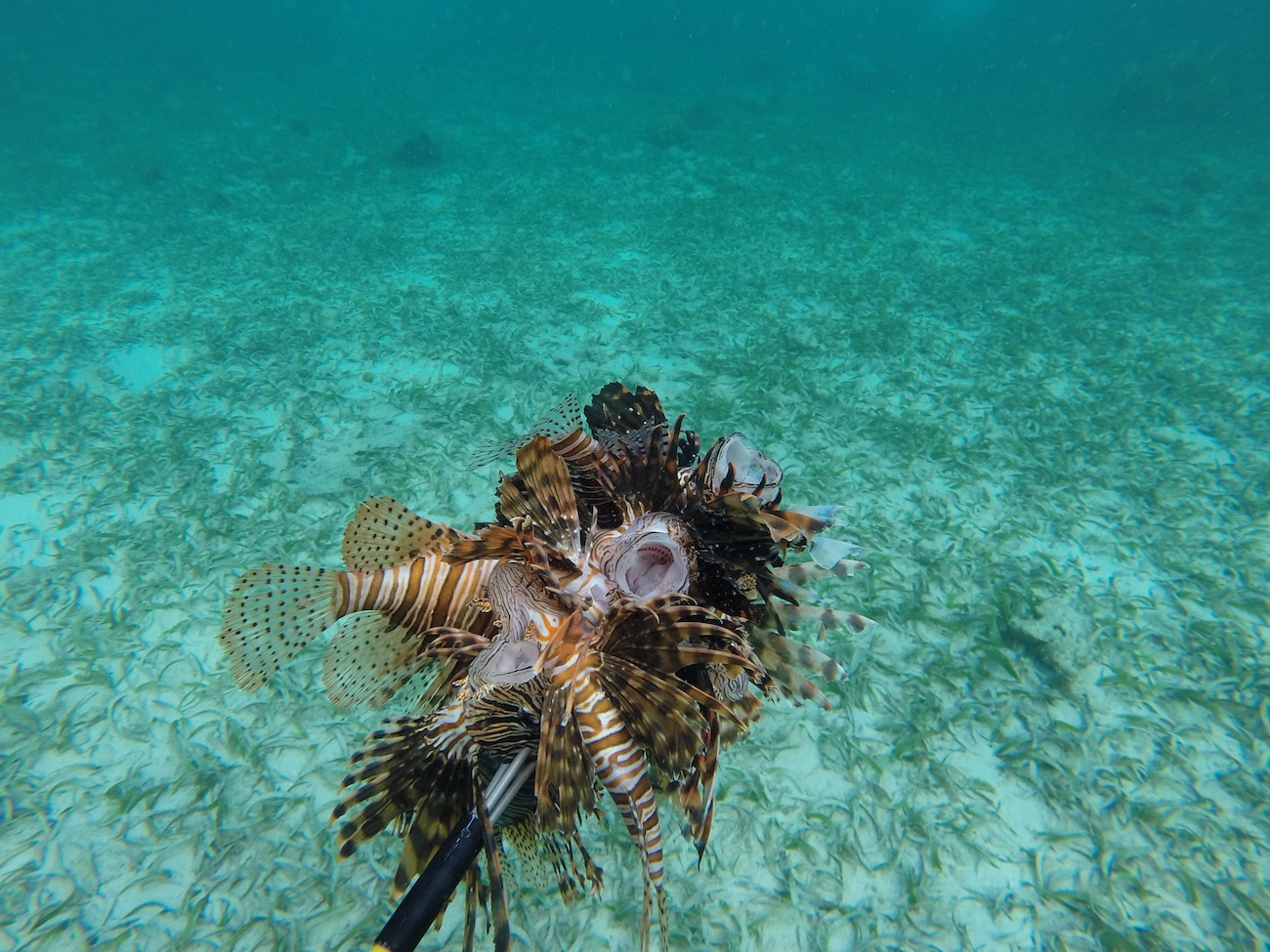
Multiple invasive lionfish speared together underwater over a sandy seagrass bottom in Belize. Photo by Vaillet Muller
How does buying a bag of Pezzy treats translate into conservation impact — what’s the scale so far (fish removed, pounds harvested, etc.)?
We’ve removed approximately 150 tons of invasive fish to date and work with around 100 fishers currently. Estimates vary, but each lionfish consumes thousands (I’ve seen figures from 5K to 50K) of fish and invertebrates per year, so every lionfish we remove leaves thousands of native species on the reef.
What’s been the hardest part of building a mission-driven brand around a lesser-known environmental issue?
I’d say customer education on the “why” of our brand. Educating why it’s beneficial to eat our fish instead of more traditional fish like salmon or cod. Not just for the environment but also for pet health. These are unique, novel species, which make them a good option for pets with allergies and have a different nutritional profile than more commonly sold species.
What’s your own connection to the ocean — any personal moment that shaped this work?
I grew up close to the ocean in LA and some of my earliest memories are of exploring the tide pools with my dad. We also would sit on the cliffs and watch migrating gray whales each year. My love and appreciation for the ocean grew out of these experiences and fishing.
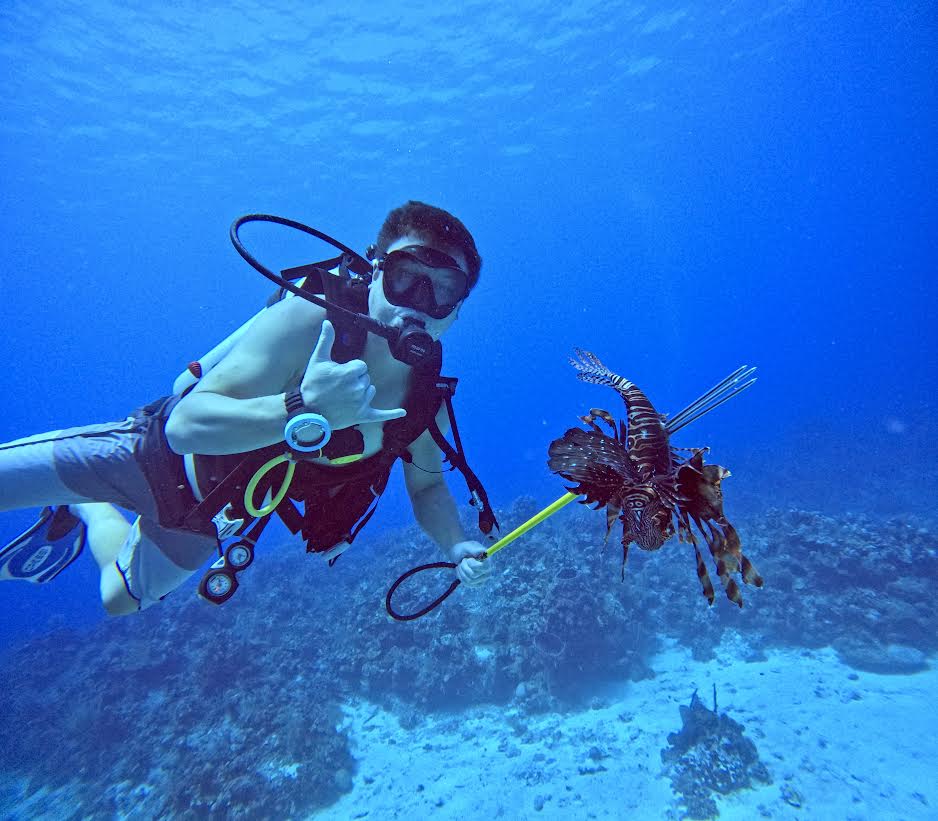
A single dive’s catch: an invasive lionfish is removed, representing thousands of native reef fish and invertebrates spared from predation.
What does a “win” look like for Pezzy Pets a few years from now?
I’d say that we continue to grow and add more fishers to our network as well as additional species and geographies. We pride ourselves on solving complex logistical/sourcing problems to harvest invasive species where they might go relatively unchecked.
What drew you to partnering with Oceanic Society, and what excites you about it?
I love the concept of building people’s connection to the ocean through travel and firsthand experiences. I spent a brief time as a guide/counselor at a reforestation project in Ecuador and witnessed the power of such initiatives when we immersed students in the forest and conservation principles. I also have a soft spot for whales and want to support any org that helps protect them.
It’s easy to feel like ocean conservation only happens on a research vessel or a reef somewhere far away. Pezzy Pets is a good reminder that it can also happen in your pantry. Every bag of treats is a small, direct vote for fewer invasive fish and more room for the native species that belong there.
If you want to try Pezzy Pets for your own dog or cat, you can use Oceanic Society’s affiliate link – 15% of your purchase will help support our ocean conservation work.
Pezzy Pets is one of several mission-aligned brand partners supporting Oceanic Society’s work. Want to become a corporate partner? Reach out here.