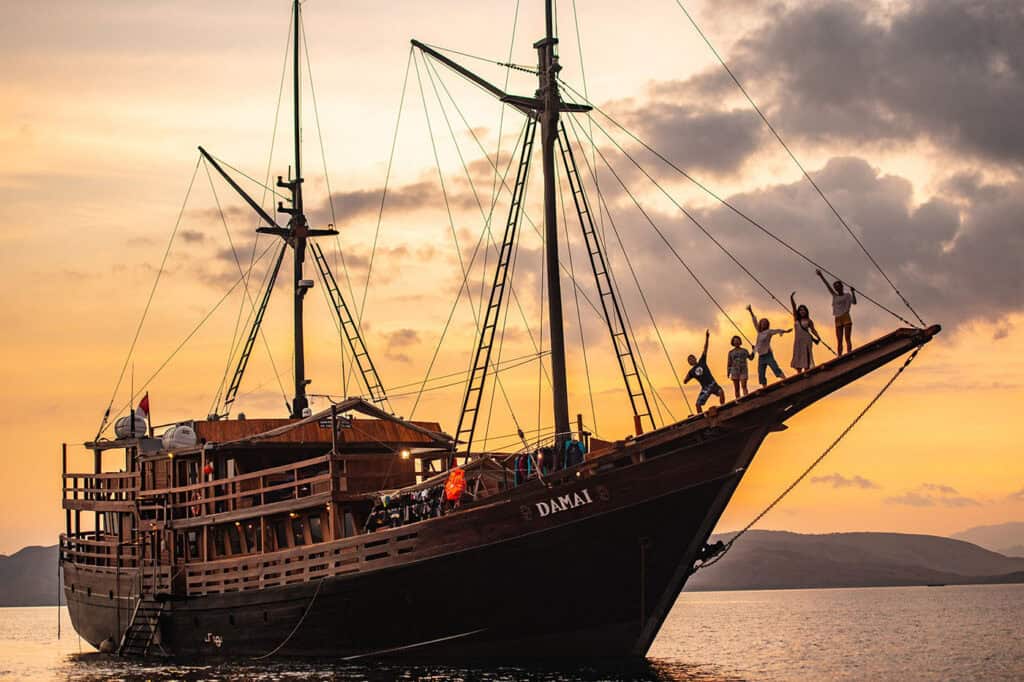
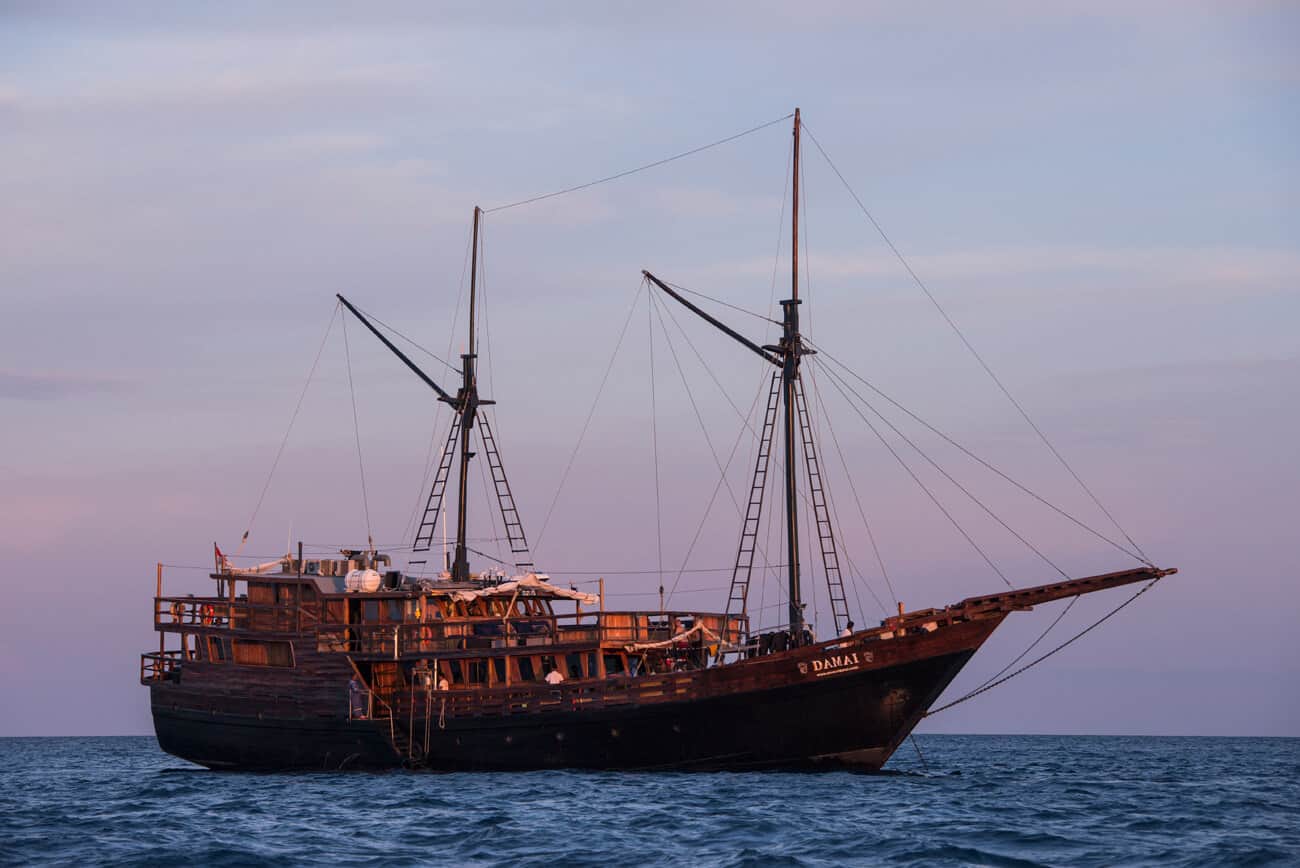
Aboard the Damai, our Oceanic Society liveaboard expedition sailed through the breathtaking Raja Ampat Archipelago, one of the planet’s most extraordinary biodiversity hotspots. Over twelve days, our group explored pristine coral reefs alive with vibrant marine life, wandered through remote island forests, and witnessed some of the world’s most iconic terrestrial wildlife. From exhilarating snorkeling adventures to birding excursions that revealed the dazzling displays of birds-of-paradise, every moment was a celebration of nature’s abundance.
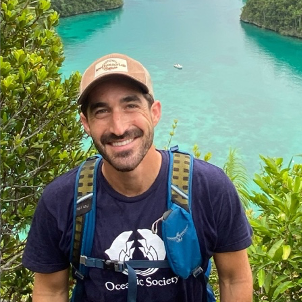
As one of the onboard naturalists for this liveaboard expedition, I had the privilege of experiencing each highlight alongside our guests. Moving from coral gardens teeming with life to forests echoing with birdsong, we were constantly reminded of the awe-inspiring richness of this region. What follows is a day-by-day account of the magic, wonder, and unforgettable encounters that made these 12 days in Raja Ampat truly extraordinary.
Day 1: Arrival and First Encounters
In the wee hours of the morning, I met everyone at the Jakarta airport for the 4-hour flight to Sorong. After landing, I introduced the travelers to my co-leader and fellow Oceanic Society naturalist, Dalton Ambat. We connected with the crew from the Damai II liveaboard and took a short cab ride to the port. Boarding Damai’s two tenders, we were greeted— for the first of many times—by singing crew members and a refreshing fruit drink. Mika, our cruise director, then showed everyone to their rooms and gave a brief orientation of the boat.
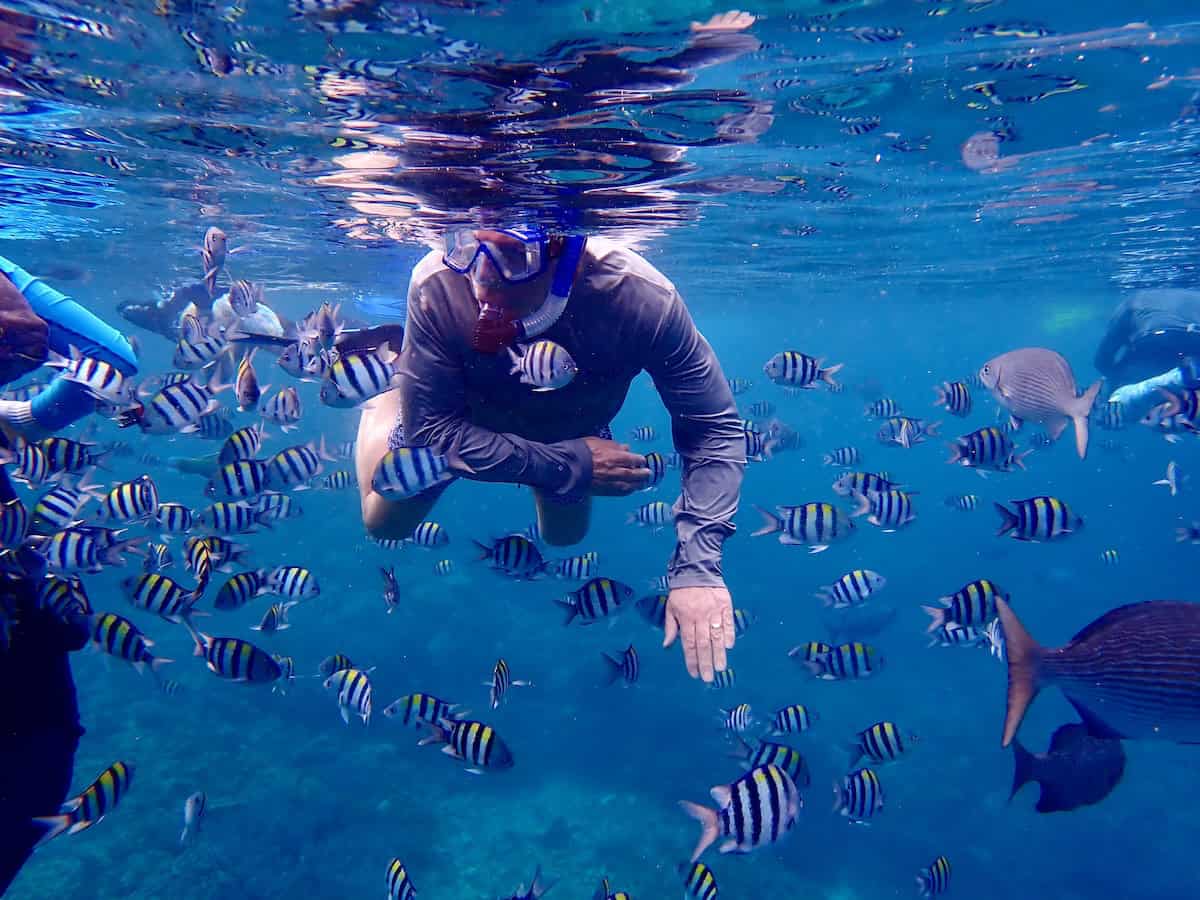
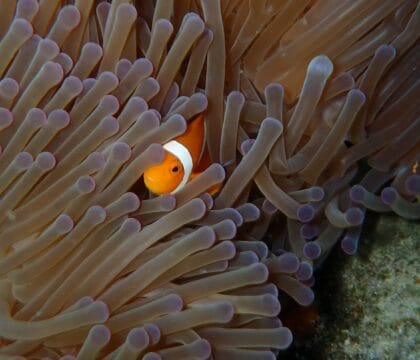
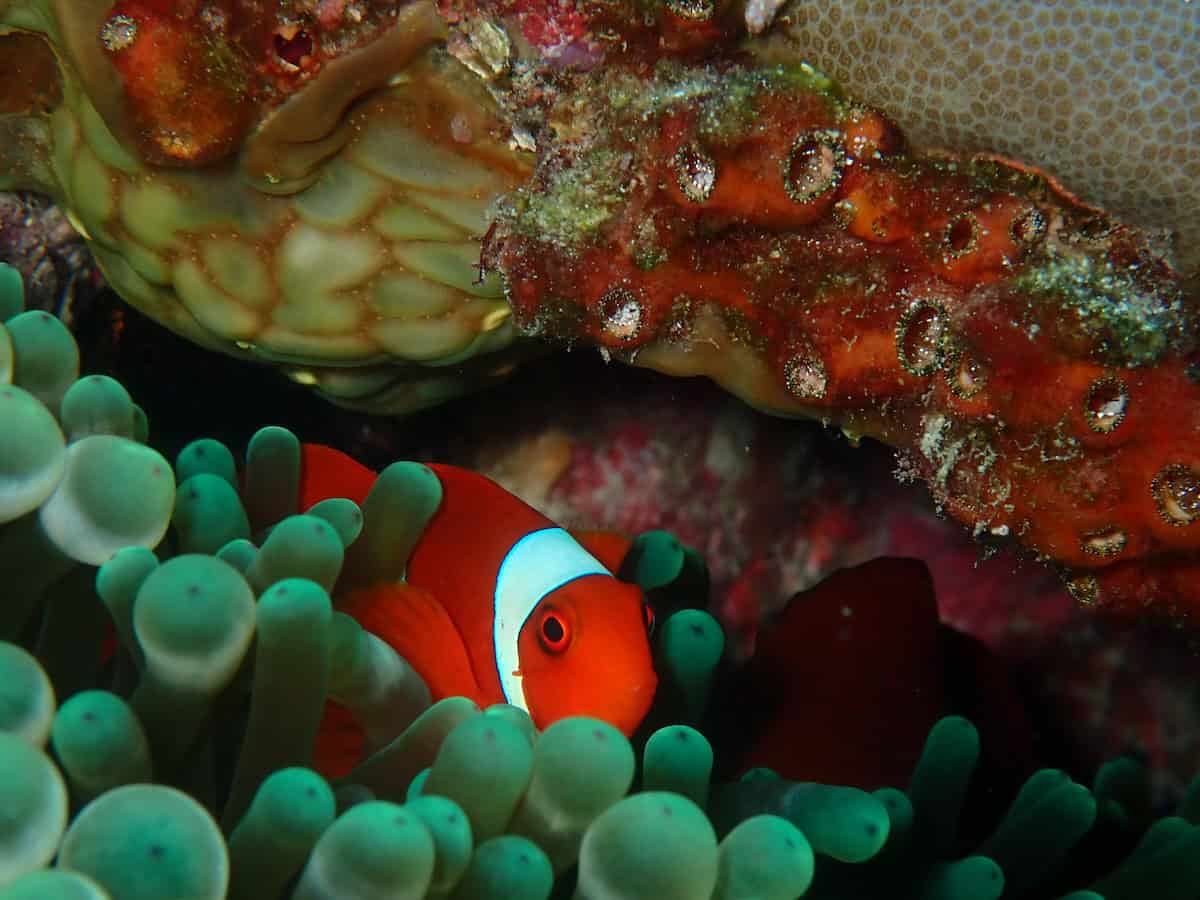
During the crossing of the Dampier Strait to Waigeo, an Omura’s whale was spotted. It was a brief sighting but certainly an omen of beautiful things to come. After check-in at Waisai, our first snorkel at Saonek Kecil revealed anemonefish, snowflake moray, juvenile batfish, colorful tunicates, scorpionfish, crown-of-thorns starfish, feather stars, and a banded sea snake.
Day 2: Gam Island Birding and Snorkeling at Batu Lima
Early morning birding along southeastern Gam Island yielded spinner dolphins, beach kingfisher, lesser frigatebirds, hooded butcherbirds, helmeted friarbirds, willie wagtails, violet-necked lories, palm cockatoo, white-bellied sea eagle, Pacific swallows, heron, and Blyth’s (Papuan) hornbill.
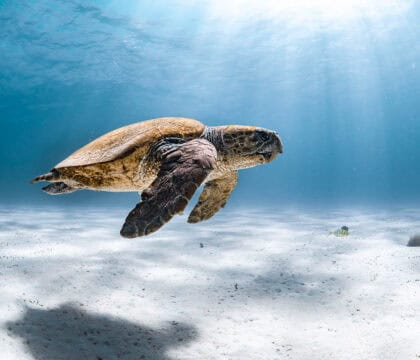
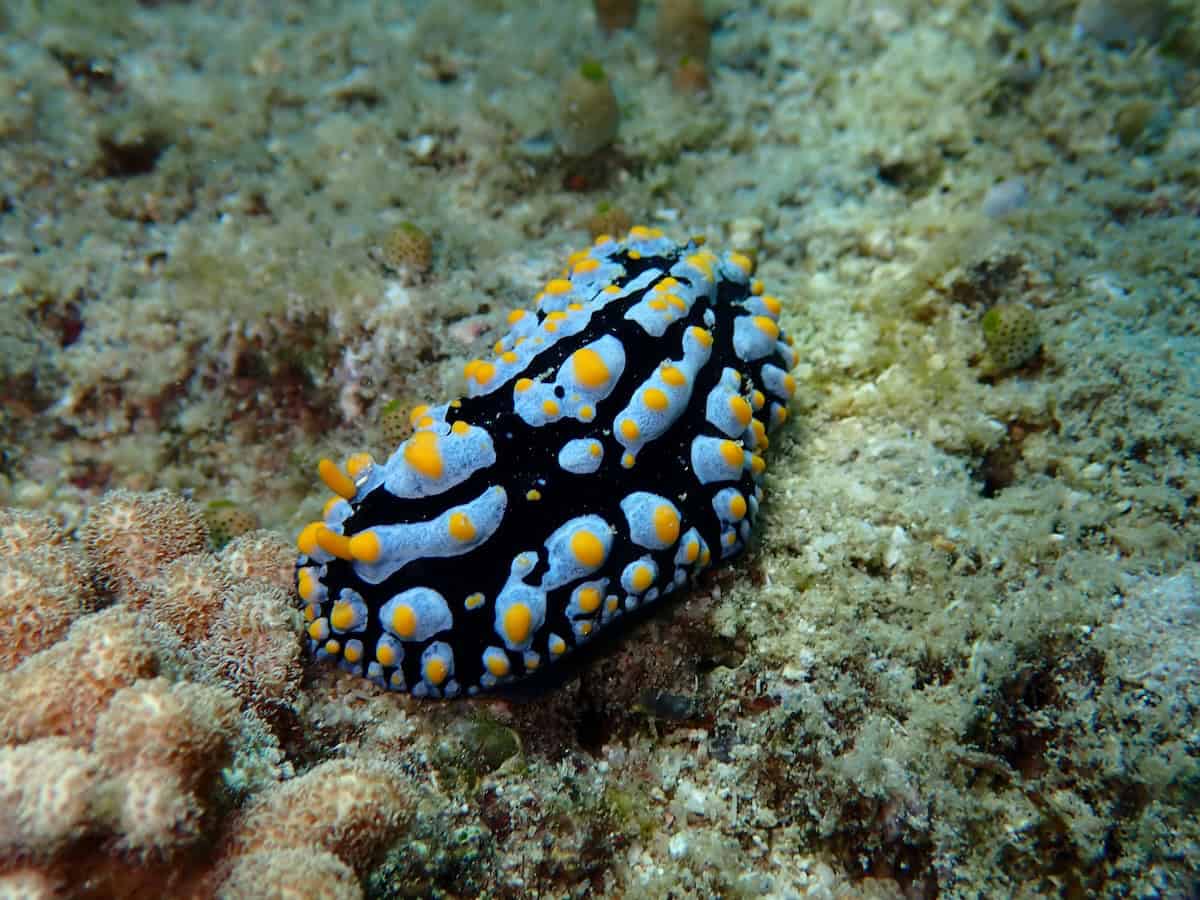
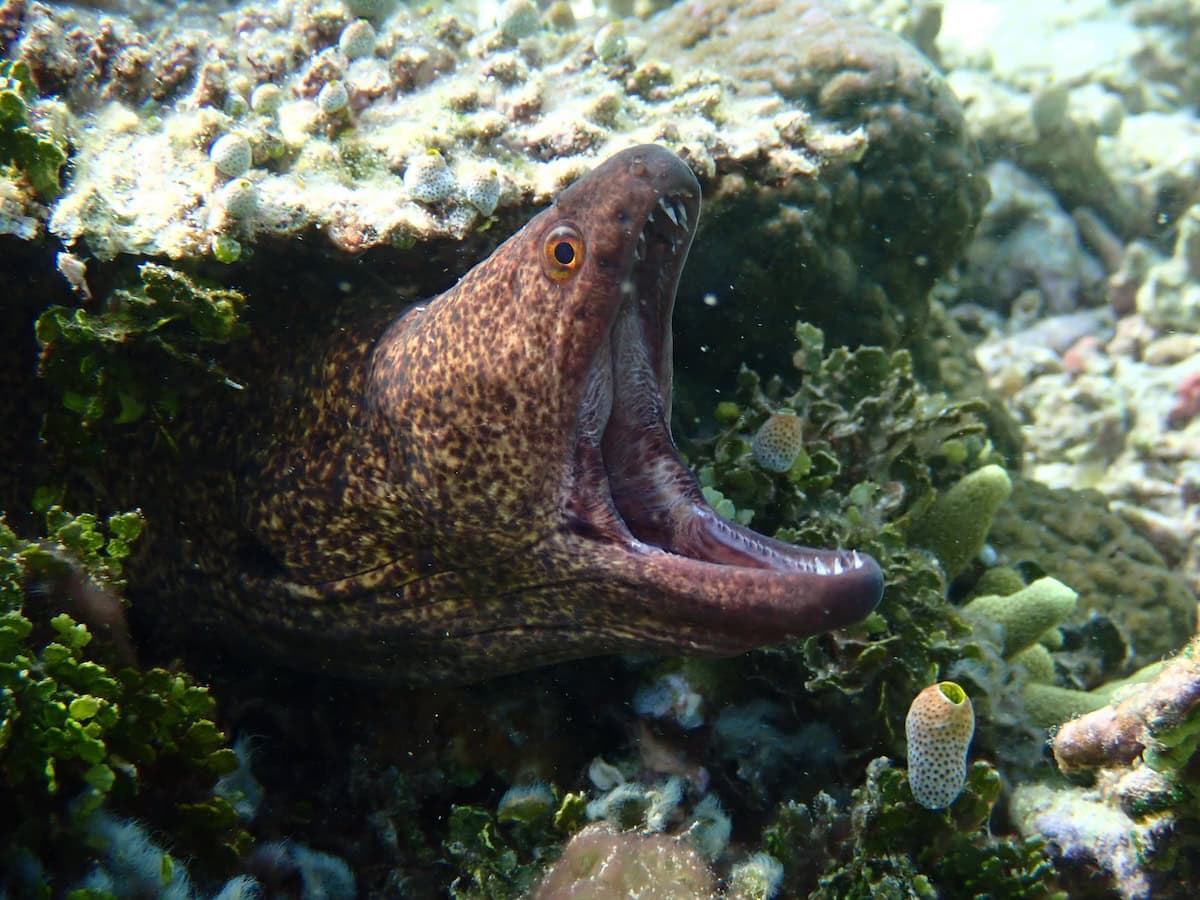
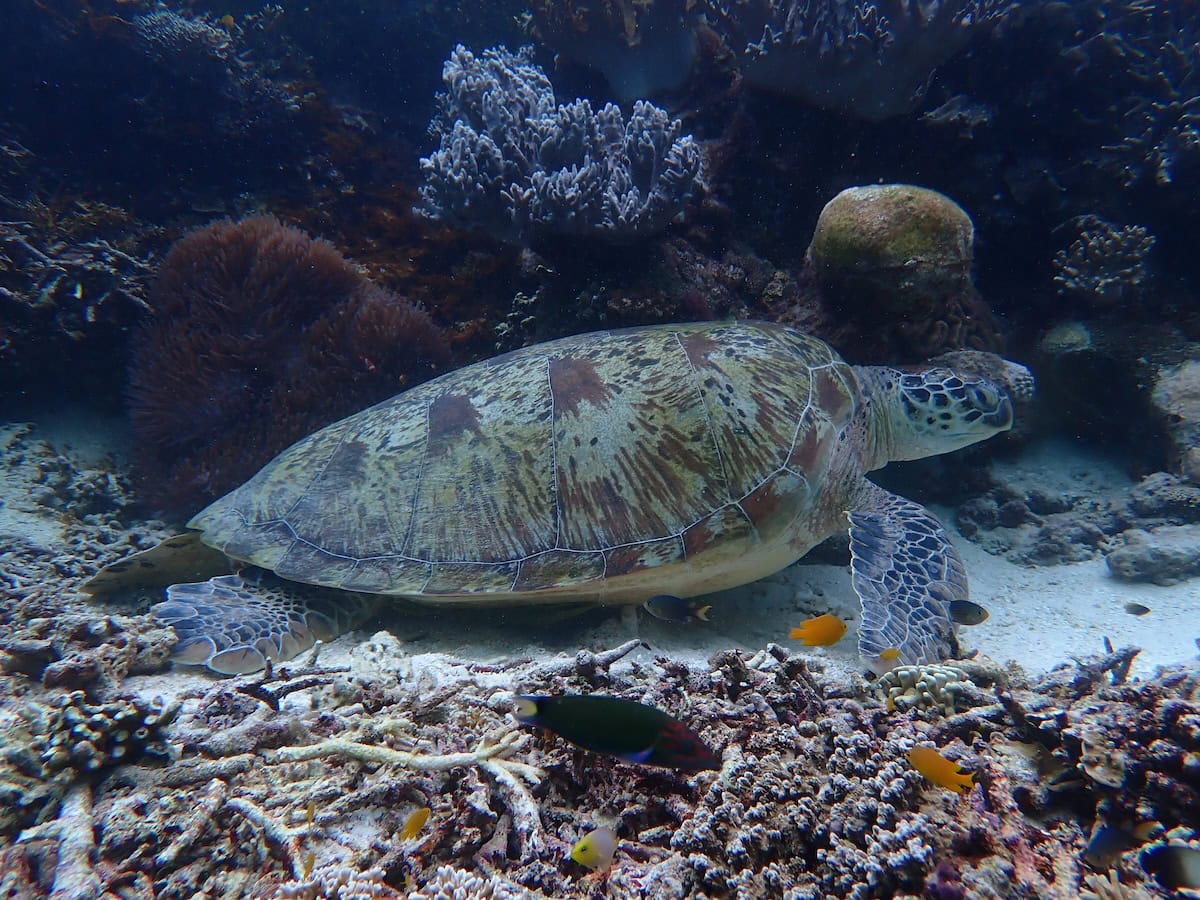
After a hot breakfast back on the boat, we set out for our first morning snorkel of the trip to Batu Lima (meaning “five rocks” in Indonesian). The coral cover at this site was spectacular. Drifting with a gentle current, the group spotted batfish, yellowtail barracudas, a hawksbill sea turtle, butterflyfish, scorpionfish, an epaulette shark, and a spotted cuscus (an endemic marsupial) in a tree. This was truly a mesmerizing snorkel, and it was difficult to get the last snorkelers out of the water! Our afternoon snorkel at Friwin Bonda included courting orange-spotted trevally, a yellow-margin moray, blue-spotted stingray, and nudibranchs (funeral nudibranch and a 5-inch Glossodoris cincta).
Day 3: Southern Waigeo Birds-of-Paradise and ReShark Conservation
Before dawn, we hiked into the forests of southern Waigeo, hearts racing for a glimpse of Raja Ampat’s iconic birds-of-paradise. Patience paid off: two brilliant red males called and displayed, while Blythe’s hornbills, hooded butcherbirds, and green imperial pigeons added their songs to the morning.
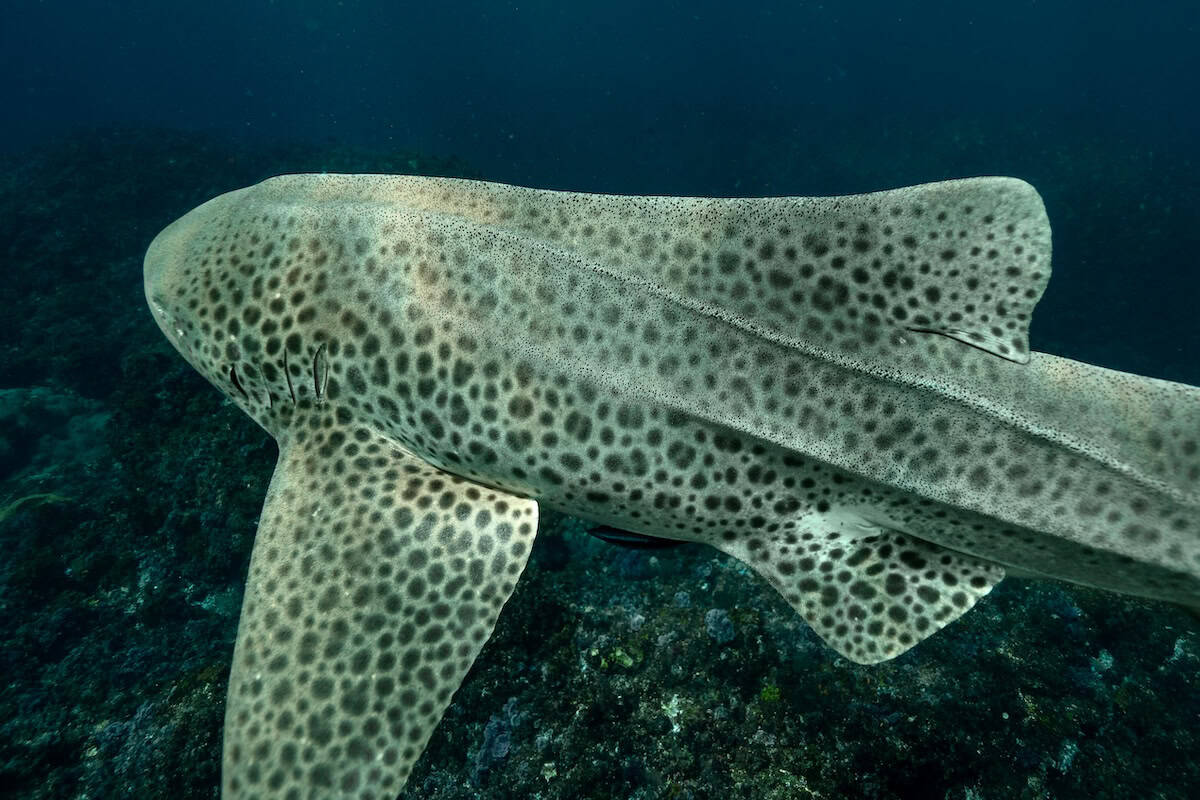
Later, we visited the ReShark nursery on Kri Island, meeting juvenile zebra sharks and learning about urgent conservation efforts to protect this rare species. Inspired, the group made a donation and sported ReShark merchandise for the rest of the trip.
The afternoon brought snorkeling off Sauwandarek village, where turtles, barracuda, sweetlips, and schools of reef fish swirled around us in every direction. Back on board, a fish ID session sparked excitement and curiosity, and Dalton teased another early-morning bird-of-paradise adventure—this time for Wilson’s.
Day 4: Wilson’s Bird-of-Paradise and Yenbuba Reefs
Our birding group returned to the forests of southern Waigeo early in the morning in search of Wilson’s bird-of-paradise. Patience paid off. A brilliant male Wilson’s bird-of-paradise appeared, then not one, but several females. The male performed an extraordinary courtship display, twisting his electric-blue and emerald feathers into dazzling shapes. It was a breathtaking wildlife moment none of us will forget. We also spotted Papuan pitta, orange-footed scrubfowl, Blyth’s hornbill, palm cockatoo, eclectus parrots, oriental dollarbirds, and even a coconut crab.
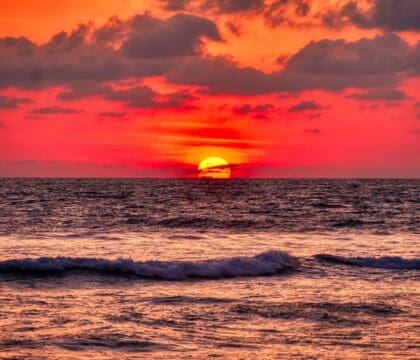
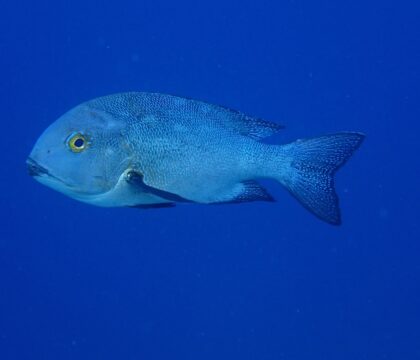
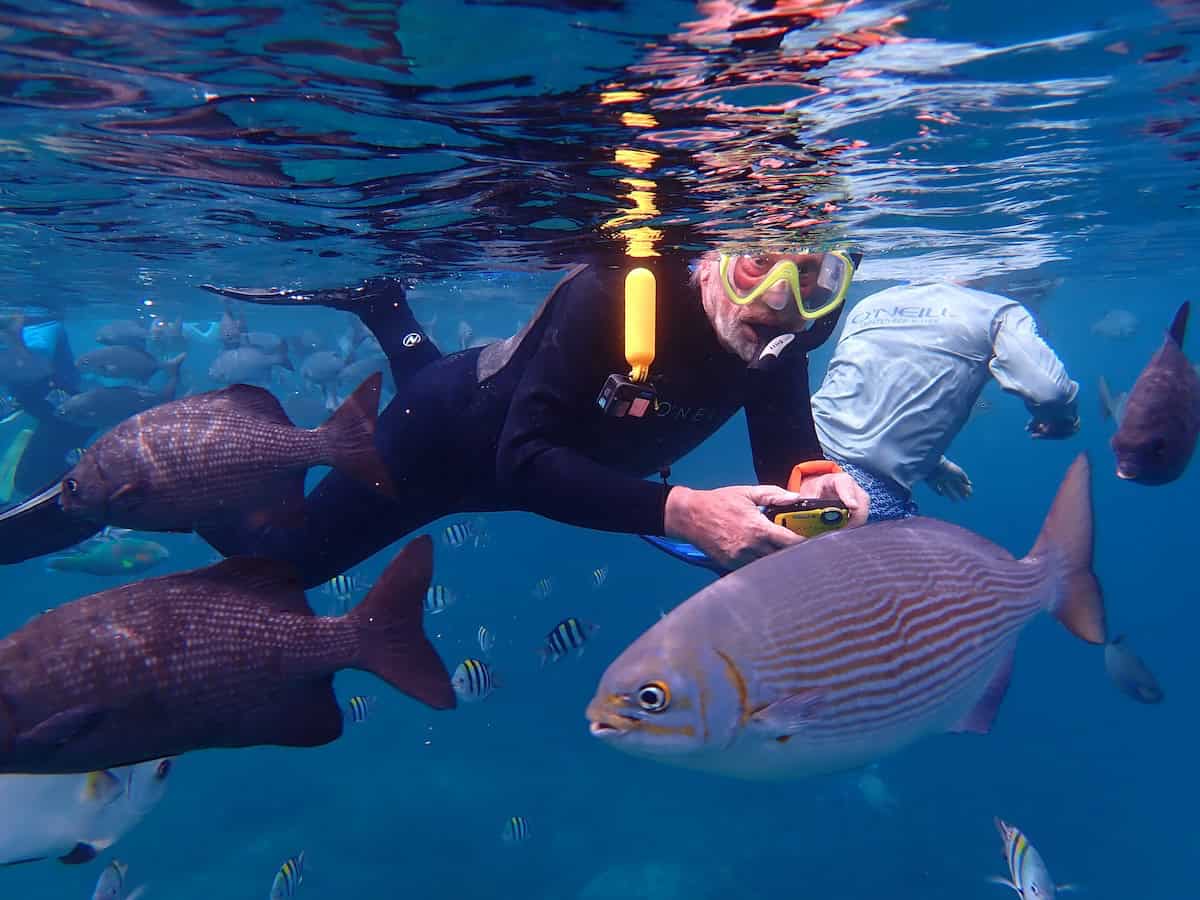
After lunch and a “Coral 101” presentation, we snorkeled Yenbuba’s coral-rich bay, drifting past hawksbill turtles and large schools of sweetlips, snappers, and spadefish. The day closed with a glowing sunset transit past Mansuar and Arborek, anchoring off Yenggefo as the sky turned orange and pink.
Day 5: Yenggefo Mangroves and Manta Ridge
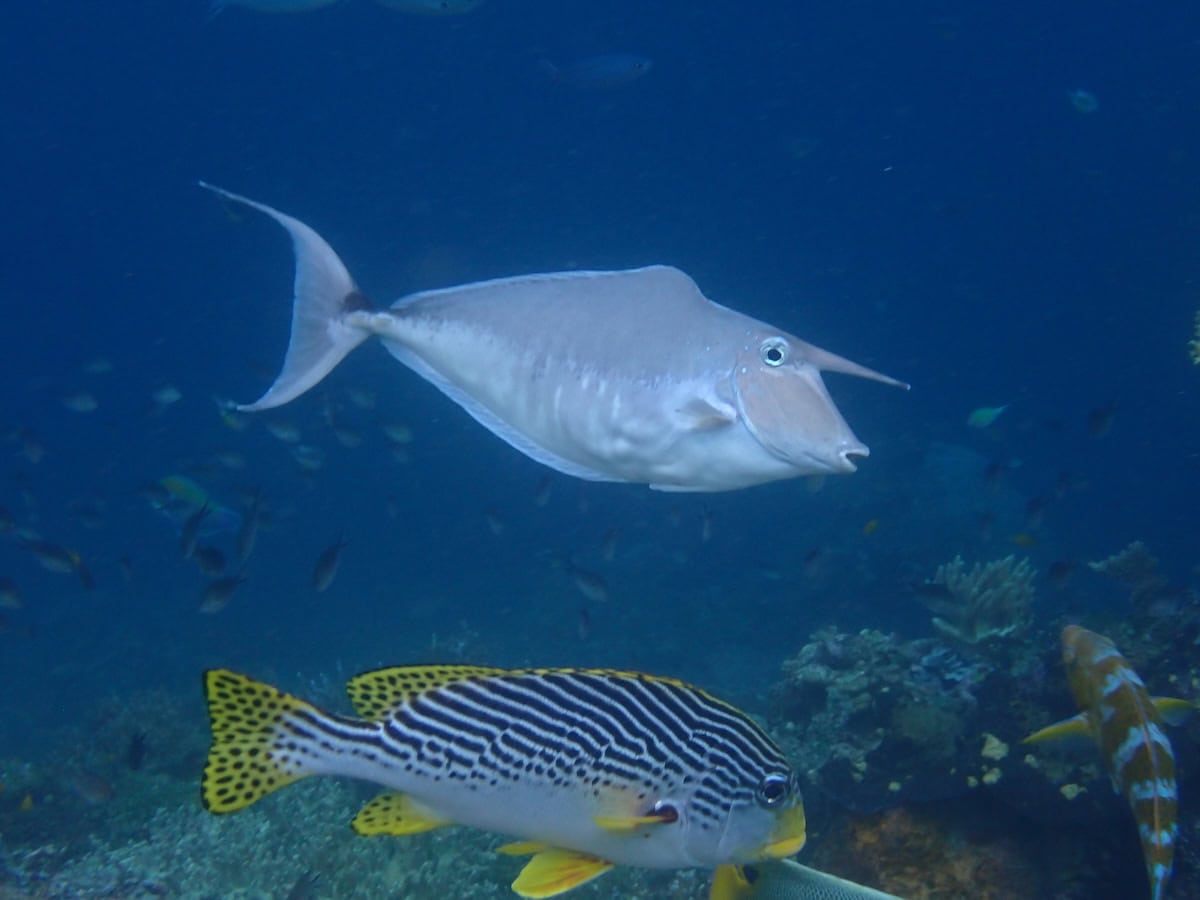
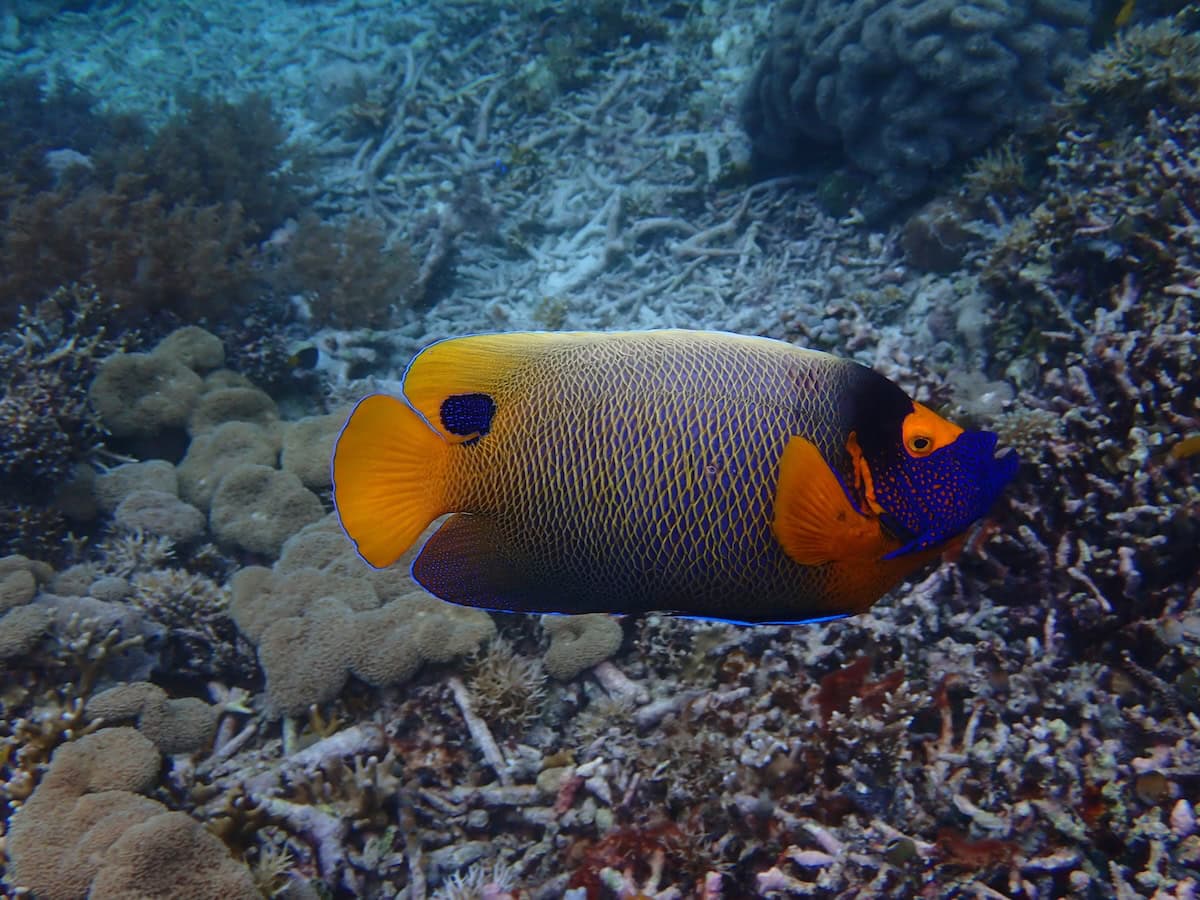
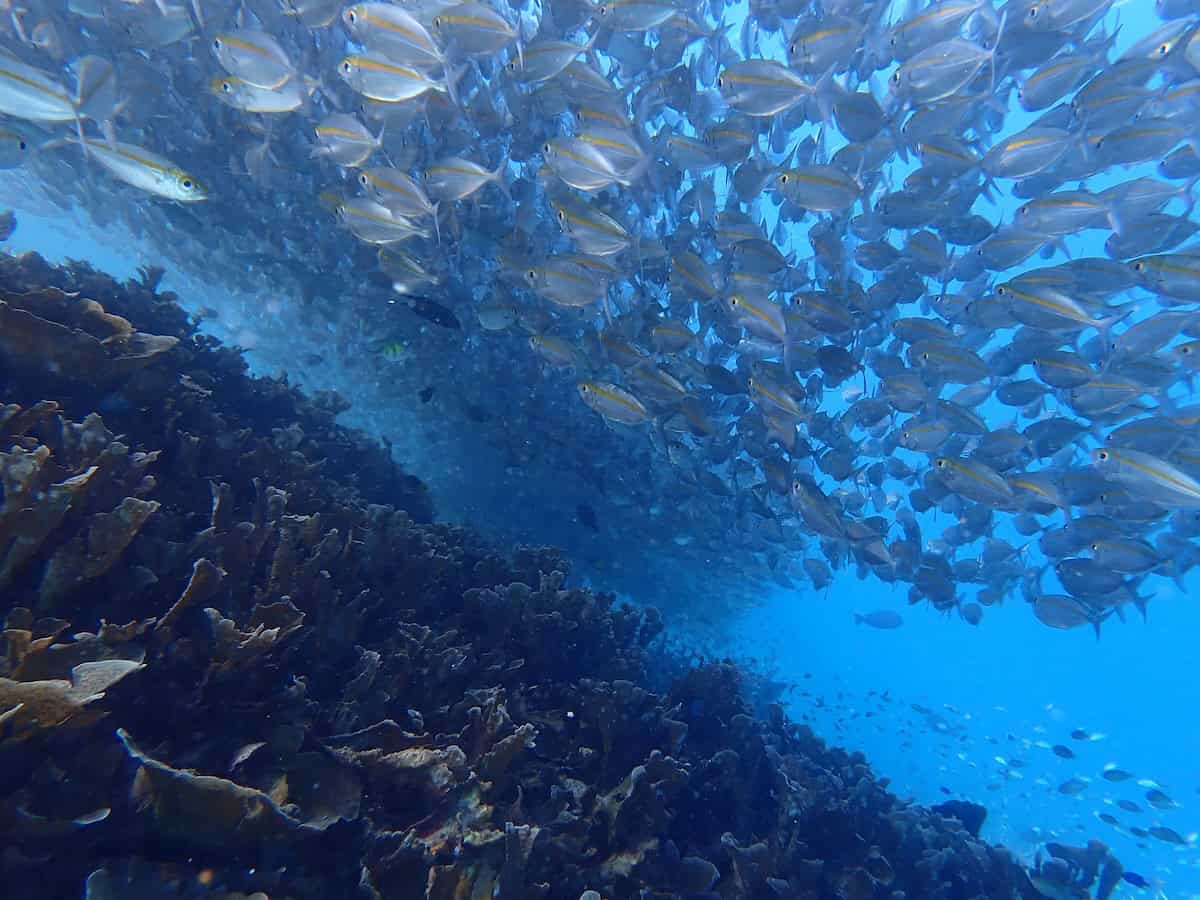
Our first snorkel took place along the Yenggefo mangroves. This habitat offered a striking contrast to the reef sites, featuring a massive school of countless oxeye scad, archerfish, various cardinalfishes, and plenty of juvenile reef fish. We were all fascinated by a color-shifting coral grouper and playful interactions with the schooling scad.

Later at Manta Ridge, we experienced one of the trip’s defining moments. After a few exploratory drops, multiple reef mantas appeared, feeding gracefully in the current and circling back again and again. By the end of the swim, everyone was well acquainted with the infamous “manta ray workout”!
Day 6: Penemu Lookout and Fam Islands Seamounts
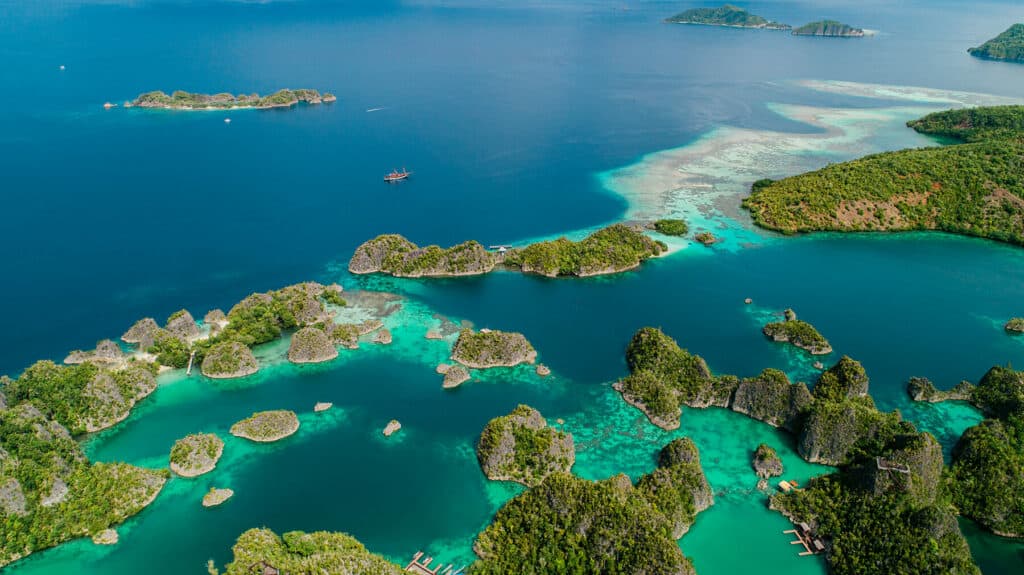
We began the day with a sunrise climb up the iconic staircase to the Penemu lookout, featured on Indonesia’s 100,000 rupiah note. From the top, karst islands scattered across brilliant turquoise lagoons created one of Raja Ampat’s most breathtaking panoramas.
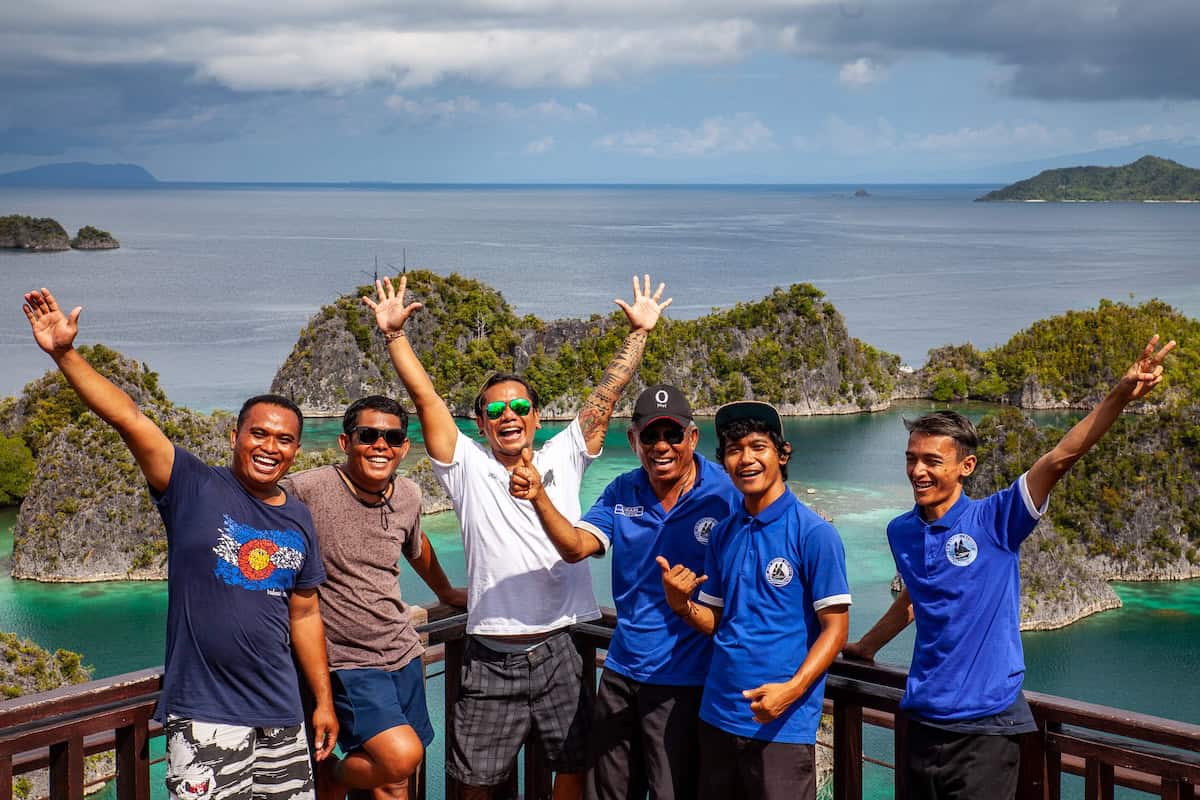
Red-cheeked parrots perched nearby as we took in the view, snapped a group photo, and made our way back down. A peaceful lagoon birding cruise followed, with sightings of spice imperial pigeons, singing starlings, Raja shelduck, violet-necked lories, green-backed herons, Raja crows, and Sultan’s cuckoo-doves.
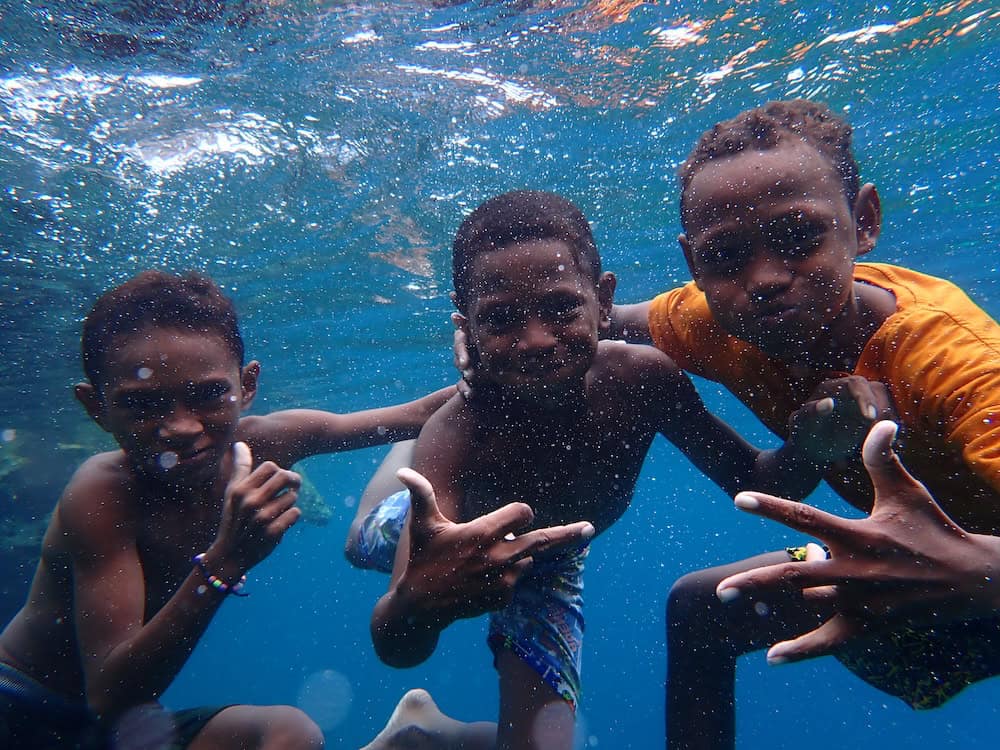
The morning snorkel along Penemu’s south side revealed some of the most pristine coral of the trip. Near the end, a joyful encounter with three local boys curious about our cameras turned into a spontaneous, laughter-filled photo session that became a memorable moment.
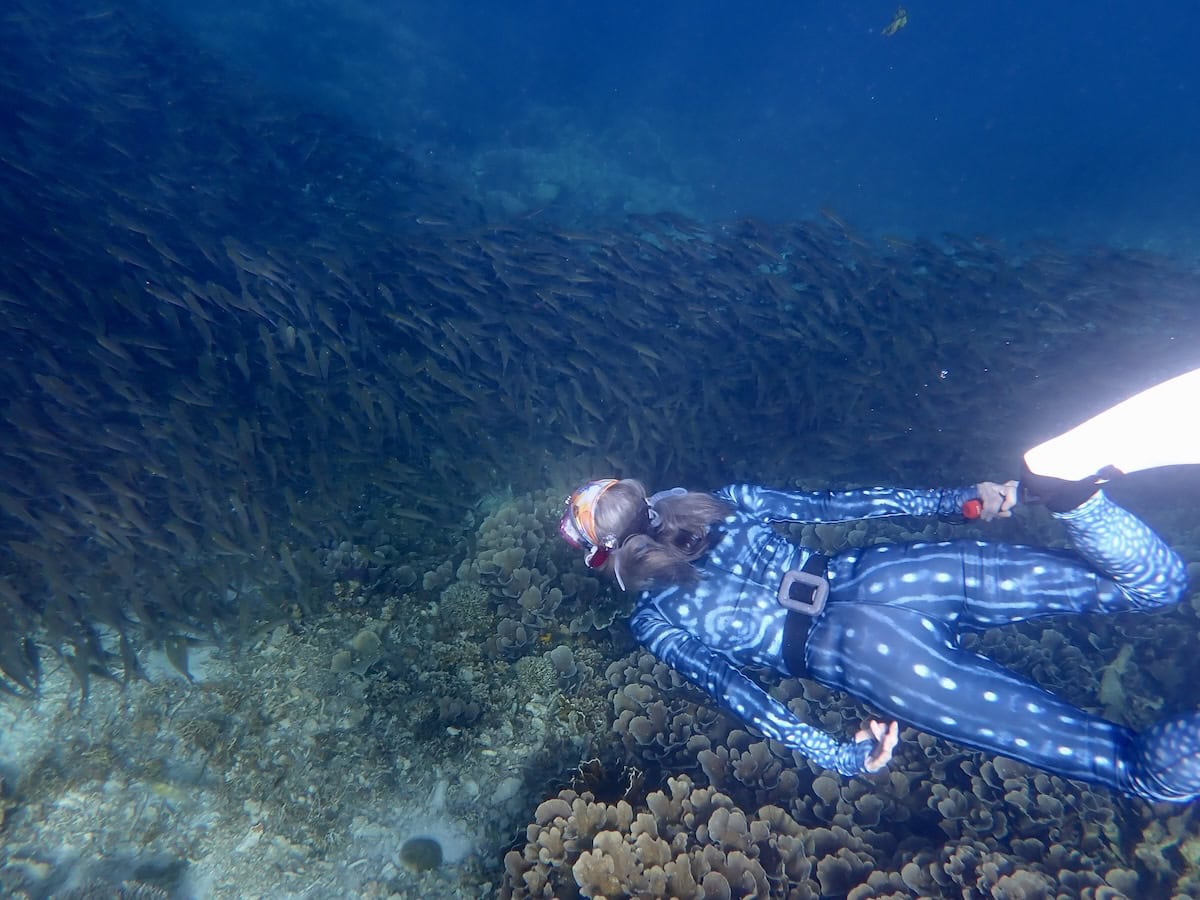
Later, we explored a vibrant seamount near the Fam Islands. Highlights included palette surgeonfish known as “Dory,” an enormous giant clam, swaying fields of garden eels, and a striking double whiptail (a fish I had never seen before and has earned a spot on my life list). As we returned to Damai, spinner dolphins rode the bow, some twisting through the air in spectacular fashion. That evening, we began our overnight journey toward Kofiau.
Day 7: Exploration of Secluded Reefs
Morning birding at Kofiau added several new species to our trip’s identification list! Below the surface, the mangroves were just as lively, with a dozen small stingrays, a school of squid, flashes of bioluminescence, countless parrotfish, and a young green sea turtle. We snorkeled twice around Kofiau, exploring both the south-central reefs and the far southwest. This lesser-visited region impressed with healthy coral and abundant fish life. Notable sightings included a massive male cowtail stingray, a well-camouflaged yellowmargin moray, and the largest coral colony of the trip.
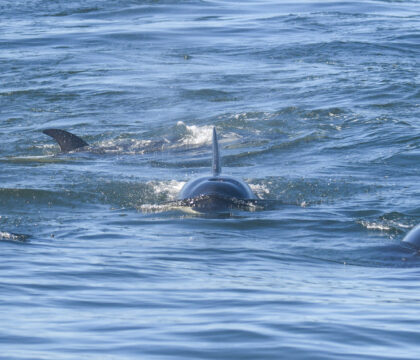
As we departed and journeyed toward Misool, a remarkable mixed pod of dolphins surrounded the boat. Melon-headed whales, Risso’s dolphins, bottlenose dolphins, and spinner dolphins were all identified, with the Risso’s displaying tail-standing, head-slapping, and fluke-slapping behaviors.
Day 8: Misool’s Soft Coral Wonderland
We woke to the wild beauty of Misool, where jagged limestone islands rise from impossibly clear water and every snorkel feels like entering another world. Even before breakfast, the surrounding forest hinted at the region’s richness, with lories, cockatoos, parrots, and sea eagles adding to the sense of abundance. Our morning snorkel explored small islands just south of Kapocol, where soft corals dominated in a riot of color and shape. The reef felt almost surreal, with Dr. Seuss-like formations swaying in gentle currents. Along the limestone edges, mudskippers, crabs, chitons, and other mollusks clung to the rocks, blurring the line between land and sea.
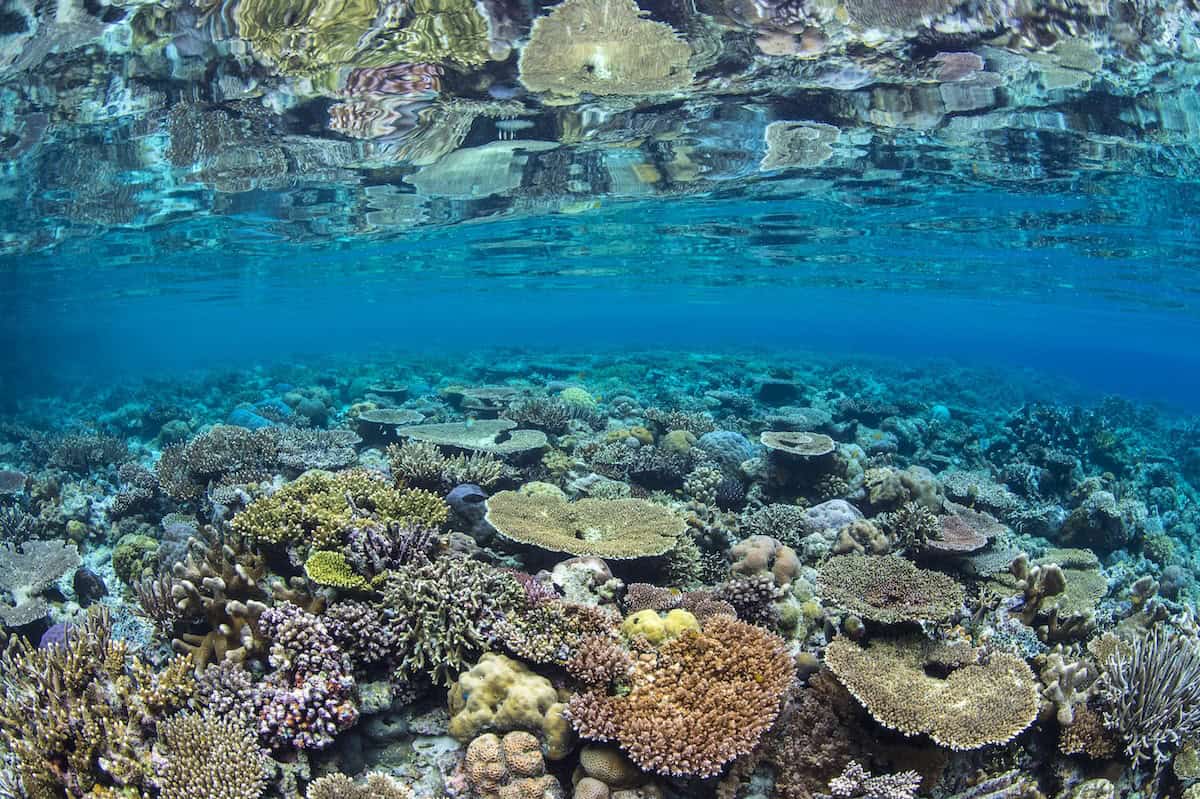
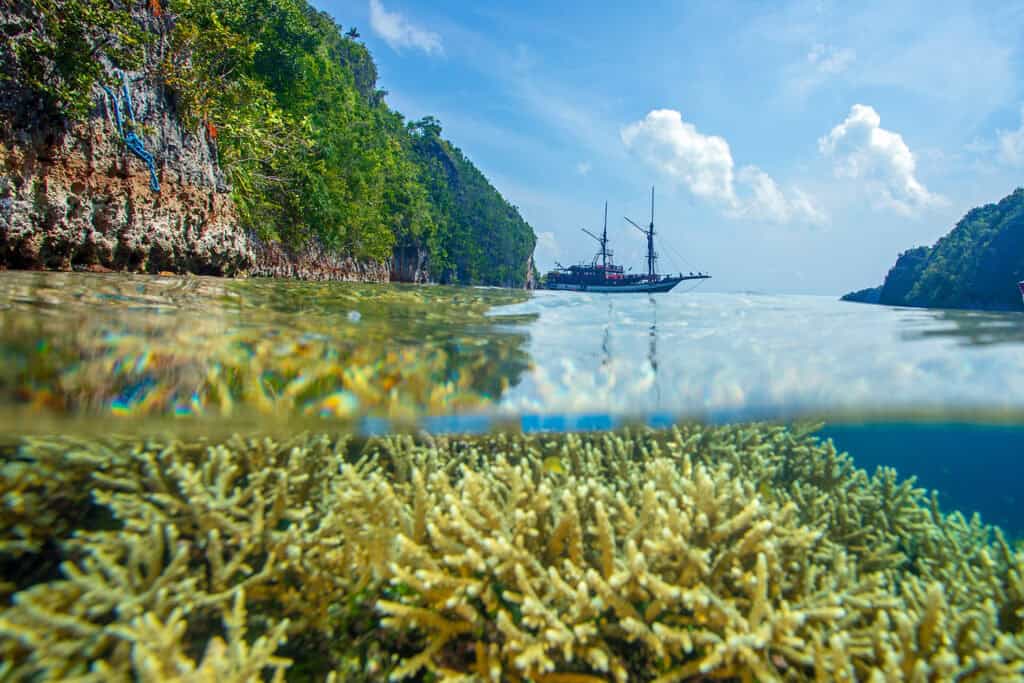
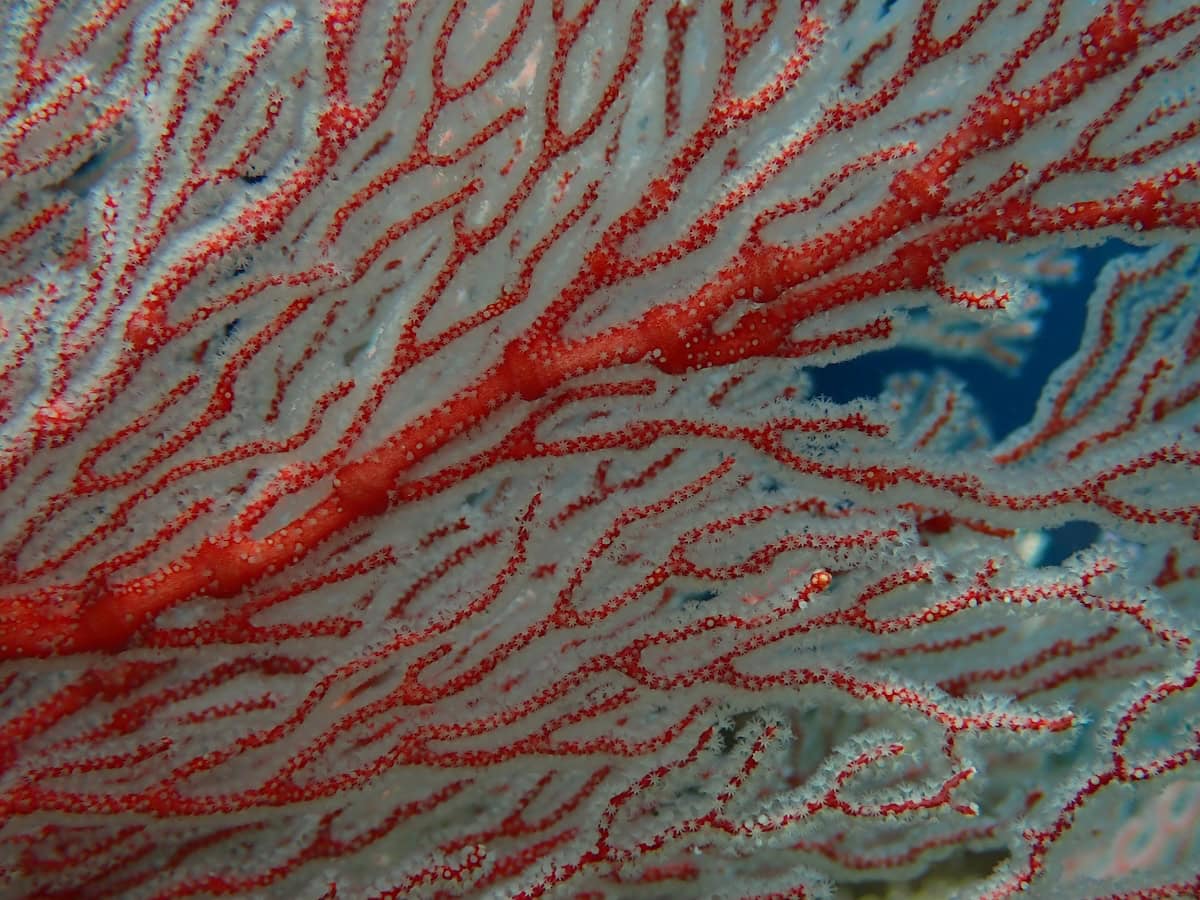
After lunch aboard Damai, we entered the water again at FantaSea Reef on the east side of Pulau Wayilbatan. This site is famous for its enormous sea fans and soft corals, creating an underwater scene that felt almost cathedral-like.
Day 9: Nawawi Jellyfish Lake and Ancient Rock Art
At sunrise, we all entered the water near a bagang (traditional fishing platform), where Indo-Pacific bottlenose dolphins have learned how to obtain a free breakfast of purri fish. Four dolphins greeted us at first, soon joined by more than ten, including two visibly pregnant females and two calves. We floated in a semicircle as fish were tossed into the water, the dolphins feeding just yards away while lesser frigatebirds wheeled overhead. The bagang, its fishermen, the dolphins and frigatebirds, all interacting at dawn, embodied how wildlife are adapting to an increasingly human planet. After breakfast, we visited Nawawi’s jellyfish lake, where golden jellyfish pulsed gently through the water alongside moon jellies, creating an almost dreamlike swim.
We discussed how such jellyfish lakes have formed, why they are so vulnerable, and the importance of responsible eco-tourism at such sites. This meant no fins, no sunscreen, and no bug spray. The tenders took the long way back to Damai, weavingthrough eastern Misool’s dramatic karst islands and stopping to view ancient rock art estimated to be tens of thousands of years old, depicting fish and marine life that still define these waters today.
I prepared a presentation on nudibranches after lunch, which prepared us perfectly for an afternoon in the water at Whale Rock and Nudi Rock, where those newfound identification skills were immediately put to use. As the sun dipped low, we capped the day with a spontaneous beach visit on Sapennipnu Island, enjoying soft sand underfoot, conducting a small cleanup, and discovering fresh sea turtle tracks leading to a newly laid nest. Another extraordinary day in Misool came to a close.
Day 10: Swimming with Manta Rays at Boo East
Our first snorkel at Boo East revealed a reef bursting with life. Colorful fish darted through dramatic coral structures, and the water shimmered with energy.
After lunch, I shared some of my underwater photos with the group and pointed out tips for identifying different species. All of a sudden, Mika shouts, “Mantas!” and we were off, suiting back up and plunging into the water. Swimming alongside four reef mantas, including three massive females, was unforgettable. One of them lingered close enough for a slow-motion, almost cinematic encounter. I couldn’t help but marvel at their grace, though two bore scars from fishing gear—a stark reminder of how vulnerable these gentle giants remain.
We finished the day with a snorkel at Warakaraket East (Eagle’s Nest), moving with the tenders to find the reef’s hidden corners. Each drift brought new colors, bustling fish, and that thrilling sense of being somewhere completely untouched.
Dinner on Damai that night felt like a reward for a day of nonstop adventure. We dined on the top deck under twinkling fairy lights, raising a final cheer before settling in, still buzzing from a day full of wildlife, wonder, and unforgettable moments.
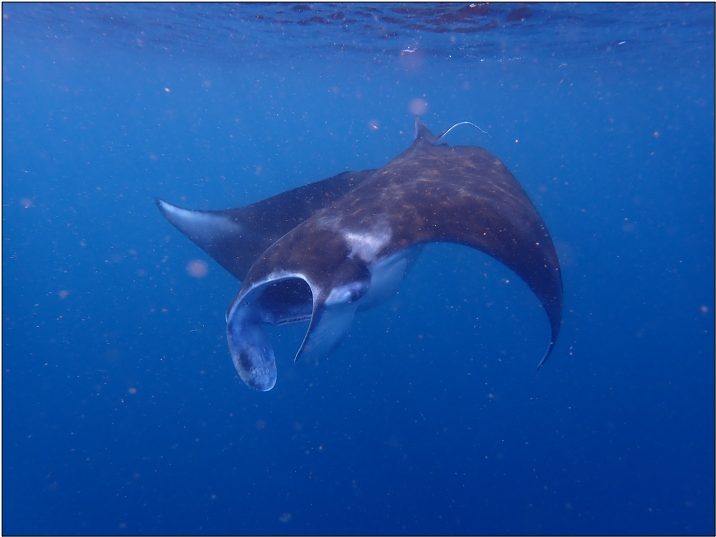
Raja Ampat is home to a thriving population of reef mantas. Their larger cousin, the oceanic manta, can also be seen. These charismatic and curious animals are a joy to swim with. Photos of their undersides can be submitted to a local research group to help monitor the population and identify individuals. © Alex Kattan
Days 11-12: Booby Islands, Octopus Sightings, and Farewell Celebrations
Our final full day began with birding at the Booby Islands, where we finally spotted our first osprey of the trip. While we didn’t see any boobies, other highlights included white-bellied sea eagles, Brahminy kites, a probable whistling kite, grey reef herons, beach kingfishers, pied imperial pigeons, and yellow-vented bulbuls—two new species for the trip.
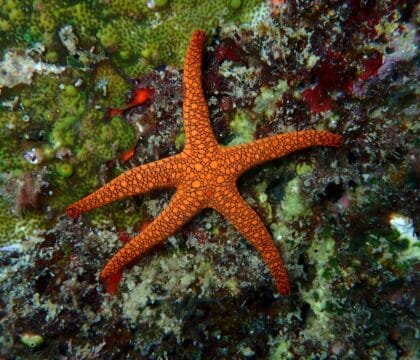
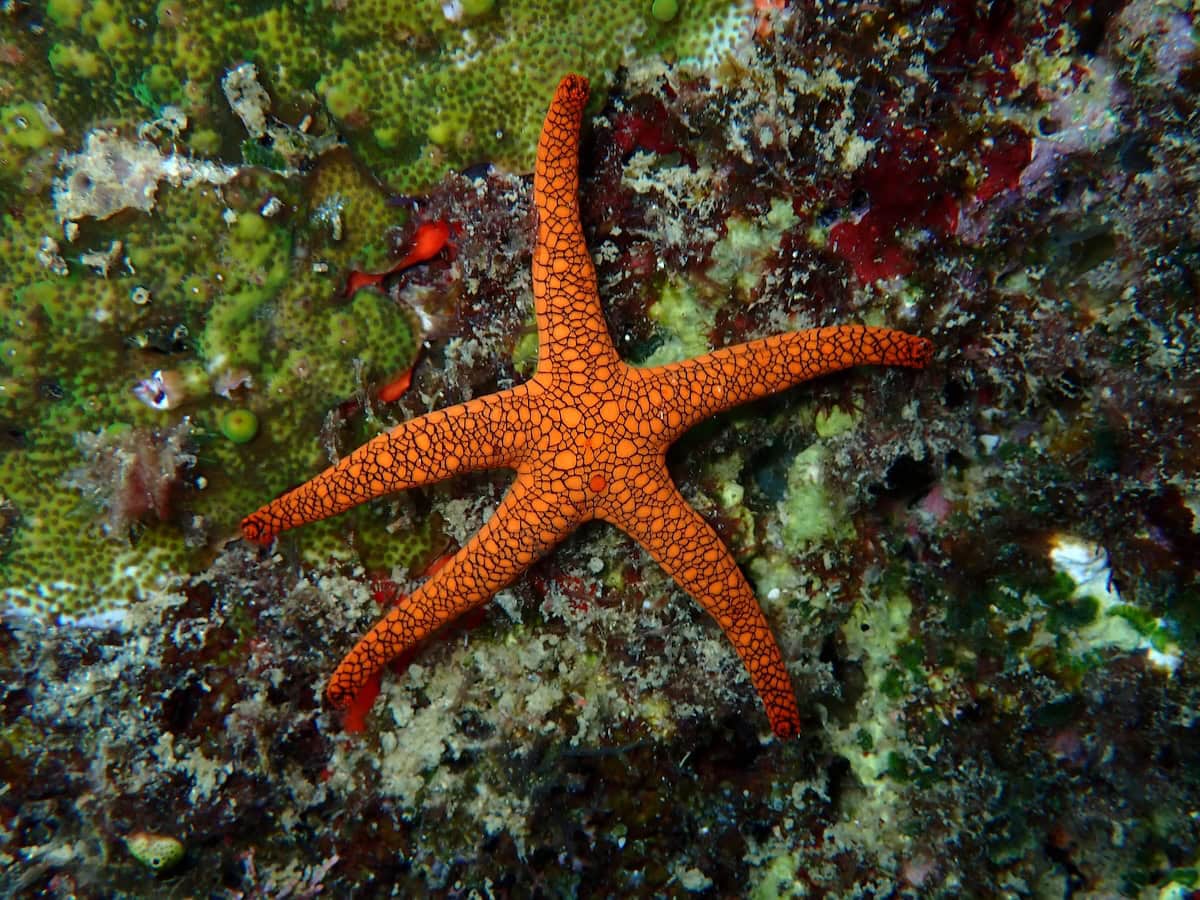
Snorkeling around the islands provided a playful and action-packed session. The highlight was an octopus that inked three separate times! We also encountered a young hawksbill sea turtle, numerous sea stars and brittle stars, a lionfish, rockmover wrasse, and a striking pair of bluestreak gobies. By noon, Damai began the 12-hour steam back to Sorong, signaling that our journey was drawing to a close. Packing and organizing started in earnest, and Mika shared housekeeping notes to guide us through departure. As the sun dipped, Dalton and Kian performed a few songs on the upper deck. “Hey Jude” gave way to Indonesian sailing tunes, and Kian’s homemade string bass stole the show. Everyone was enchanted!
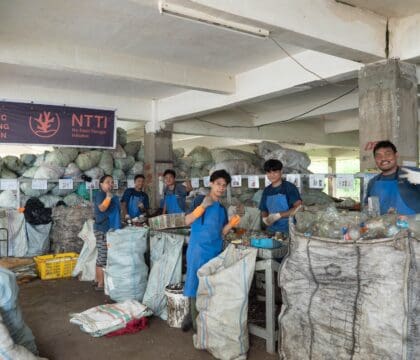
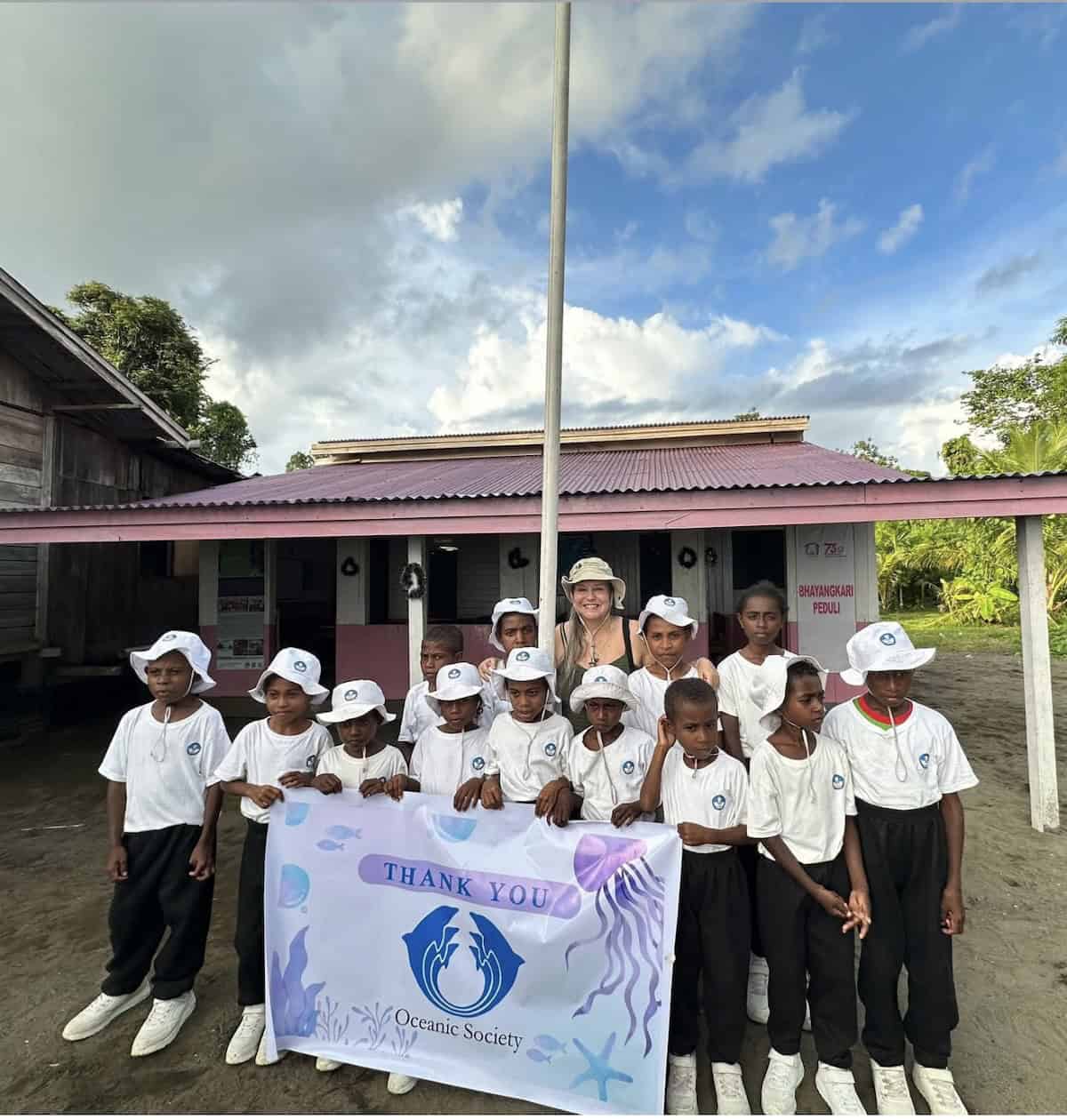
During our final dinner together, Dalton and I shared how the group’s support through the trip contributes to the Expedition Impact Program, from plastic pollution offsets to coral restoration and conservation grants. We also highlighted Dalton’s initiative to bring books, uniforms, and resources to a school on Waigeo that doesn’t usually see liveaboard visitors, and the group generously contributed to that effort.
Mika invited the entire crew forward so we could recognize the wonderful team that made our journey so special. Their attention to detail, thoughtful care, and fantastic meals and service had elevated every day. Before long, Kian and the chef had everyone conga-lining around the salon to guitar and string bass, laughter and cheer filling the Damai. It was a joyful, heartfelt way to close an unforgettable expedition.
Disembarkation arrived all too quickly the next morning, marking the bittersweet end of our extraordinary Raja Ampat adventure.